How AI Is Changing SEO in 2026 (And What to Do About It)
The search results look different this year. Not marginally. Structurally different. Understanding how AI is changing SEO is now a practical business question, not a theoretical one. Businesses that ranked reliably in 2023 are watching traffic slide, without a single algorithm penalty flagged in Search Console. Generative AI is the reason. Not AI as a vague industry talking point. Actual systems reshaping how people search and how Google reads those searches.
SEO Company To-The-TOP! has been doing this work in Calgary since 2007. Three structural shifts in that time: PageRank, mobile-first indexing, and now generative AI. This one is moving faster than the first two combined. The practices that held for a decade are being retested, some still hold, some do not, and figuring out which is which is where the work actually sits right now.

The Search Page That Changed
Two years ago, most queries returned ten blue links. Now many return an AI Overview at the top, a synthesized answer pulled from multiple sources with citations listed below. Traditional search results are still present. Just further down the page, past the generated response.
Google’s AI Overviews draw from pages that already rank and demonstrate subject-matter authority. An organic click may not arrive. The citation still does. Businesses whose pages are thin on depth or exist primarily to match a keyword phrase rather than answer a genuine question do not make that list. The exclusion is quiet. No penalty notice. Traffic just stops.

AI Overviews and the First Click
Informational queries are where the impact is clearest. “What is,” “how does,” and “why do” type searches get resolved by a generated summary at the top of the page. Users do not always need to click through to find what they came for.
The comparison of what is GEO vs SEO explains how generative engine optimization differs from traditional search ranking work.
Zero-click searches are not new. Featured snippets handled them for years. AI Overviews extend that pattern deeper into the query set. More queries get resolved without a click. Search sessions end on the results page without a visit to any source.
The sites earning citations inside AI Overviews share consistent signals. Depth. Structured data. Clear entity associations. Thin pages get skipped, regardless of how well they matched keyword targets in 2022.

Keyword Research Is Not Dead; It Changed
Keyword research still matters. What changed is what you do with the results.
The practical guide on how to use AI for SEO covers which AI tools are worth adding to a working SEO workflow right now.
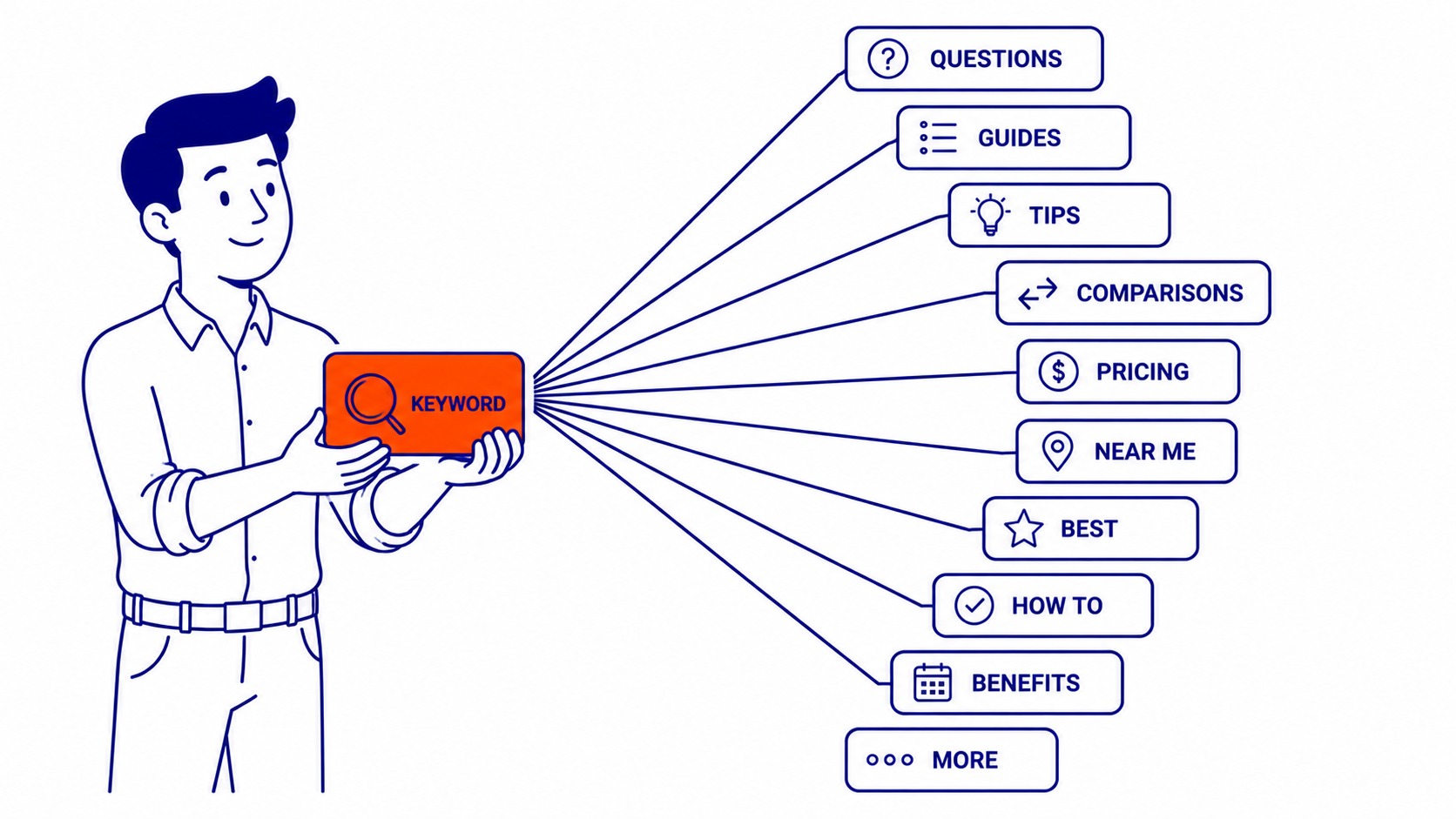
Old approach: target one phrase per page, repeat. Workable in 2015. Google now understands topical context well enough that a page genuinely covering roofing contractor questions (costs, timelines, permit requirements, what to ask before hiring) will surface for dozens of related queries without targeting each phrase separately. The page earns those rankings by being thorough, not by targeting each phrase explicitly.
Long-tail keywords still carry precise intent. “Emergency roof repair Calgary same day” tells you exactly who is searching and what they need right now. Matching that context earns the click. That is why our keyword research now digs into the problems sitting behind a query, not just the words in it.
Content at Scale: The Problem AI Creates for Itself
Generative AI has made content creation faster. Undeniably. Outlines, meta tags, first drafts, product descriptions: AI tools produce all of them faster than any team can manually. Businesses running large e-commerce catalogues or high-volume blogs are using this to scale output that previously took months.
Saturation is the problem. Access to the same tools at the same cost means the output starts to look identical. Google has been consistent: helpful, original material produced for people is what earns rankings. AI-generated pages that cover the same ground as the top ten results add nothing to the index. Search engines have seen this pattern before. Keyword farms in 2012. Spun articles in 2015. Same response, every time.
Authority is the other issue. An AI-generated article on any topic can cite common sources and produce readable prose. It cannot produce a take based on nineteen years of doing this work in one specific market. That gap is where genuine ranking opportunity lives right now.
What Holds Up
Practitioner-level depth. Specific examples. Opinions formed from actual experience.
To-The-TOP! uses AI tools in the research phase, finding gaps and surfacing related searches faster than manual analysis allows. Not to write client copy wholesale. The writing still comes from someone who understands this market: how search intent shifts between seasons in Calgary, which industries are genuinely competitive, where the quick wins actually sit. Human oversight over AI output is not optional if search visibility matters. Skip it and the writing blends into the background noise. Oversight is also where optimizing content for AI search engines properly starts, long before the draft goes live.
Search Intent Is Getting More Granular
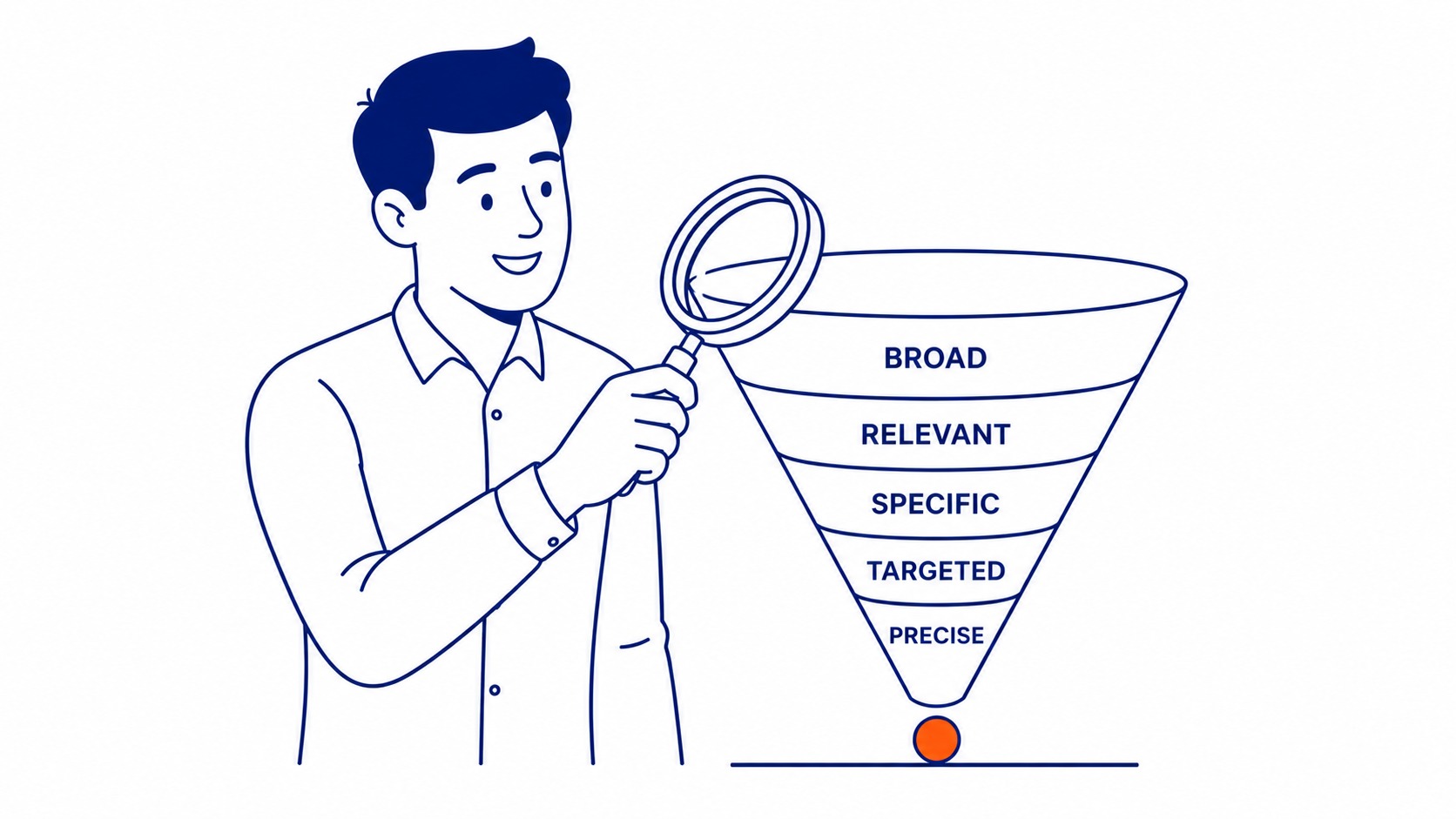
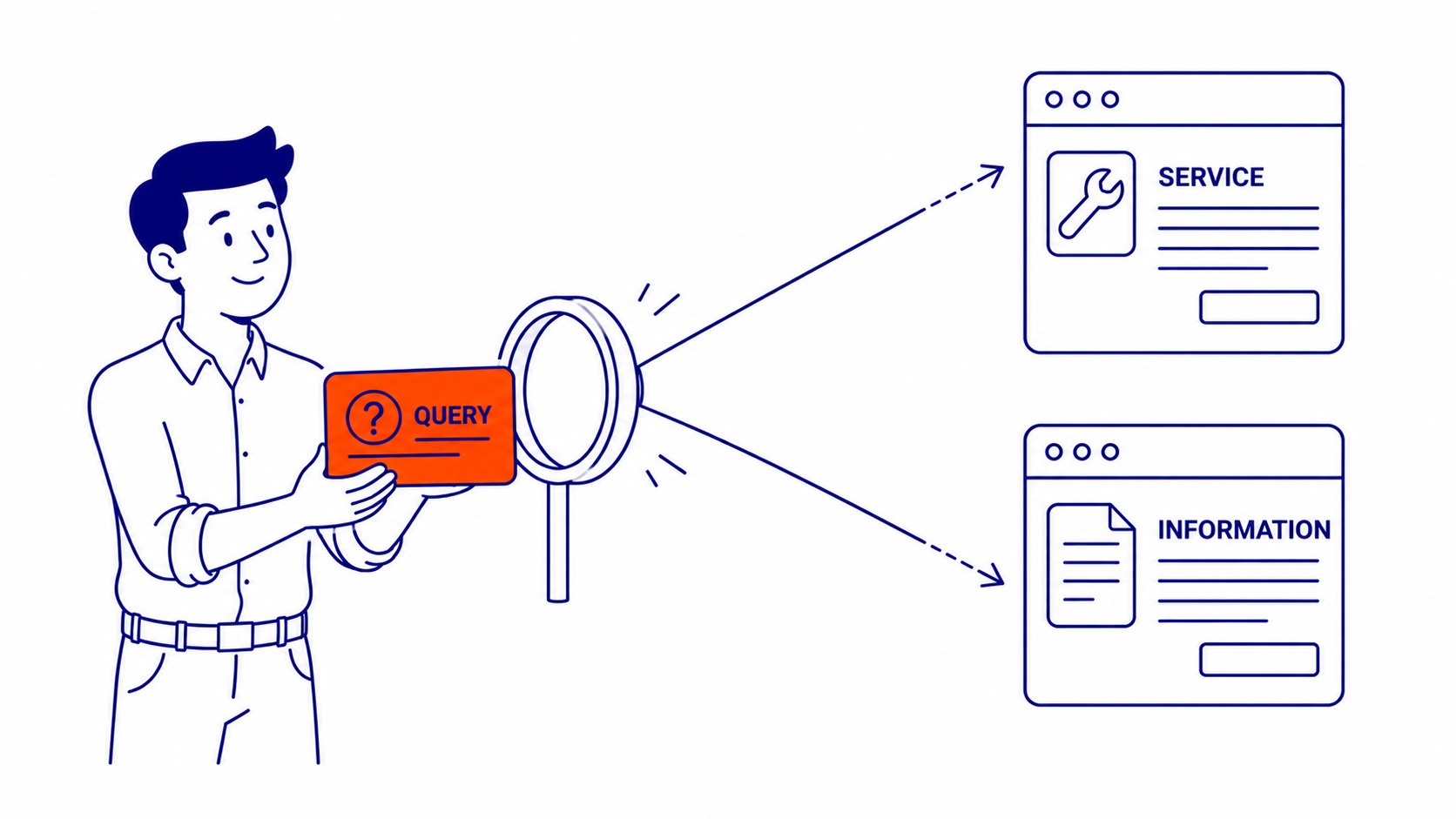
Artificial intelligence has sharpened how search algorithms read user intent. A page targeting “SEO services Calgary” may not surface for “how long does SEO take in a competitive market,” even though both questions are clearly SEO-related. The intent signals are different. AI-powered algorithms sort this out with more precision than earlier systems could.
User intent is what drives structure, and somebody typing Calgary SEO services into a search box wants something entirely different from somebody reading up on how ranking works. Transactional pages need different depth and framing than informational ones. Navigational queries need something different again. Marketers who treat every page identically (same structure, same depth, same call to action) leave significant ranking opportunity behind. Search intent separates pages that rank from pages that simply exist on the web.
AEO: The Layer on Top of Traditional SEO
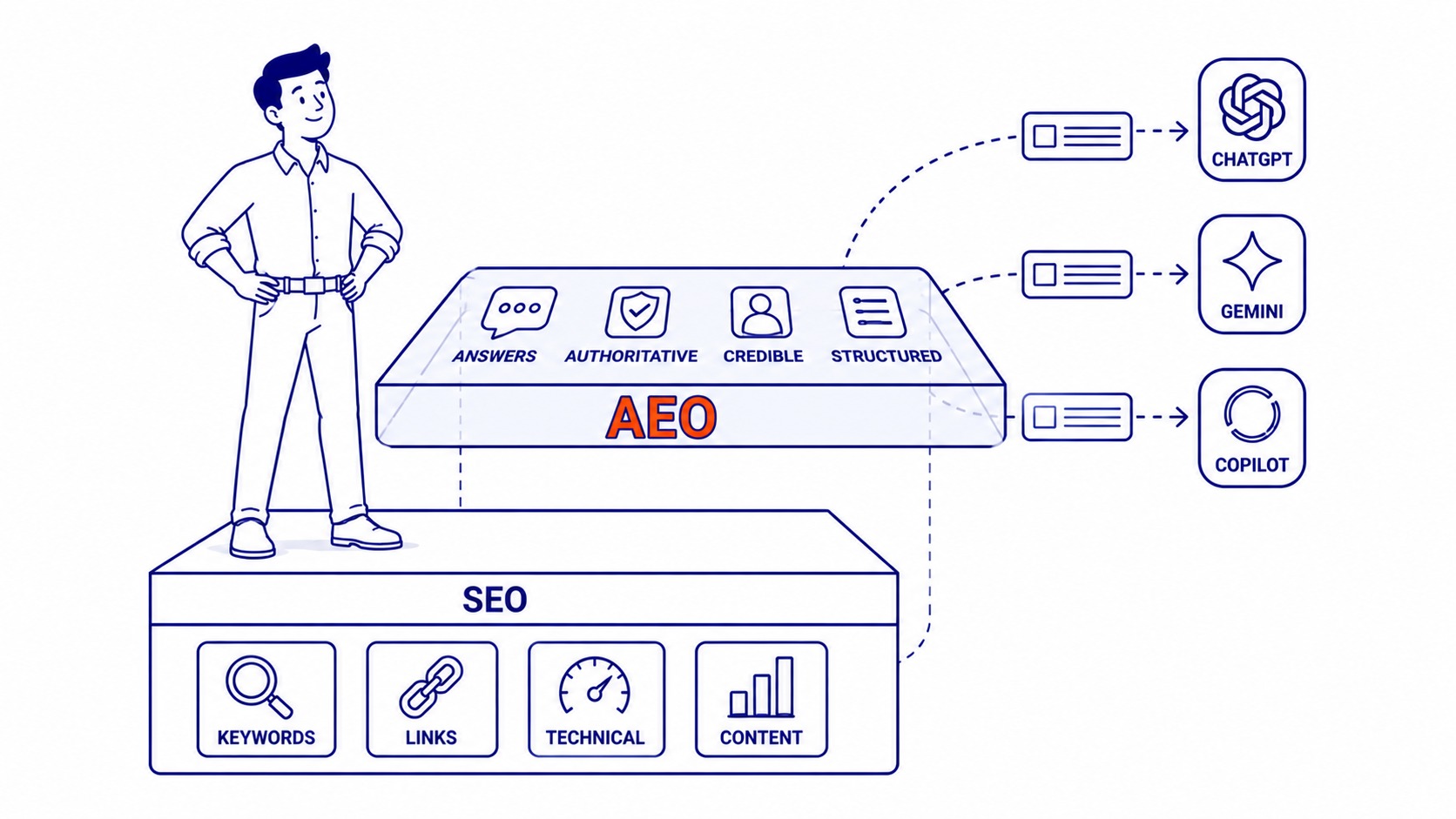
Answer Engine Optimization is the practice of building pages so AI systems can pull from them accurately. Perplexity, ChatGPT with web browsing, Gemini, Alexa: all fetching and synthesizing web material to answer user questions directly. Being cited there is separate from ranking in traditional search results.
The underlying practices overlap with what good SEO has always required. Structured data helps AI systems parse page text correctly. Direct answers to common user questions help. Well-organised page structure helps. E-E-A-T signals (expertise, experience, authoritativeness, trustworthiness) are weighted heavily in this context. Generative Engine Optimization is another term circulating for the same idea. Be a credible, well-structured source with demonstrable depth. Checking for exactly that is what SEO auditing exists to do, and a thorough audit typically surfaces where a site is missing those signals and losing citation potential without the owner knowing it.
Voice Search and Conversational Queries
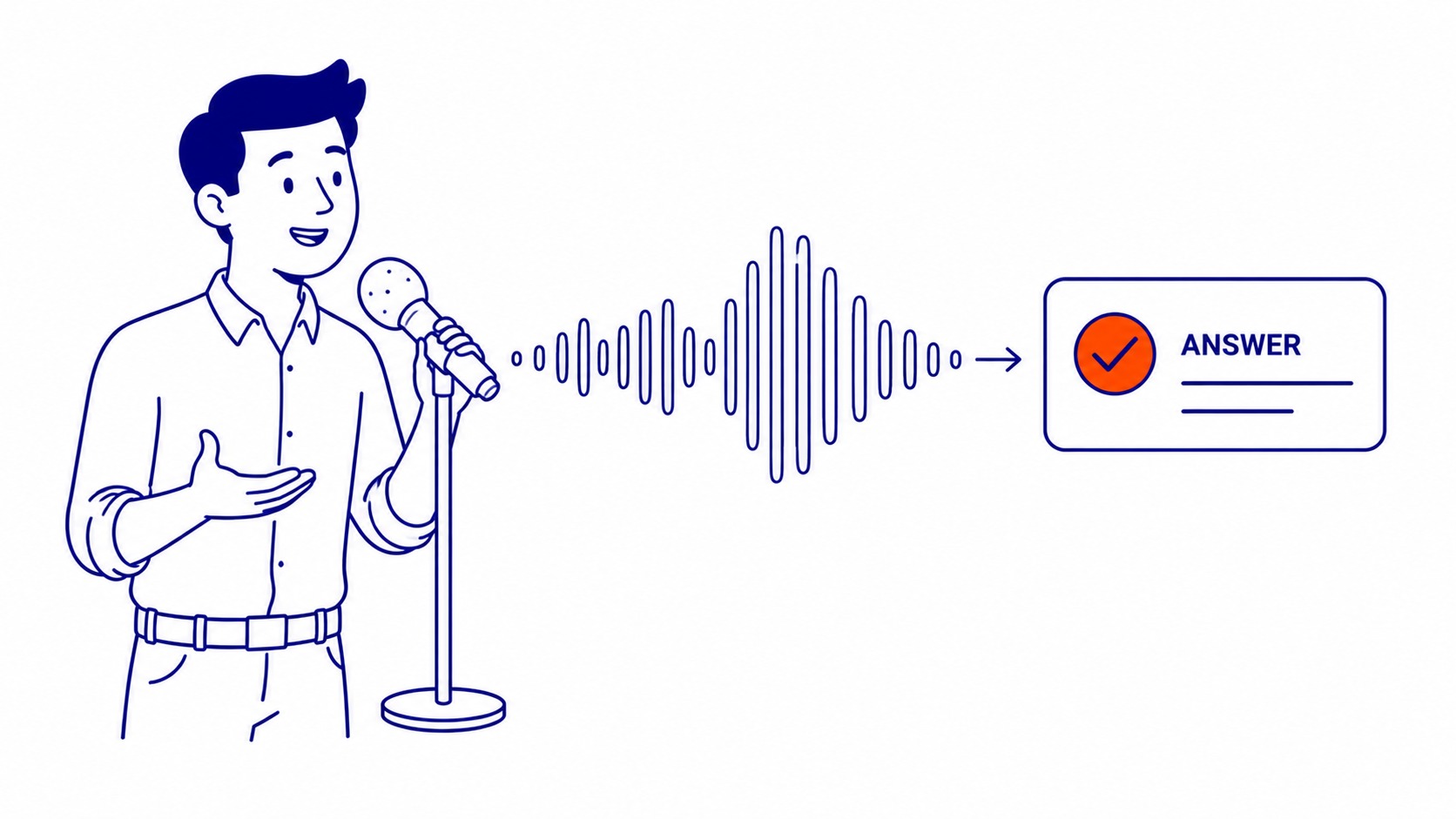
Voice search queries run longer and more conversational than typed searches. “Best plumber near me” is a typed query. “Who are the best plumbers in Calgary and do they work evenings” is the voice version. Same intent. Very different phrasing. Different page structure serves each one better, and a site optimised only for typed queries is leaving voice traffic to whoever is set up for it.
Optimising for voice means writing the way people actually speak. Short, direct sentences. Questions answered early in the page, not buried after four paragraphs of context. Headers that mirror the phrasing of likely spoken queries.
Local businesses benefit most from this shift. Voice searchers are frequently looking for nearby services with immediate availability. Paid search running alongside organic SEO feeds both channels, since voice queries drive paid and organic demand in tandem, so work out the cost of ads on Google before you split a budget between the two.
What Generative AI Means for Site Authority
Backlinks still matter. That has not changed. Generative AI has shifted how authority signals get interpreted and where they surface beyond traditional search results pages.
Large language models are trained on web pages. LLMs powering AI Overviews and systems like ChatGPT and Perplexity draw from sites that earn citations, links, and mentions from credible, relevant sources. Building that kind of authority takes the same sustained work as always: original material, earned backlinks, and clear entity associations in structured data.
Businesses trying to shortcut this with mass AI-generated copy at scale are running into the pattern practitioners here have watched play out before. Search engines reward demonstrated expertise. Thin pages that mimic expertise do not earn authority. The gap shows up in rankings eventually, even when it takes months to surface.

Companies in Comox SEO, Coquitlam SEO, Courtenay SEO, and Cranbrook SEO are navigating the same shift from traditional search to AI-driven discovery. Same questions everywhere, and the short version of generative SEO answers most of them.
FAQ: AI and SEO in 2026
Is SEO going to be replaced by AI?
Not replaced. SEO is how you help search engines and AI systems find, index, and trust your pages. Tactics evolve with each generation of search technology. The core objective (getting found by the right people at the right moment in their search) has stayed the same since 2007.
How is SEO evolving with AI?
Search intent matching is sharper across the board. AI Overviews now sit above traditional results for many queries. Authority signals extend into AI citations and LLM training data, not just traditional link graphs. Keyword research has moved toward topic clusters and user intent mapping. Technical SEO foundations matter more now: crawlability, page speed, schema markup, all weighted more heavily because AI systems rely on those signals to decide what to cite and what to skip.
What is the 30% rule for AI?
Not a Google policy. The phrase circulates in discussions around editorial review thresholds for AI-produced output. Google has not published an official AI percentage threshold for overall quality. What matters to search engines is whether the material is useful, original, and backed by real expertise rather than generated filler assembled from existing sources.
Is SEO dead or evolving in 2026?
Evolving. The tactics that stopped working: thin pages, exact-match keyword stuffing, low-quality link building, those are finished. Search engine optimization built on genuine expertise, solid technical structure, and content that actually helps users is still working and still compounding over time. Worth the long-term investment.
Contact Calgary SEO Company To-The-TOP!
Questions about anything in this article, or about your own rankings? Talk to a Calgary SEO specialist directly.
Phone: (403) 308-5949
Address: 1509 14 Ave SW, Calgary, AB T3C 0W4
Hours:
Monday to Friday: 10:00 am – 7:00 pm
Saturday: 12:00 pm – 4:00 pm
Sunday: closed
