
How Can PPC Help Your Business?
PPC (pay-per-click) advertising helps a business in six main ways, starting with putting your ads in front of people at the moment they search for what you sell, often within a business day, since Google reviews most ads that quickly, while charging you mainly when someone clicks. You decide the budget, the area and the hours the ads run, you can see what each enquiry costs, and you can change or pause the spending whenever you like. The search terms people use also become useful research for your website. The main limit is that search PPC captures demand that already exists rather than creating it, and the traffic stops when the spending does.

The examples below use Google Ads and its documented rules. The same ideas carry over to Microsoft Advertising and the social platforms, although the settings and the billing details differ, and that last point matters more than it sounds. Google describes cost-per-click bidding as paying for each click on your ad and notes that CPC pricing is “sometimes known as pay-per-click”, while LinkedIn charges per click, per 1,000 impressions or per video view depending on the objective you choose. Before comparing platforms, check what you are actually paying for.
It reaches people who are already searching
Most marketing interrupts people who were not looking for you. A search ad works the other way round, because it appears when someone types a query such as “furnace repair Calgary” or “commercial cleaning quote”, so the person has already decided they need something and is choosing who to call. That is the main reason search PPC tends to produce enquiries rather than just awareness, and why the keywords you bid on decide which of those searches you can reach at all.
It also gets you there quickly. Google says most ads are reviewed within one business day, and once an ad is marked “Eligible” it can start running, whereas a new page working its way up the organic results usually takes months. Search is only one of several formats, and the guide to the different types of Google Ads campaigns covers Display, Video, Shopping and Performance Max, which reach people in other places and suit different goals.
You set the budget and can change it any day
With Google Ads you choose an average daily budget for each campaign, and Google says you can change it at any time and as many times as you like. If you plan in monthly figures, Google suggests dividing the monthly amount by 30.4. For most campaigns, a busy day can spend up to twice the average daily budget, because Google spends more when there is more traffic, but over a month the campaign will not spend more than 30.4 times the daily average; changing the budget part-way through the month changes that limit. You are not locked into a contract with Google either, so a seasonal business can raise the budget in its busy months and lower it, or pause the campaign, in the quiet ones.
That flexibility is the most underrated benefit. A billboard, a print run or a long marketing retainer costs the same whether the phone rings or not, while PPC spending follows the decisions you make each week. It is not a switch that stops costs within the hour, since a paused campaign has already paid for the clicks it received, but it does mean a bad month does not have to become a bad quarter.

Two billing details are worth knowing. First, Google says you are not charged for clicks its systems judge to be invalid, such as automated clicks or repeated accidental ones; they are filtered out of your reports and billing, and if invalid clicks are found after you were billed for them, Google credits your next invoice where appropriate and possible. Second, for a business with a Canadian billing address, Google adds GST/HST to the charges unless a GST/HST registration number has been added to the payments profile. In Alberta that is the 5% GST. If your business is registered for GST/HST, add the registration number to the Google Ads payments profile so the tax is not charged in the first place, and ask your accountant about any tax already paid.
You can see what each lead costs
PPC is one of the few kinds of advertising where you can connect the money spent to the enquiries it produced, provided you measure it. With conversion tracking in place, Google Ads records form submissions, purchases and calls as conversions. Calls can be counted when someone taps the number in your ad, or when someone who clicked an ad calls a Google forwarding number shown on your website, and in both cases you set a minimum call length so calls shorter than it, such as quick hang-ups, are not counted.
Once that is working, you can see your cost per lead by campaign, keyword and time of day, and you can stop paying for the parts that do not produce anything. Without it, PPC turns into a traffic report, and traffic on its own tells you very little about whether the spending helped. That is why the measurement should be in place before anyone judges the results.
You choose where and when your ads show
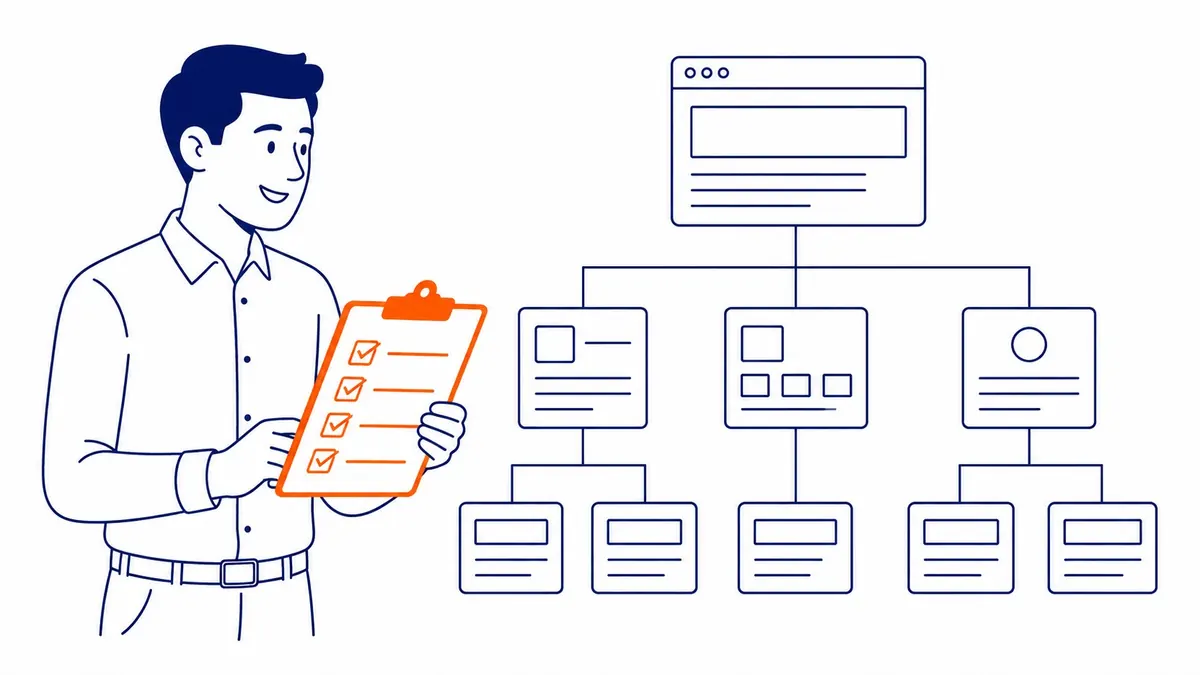
Location targeting lets a Calgary business aim its ads at the area it serves, whether that is the city, a radius around a shop or a list of communities such as Airdrie, Cochrane and Chestermere. By default, Google’s “Presence or Interest” setting reaches people who are in or regularly in those places and also people elsewhere who have shown interest in them. That suits a hotel or an event venue, because a visitor in Vancouver planning a trip to Calgary is a real customer. For a plumber, a dentist or a cleaning company, the narrower “Presence” option is usually the better choice, and Google’s own help page says to consider it when you want to reach people in specific locations rather than people elsewhere who are interested in them.
Ad scheduling does the same job for time. Ads run all day by default, but you can limit them to the hours someone can answer the phone, or raise and lower bids for particular days and hours. A business that loses most after-hours callers to voicemail has little reason to pay for clicks at 2 a.m.

It tests an offer or a market before you commit
Because a campaign can be started, measured and stopped on your schedule, PPC is a fairly low-risk way to test a business question. If you are adding a service, opening in a second city or trying a new price or offer, you can put a real ad in front of real searchers and see whether they click and enquire. A test like this cannot prove that an idea will work at scale, and a weak landing page can make a good offer look bad, but it gives you evidence from real searchers rather than opinions around a table.
The search terms report adds a second layer of value. It shows the actual searches that triggered your ads, along with how each performed, so you learn the words customers use and which ones lead to enquiries. That list is useful long after the campaign ends, both for the wording on your website and for choosing which pages to build for organic search. Google notes that searches with very little volume are left out of the report for privacy reasons, so treat it as a strong sample rather than the full picture.

It keeps you visible while SEO builds
Organic rankings are earned slowly, and a new site or a new service page may take months to rank for competitive searches. During that time, PPC can keep the business visible for the searches that matter most, and the two work well together because PPC data shows which searches convert while SEO builds the position you do not pay for per click. A business that already ranks well organically for a search may decide it does not need ads there, while one that ranks nowhere yet has a stronger case for paying to appear in the meantime. The keywords that turn out to convert in PPC are also a sensible shortlist for the pages you build or improve first, since you already know those searches bring in customers rather than just visitors.
What the numbers can look like: an illustrative Calgary example
The figures below are assumptions chosen to show the arithmetic, not benchmarks or results from any real account. Imagine a Calgary furnace repair company that sets a Google Ads budget of $1,500 a month, which works out to an average daily budget of about $49.34.
| Step | Assumed figure | Result |
|---|---|---|
| Monthly ad spend (before GST) | $1,500 | |
| Average cost per click | $6.00 | 250 clicks |
| Clicks that become a call or form | 8% | 20 leads |
| Cost per lead | $1,500 ÷ 20 | $75 |
| Leads that turn into booked jobs | 1 in 3 | about 7 jobs |
| Ad cost per booked job | $1,500 ÷ 6.67 | about $225 |
| GST added by Google (Alberta, no registration number on file) | 5% of $1,500 | $75 |
Whether that is good news depends entirely on the business. If a typical job leaves $400 of gross profit, the ad spend is paying for itself before any management fee or other costs; if it leaves $150, the same campaign is losing money, even though the clicks, leads and jobs look the same on the dashboard. A management fee, if someone else runs the account, sits on top of the ad spend. Your own cost per click, conversion rate and close rate will differ, and they are the three numbers worth tracking from the first week.
What PPC cannot do for a business
PPC finds demand, but it does not create it. If very few people search for what you sell, a bigger budget mostly goes unspent, and higher bids only buy the same few clicks at higher prices, and display, video or social campaigns that build awareness may be a better fit. It also cannot fix the page people land on. When the landing page is slow, vague or hard to use on a phone, the ads simply deliver more visitors to a page that turns them away.
The traffic is rented, too. When the campaign stops, the clicks stop with it, and nothing carries forward except what you learned and the customers you won. Thin margins are the other common problem, because when the profit from a sale is smaller than the cost of winning it, PPC only makes the loss happen faster. Before spending, it is worth running a break-even test on your own numbers, which works out the most you can afford to pay for a lead from your profit per sale and close rate.

Getting PPC to help your business
PPC helps most when four things are true: people already search for what you sell, you know what a customer is worth, the landing page answers the searcher’s question, and every call and form is measured. When those are in place, it gives you a fast, adjustable and measurable source of enquiries that complements the slower work of ranking organically.
Founded in 2007, SEO Company To-The-TOP! is a Calgary practice, Google Ads certified, and run by one person who does the client work, with no junior handoffs. If you are weighing Google Ads management, ask any provider, To-The-TOP! included, for the management fee and the ad spend as two separate numbers before you compare offers. To talk through whether PPC fits your business, call (403) 308-5949.

Contact Calgary SEO Company To-The-TOP!
Questions about anything in this article, or about your own rankings? Talk to a Calgary SEO specialist directly.
Phone: (403) 308-5949
Address: 1509 14 Ave SW, Calgary, AB T3C 0W4
Hours:
Monday to Friday: 10:00 am – 7:00 pm
Saturday: 12:00 pm – 4:00 pm
Sunday: closed