
How Does SEO Benefit Other Marketing Channels?
SEO hands your other channels a few obvious things. Keyword data your ad writer can borrow. A blog post the newsletter can quote. One landing page the campaign points at. All real. Still just the small half of the answer.
SEO Company To-The-TOP! has run both sides of that trade since 2007. The bigger benefit points the opposite way from how the question sounds. It runs outbound. Downhill, in fact.
Here is the part the standard list misses. Your other channels do not need SEO to hand them a resource. They need SEO to be standing somewhere later, catching what they could not close.
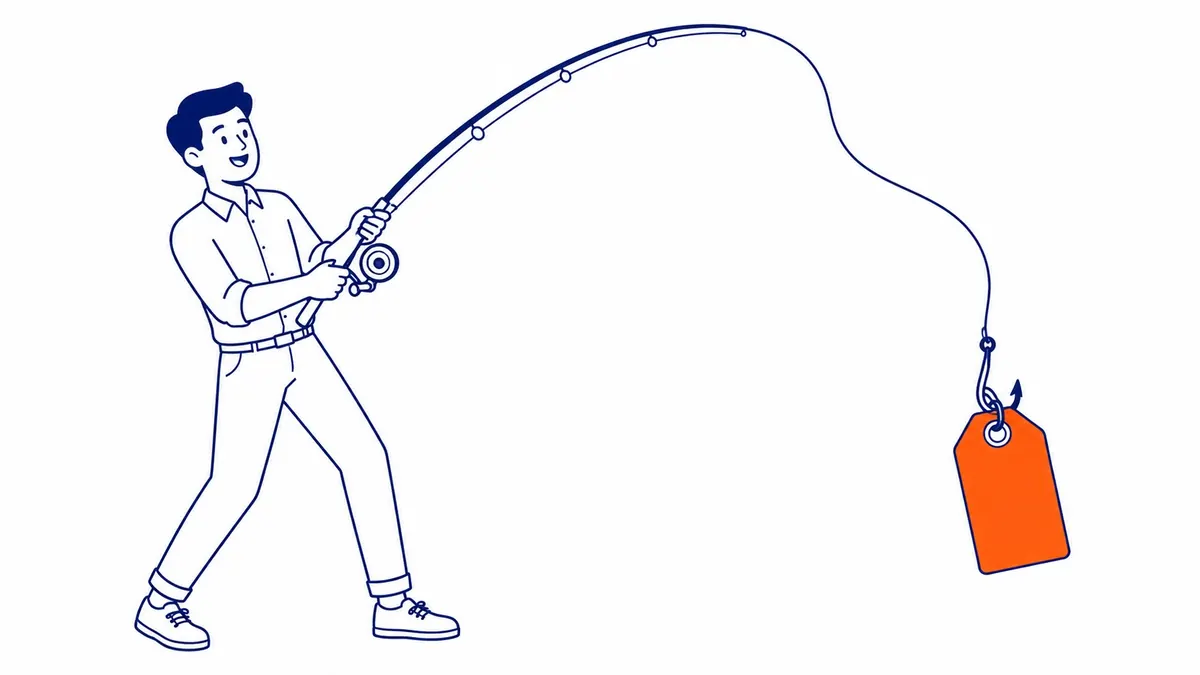
The List of Things SEO Hands Over Is the Small Half
Start with the borrowing, since it is real. The terms actual customers type turn up in your keyword research. That same list sharpens the wording in a paid headline or an email subject. A page that earns its ranking gets cut down into three social posts.
It is just not the interesting half. Every guide on this site already covers it from the other side. How content feeds rankings. The way paid clicks become keyword intelligence. How social widens a reach that Google later collects.
This page is about the trade nobody writes down. Search, quietly working for a billboard it never saw.

What This Page Leaves to the Other Guides
Plenty of the cooperation story lives elsewhere, and it stays there.
What content marketing gives back to search engine optimization has its own page. So does what a Google Ads account teaches your organic strategy. Social working with organic. Email and organic sharing one subscriber. All held on other pages.
Nothing below argues that the channels help each other. That much is settled. This asks a narrower thing. Which way does the favour actually run. Picking SEO or social marketing with one budget is a different question again.

Every Other Channel Creates a Want It Cannot Answer
Think about what a billboard does to a person. It reaches them at a bad moment for buying. Driving to work. Halfway through a podcast. Scrolling a feed on the couch at night.
Something lands. A name. Or a problem said out loud. Some service they did not know existed. The want is real now. Yet the moment is wrong. Nobody pulls over to buy a furnace.
So the want does not get spent. It gets parked. A parked want tends to come back the same way. The person goes looking.
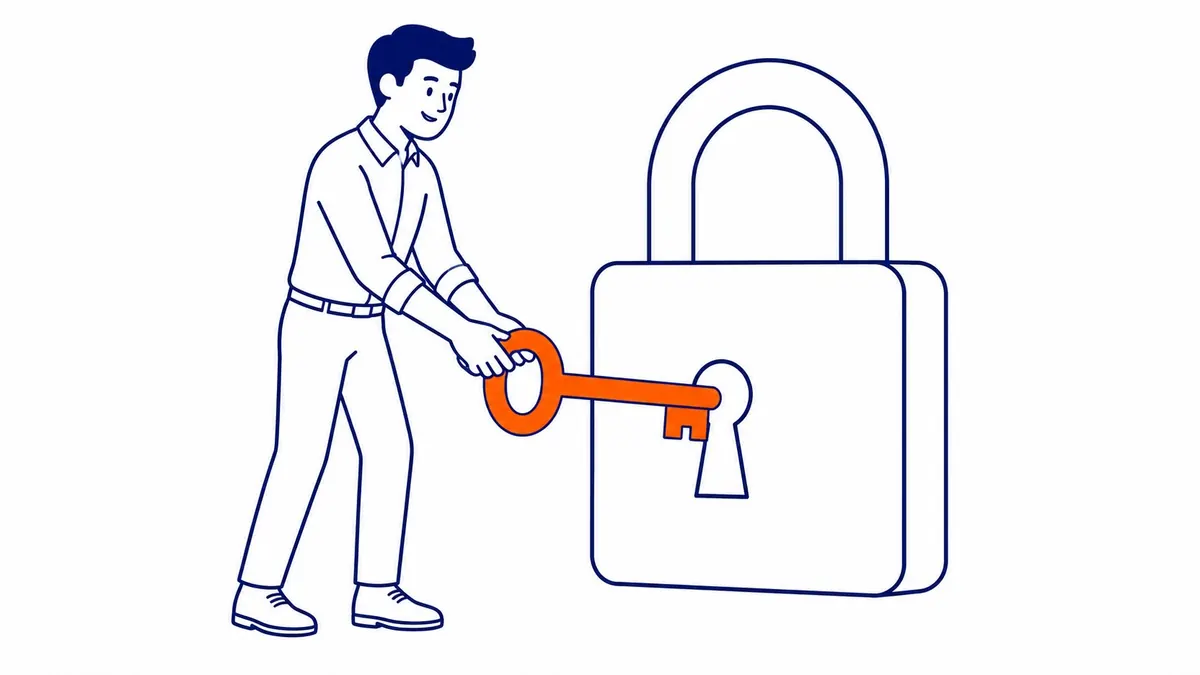
A Billboard Cannot Be Clicked
Most channels have no way to close in the moment they land.
A billboard cannot be clicked. Neither can a radio spot. A podcast read cannot either. Nor the side of a bus. Even the ads that can be clicked mostly are not. People glance at a Facebook ad and scroll straight on. The name can still land. Then they look you up once they are ready.
Where do they look? The same box, every time. They type your name into a search bar. Or the thing you sell. That search is the deferred half of the campaigns you run.
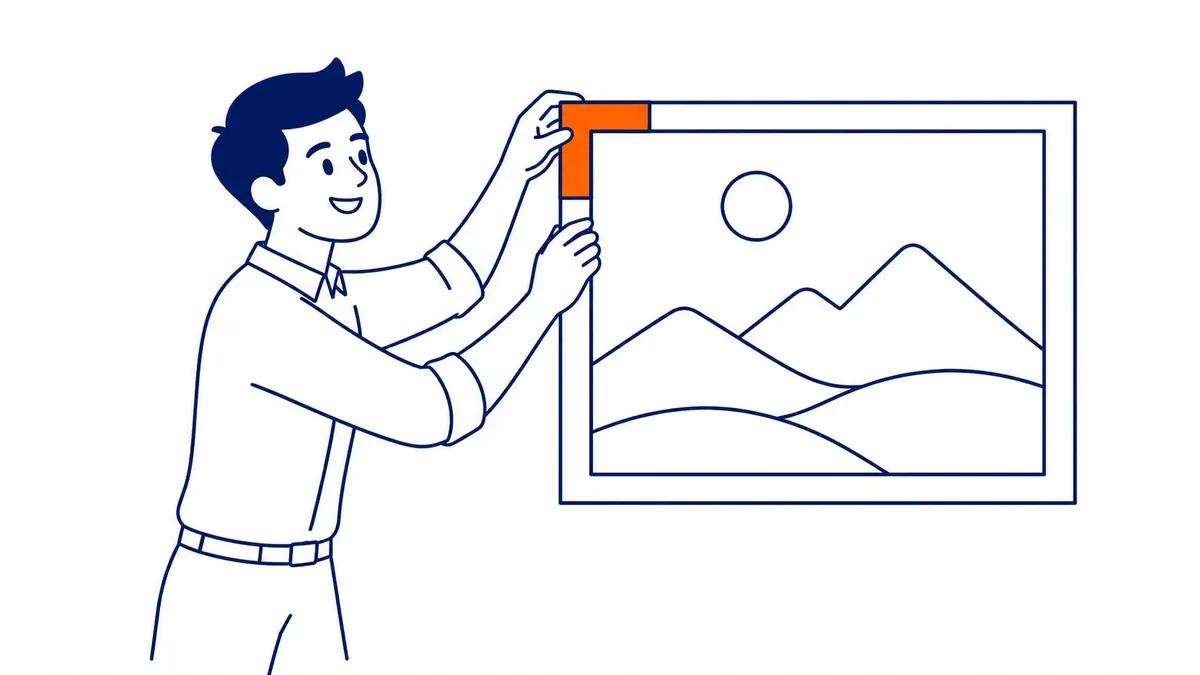
Search Is Where a Deferred Want Comes to Land
So picture the full path. A channel creates the want. Time passes. The want turns into a search. That channel sits at the far end of the delay, waiting.
SEO does not feed your other channels. It finishes their sentences. The billboard opened one. Weeks later a query reached the end of it. Rank for your own name and your own category, and you were there to answer. Fail to, and the answer came from whoever was.
Nobody searches for a name they have never heard. Something said it first. SEO only reached the end of it.
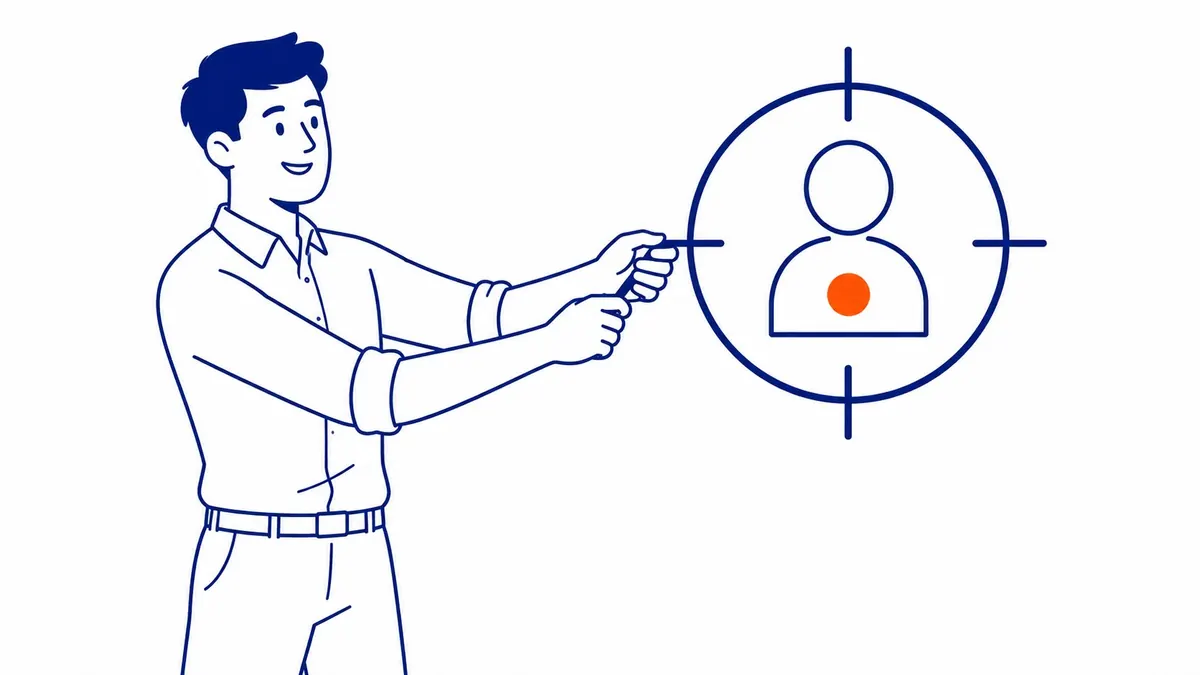
The Favour Runs One Way, Not Sideways
People picture channels helping each other sideways, like teammates passing a ball. The real shape is a slope.
Awareness sits at the top. Every campaign you run rolls one direction from there, toward the moment somebody finally goes and looks. Search sits at the bottom of that slope. Much of what the other channels start ends up rolling past it.
That is why a strong campaign with a weak organic presence feels like a leak you cannot find. The channel worked. A want got created. Then it rolled down to a query, and somebody else stood where you should have been.
The One Thing SEO Cannot Do for Any Channel
Here is the fair half. Search cannot create a want. It can only answer one.
Nobody types a company name they have never met. Nor searches for a product category they do not know exists. That first spark, the reason the query happens at all, gets lit somewhere else. An ad. A friend. Some truck with your logo on the door.
So the other channels are not the junior partner here. They do the one job search physically cannot. That job is starting the sentence. A want has to exist before search can answer it. The benefit is mutual. They open the want. Search closes it. Splitting a budget between them, investing more in SEO or SMO, is the next argument.

See It in Your Own Numbers
None of this is faith. It is sitting in your own reports.
Run a real campaign next month. A radio flight. Maybe a sponsorship. Some big social push, whatever you actually do. Then open Search Console and pull your own brand queries. Watch that line across the weeks the campaign ran.
It climbs, almost always. No lift means the campaign never landed. People heard the name somewhere, then came to Google to finish the thought. That rise is the other channel paying rent into your search account. Direct traffic tells the same story. The campaign created the want. Search collected it.
Run the campaign. Then count how many people typed your name into Google that week. That number was the campaign.
What We Watch for Calgary Clients
A To-The-TOP! client puts money into advertising. We watch more than the campaign’s own numbers. Mostly we watch what happens to their Calgary SEO in the same window. Branded searches. Direct visits. The page somebody lands on after hearing the name elsewhere.
A client running a Google Ads flight usually sees their organic brand queries lift beside it. Those two are not separate budgets fighting for credit. One created demand the other was positioned to catch. Steady website promotion keeps that catching surface wide, so less of what the ads created lands on a competitor instead.
Give it the usual three to six months for the organic side to hold a position worth landing demand on. That timeline does not shorten because you are advertising too.
Run everything at once. Something odd shows up. The channel you can measure cleanly is rarely the channel that closed the sale. That muddle is why whether SEO counts as a channel gets argued about at all.
Common Questions About SEO and Your Marketing Channels
Does SEO really help my other marketing channels?
Yes, though not the way most people expect. SEO rarely hands the other channels a tool they could not get elsewhere. What it does is catch the demand those channels create and cannot close on the spot. A billboard makes somebody curious. The query, days later, is where that curiosity gets spent.
Which marketing channel benefits most from SEO?
Whichever one creates the most awareness without a way to close it. Radio, out-of-home, podcasts, sponsorships. Those channels leak much of their audience into the results, so a solid organic presence recovers the most from them.
Can I run PPC ads and SEO at the same time?
Yes, and they help each other when you do. Paid ads buy the awareness fast. Organic listings catch the people who saw the ad and looked you up later instead of clicking. Watch the brand queries climb while the campaign runs and you can see the handoff happening.
How long before SEO starts helping the other channels?
The catching only works once you rank for your name and category, which takes the usual three to six months. Advertising before then still creates the want. It just risks handing that want to whoever already ranks.
Does social media count as a channel SEO helps?
Yes, in both directions. Social spreads the name and the ideas, which sends people to look you up later. Search returns the favour by giving those posts a ranked page to link back to. Reach is social’s job. The catching, weeks on, belongs to search.
Contact Calgary SEO Company To-The-TOP!
Questions about anything in this article, or about your own rankings? Talk to a Calgary SEO specialist directly.
Phone: (403) 308-5949
Address: 1509 14 Ave SW, Calgary, AB T3C 0W4
Hours:
Monday to Friday: 10:00 am – 7:00 pm
Saturday: 12:00 pm – 4:00 pm
Sunday: closed