
How Often Should I Update My Website for SEO
No fixed schedule works for every page when deciding how often to update your website. High-traffic, high-value pages deserve quarterly updates. Everything else, once or twice a year suffices.
Updating existing pages differs from publishing new content. This is about keeping what already exists genuinely current, not adding more.
Why Updating Existing Pages Actually Matters

Outdated information on an existing page erodes user trust quickly. Especially when statistics have genuinely changed. Prices and industry details too.
Google’s algorithm favors genuinely fresh, accurate content for topics where recency matters. Pricing and statistics, especially. Rapidly evolving industries too.
Quietly over months, a page ranking well today can decline, when competitors update their own content and a page just sits untouched.
Which Pages Actually Need Frequent Updates

High-traffic pages generating real business value deserve priority, since even small ranking improvements there produce meaningful returns.
Pages covering time-sensitive topics need updating far more often than genuinely evergreen content. Pricing, statistics, industry trends, all of it.
For a Calgary SEO client with dozens of service pages, prioritizing the handful driving actual leads beats updating everything equally.
Setting a Realistic Update Schedule

Quarterly reviews work well for a site’s most important, highest-traffic pages, catching outdated information before it meaningfully hurts rankings. Many businesses fold these reviews into ongoing SEO support so they actually happen on schedule.
Annual reviews suit most other content adequately, especially genuinely evergreen pages where core information rarely changes significantly.
Triggering an update immediately after a significant industry change makes more sense than waiting for a scheduled review to roll around. The same applies to paid traffic: when a landing page used for Google Ads changes, the organic version of that page usually needs the same refresh.
What Counts as a Meaningful Update
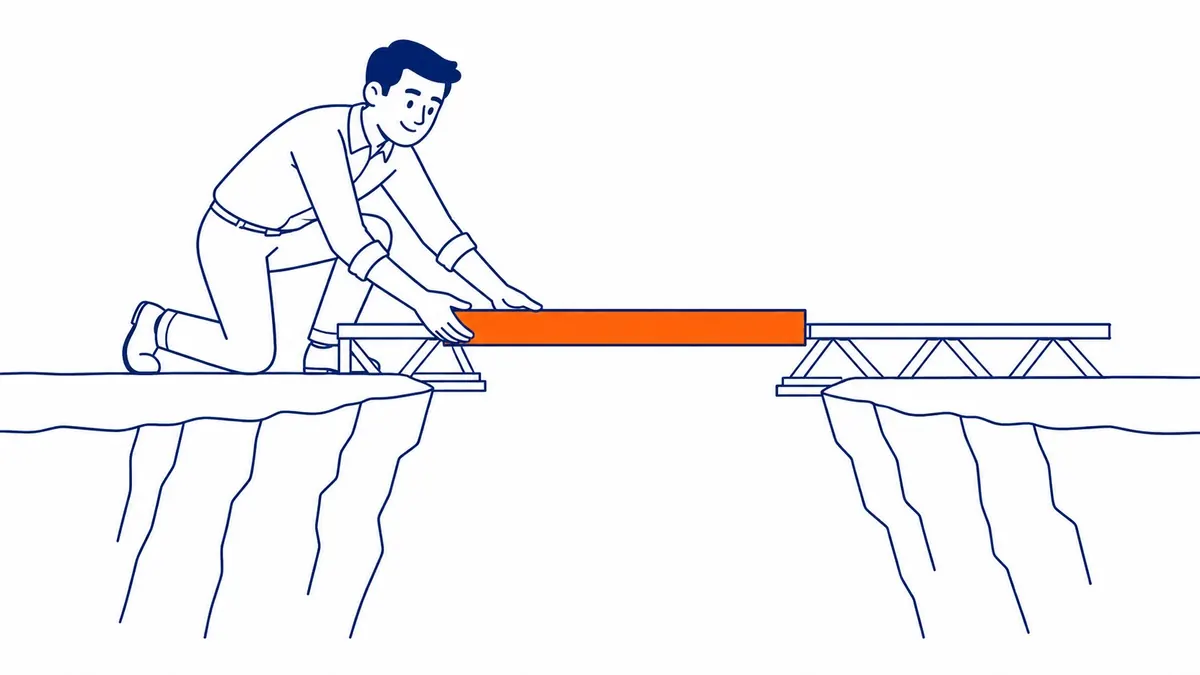
Adding genuinely new information, not just changing a date stamp, is what Google’s freshness signals actually respond to.
A page stays accurate without necessarily requiring an entire rewrite one way. Updating outdated statistics. Fixing broken links. Replacing stale examples.
Better results often come from expanding thin sections with real depth. Not from superficially tweaking a handful of sentences here and there.
Signs a Page Genuinely Needs Updating Now

Declining rankings for a previously strong page often signals it needs a genuine content refresh, not necessarily a technical fix.
Outdated statistics or broken external links, discovered during a routine check, signal a page needs attention regardless of ranking performance.
A noticeable drop in organic traffic to a specific page, without any site-wide cause, often points toward content genuinely going stale.
How Google Actually Perceives Content Freshness

Google doesn’t reward updates for their own sake. Genuinely improved content, with real new information, is what its systems actually respond to.
A content refresh that adds real depth signals genuine effort to Google, unlike a superficial edit that changes little of real substance.
Timely content updates matter noticeably more in certain places. For search queries where Google itself favors recent content, like news or rapidly evolving topics.
Building a Content Update Process That Actually Works

Content maintenance stays genuinely organized over time one way. A spreadsheet tracking every important page, its last update date, its current traffic trend.
Important pages stop quietly slipping through the cracks of a busy schedule one way. Assigning specific content to specific team members for review.
Which content is genuinely losing traffic and needs real attention gets revealed one way. Reviewing Google Search Console data regularly, sooner rather than later.
Balancing New Content Against Updating Old Content

New content expands a site’s overall topical coverage. Updated content protects the value a site has already genuinely earned over time.
A site with dozens of aging, unmaintained pages often benefits more from a content refresh push than from publishing entirely new material.
A site’s overall Google visibility grows steadily, not just holds steady, this way. Splitting real effort between new content creation and updating older content.
Frequently Asked Questions
Should every page on a website get updated on the same schedule?
No, not the same schedule. Quarterly attention suits high-traffic, time-sensitive pages. Most other content needs only annual review or change-triggered updates.
Does updating a page reset its ranking history?
No, updates build on existing ranking signals rather than resetting them, provided the URL and core topic stay the same.
How do I know if a page update actually helped?
Track rankings and traffic for that specific page for several weeks after updating. See a full site audit for a complete content review.
Contact Calgary SEO Company To-The-TOP!
Questions about anything in this article, or about your own rankings? Talk to a Calgary SEO specialist directly.
Phone: (403) 308-5949
Address: 1509 14 Ave SW, Calgary, AB T3C 0W4
Hours:
Monday to Friday: 10:00 am – 7:00 pm
Saturday: 12:00 pm – 4:00 pm
Sunday: closed