
How to Build Backlinks for SEO Without Wasting Months on Tactics That Don’t Work
Backlinks still move rankings. Not the only factor. Consistently one of the heaviest, though. A link from a trusted domain is Google’s version of a vouch.
Most link-building advice floating around is generic filler. Guest post here. Broken-link build there. Half of it barely works anymore, in 2026. Here’s what still moves the needle.
Earn Links With Something Worth Linking To
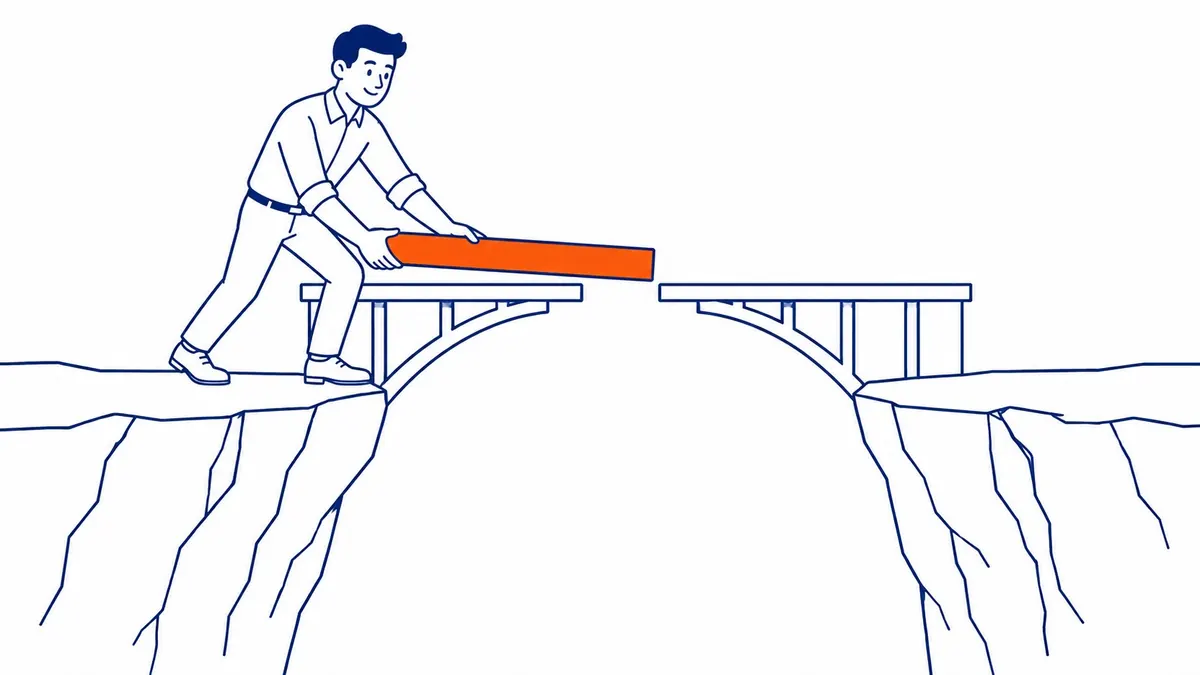
Original data gets links. Original research, tools, case studies. Nobody links to rehashed content. An “ultimate guide” saying what fifty other pages already say earns exactly nothing new.
Run a small survey. Pull real numbers straight from your own client work. Build a free calculator, a checker tool, anything. Give other site owners a genuine reason to reference your page instead of a competitor’s.
Take a Calgary roofing company publishing real repair cost data by season. Links show up naturally from local news and home-improvement blogs. Generic “how to choose a roofer” content? Earns nothing. Says nothing new. The pattern holds across almost every industry. Specificity earns links. Generic filler doesn’t. Take a landscaping business publishing actual soil and drainage data from local projects. It out-earns a competitor’s generic “top 10 tips” post every single time. Journalists and bloggers need something citable. Not something they’ve already read fifty times over. Sharing that data around is where social bookmarking in SEO still earns its keep.
Guest Posting Still Works, Done Right
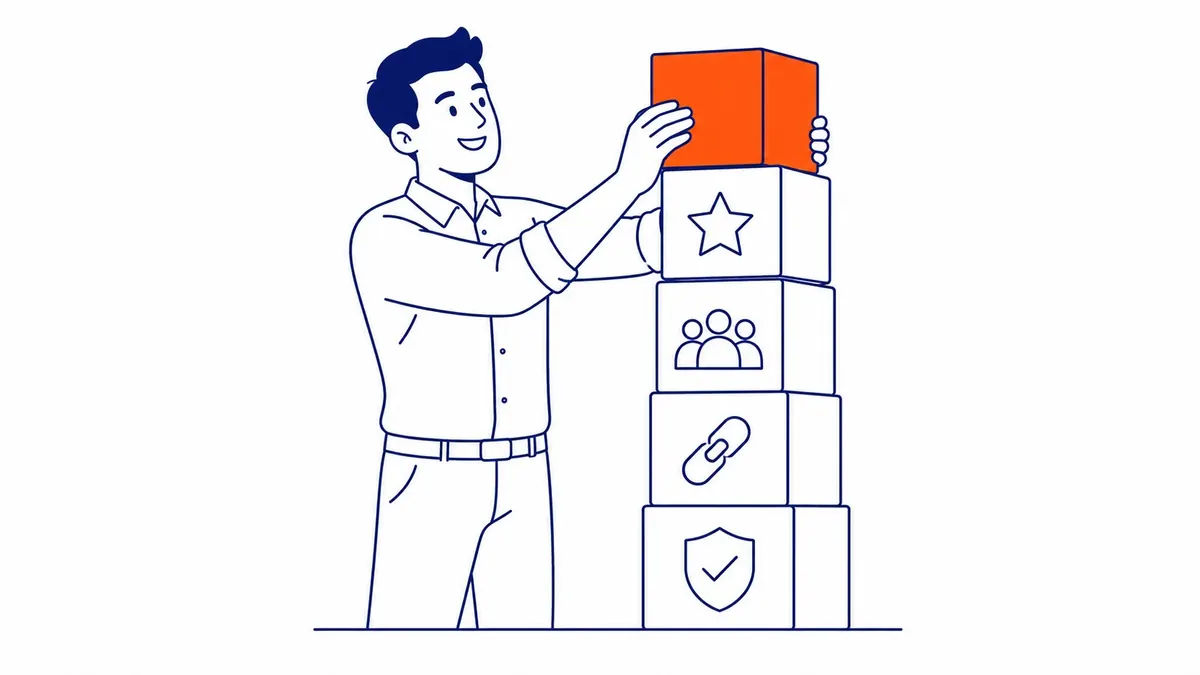
Guest posting earned a bad name from years of spam. Low-quality sites. Paid placements, zero editorial standard. That killed the reputation. Not the tactic itself.
A guest post still earns real link equity, done right, on a genuinely relevant and moderately authoritative site. Look for actual traffic and an editorial process behind the site. Anything accepting every submission with zero review isn’t worth the effort.
Write content genuinely useful to their audience, not a thinly disguised ad dressed up in article form. A single link, placed naturally in the body, does more work than ten spammy placements scattered across directories Google ignores anyway.
Broken Link Building Without the Spam Approach
Find broken links on relevant sites. Offer your content as the replacement. Simple on paper. Most people botch it, blasting fifty identical templates and pulling a two percent response rate.
Personalize every message. Name the specific broken link. Mention the exact page it sits on. Add something specific about their site. A five-minute custom email beats fifty template blasts, every time, in actual response rate.
Ahrefs and Check My Links find broken links at scale, no problem. Outreach quality afterward is what actually decides results. Not the tool.

Digital PR for Real Authority Links
Journalists need sources, constantly. HARO and Qwoted both connect expert commentary to relevant stories. Legitimate outlets link back on a regular basis when the quote lands well.
Genuine expertise is what makes this work best. A Calgary SEO agency commenting on local search trends has a natural angle reporters want. So does an agency weighing in on algorithm updates or small business marketing shifts. Random commentary with zero connection to the story? Ignored.
Response speed matters more than most people realize. Journalists on deadline grab the first solid quote they get. Slow responses rarely make the final piece, no matter how sharp the quote actually is. Every one of those placements is a link, which is where an introduction to backlinks in SEO helps.
What to Avoid Entirely
Paid links violate Google’s guidelines, flat out, no gray area there. Get caught and a manual penalty tanks rankings site-wide, not just on one page. Not worth the shortcut, ever, no matter how tempting the offer looks.
Private blog networks carry the same risk, amplified further. PBN footprints get actively hunted by Google, deindexed in waves. Overnight, links built on that network vanish, dragging rankings down with them. Recovery after a PBN wipe is slow, often incomplete. The domain history behind those links stays flagged permanently in Google’s systems, long after the links themselves disappear.
Reciprocal exchanges at scale look manipulative to Google’s automated detection systems. An odd, natural exchange between genuinely related sites causes no problems at all. A structured “you link to me, I link to you” scheme across dozens of sites gets flagged fast.
Tracking Backlink Quality, Not Just Quantity
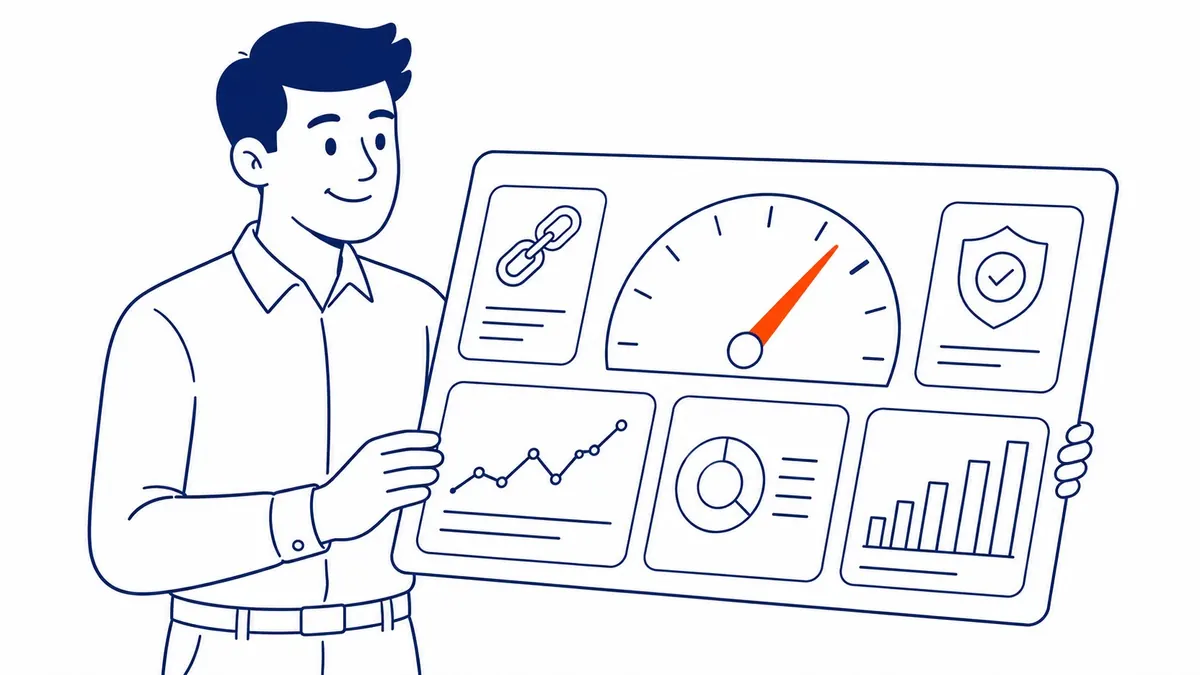
Domain authority gets thrown around loosely in most SEO content. Matters, sure. Only as a rough proxy, though. Less value than expected is what a backlink from a high-authority, zero-relevance domain actually delivers. Raw authority loses to niche relevance more often than not.
Look at the referring domain’s own backlink profile before chasing a link from it. Real value comes through when healthy, natural-looking backlinks feed into that domain. A profile propped up by obvious link schemes signals the opposite. Spammy neighbors drag down a decent domain’s ability to pass equity forward.
Track new backlinks monthly through Google Search Console or a paid tool. Watch for toxic patterns. A sudden spike from unrelated domains often means negative SEO, not organic growth. That calls for a different response entirely.
Content that earns backlinks naturally shares a few traits, usually. Genuinely useful information. A format other sites can cite easily. Data, a list, a clean definition. And enough existing domain authority that other site owners feel comfortable linking to it. Build all three together. Chasing backlinks in isolation rarely compounds the way a full campaign does. Choosing a partner for the most accurate backlink quality assessment saves months of guessing.
Frequently Asked Questions
How many backlinks does a website need to rank well?
No fixed number here. Hundreds of quality backlinks might be needed for competitive terms in saturated markets. Local, low-competition terms sometimes rank on a handful of strong ones instead. Quality wins over raw count almost every time. Ten backlinks from genuinely authoritative, relevant sites usually outperform a hundred from weak, unrelated ones.
How long does it take to see results from backlink building?
Three to six months, typically, is what it takes before meaningful movement shows up. Content quality and site authority both shift that timeline either way. Discovering new links comes first for Google, then evaluating their context, then factoring them into ranking calculations. High-quality link building compounds over that stretch of time. See the SEO blog for more on realistic timelines and content planning.
Are directory submissions still worth doing for backlinks?
Mostly not, a few exceptions aside. Generic web directories carry little to no value now. Industry-specific and local directories, Google Business Profile among them, still carry weight for local SEO. Skip mass directory submission services entirely. They add nothing and can flag a profile as spammy.
Contact Calgary SEO Company To-The-TOP!
Questions about anything in this article, or about your own rankings? Talk to a Calgary SEO specialist directly.
Phone: (403) 308-5949
Address: 1509 14 Ave SW, Calgary, AB T3C 0W4
Hours:
Monday to Friday: 10:00 am – 7:00 pm
Saturday: 12:00 pm – 4:00 pm
Sunday: closed