
Which SEO Agency Offers the Most Accurate Backlink Quality Assessment?
No single SEO agency owns the definitive answer on backlink quality assessment. The real answer lives in methodology, not the name on the invoice. A single tool score alone tells you almost nothing. What separates an accurate audit from a guess is which signals get measured, and how those signals get weighted against each other.
Site owners searching this exact phrase usually want a shortcut. One agency to trust blindly. That shortcut does not exist. What exists instead is a specific set of criteria. Every competent backlink audit should hit each one. A way to test whether an agency actually applies them exists too.
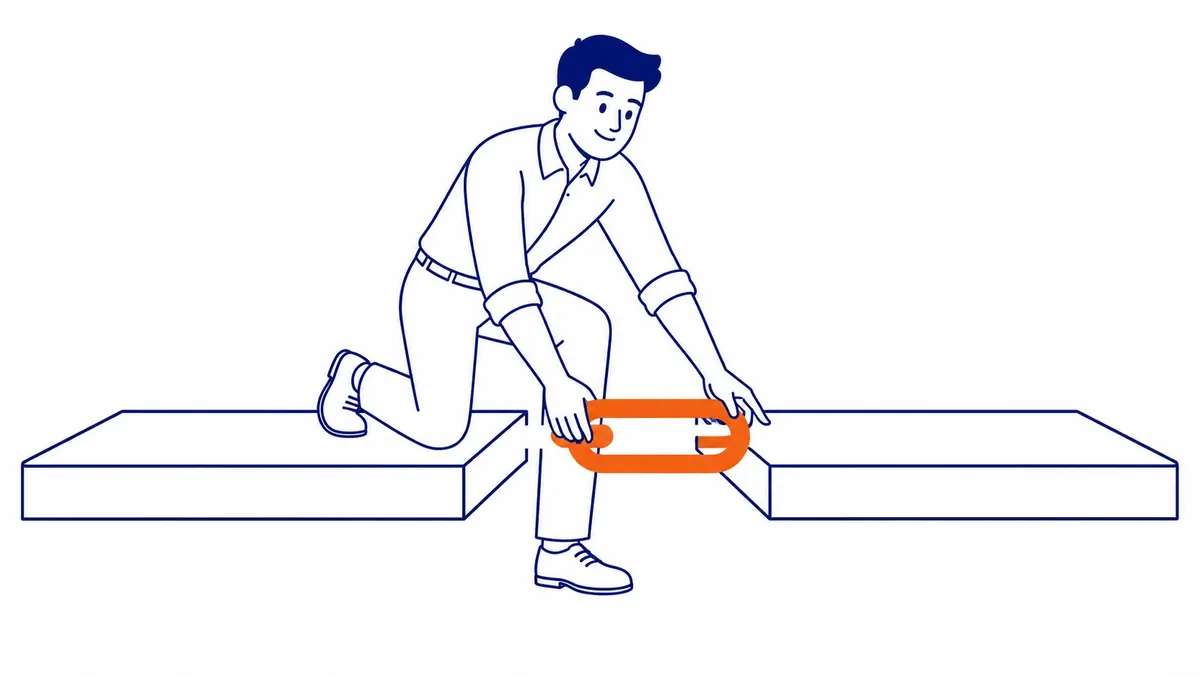
What Accurate Actually Means in a Backlink Quality Assessment
Accuracy is not a Domain Rating number pulled from one tool. One metric in isolation misleads more than it informs. Trust Flow without Citation Flow context. Referring domain count without a look at the actual linking page. Real accuracy comes from combining signals, then applying judgment against the specific site’s niche and history.
A dental practice site and an e-commerce store do not share a risk profile. Neither should get the same disavow threshold by default. An accurate assessment adjusts for niche. YMYL sensitivity factors in too. So does how aggressive the site’s prior link building actually was. Exchange patterns get judged the same way, with reciprocal link explained as the starting point.
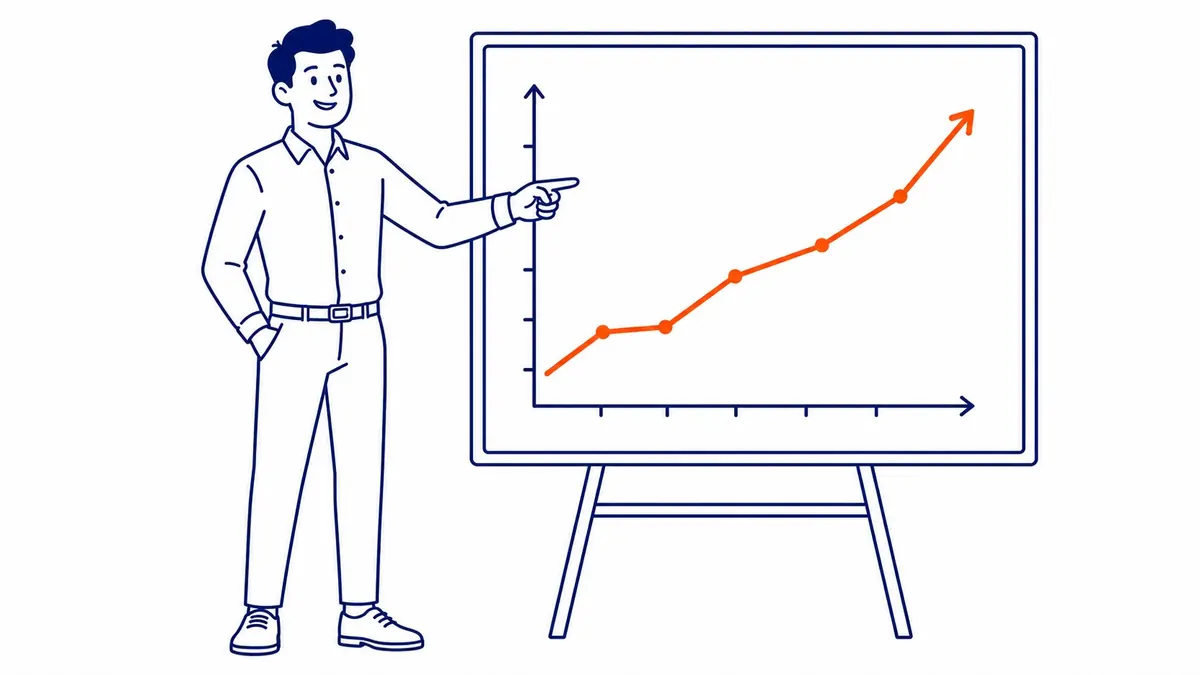
The Metrics That Separate Real Assessment From a Guess
Trust Flow and Citation Flow, read together, catch what neither catches alone. A domain heavy on Citation Flow but thin on Trust Flow signals a link farm more often than a legitimate referrer. The ratio matters more than either number by itself.
Spam-prone TLDs. IP clusters sharing ten or more domains. Named spam patterns repeating across a client’s link profile. Each carries its own weight in a real scoring model. Not a flat pass or fail.
Nofollow links rarely do damage, even at volume. A profile heavy in nofollow often scores safer than the raw spam count first suggests. An agency treating every nofollow link as a red flag is not running an accurate model. It is running a lazy one.
Where Automated Tools Get It Wrong
A spam score pulled straight from a third-party dashboard is a starting point. Never a verdict. Google does not use these third-party scores directly. John Mueller confirmed that publicly. Treating a tool’s spam score as gospel produces false positives on legitimate high-authority referrers.
Google.com. Blogspot subdomains. Regional aggregators indexed oddly by a crawler. All can trip an automated spam flag despite being harmless, sometimes beneficial. An accurate assessment whitelists known-legitimate patterns before scoring the rest. Skipping that step produces a disavow file that hurts more than it helps.
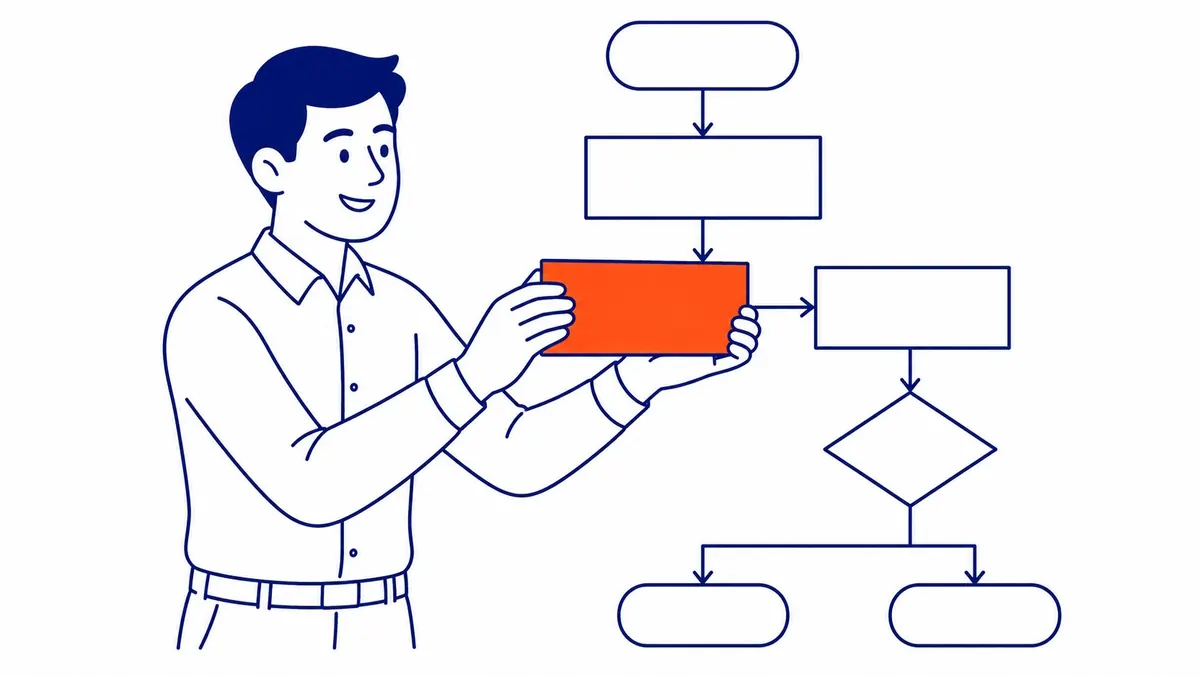
How to Judge Any Agency’s Backlink Quality Assessment Process
Ask what happens after the export gets pulled. A rollup by domain, not by individual link, is the baseline. Anything less misses sitewide footprint patterns entirely.
Ask whether the audit adjusts for niche. A generic scoring model applied identically to a law firm and a landscaping company misses the point. Topical relevance looks different for each one.
Ask for the disavow threshold logic. A number pulled from thin air, or a documented cumulative-risk score with defined bands. One of those survives scrutiny if Google Search Console ever flags a manual action. The other does not.
Ask whether a person reviews the manual-review bucket before anything gets disavowed. An algorithm alone misses context a live page check catches in seconds.

Where This SEO Company Sits Differently
SEO Company To-The-TOP! runs backlink audits on a cumulative-risk model, not a single spam score. Every referring domain rolls up individually. Trust Flow against Citation Flow ratio factors in. So does topical relevance scored against the client’s actual niche, whether that is a dental practice or a landscaping crew. Known spam-IP clusters and named spam patterns get flagged specifically, not lumped into one generic bucket.
Whitelisting runs before scoring, not after. Legitimate high-authority referrers never land in a disavow file by accident. Manual review sits above any disavow verdict before a domain actually goes on the list. One practitioner runs every audit personally, the same person handling the client’s SEO services and Google Ads management account. No handoff to a junior analyst running a template.
Nineteen years of Calgary SEO work since 2007 built that process. Verified client references exist on request. Petro Management Group Ltd. and Career-Holdings are both real accounts, not anonymized case studies on a slide. Audits like that usually start with a definition of negative SEO the client recognises. That same audit process includes a closer look at nofollow links in the profile.
The Real Answer
No agency earns the title of most accurate by name alone. What earns it is a documented methodology. Multiple signals weighted together. Niche-adjusted thresholds. A person reviewing the borderline cases before anything gets disavowed.
Ask any agency to show their scoring model, not just their client logos. The ones with a real answer to that question are worth a second look. Skip the ones without one.
Frequently Asked Questions
What makes a backlink quality assessment accurate?
Combining multiple signals instead of relying on one score. Trust Flow against Citation Flow ratio. Spam-IP cluster detection. Niche-adjusted topical relevance. A documented threshold for what actually gets disavowed.
Should every low-quality backlink get disavowed?
Not automatically. Google’s own guidance points to the disavow tool mattering most after a manual action, or against a clear sustained manipulative pattern. Outside those cases, disavowing rarely moves rankings and can remove links doing no harm.
Do nofollow backlinks hurt a site’s ranking?
Rarely. A backlink profile heavy in nofollow links typically carries lower actual risk. Even when the raw spam count looks high on a first pass.
How is To-The-TOP!’s backlink audit process different?
SEO Company To-The-TOP! scores every referring domain on a cumulative-risk model. Trust Flow. Citation Flow. Spam-IP clusters. Niche-specific topical relevance. All of it factors in, with a person reviewing borderline cases before anything gets disavowed.
What should a business ask before hiring an agency for a backlink audit?
Whether the audit rolls up by domain. Does the audit adjust thresholds for niche. A documented scoring model should exist, not just a flat spam-score cutoff. Ask if a person reviews the manual-review bucket before disavowing anything.
Contact Calgary SEO Company To-The-TOP!
Questions about anything in this article, or about your own rankings? Talk to a Calgary SEO specialist directly.
Phone: (403) 308-5949
Address: 1509 14 Ave SW, Calgary, AB T3C 0W4
Hours:
Monday to Friday: 10:00 am – 7:00 pm
Saturday: 12:00 pm – 4:00 pm
Sunday: closed