
How to Track SEO Conversions
You need something that records the action. Then you need a way to tell which visits arrived from search. That is the setup. Use Google Analytics for both jobs, and Search Console fills in half of the second one.
Point a competent person at it and the work takes an afternoon. So the tracking is not the hard part of tracking SEO conversions. The reports are.

The Setup Is the Small Half
Installing the tag. Marking a form submission as a key event. Recording phone calls, wiring up a shopping cart. All of it is documented already, and this article adds nothing to that pile.
Deciding what counts as a conversion is a separate job. A form fill, a call, a booking, a download nobody ever opens. That question belongs to your business rather than to your analytics account, and it gets answered elsewhere.
What follows is about the part nobody warns you about. Reading the thing afterwards.

Every Attribution Argument Is About Channels
You have probably met the standard argument already. Last-click models hand the whole conversion to the final visit, so organic search gets thin credit for work it genuinely did. Better models spread the credit around. That debate is real. It gets settled elsewhere.
Now notice what every side of it is arguing about. Channels. Organic, paid, email, direct, social.
You have maybe five channels. Meanwhile you have hundreds of pages. And the argument has never once been about those.

The Event Fires Where the Form Is
A conversion is an event. It happens at one moment, on one page, when somebody presses send.
Usually that is your contact form. Sometimes a quote request. Occasionally a checkout.
The report ties the conversion to the visit it fired in. That is all it can do. Nothing else was observed.
So picture the visit before it. Three weeks earlier, a stranger searched for how long SEO takes to work. They landed on an article you wrote and read the whole thing. Then they left. Nothing fired. Later they came back by typing your name, went straight to the contact form and asked for a quote.
Two visits. One conversion. And the conversion sits with the second one.
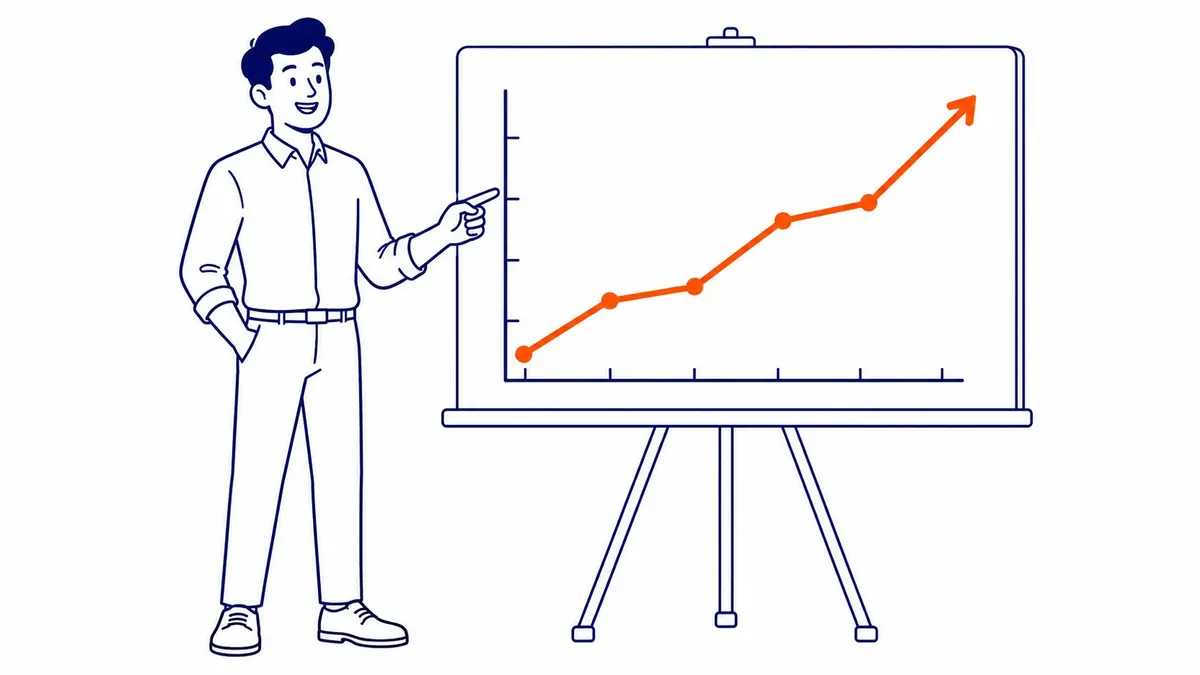
Your Best SEO Page Is Sitting at Zero
That article converted nobody. Zero. The report is correct.
Your contact form shows forty conversions and the report is correct about that too. Yet no stranger ever found you by searching for your contact form.
One page went out and found a stranger. The other recorded what the stranger decided. Both numbers are true, and only one of them describes any search engine optimization work at all.

What the Report Will Quietly Recommend
Sort your conversions by landing page, descending. Read the top. Contact, services, pricing, the free consultation form.
Then read the bottom. Every zero down there is something you wrote in order to be found.
Nobody sits down and decides to stop writing those. Instead you glance at the numbers. Then at a Tuesday that is already full. Your article sits another month, and eventually it stops occurring to you.
The number that talked you out of it was never wrong. It was answering a question you had not asked.

Grade a Page Against the Job You Gave It
Websites do two different things. Some pages fetch people who have never heard of you. Others convert the people who arrive. Almost none do both well, and the two jobs get measured by different numbers.
An entry page is working when a stranger lands on it from a search. That is the whole test. Decide which strangers upstream, with keyword research that makes the article findable at all.
A money page is working when the person who arrives does something. So a services page can pull a thousand organic visits a month and take no enquiries. That is a page problem. Never a ranking problem, and the fix is usually the content rather than the position. A website audit turns that up fast.
One number cannot grade both jobs. Trying anyway is how good pages get quietly retired.

Where This Gets Better, and Where It Does Not
Assisted conversion reports exist, and they are worth opening. They will show you that an earlier visit touched the path. Still, they need to know the two visits belonged to the same person. One cleared browser and the thread breaks. A different device does it too.
Even when the thread holds, the credit gets spread across channels. Not across your own pages. So the blind spot survives the better model, which is part of why it goes unnoticed.
Some conversions never reach your website in the first place. A call placed straight from a map listing, for one. That is a local search question, answered on its own page.
Read the Bottom of Your Own Report
Open your conversions report and break it down by landing page. Then scroll past the good news to where the zeros live, and read the titles.
Mostly that is your blog. Also the guides, the explainers, the piece somebody spent two days on. None of them closed anybody. All of them are doing the job you gave them.
A blog post showing conversions is worth a second look. Something with a buyer behind it is probably ranking. Find out what.
No statistic about other people’s websites tells you a thing about that list. Yours is already on the screen.

What Tracking Is Genuinely For
Untracked SEO turns into an argument that never ends. Traffic went up. Did any of it matter? Nobody in the room can say, so the loudest opinion wins and the budget follows it.
Conversion tracking ends that argument. It tells you whether the work is reaching real people who want to buy something. Set it up early, well before you hire anybody to do the SEO.
Just do not ask it a question it cannot answer. Tracking will tell you the work is landing. It will not tell you which page did the landing. Tracking conversions in Google Ads follows the same rule, and the same limit. Shopify stores wire it up their own way.

Tracking SEO Conversions With To-The-TOP! in Calgary
SEO Company To-The-TOP! has been doing this work since 2007, and reporting on it monthly for most of that time. One specialist handles the account, so nobody hands your reporting to a junior who has never read the pages.
Businesses across Calgary come to us with tracking already installed and nobody reading it properly. That is the common case. We run the same reporting discipline on Google Ads management. There the numbers arrive faster, and the temptation to over-read them is stronger. Keywords we have moved for other businesses sit in our portfolio, positions and all.
No guarantees, and no promises about next month. Search engine optimization takes three to six months before anything meaningful moves.
Somewhere on that list of zeros is the page that brought in last year’s best client. Nothing in the report is ever going to point at it. Worth going and finding out which one it was.
Common Questions About Tracking SEO Conversions
What counts as an SEO conversion?
Any action you decided was worth something, performed by somebody who arrived from organic search. A form, a call, a booking, a purchase. The definition is yours to set, and setting it badly is a common mistake we see.
Which tool should I use to track SEO conversions?
Use Google Analytics for the action, Search Console for the search side. Between them you get most of what you need. Paid tools mostly add convenience rather than truth.
Why do my blog posts show no conversions?
Almost nobody fills in a form on a blog post. They read it and leave, then come back later. The conversion gets recorded on whichever page they were standing on at the time.
Does a better attribution model fix this?
Partly. Data-driven models share credit across visits and across channels, which helps. They still do not tell you which of your own pages persuaded anybody.
How soon will SEO conversions show up?
Traffic moves first, usually within a few months. Conversions lag it, since they depend on volume before the numbers mean anything. Three to six months is a fair expectation, and anyone promising faster is selling something.
Contact Calgary SEO Company To-The-TOP!
Questions about anything in this article, or about your own rankings? Talk to a Calgary SEO specialist directly.
Phone: (403) 308-5949
Address: 1509 14 Ave SW, Calgary, AB T3C 0W4
Hours:
Monday to Friday: 10:00 am – 7:00 pm
Saturday: 12:00 pm – 4:00 pm
Sunday: closed