Is Optimizing Content for AI Search Different From SEO?
Mostly no. That’s the short version. AI search and traditional SEO pull from the same foundation. Clear structure. Real answers. Pages that actually cover a topic instead of circling it.
Edges differ. Core doesn’t. A page built for Google’s organic results still has a decent shot at getting cited by an AI answer engine. Ranking for one rarely hurts the other.
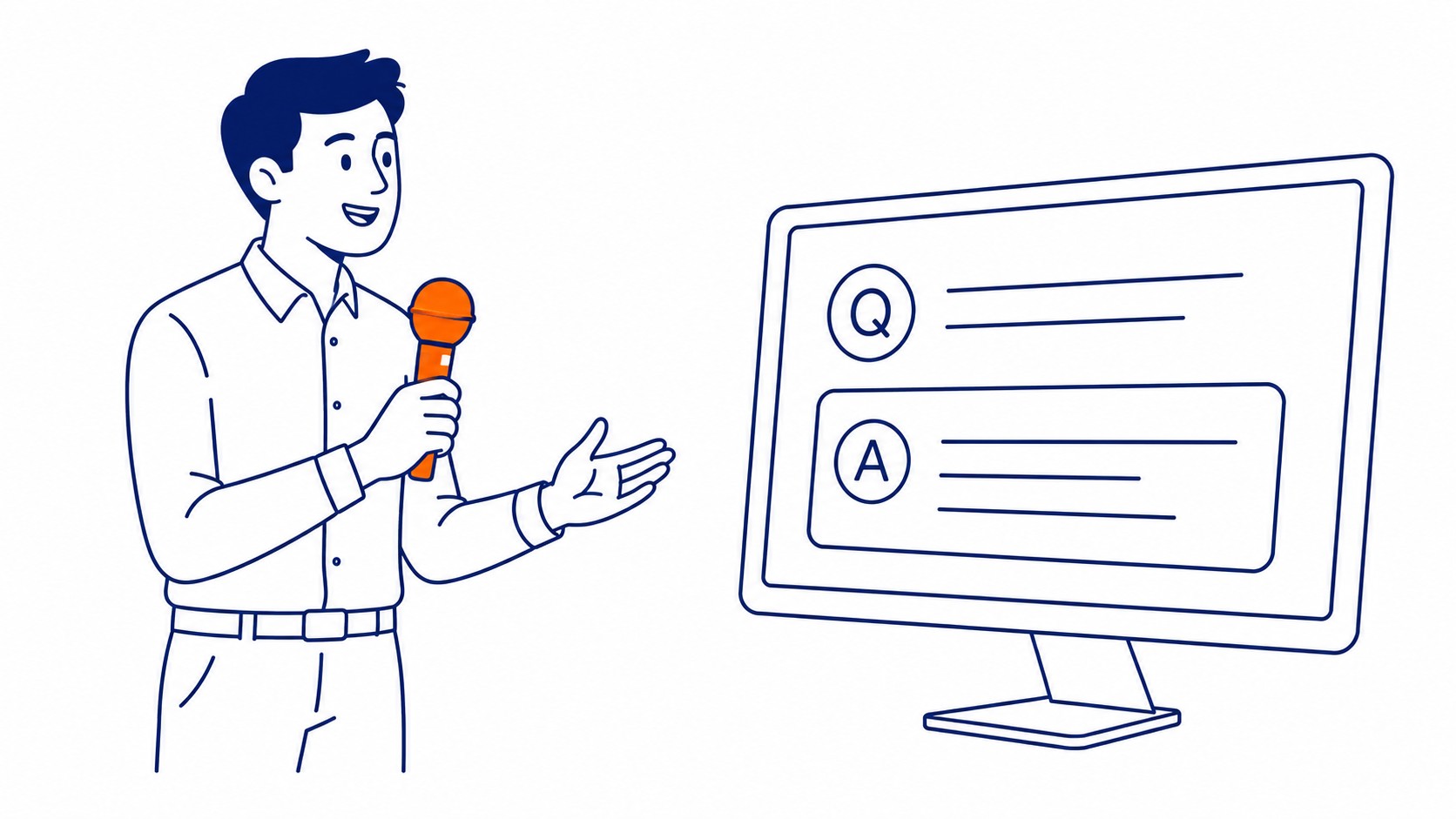
Same Foundation, Different Output
Traditional SEO sends a person to a page. They click, they read, they decide what matters. AI search skips that step sometimes. Perplexity pulls a short answer straight into the response. ChatGPT does the same. Google’s AI Overviews do it too. No click required.
That changes what “success” looks like. A page can get cited by an AI system and never see the visitor in analytics. Frustrating for anyone watching traffic numbers. Real influence still happened. Someone got the answer, and the business behind it got named.
Underneath that shift, the actual content requirements barely moved. AI systems still favor pages with clear structure. Direct answers near the top. Depth that goes past the surface-level definition. That list reads almost identically to what’s mattered for organic ranking for years now. Which means writing for AI search engines is mostly writing well, with the structure made obvious.
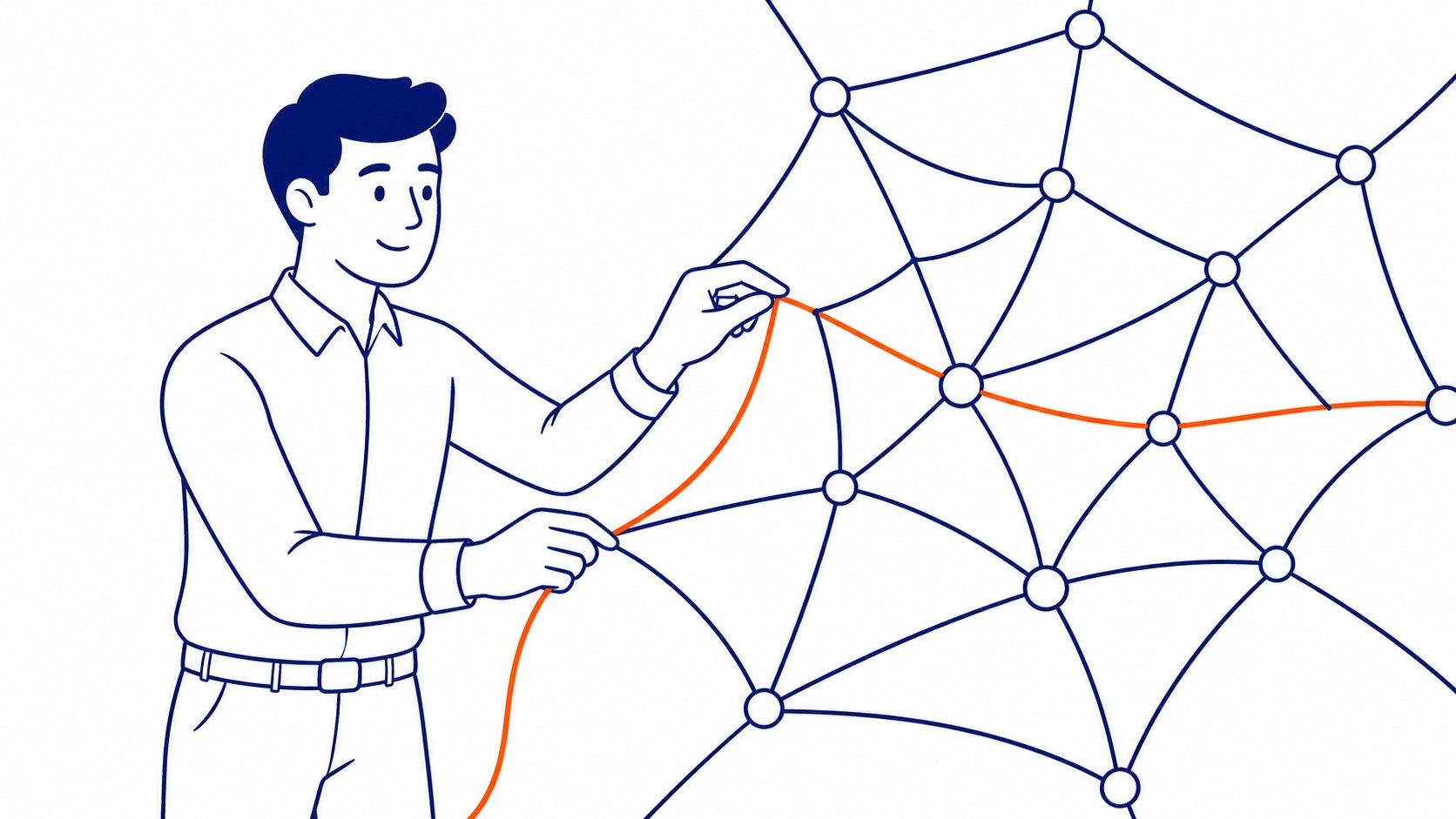
Where the Overlap Runs Deeper Than Expected
Structured data helps both. FAQ schema, article schema, clear heading hierarchy. Google’s crawlers use it. AI systems parsing a page for an extractable answer use it too. One investment, two payoffs.
Authority signals carry over as well. A page with real backlinks and a track record of getting cited elsewhere tends to show up in AI answers more often. Not a coincidence. Large language models get trained partly on what already ranks and gets referenced across the web. Old-fashioned link building still does work here, even if the mechanism looks different than it used to.
Search intent matching hasn’t changed either. A page answering the actual question, in plain language, wins. One stuffed with keyword phrases loses instead. That’s true regardless of which system is reading it. The principle predates AI search by well over a decade.
What’s Genuinely New
Extractability matters more now than it used to. AI systems pull a clean, self-contained answer out fast. Otherwise they move on. A paragraph buried under three levels of vague setup doesn’t get picked. State the answer first. Support it after.
Citation behavior differs by platform too. Perplexity leans toward pages with recent publish dates and clear sourcing. ChatGPT’s browsing tends to favor established domains with consistent topical coverage. Google’s AI Overviews draw heavily from pages already ranking well organically. Three systems, three slightly different sets of preferences, layered on top of the same underlying content quality bar.
One more real difference. Measurement gets harder. Standard analytics won’t show an AI citation the way it shows an organic click. Tools built specifically for tracking AI search visibility exist now. That space keeps shifting month to month. Worth watching, not worth obsessing over yet.
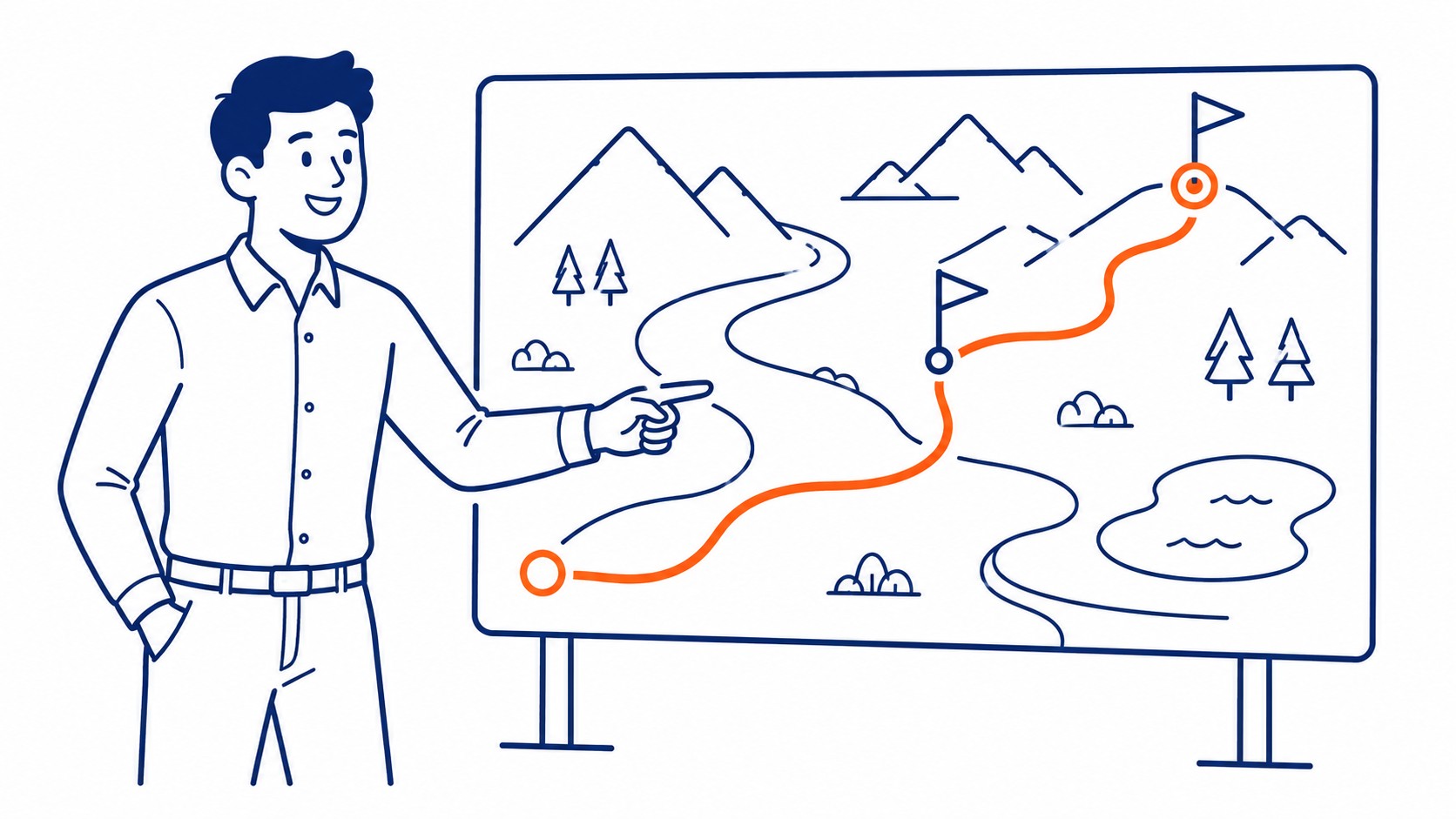
Where This Leaves a Calgary SEO Strategy
Chasing two separate strategies is not necessary. Genuine depth already covers most of it. Clean structure covers more. A direct answer near the top covers the rest. That’s most of what AI search rewards. SEO Company To-The-TOP! builds every page this way. The underlying work barely changes between the two systems.
A website audit often reveals the same gap for both channels at once. Thin service pages. Vague descriptions. No real answer to the question a buyer would actually type in. Fix that gap and both organic rankings and AI citation odds tend to move together.
Keyword research still has a place too, just a slightly different one. Chasing one exact phrase matters less now. Covering a topic from enough angles matters more. A search algorithm and a language model both need to recognize the page as a genuine authority on it. That kind of Calgary SEO page rarely needs a second version built just for AI systems.
Paid channels sit outside this conversation almost entirely. Google Ads management runs on bid strategy and ad copy. Content depth signals barely factor in. The two disciplines solve different problems. They rarely compete for the same budget line.
Nineteen years of watching search evolve teaches one thing above the rest. Whatever the platform, thin content loses eventually. Same story since 2007. No sign of that changing anytime soon. Still worth knowing what AEO vs SEO means before rebuilding anything. Keyword choice still matters underneath all that, and whether keyword strategy affects visibility has a clearer answer than most expect.
Frequently Asked Questions
Do I need separate content for AI search versus Google?
Not usually. A well-structured page answering the question directly tends to perform in both. Separate versions become worth considering only for high-value pages where AI citation traffic specifically matters to the business.
Does ranking well in AI search hurt my Google rankings?
No evidence of that so far. The two channels draw on overlapping signals rather than competing ones. A page performing well organically usually has a reasonable shot at AI citation too.
How do I know if AI search is sending me any traffic?
Standard analytics mostly miss it. Some referral traffic shows up from platforms like Perplexity or ChatGPT directly. A citation with no click leaves no trace in a typical dashboard, though. Newer tools built for AI visibility tracking are starting to close that gap.
Is generative engine optimization a completely separate skill from SEO?
Not really, no. Structure carries over. Depth carries over. Real answers and clean technical setup carry over too. The differences sit in a handful of specifics around extractability and citation behavior, not in the core discipline itself.
Contact Calgary SEO Company To-The-TOP!
Questions about anything in this article, or about your own rankings? Talk to a Calgary SEO specialist directly.
Phone: (403) 308-5949
Address: 1509 14 Ave SW, Calgary, AB T3C 0W4
Hours:
Monday to Friday: 10:00 am – 7:00 pm
Saturday: 12:00 pm – 4:00 pm
Sunday: closed