
What Are Rich Snippets in SEO?
Every few months, a client comes in pointing at a competitor’s listing and asking why it looks so different. One result has stars. A price tag. Maybe a photo. The other is a plain blue link. That gap comes down to rich snippets and whether the site has structured data markup in place.
Standard Google results show a title, a URL, and a short meta description. Rich snippets extend that display. Review stars, recipe prep times, event dates, product prices, FAQ answers: search engines read structured data embedded in the HTML and decide whether to build the enhanced display around it.
At SEO Company To-The-TOP!, structured data has been part of our on-page work for years. Calgary businesses that implemented it early saw real click-through rate gains in competitive results. The advantage has not disappeared. Most sites we audit still have structured data gaps. Understanding what rich snippets are, which types apply to your site, and how to implement the markup correctly is worth knowing before handing it off to whoever manages your technical SEO.

Types of Rich Snippets Google Shows
Not every page type qualifies. Google only renders rich snippets from markup it can validate against the actual content on your page. Knowing which types exist helps prioritise where to start.
Review Stars and Ratings
Ask a local service business what rich snippet they want. The answer is almost always the same: star ratings. Review markup on the page signals the aggregate rating and review count directly to search engines. It displays beneath the title when the markup passes validation.
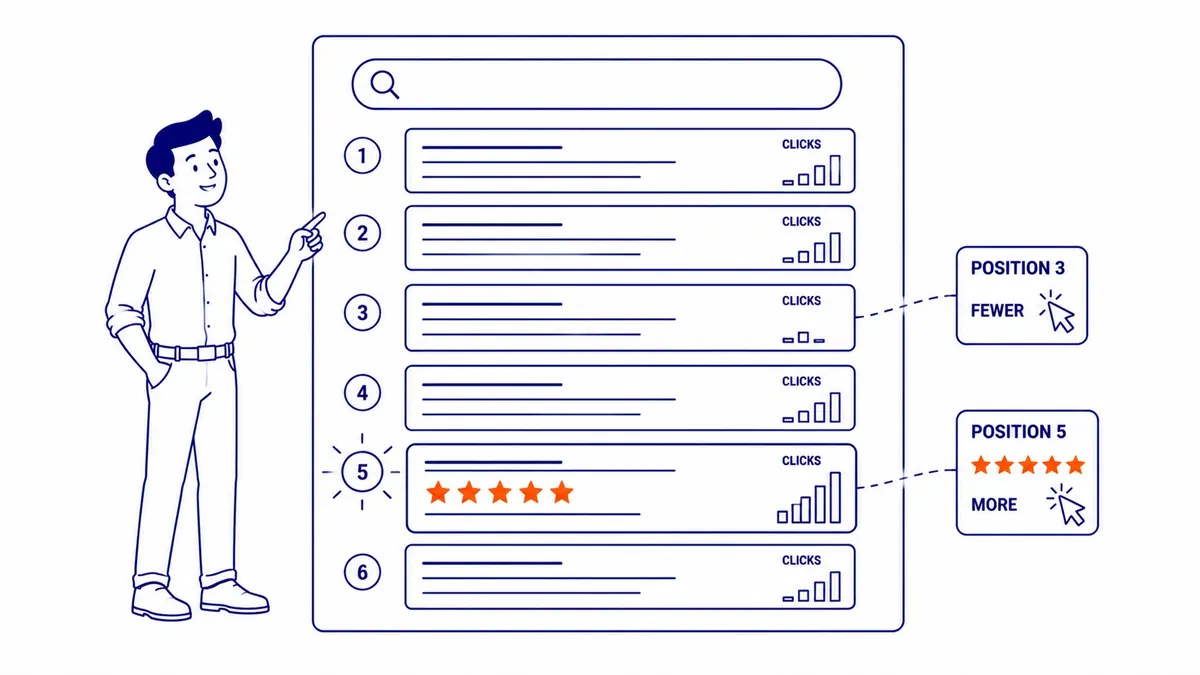
In competitive search results, a listing with four-and-a-half stars tends to pull more clicks than a plain result sitting two positions higher. The ratings signal lands before anyone reads the description. Businesses with consistent review programs benefit most from this schema type.

Recipe, Product, and Event Rich Snippets
Recipe pages can surface thumbnails, prep time, cook time, and calorie data in the search result. Product pages show price and availability; useful because it pre-qualifies intent before the click. Event listings display dates, location, and ticket availability. Course pages show provider names and titles.
Food blogs, retailers, event venues, and training providers that have not implemented schema markup are missing visible presence in results where competitors already show up with enhanced listings. These schema types have been supported for years. Search engines know how to read them.
FAQ Rich Snippets
Pages with FAQ schema show an expandable accordion directly in the search result. Each question from your structured data markup becomes a toggle searchers can open without visiting your page. More surface area in results. Better control over what the listing communicates before any click happens.
Any page already running a FAQ section has a clear case for adding FAQ schema. Minimal additional markup. The payoff is a larger, more informative result standing out in crowded search results pages. Bigger listings are most of the answer to whether schema markup helps SEO.
How to Get Rich Snippets on Your Site
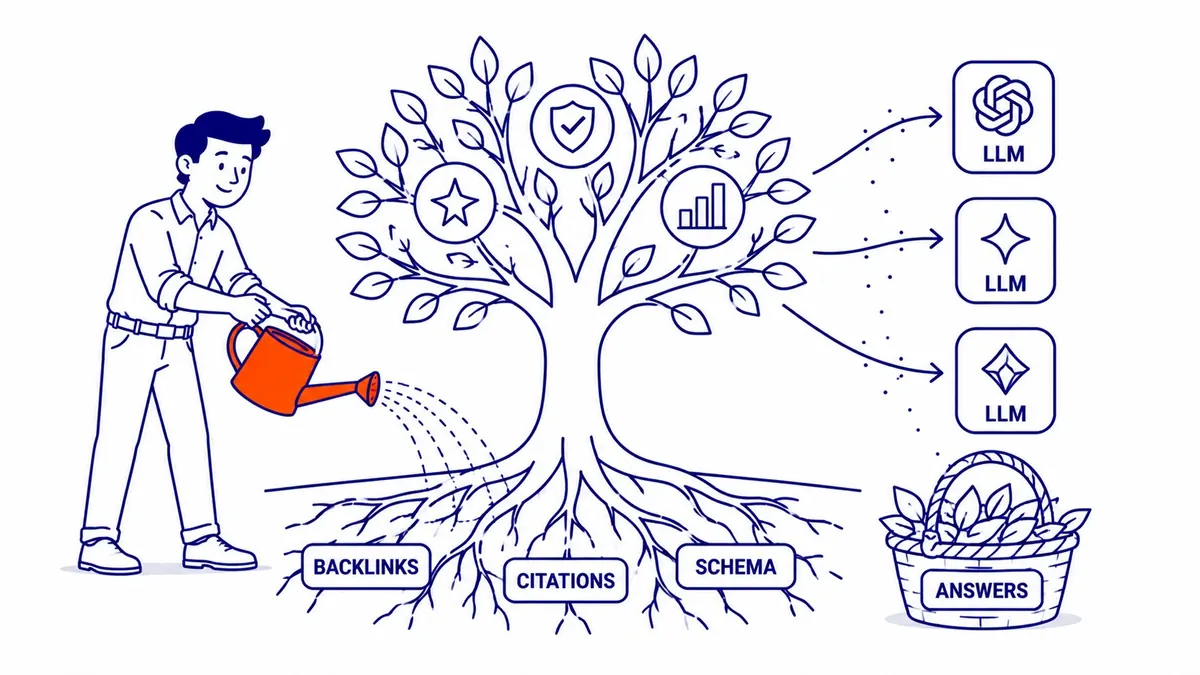
Structured data markup is the mechanism behind every rich snippet Google displays. Schema.org defines the vocabulary. JSON-LD is the format Google recommends; a script block in the page’s HTML, separate from the visible content, that communicates the content type and specific data points to search engines.
The explainer on what is schema SEO covers the markup types that enable most common rich snippet formats.
Workflow: match your content type to a Schema.org type, write the JSON-LD block, embed it in the page, run it through Google’s Rich Results Test. The test confirms which rich results your page is now eligible for and flags any markup errors.
One thing clients often misunderstand: structured data does not guarantee a rich snippet will appear. The algorithm decides. Clean markup that matches the live content on your page is the best path to eligibility. Markup that contradicts visible content gets ignored. Sometimes flagged.
This markup also contributes to Knowledge Panel signals, Google Business Profile consistency, and local search result accuracy. Getting it right across your site compounds over time.
Does Structured Data Help Rankings?
Not directly. Adding schema to your page does not push it higher in results on its own.
What it affects is click-through rate. A result showing star ratings at position five often outperforms a plain result at position three in actual CTR. Stronger click-through at the same position reinforces search relevance signals. Over months, better CTR contributes to ranking stability; indirect, but the connection is there.
Run our website audit over a site and structured data comes back as a line item, which is why it sits on the checklist in the SEO work we do for every client. Schema gaps are usually fast to identify and faster to fix than most on-page SEO work.
What Most Sites Are Missing
Structured data gaps turn up at the start with almost every client we audit, and that pattern holds across our Calgary SEO work, engagement after engagement. FAQPage schema is the most common miss; sites with FAQ sections, no markup at all. Product schema for retailers with no catalogue data connected. Review schema for service businesses with strong Google reviews and no on-site markup backing them up.
When you have your keywords researched, that work, plus the content plan built on top of it, tends to get the attention. Structured data is the layer that gets left until last. Often the easiest win available once you look.
Paid search is a separate channel, right down to the negative keywords Google Ads campaigns need to stay efficient. Even so, structured data quality also affects Shopping Ads and Performance Max campaigns. Worth knowing before dismissing it as purely organic SEO work.

Sites in Parksville SEO, Peace River SEO, and Penticton SEO compete for the same rich snippet placements in local service and informational search results.
Frequently Asked Questions
What is a rich snippet in SEO?
Extra data displayed in Google search results beyond the standard title, URL, and description. Review stars, prices, prep times, event dates. Structured data markup embedded in your page’s HTML signals the content type to search engines; Google builds the enhanced display from that markup when the data qualifies.
The guide on what is SERP in SEO covers the full range of SERP features that rich snippets compete against for visible space.
What is a snippet in SEO?
The visible block under a page title in search results. Standard snippets show a title, URL, and short description from meta tags or your website content. Rich snippets layer structured data on top: review stars, prices, FAQs, event details. Same position in results, more visible presence.
How to get rich snippets?
Add structured data markup to your pages. JSON-LD format is the standard. The vocabulary covers different content types: reviews, recipes, products, FAQs, events. After implementing, validate with Google’s Rich Results Test. Accurate structured data matching your content is the eligibility threshold. Google displays your rich snippets from there; not automatic, but the markup is the prerequisite.
Contact Calgary SEO Company To-The-TOP!
Questions about anything in this article, or about your own rankings? Talk to a Calgary SEO specialist directly.
Phone: (403) 308-5949
Address: 1509 14 Ave SW, Calgary, AB T3C 0W4
Hours:
Monday to Friday: 10:00 am – 7:00 pm
Saturday: 12:00 pm – 4:00 pm
Sunday: closed