What Do You Need to Balance When Doing SEO?
A Calgary client asked this exact question last month, partway through his second month with us. He’d read a HubSpot certification guide framing SEO as one single balancing act. User needs on one side. Crawler needs on the other. That’s the textbook answer. It isn’t wrong. It’s just incomplete. Six separate tradeoffs actually sit inside that one big balance, and missing any of them stalls a site’s progress.
SEO Company To-The-TOP! walks new clients through all six before touching a single page. Skip that step, and a site optimizes itself into a corner. Rankings climb. Conversions flatline. Sometimes the reverse happens instead.

SEO Is a Balancing Act, Not a Checklist
Checklists imply a finish line. Tradeoffs don’t work that way. Push harder on one lever, and another gives somewhere else. A site stuffed with keywords reads worse to actual visitors. One built purely for readability sometimes ranks for nothing at all instead. Neither extreme wins.
Every SEO decision moves a dial, not a switch. Knowing which dial matters most, at a given stage, separates a working strategy from wasted budget. Naming these tradeoffs out loud is where a real SEO strategy actually starts. Pretending only one of them exists doesn’t work.
A new business chasing rankings fast weighs these dials one way. An established company protecting a top-three spot it already earned weighs them another way entirely. The first business can afford some risk. Bold keyword bets. Aggressive content pushes. The second business usually can’t. One wrong move risks a ranking that took years to build. Same six tradeoffs. Completely different starting weight on each one.

Content Quality Against Keyword Targeting
Write purely for readers, and a page might miss every term a customer types into Google. Optimize purely for keywords, and the page reads like it got assembled by committee. Neither version converts well.
Good keyword research finds the terms real customers use. Then it writes around them naturally. A roofing page repeating “roof repair Calgary” three times in one paragraph isn’t optimized. It’s stuffed. One or two natural mentions, backed by phrases people actually search, does the same job without reading like spam.
Readability tools measure something real, sentence length, paragraph structure, plain-language scores. None of that guarantees a ranking. A content piece can score perfectly on every readability metric. It can still miss the actual phrase a customer typed into the search bar. The fix isn’t picking one goal over the other. It’s writing the readable content first, then checking it still contains the terms that matter.
Balancing On-Page Work Against Off-Page Work
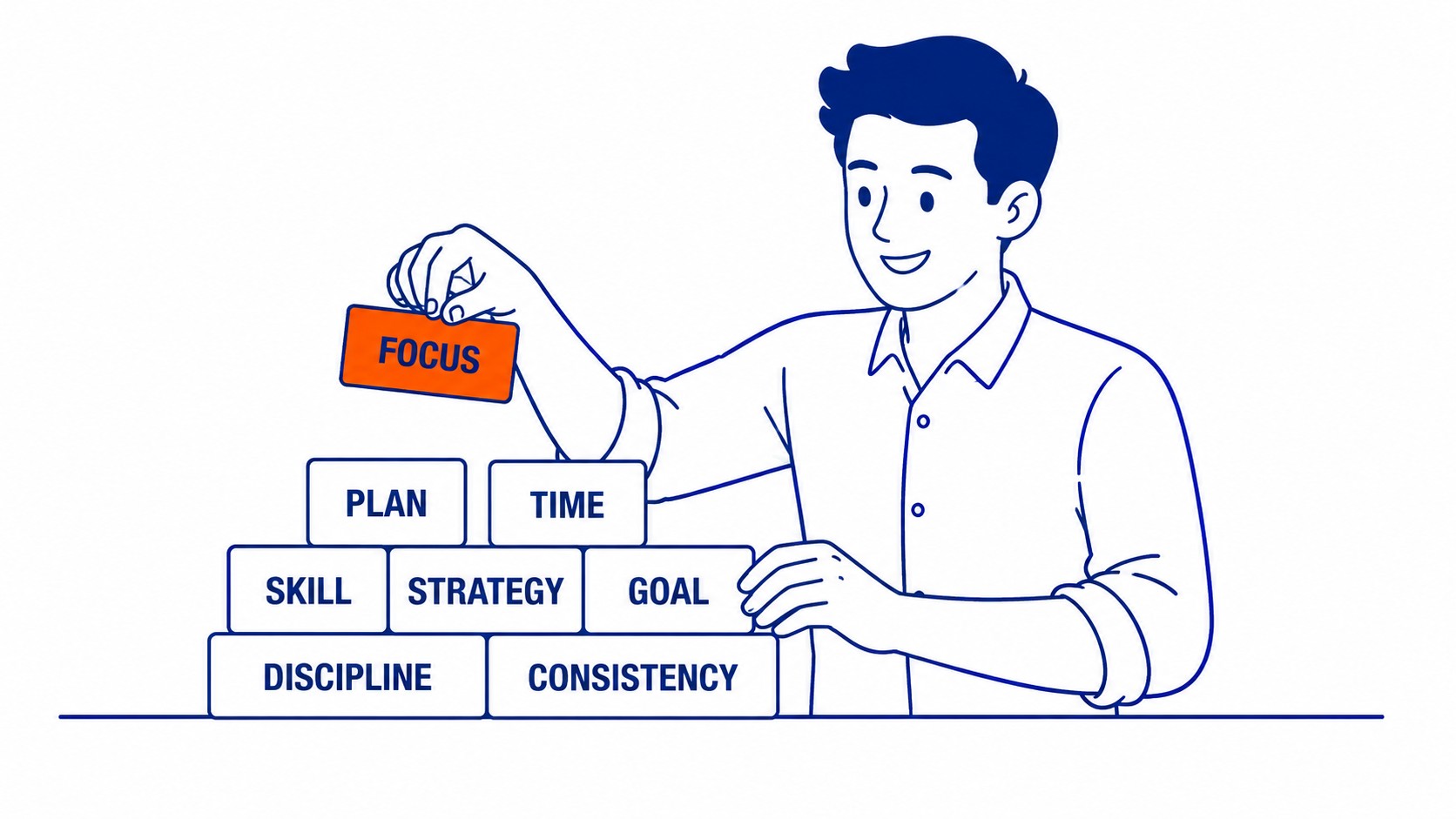
On-page covers everything a site controls directly. Title tags. Heading structure. Internal links. Page speed. Off-page covers what other sites say about it instead. Backlink profiles. Brand mentions. Customer reviews. Both matter. Neither works alone. Search engines still need clean signals from both sides to trust a page at all.
A perfectly optimized page with zero outside signals rarely outranks a mediocre page backed by real authority. The reverse holds too. Strong backlinks pointing at a slow, broken, badly structured page waste most of their value. Fix one side without the other, and half the budget lands nowhere.
A Calgary manufacturing client learned this the expensive way. Two years of link building brought in real coverage from trade publications. Rankings barely moved anyway. The site itself was the problem. Slow load times, thin product pages, no internal links tying related pages together. Fixing the on-page basics took six weeks. Rankings caught up within the following quarter, once the off-page authority finally had somewhere solid to land. Balance like that is most of the answer on SEO marketing plans.

Technical SEO Against User Experience
Technical fixes chase crawlers. Schema markup. XML sitemaps. Canonical tags. Crawl access. User experience chases people instead. Load speed. Mobile layout. Clear navigation. The two overlap more than most owners assume. They aren’t identical, though.
A website audit usually surfaces one side lagging behind the other. Sites passing every technical check sometimes still lose visitors within seconds. The page just feels cluttered or slow on a phone. Google increasingly rewards the human experience over the technical checklist alone. Fixing crawl errors alone solves half the problem. Page speed still needs its own separate fix. A slow site frustrates search engines. It frustrates the people trying to use it just as much. Balance runs through the 4 types of SEO, not just this one pairing. Both fixes belong in the same scope, and that is part of what to know about SEO services.
Balancing Traffic Against Conversions
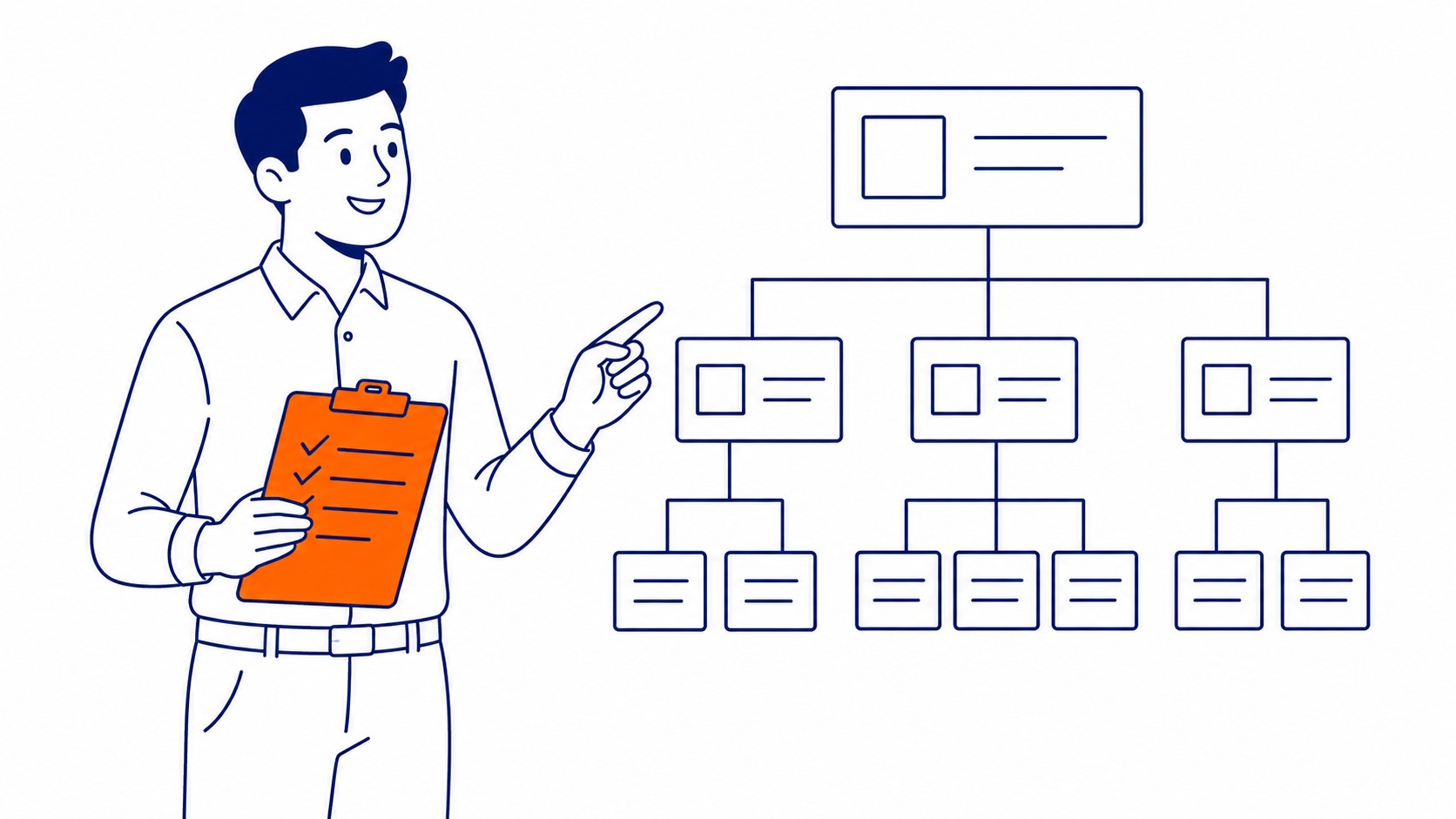
Rankings climbing month over month feels like winning. That isn’t true, not by itself. Traffic without conversions just means more visitors on a page that never asks them to do anything.
We’ve watched Calgary sites double their organic traffic in a year while revenue barely moved. Wrong keywords bring the wrong visitors, every time. A page ranking for “SEO tips” attracts readers. That same spot for “SEO services Calgary” attracts businesses ready to hire instead. Same ranking effort. Completely different result at the bottom line.
Chasing traffic numbers alone flatters a monthly report. Revenue doesn’t move an inch. A conversion-focused page sometimes ranks lower and still earns more business. Buyers get targeted there, not browsers. Watching traffic and leads side by side catches this gap early. A client mistaking empty visits for real growth almost never happens once both numbers sit on the same report.

Link Quality Against Link Volume
Ten backlinks from relevant, trusted sites. Two hundred links from directories nobody visits. The first wins, every single time. Volume used to matter more. Not anymore. Google’s algorithm caught up eventually. Search engines don’t reward raw link volume for its own sake anymore.
Quantity over quality still shows up in outdated proposals. Agencies stuck on 2015 tactics still pitch it. One mention from a respected local publication moves rankings further. A stack of low-value directory links never quite catches up. Quality wins that fight, every time it gets tested.
Spammy link volume can still hurt a site now, where it used to just get ignored. Google’s algorithm flags unnatural patterns fast. Dozens of links appearing overnight from unrelated sites usually gets noticed. That can suppress rankings entirely, rather than reward the count. Slower, targeted outreach costs more time upfront. It rarely needs cleanup later.

Short-Term Wins Against Long-Term Rankings
Paid ads deliver clicks by Friday. Organic rankings take three to six months before meaningful movement shows up. Competitive terms take longer. Both earn a place in the plan. Neither replaces the other.
Our Google Ads management clients often run paid campaigns specifically to cover that gap. SEO work builds toward rankings that keep paying off after ad spend moves elsewhere. Businesses expecting SEO to behave like PPC usually walk away disappointed within weeks. The two run on different clocks entirely.
A launch deadline changes which side wins that balance. A new restaurant opening in three weeks needs bookings now, not a ranking that might land by autumn. An established practice with a decade of local reviews already banked sits in a different spot entirely. SEO can carry more of the weight there. The long game already has a head start.

Balancing Local Relevance Against Broader Reach
Write only for Calgary searchers, and Edmonton customers slip through unnoticed. So do Vancouver ones, right before they pick up the phone. That mistake runs both directions, though. Content written for everyone, everywhere, often reads too generic to rank for anything specific at all. Local relevance still wins most searches with buying intent attached. Every page still needs to speak to the actual audience typing into the search bar. The broader audience further down the funnel matters too. That algorithm reading the page matters a lot less.
Most service businesses get more value from ranking well in their own city. National traffic rarely converts anyway. A national keyword might pull ten times the search volume. One local keyword converts far better, usually. Almost none of those national searchers ever pick up the phone. The local searcher usually does. Search engines increasingly reward pages that state plainly which city they actually serve.

Where To-The-TOP! Draws the Line
Nineteen years of Calgary SEO work taught one lesson above the rest. Every business balances these six tradeoffs differently. Budget shifts the mix. Timeline shifts it too. The competition already sitting on page one shifts it again. A dental practice in a crowded market needs one particular mix. One niche manufacturer with almost no local competitors needs a completely different mix.
One solo practitioner handles every account here. No junior staff shifts priorities between calls. The same person weighing content against keywords also decides how hard to push technical fixes against user experience. Same client, every single month. Nothing gets lost in translation between departments. Monthly reporting shows the actual results of that strategy work. No vague promise about something happening behind the scenes.
Frequently Asked Questions
Is it possible to balance SEO and paid ads at the same time?
Yes. Running both together covers the gap while organic rankings build. Most businesses eventually scale back ad spend once SEO carries more weight, rather than dropping paid ads entirely.
What happens if a website leans too hard into keyword optimization?
Content starts reading like it was written for software instead of people. Visitors bounce faster. Google’s ranking systems increasingly penalize that exact pattern. Rewarding it almost never happens anymore.
How long does it take to find the right SEO balance?
Most sites need three to six months of adjustment. Content needs time to settle. Technical work needs time to settle. Links need the same, before the whole mix actually performs. Competitive industries take longer.
Does balancing SEO priorities cost more than picking just one focus?
Not usually. Spreading effort across six tradeoffs costs about the same as chasing one aggressively. The difference shows up in results that hold steady instead of collapsing once one tactic stops working.
Contact Calgary SEO Company To-The-TOP!
Questions about anything in this article, or about your own rankings? Talk to a Calgary SEO specialist directly.
Phone: (403) 308-5949
Address: 1509 14 Ave SW, Calgary, AB T3C 0W4
Hours:
Monday to Friday: 10:00 am – 7:00 pm
Saturday: 12:00 pm – 4:00 pm
Sunday: closed
