
What Does Friction Mean in SEO?
Friction means anything standing between somebody and the thing they came to do. A form asking for more than it needs. One step nobody expected. An address so long it looks broken.
That is the whole definition, and nobody disputes it. How to reduce it on a landing page, or inside a checkout, gets handled properly elsewhere on this site. So does the workflow kind. None of it gets repeated here.
This page is about the word instead. Where it came from. Then what came across with it, and what quietly did not.
Friction Is a Word Borrowed From Physics
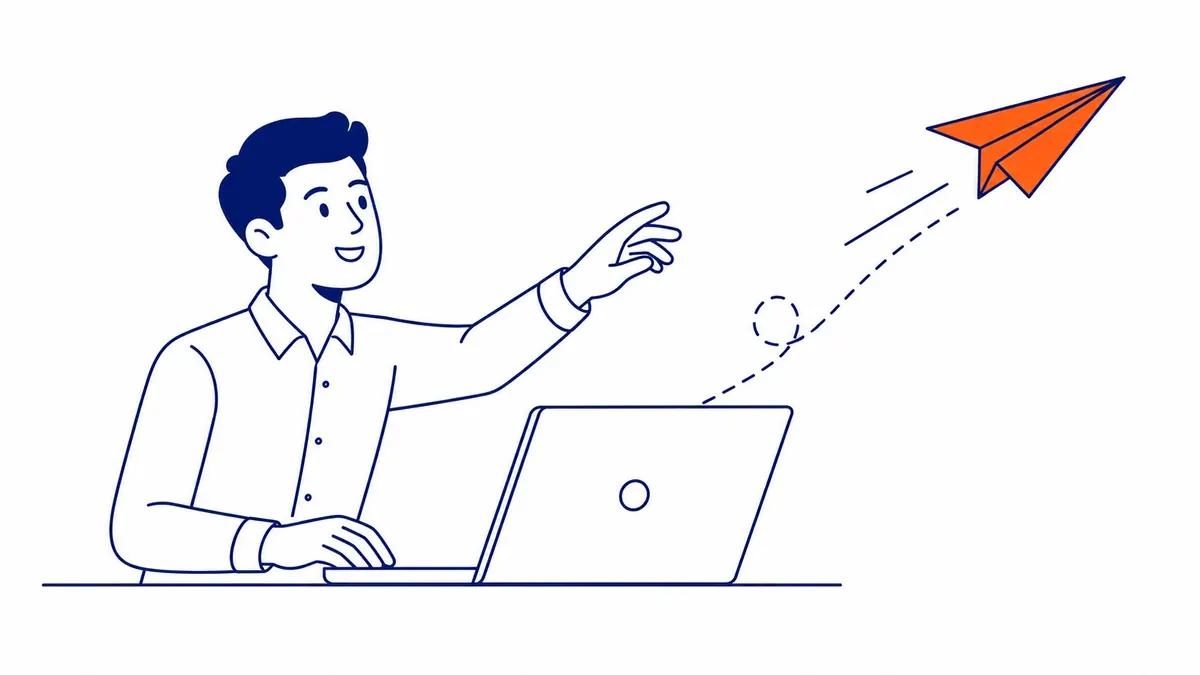
Nobody in marketing invented it. It arrived carrying a precise meaning.
In physics, friction is the resistance between two surfaces sliding against one another. Read that slowly, since two separate facts are sitting inside it.
The first. Friction takes two. It is never a property of one object. A sheet of sandpaper on its own has no friction at all. Put it against wood and now there is plenty. Set it on ice instead and there is almost none. Nothing about the sandpaper changed.
Then the second. Friction is defined against movement. There is no reading to take until something is going somewhere, or trying to.
Both halves came across into marketing. Neither one gets used. Google Ads carries its own borrowed terms, and the basics of ROAS in Google Ads confuse just as many advertisers. Borrowed vocabulary turns up outside marketing entirely, and PPC cement explained is one of the odder examples.
Friction Needs Something Trying to Move
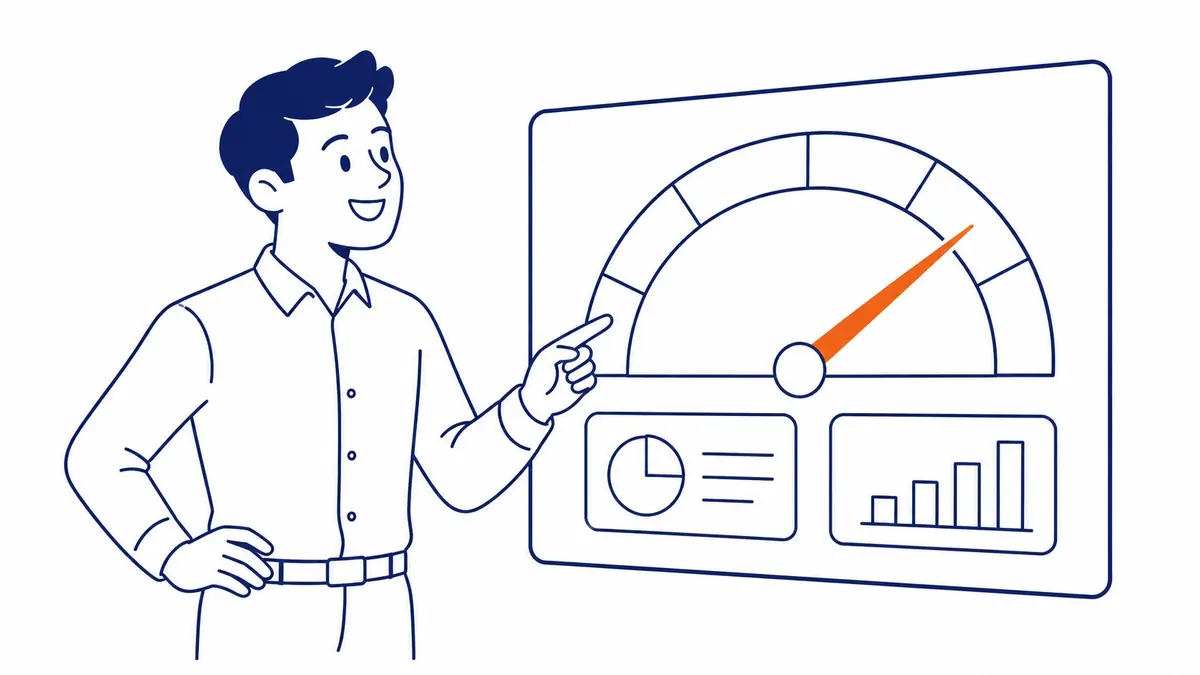
Somebody will point at static friction, the kind holding a box still on a slope. It plainly exists with nothing moving. Quite right.
Only look at what gives it a value. The pull of the slope. Take that away. Lay the box on a flat floor and nothing is left to report. Even the version sitting perfectly still is defined by an attempt to go somewhere.
Which carries better news than anybody expects.
Friction shows up only where something is trying to move. So every friction point on your website is attached to a person who already found you. They already clicked. Then they wanted the thing enough to start.
Somebody who never arrived has no friction with your page. They have nothing at all.
Which makes a friction problem a problem you had to earn. It is a report about demand you already possess, arriving in the shape of a complaint.
That is worth sitting with. A business worrying about its form fields has people reaching the form. Plenty of others would take that trade tomorrow.
Half of It Walked In With the Person

Now the other half, and it is the one people skip.
Friction takes two surfaces. So half of whatever happens at your form was never on your website. It arrived with whoever showed up.
Four fields are nothing to somebody who phoned you last week and had already decided. Those same four fields stop somebody comparing five companies at eleven at night. Same page. The very same fields. Nothing on your side moved an inch.
Which is why a form cannot be graded from your own screen. Open the thing there and you are holding one surface.
The Word Has Already Decided Where They Were Going

Here is the part that costs money.
Friction is defined as resistance to motion. Resistance. There is a direction sitting inside that word, and the direction is wherever the thing was already travelling.
So the moment you call something friction, you have settled a question nobody examined. You ruled that whoever met it was going the right way.
Only that is precisely the thing in doubt.
Take a form field asking about somebody’s budget. It is friction if the person filling it in was a customer. Meanwhile the same field is a filter if she was not. Identical field. The same afternoon, too. Nothing about it changed except who walked into it.
Calling it friction picks one of those before anybody looks. Which makes the word a small ruling wearing the clothes of a measurement.
Somebody Will Say That Is an Excuse for a Bad Form
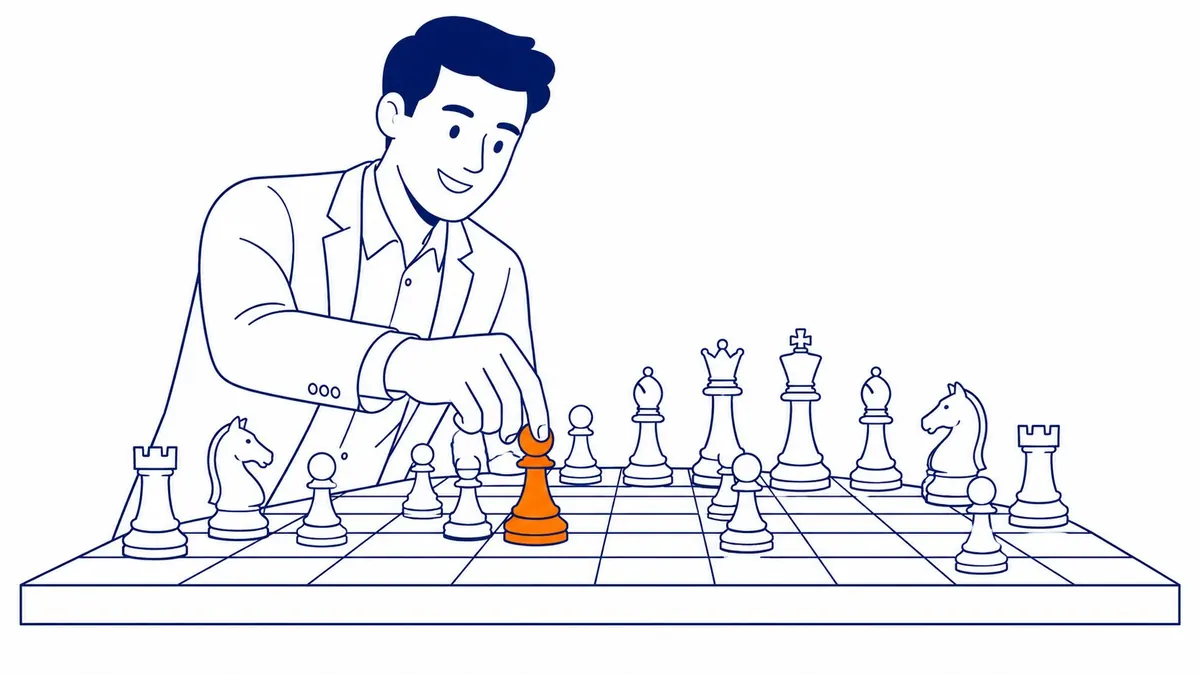
Fair enough, and often it is. A clumsy form is an easy thing to defend as qualification.
So there is a test, and it is short. Name the person that step turned away.
Somebody who genuinely meant to filter tends to manage it in a sentence. They wanted the enquiry from a homeowner rather than a competitor pricing them up. Or they wanted whoever is ready this month instead of whoever is browsing until March.
Anybody who cannot name a soul was never filtering. That is losing people, with a kinder word attached afterwards.
Where the Friction Argument Stops
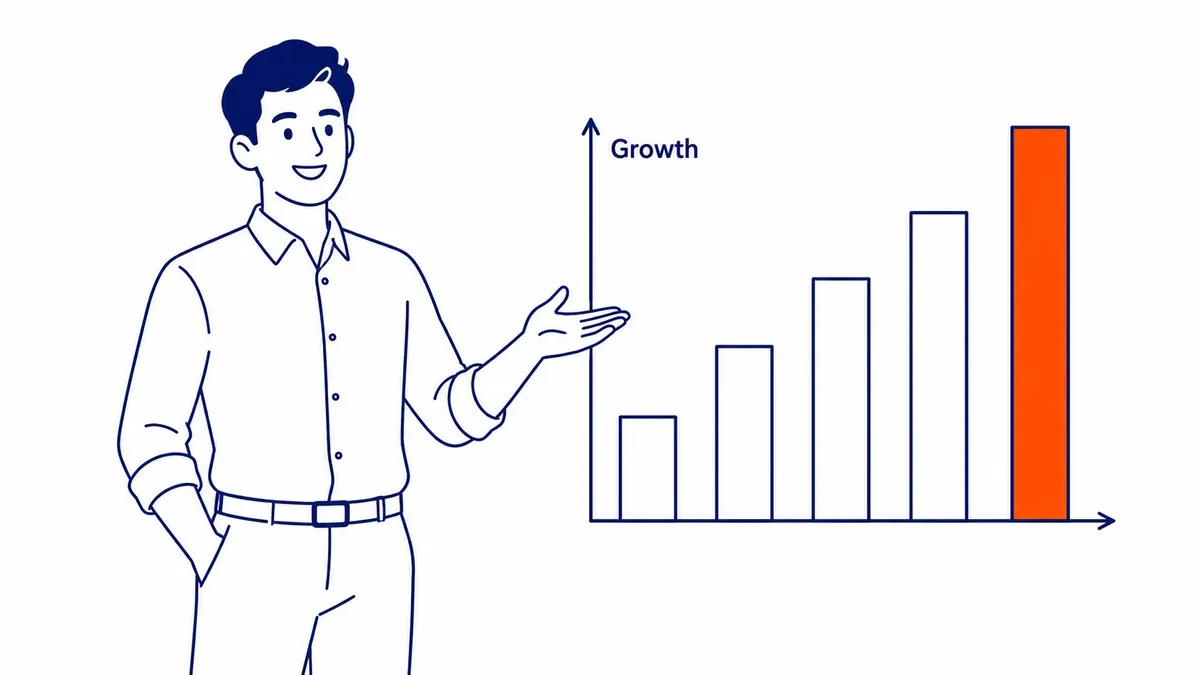
None of this covers most of what gets called friction. The exceptions matter more than the argument does.
A page taking eight seconds to load turned nobody away on purpose. Neither did a form that stopped sending anywhere in March. Nor a button doing nothing on a phone. Nothing broken has ever filtered anybody on purpose.
There the word means exactly what it says, and the instruction is the plain one. Go and fix it. Then stop thinking about any of this.
The argument bites only where somebody chose something. A field somebody decided to ask for. One step somebody put in on purpose. Then a price shown, or held back.
Nor is any of it a claim about rankings. Whether a slow page costs you a position is a separate question. It has an answer of its own, on another page.
Name the Person It Turned Away

Take whatever on your website somebody has called friction. A field. One extra step. A question you ask before quoting.
Then do not ask what it costs you. Ask who it stopped.
Should a person come to mind, and should you be able to say what they wanted, that step is doing a job. Leave it alone. Whatever it costs, it was buying something.
Should nobody come to mind at all, you have your answer. It was friction the whole way through. Take it out this afternoon.
No statistic about other people’s forms settles which of those you are looking at. Yours is on your own screen.
SEO Work for Calgary Businesses

SEO Company To-The-TOP! has been doing this work in Calgary since 2007. Solo, so the person reading your form is the person who worked on it.
That question about a form turns up often enough at To-The-TOP! Usually alongside a worry about traffic. Both get looked at together, since the two rarely separate cleanly. Good keyword research decides who arrives. Then the content they land on decides whether any of them turns into a customer.
No guarantees. Search engine optimization takes three to six months before anything meaningful moves, and anybody promising faster is selling something else. Meanwhile a Google Ads campaign fills that gap, whenever the wait is the real problem. The To-The-TOP! portfolio shows the keywords this work has reached. Small formatting choices matter too, like why bolding matters for a page trying to rank. Site structure comes up just as often, including the reasoning behind RSS feed for content distribution. Hosting setup gets scrutinized too, since a deeper dive on Cloudflare settings can change how pages load. Redirect questions land here too, and the answer on domain forwarding usually settles most of them.
Common Questions About Friction in SEO
Is friction an SEO term or a conversion term?
Mostly a conversion term that search people borrowed. It turns up in three places at once. Reader friction on a page. Buyer friction in a form. Workflow friction inside a team. Same word, three different jobs.
Does friction affect rankings?
Not directly. Nothing by that name is a ranking factor, and nobody outside Google can settle how much any of it weighs. Where it shows up is in what people do after arriving. A page nobody stays on is a page doing badly for reasons that have little to do with the word.
Should I always remove friction?
Only where you can say who it was stopping. A step nobody can attribute to a real person is a step to remove. Meanwhile the one you put in deliberately, to keep somebody out, is doing work.
What is the most common friction people miss?
Often the ones nobody chose. A form field inherited from a template. Or one step somebody added for a campaign years ago. Nobody defends those, since nobody remembers putting them there.
How do I find friction on my own site?
Not by reading your own page, since half of it belongs to the visitor. Watching what real people do is the route that works, and it gets covered properly elsewhere on this site.
Contact Calgary SEO Company To-The-TOP!
Questions about anything in this article, or about your own rankings? Talk to a Calgary SEO specialist directly.
Phone: (403) 308-5949
Address: 1509 14 Ave SW, Calgary, AB T3C 0W4
Hours:
Monday to Friday: 10:00 am – 7:00 pm
Saturday: 12:00 pm – 4:00 pm
Sunday: closed