
What Is Content Gap Analysis in SEO and How to Do It
Content gap analysis finds what a site is missing, not what it has wrong. Topics competitors cover that a site never touches at all.
Different from keyword gap analysis specifically. This looks at whole topics and subtopics, not individual search terms in isolation.
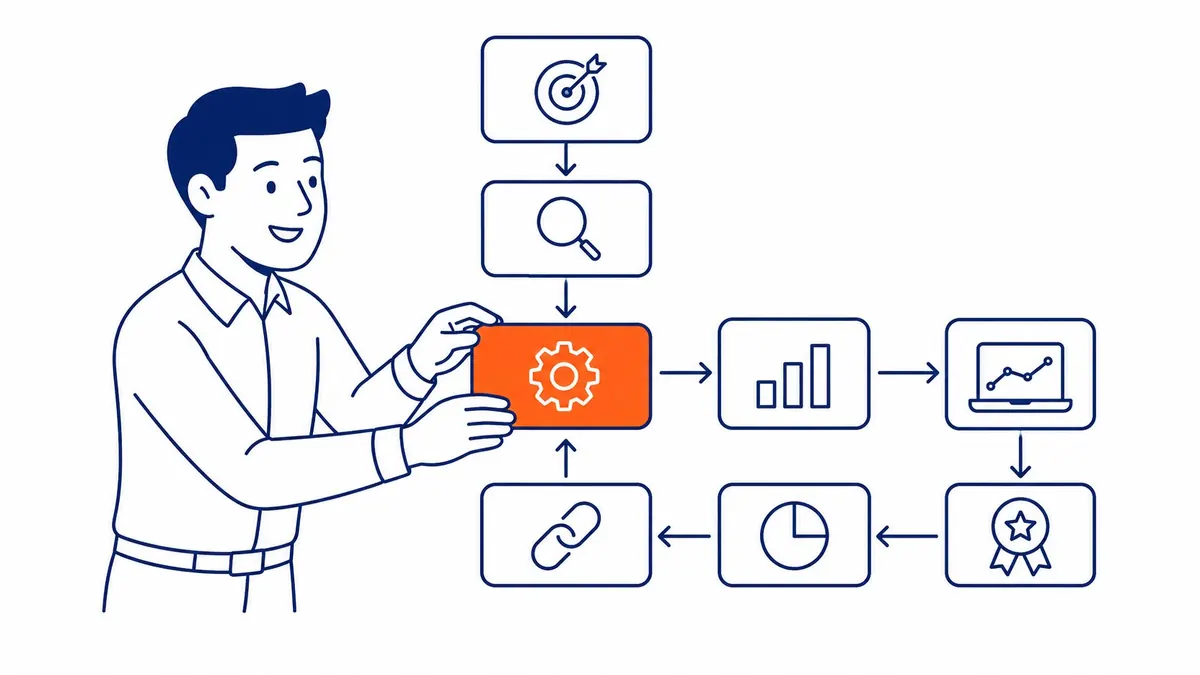
What Content Gap Analysis Actually Reveals
Ranking competitors get compared against a site’s own existing content, topic by topic, not keyword by keyword narrowly.
Missing entire subtopics becomes obvious this way. A competitor covering pricing and installation reveals a real content gap immediately. Maintenance too, when a site only covers pricing.
Depth gaps matter just as much as missing topics entirely. A competitor’s thorough coverage of a subtopic a site only mentions briefly still counts as a real gap worth addressing. Deciding which gaps to close first, and in what order, covers the basics of keyword strategy. Both kinds of gap feed straight into the topical mapping process.

How to Actually Run a Content Gap Analysis
Identify three to five genuine competitors ranking well for a site’s core target terms. These become the actual comparison set for the whole analysis.
List every distinct topic and subtopic each competitor covers across their content. A spreadsheet works fine here, no special tool strictly required for a basic pass.
Compare that competitor list against a site’s own existing content inventory. Every topic covered by competitors but missing from the site becomes a genuine content gap. Content gaps are one output of doing competitor analysis in SEO, not the whole exercise.

Prioritizing Which Gaps Actually Matter
Search volume and commercial intent should drive prioritization first. A high-volume, high-intent gap deserves attention before a low-volume, purely informational one.
More weight goes to topics closely tied to a business’s actual core offering. Less to tangential ones every competitor happens to cover regardless of real relevance.
Prioritizing gaps by realistic business impact beats attempting to close every gap simultaneously. True for a Calgary SEO client with limited content resources.

Tools That Make Content Gap Analysis Faster
Ahrefs and Semrush both offer dedicated content gap features, comparing a site’s ranking keywords against several competitors automatically.
Google’s own search results reveal gaps manually too. Searching a core topic and reviewing what subtopics top-ranking competitors address builds a rough gap list without any paid tool.
AnswerThePublic and similar question-mining tools surface related questions competitors answer that a site’s existing content might genuinely be missing entirely.
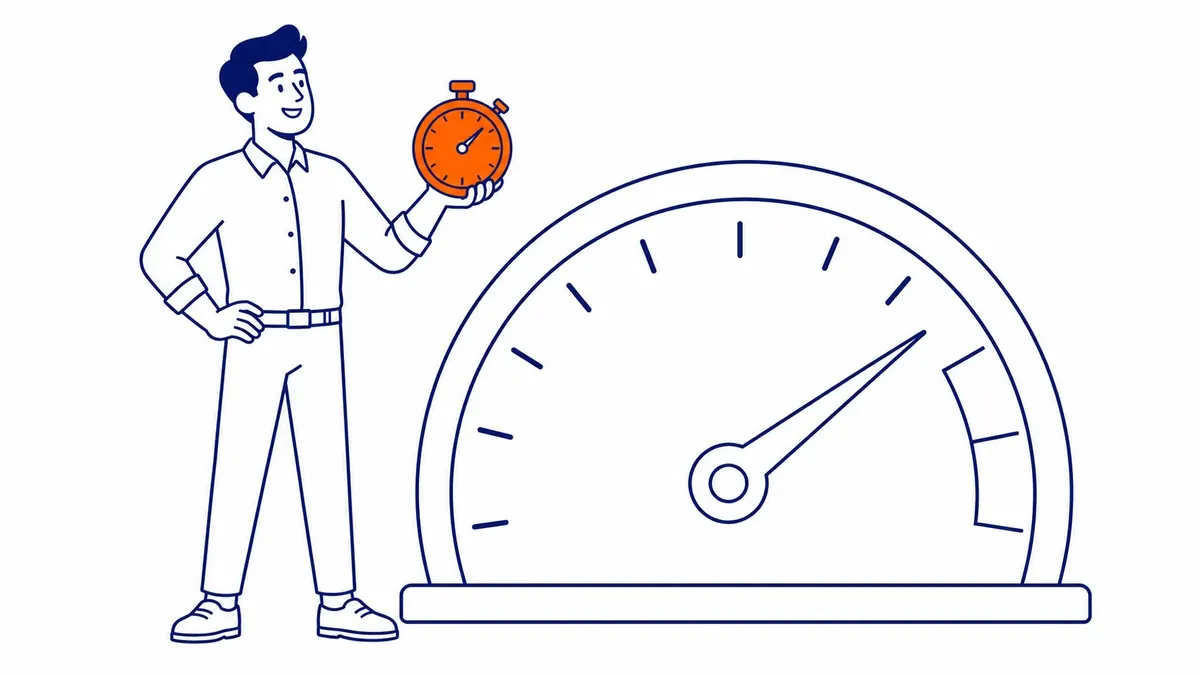
What to Do Once Gaps Get Identified
New content should get created for genuine gaps with real search volume and commercial relevance behind them. Every gap uncovered doesn’t deserve equal, indiscriminate treatment.
Existing thin content addressing a topic only briefly often just needs expansion, rather than an entirely new page built from scratch.
Topical authority reinforces across the whole content cluster through internal linking between new gap-filling content and existing related pages. Not just the individual new page alone.
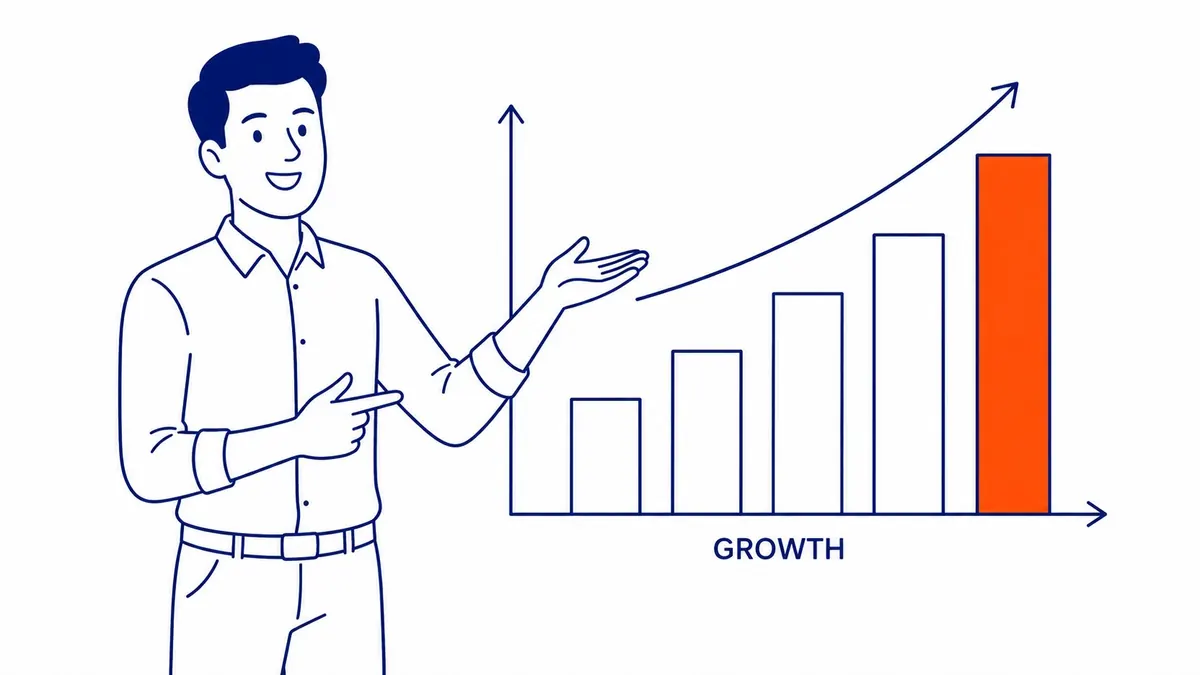
Thinking About the Audience Behind Every Gap
A content gap only matters if a real audience actually searches for it. High-volume, low-relevance topics waste effort even when a genuine gap technically exists.
Understanding what an audience actually wants to know at each buyer journey stage helps prioritize gaps beyond raw search volume alone. Awareness-stage audience questions differ meaningfully from decision-stage ones.
Exactly what an audience wonders about a topic gets revealed by Google’s own People Also Ask boxes. Gaps a simple keyword list alone would miss entirely, often.

Google Search Console Reveals Gaps Too
Search queries already driving impressions but few clicks show up inside Google Search Console. They often point toward material that partially addresses a topic without fully satisfying it.
Pages ranking on page two for a specific query sometimes reveal a content gap hiding in plain sight. Google already associates the page with that topic, just not thoroughly enough yet.
Overlapping opportunities worth prioritizing first often get revealed by cross-referencing Google Search Console data against a competitor gap analysis. Real search demand already exists for these specific opportunities.
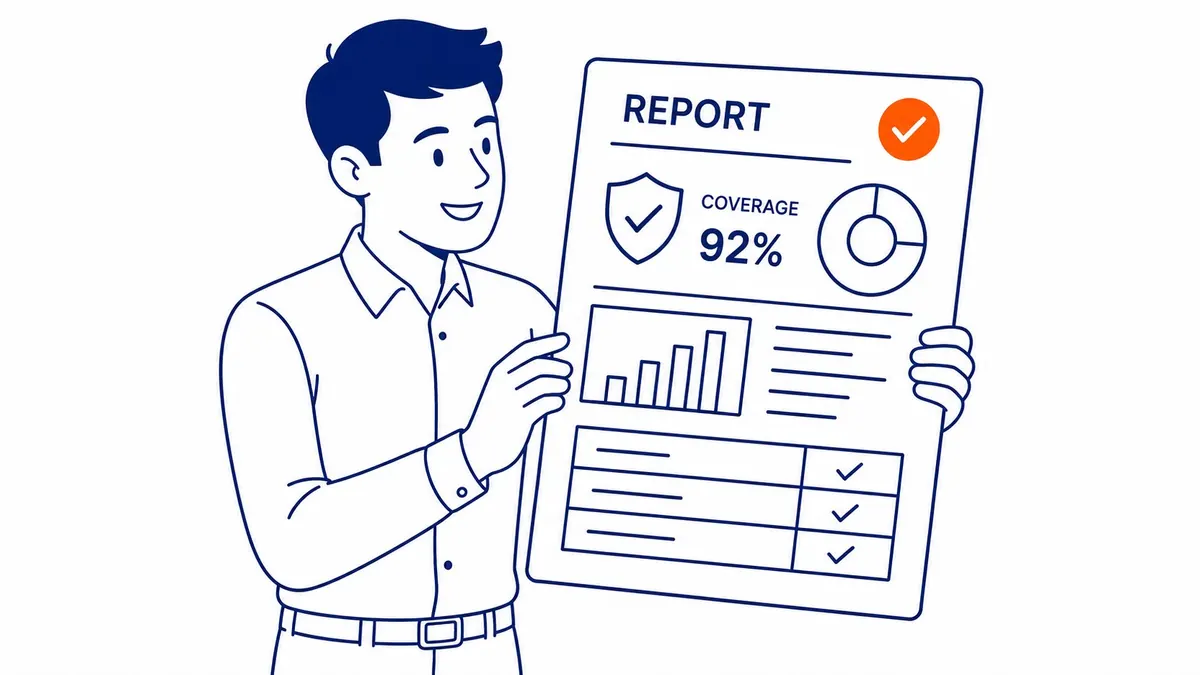
Common Mistakes That Undermine a Gap Analysis
Comparing against the wrong competitors wastes real, genuine effort entirely. A national brand with vastly more resources rarely makes a fair comparison point for a small local business’s actual gap analysis.
Chasing every single gap uncovered spreads a small team too thin across far too many separate topics at once. Realistic prioritization matters more than technical completeness across the whole exercise.
Treating a one-time gap analysis as permanent misses how quickly competitors publish and search behavior shifts. Revisiting the exercise regularly keeps a site’s topic coverage genuinely current over time.
Frequently Asked Questions
How is content gap analysis different from keyword gap analysis?
Content gap analysis looks at whole missing topics and subtopics. Keyword gap analysis focuses more narrowly on specific missing search terms individually.
How often should content gap analysis get repeated?
Every six to twelve months works well for most sites, since competitor content and search behavior both shift meaningfully over that timeframe.
Do I need paid tools to run a content gap analysis?
Not strictly. A manual review of top-ranking competitor content works, though paid tools like Ahrefs speed up the process considerably. See keyword research services for a fuller content strategy approach.
Contact Calgary SEO Company To-The-TOP!
Questions about anything in this article, or about your own rankings? Talk to a Calgary SEO specialist directly.
Phone: (403) 308-5949
Address: 1509 14 Ave SW, Calgary, AB T3C 0W4
Hours:
Monday to Friday: 10:00 am – 7:00 pm
Saturday: 12:00 pm – 4:00 pm
Sunday: closed