What Is SEO and How It Actually Works Behind the Scenes
Search engine optimization, SEO for short. Making a site show up when people search relevant terms on a search engine like Google. The mechanism behind that, though, runs through three distinct stages most people never see.
Crawling. Indexing. Ranking. Each stage filters what makes it through to the next one.
Crawling Comes First
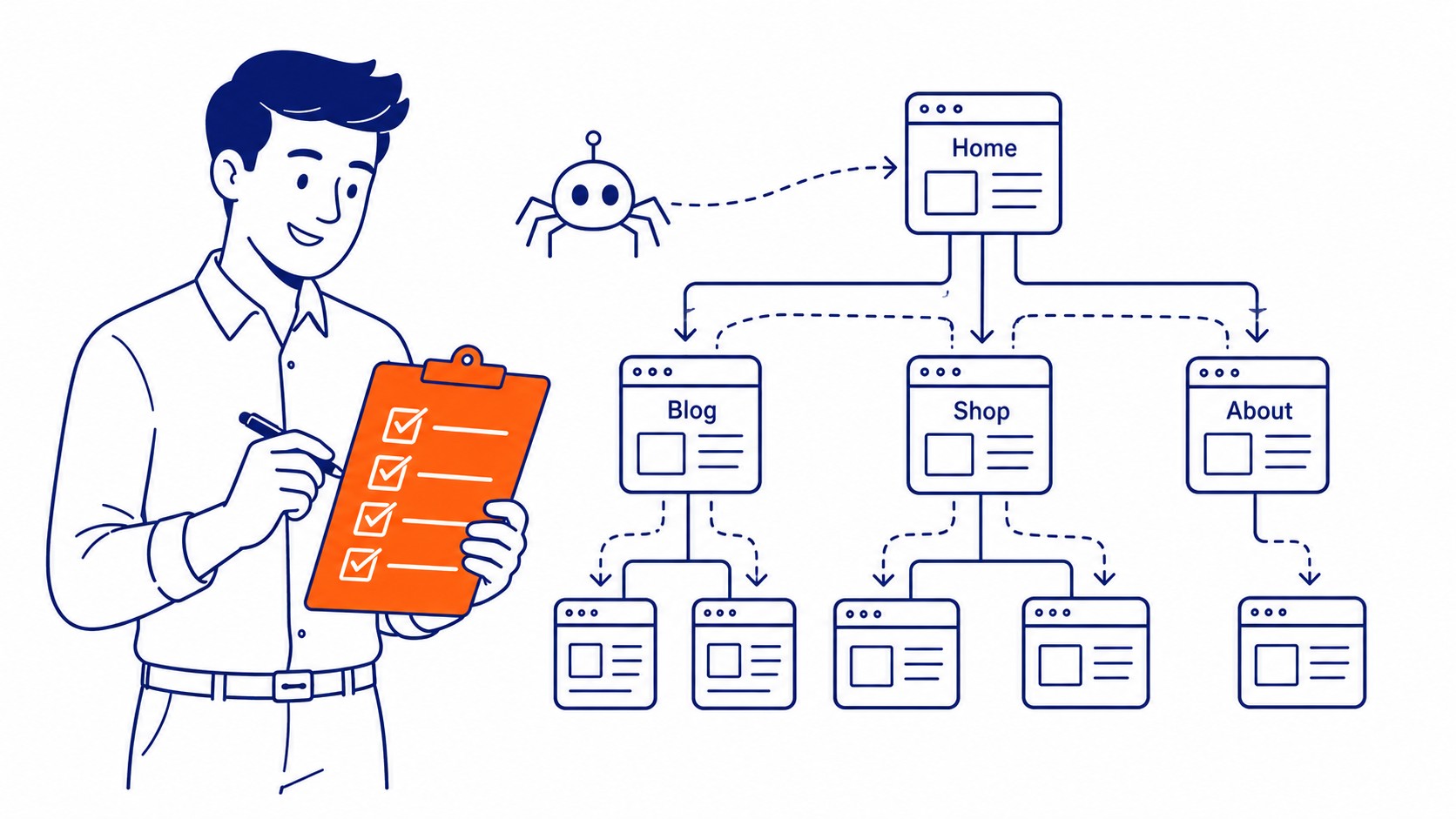
Google’s crawler, called Googlebot, follows links from page to page across the web. This is mostly how new pages get discovered, through links from already-known pages.
A crawler visits a page and reads its content. Its code and its links too. Nothing gets ranked yet at this stage. Just found and read.
Blocked pages never make it past this step. A robots.txt file or a noindex tag stops Googlebot cold, keeping that page entirely out of search results regardless of quality. Anyone meeting this stage cold should read a definition of crawling in SEO first.
Indexing Comes Next
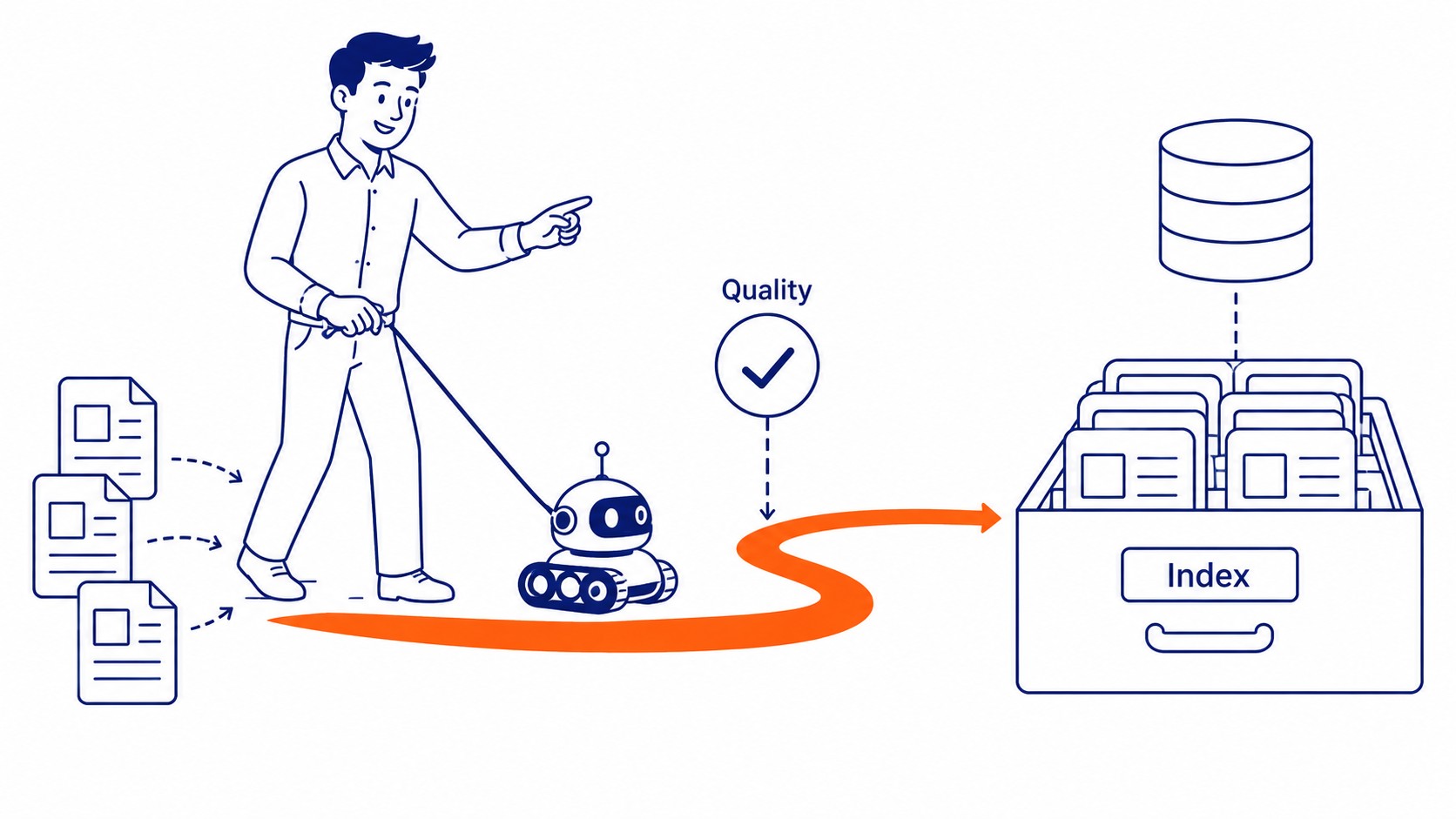
Crawled pages get stored in Google’s massive index once they clear a basic quality bar. Duplicate content often fails to make the cut here. Thin pages and broken pages too.
Indexing happens at enormous scale. Hundreds of billions of pages sit in that index. Each one processed to understand its topic. Its structure and relevance to specific search terms too.
A page can get crawled without getting indexed. Low quality blocks that final step. Duplicate content or technical errors too, even after Googlebot successfully reads the page. That gap is exactly what Google indexing in SEO means in day to day practice.
Ranking Happens Last
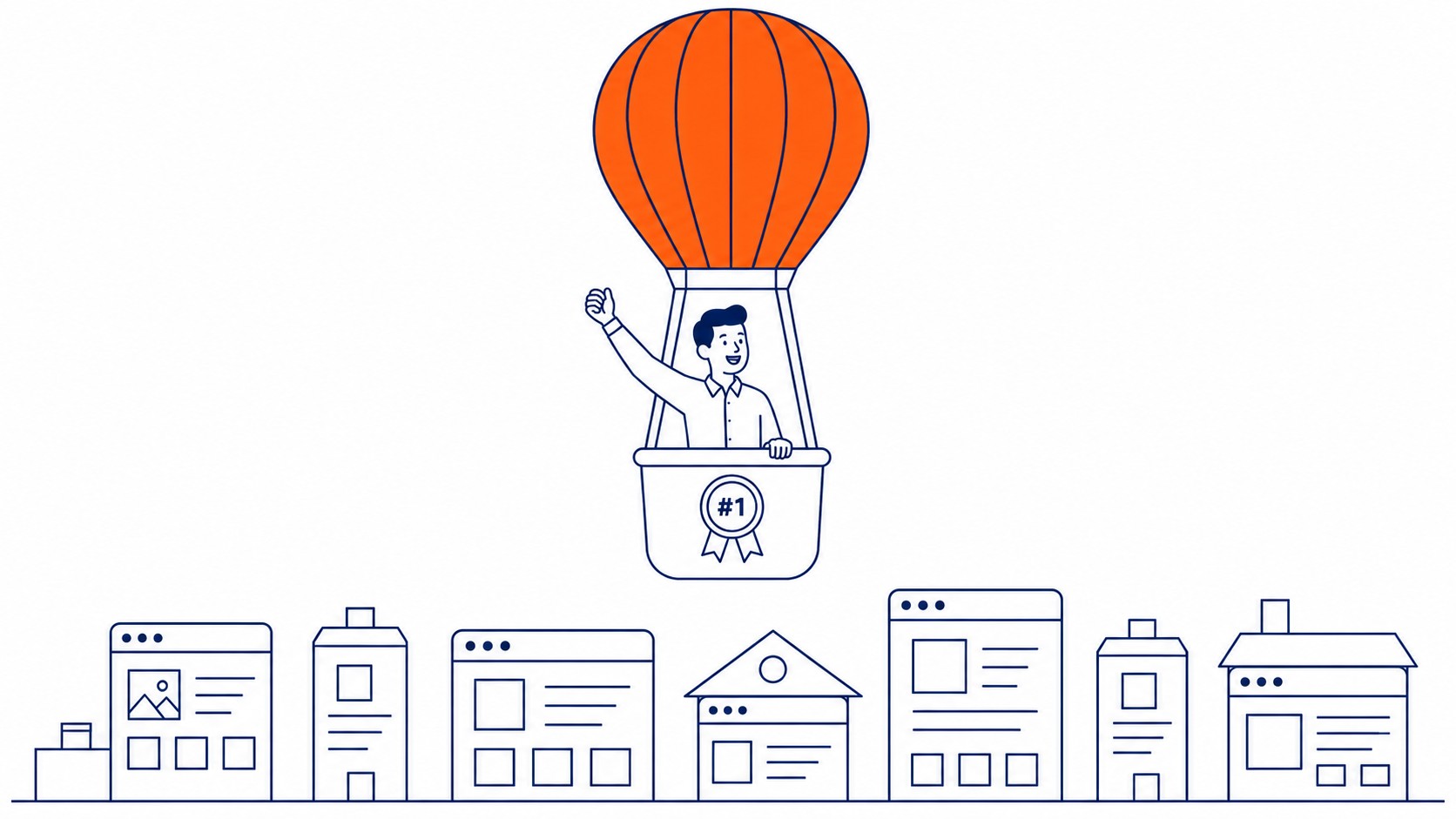
Indexed pages compete against each other for every search query. Hundreds of factors go into Google’s ranking algorithm deciding the order results appear in.
Content relevance matters most. A page closely matching what a searcher actually wants tends to rank above one that only loosely relates to the query.
Backlinks function as a trust signal here. Other reputable sites linking to a page tells Google that page carries real authority worth ranking higher.
What SEO Actually Optimizes For
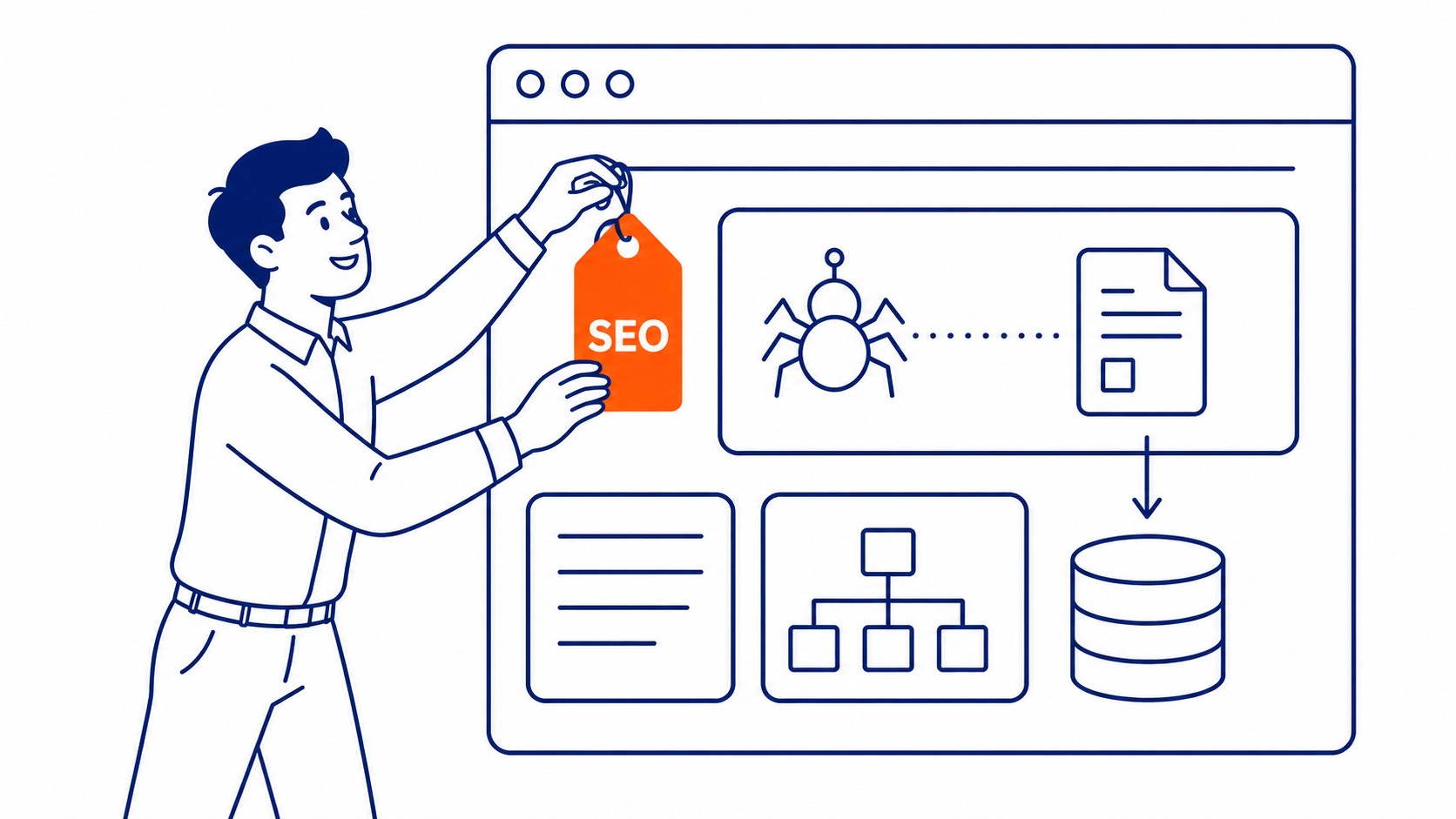
Technical SEO makes crawling and indexing possible in the first place. Site speed removes barriers Google’s crawler would otherwise hit. Mobile usability and clean site structure too.
What gets indexed and how well it matches search intent gets shaped by on-page SEO. Title tags carry relevance signals straight into Google’s ranking systems. Headings and content quality too.
Off-page SEO builds the trust signals ranking depends on. How Google weighs a page against its competitors depends on backlinks. Brand mentions and overall site reputation too. Three layers, one job, which is really all a definition of SEO needs to cover.

Why Understanding the Mechanism Matters
A site invisible to search doesn’t have a ranking problem. It has a crawling or indexing problem, and no amount of content polish fixes that first.
For a Calgary SEO client, diagnosing which stage is actually broken changes the entire fix. A technical crawl issue gets solved completely differently than a weak backlink profile.
Most SEO work in practice touches all three stages continuously. Technical fixes protect crawling and indexing. Content and links drive the ranking stage over time.
Why the Same Content Ranks Differently Across Search Engines
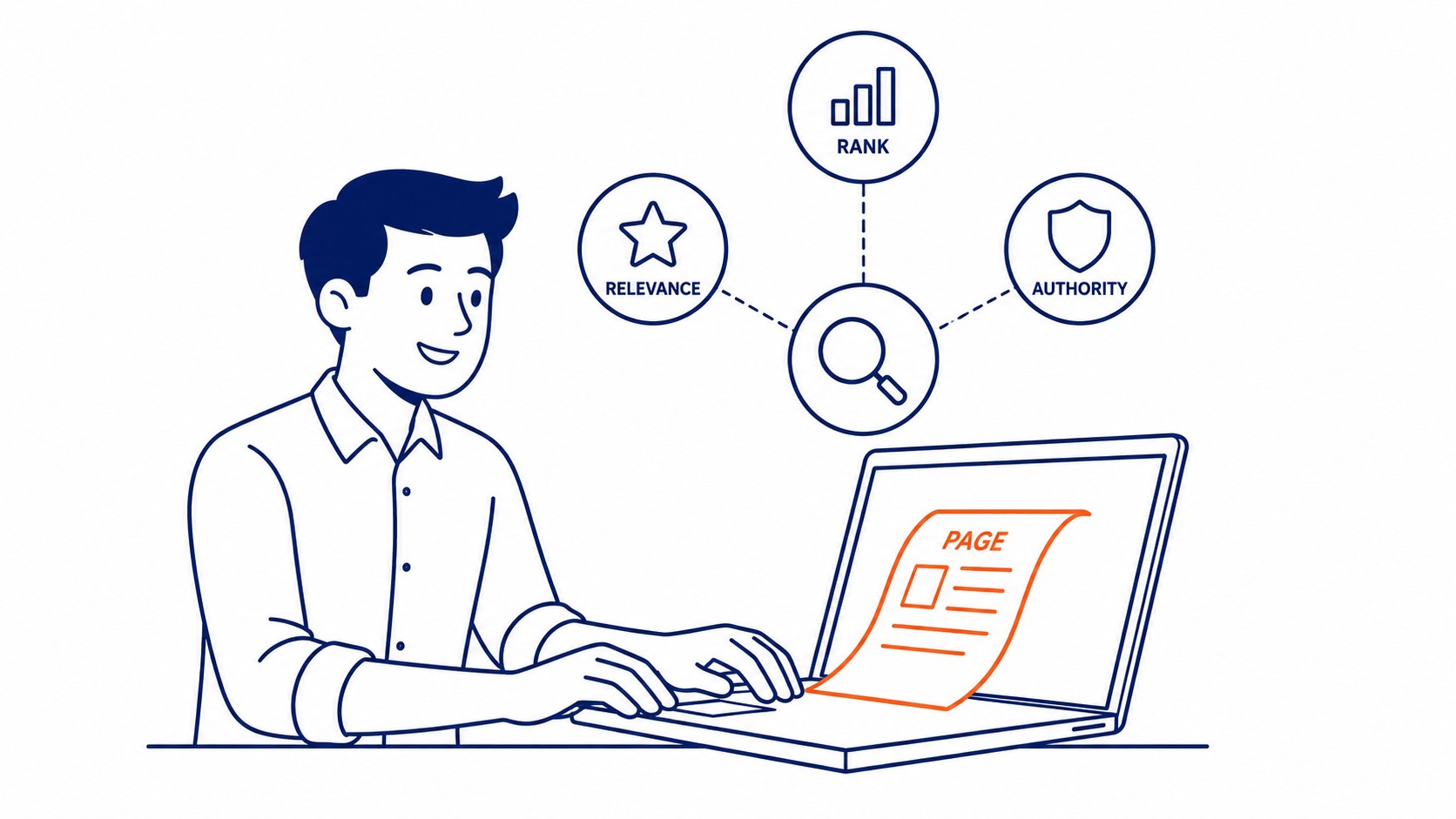
Google isn’t the only search engine running this process. Bing and Yahoo run their own version of this same search engine process. Each with its own weighting of the same underlying signals.
Content that ranks well through one search engine’s SEO signals doesn’t automatically rank the same way elsewhere. Google weighs backlinks and content depth more heavily than some competing search engines do.
Most SEO work in Canada still centers overwhelmingly on Google, given its dominant market share here. Optimizing content primarily for Google’s search engine algorithm covers the vast majority of real search traffic most businesses actually see. Good SEO fundamentals tend to help across other search engines too, as a side benefit.
How Content Quality Feeds the Whole Process
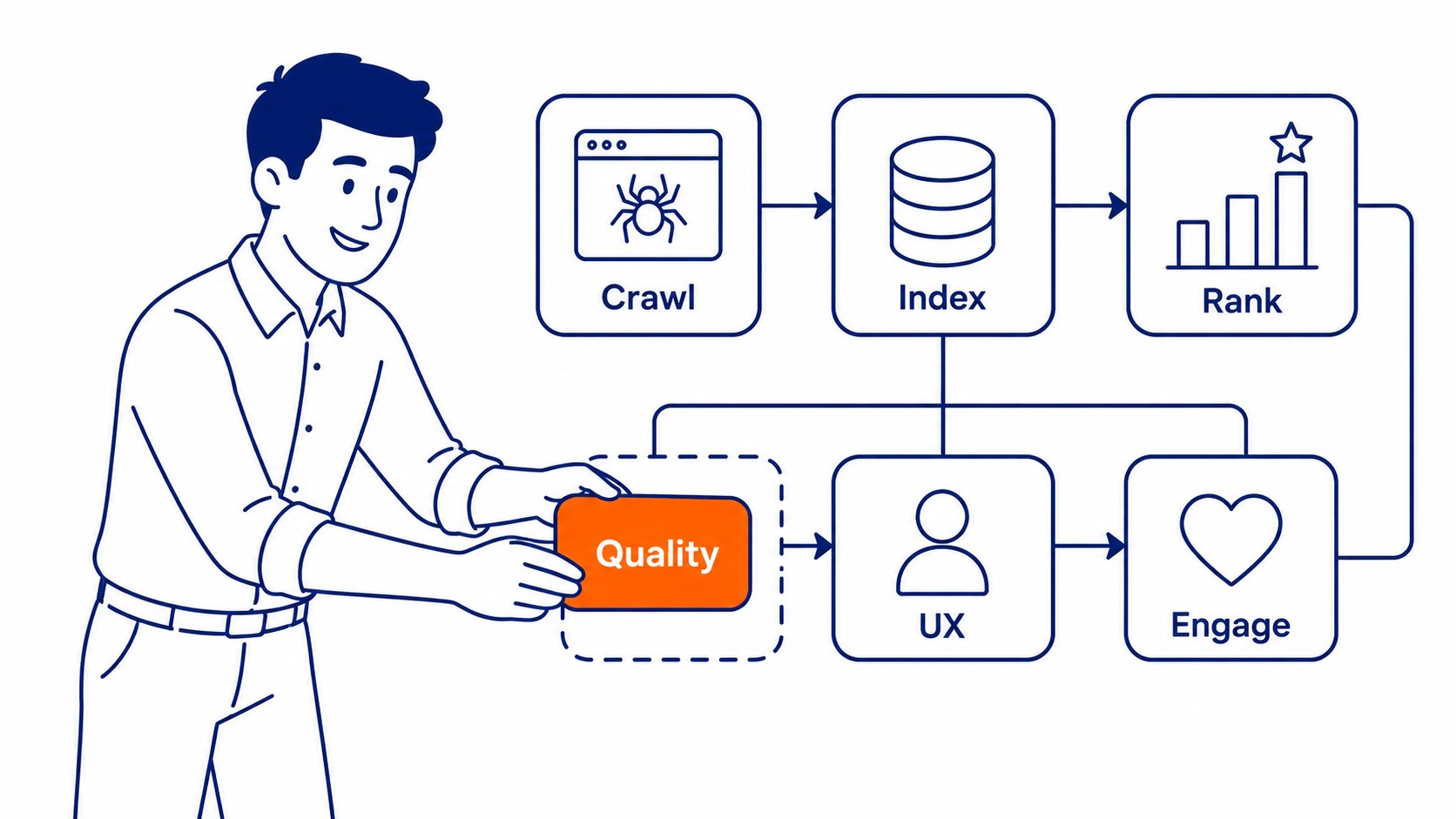
Thin, low-effort content struggles at every stage of this mechanism. Crawling still happens, since Googlebot reads nearly everything. Indexing gets harder, though, when content offers little real value.
Genuinely useful content earns its place in the search engine’s index more easily than filler content ever does. Depth helps content clear that quality bar. Accuracy and a clear answer to the actual search query too.
Content built specifically to game search engine rankings tends to underperform over time as Google’s ranking systems mature. No real substance behind it eventually shows, one way or another. Real people doing the searching, not the algorithm itself, get increasingly rewarded by Google’s own content quality signals.
Frequently Asked Questions
How long does it take for SEO to actually work?
A healthy site can see crawling and indexing happen within days. Three to six months is more typical for ranking improvements, since Google needs time to reassess a page against competitors.
Can a page get indexed but still not rank?
Yes, commonly. Indexing just means Google stored the page. Ranking depends on relevance and authority compared to every other indexed page targeting the same search term.
Does Google Ads affect how SEO works?
No, completely separate systems run paid ads and organic search results. Running Google Ads has no direct effect on organic crawling. Indexing or ranking either.
Contact Calgary SEO Company To-The-TOP!
Questions about anything in this article, or about your own rankings? Talk to a Calgary SEO specialist directly.
Phone: (403) 308-5949
Address: 1509 14 Ave SW, Calgary, AB T3C 0W4
Hours:
Monday to Friday: 10:00 am – 7:00 pm
Saturday: 12:00 pm – 4:00 pm
Sunday: closed
