
What Is SEO Copywriting?
Two things have to happen at once. The writing has to rank. It also has to get someone to act. Call. Sign up. Buy. Book. SEO copywriting is where those two goals meet.
At To-The-TOP!, Calgary SEO work runs through this principle constantly. Rankings without action waste the traffic. Action without rankings means no one ever finds the page. So both matter.

Defining SEO Copywriting
Three things at once. Specific keywords targeted. Search intent satisfied. Readers moved toward a goal. Not two of those. All three.
The keyword part gets the page indexed and ranked. Search intent is what keeps people reading past the first paragraph. Then, conversion is what turns that reader into a lead.
Miss any one leg and the page underperforms. Strong term density with thin copy. Ranked but abandoned. Great writing with no search strategy. Invisible. Optimised content that buries the call to action. Traffic with no result. Copywriting sits inside what to know about doing SEO, never separate from it.
How SEO Copywriting Differs from Content Writing
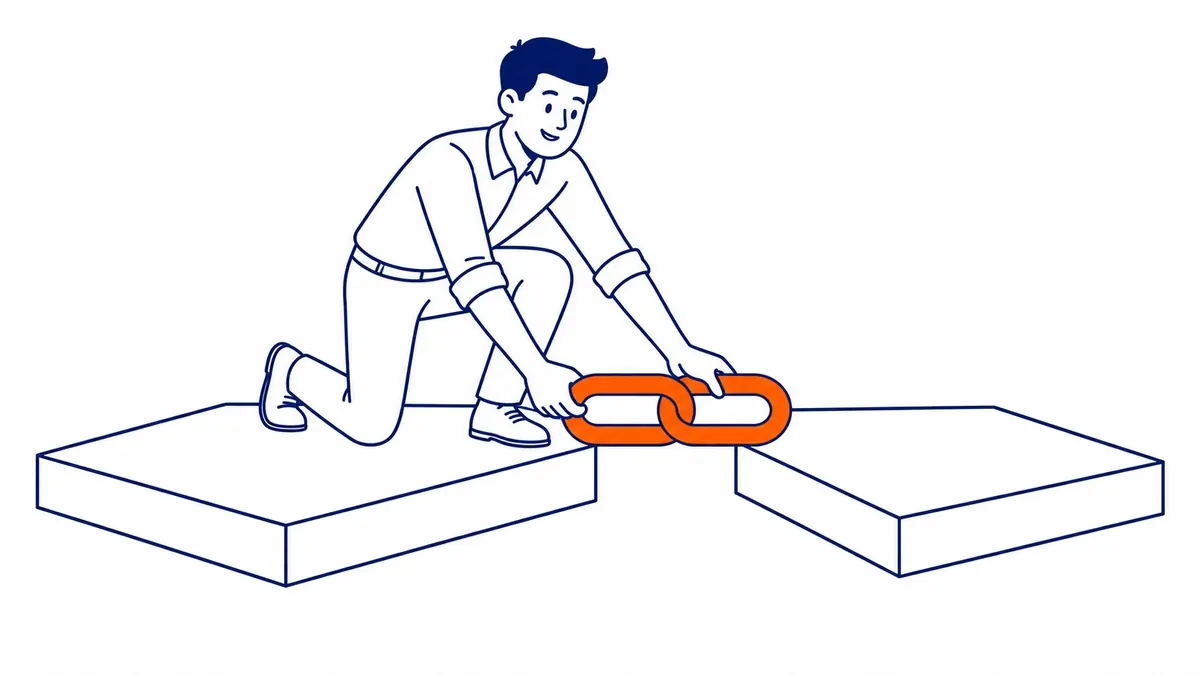
Content writing and SEO copywriting share tools. Both use keywords. Headings and readability matter to both. However, the separation is in purpose.
Content writing builds. An article explaining how retaining walls work builds topical authority. It answers questions. Links also come in over time. The conversion happens later, somewhere else in the funnel.
But SEO copywriting converts. A landing page for “Calgary fence installation quotes” has one job. Someone arrives. Reads fifty to two hundred words. Either contacts the business or leaves. Every sentence earns its place by moving that decision.
Most businesses also need both. Long-form content at the top of the funnel. Tight, conversion-focused copy at the bottom. Treating them as the same discipline is where copywriting projects fall apart. Both sit under SEO writing, which is why the labels get muddled so often. Deciding which mode a page needs is step one in creating a standard SEO content brief.
Keyword Research: The Foundation
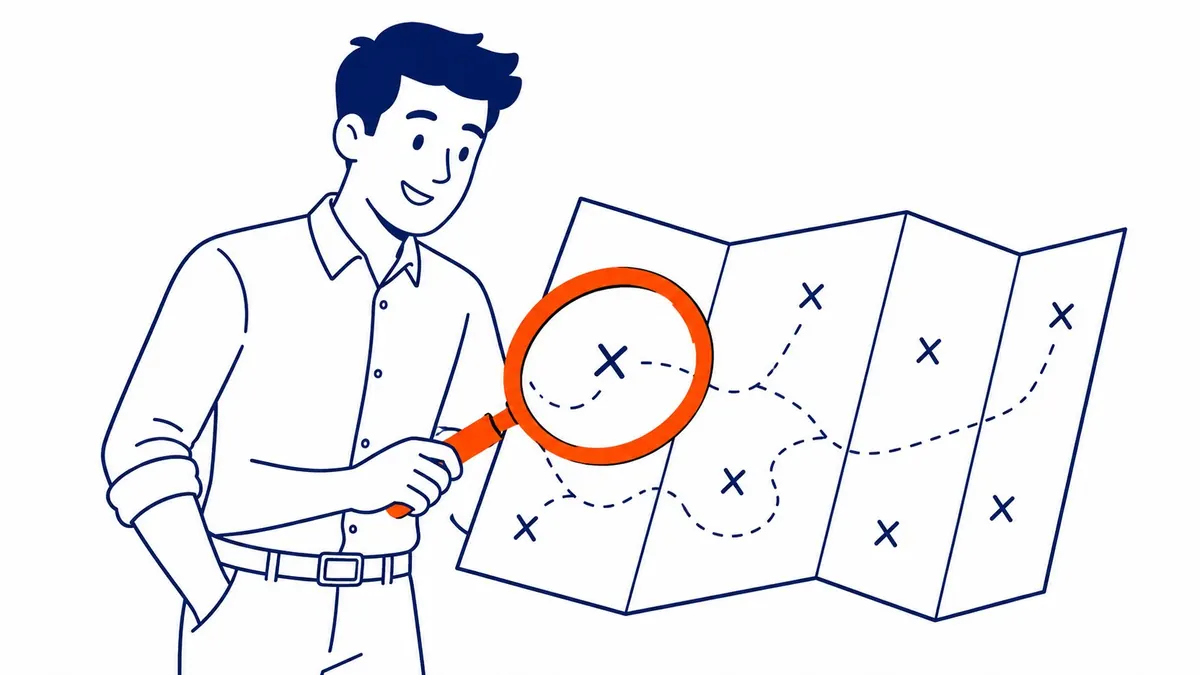
No keyword research means writing in the dark. The topic might be interesting. Quality writing might be excellent. Still, without volume data and intent signals, it is impossible to know whether anyone is actually searching for it.
Instead, start with what the target audience actually types into Google. Not what they might type. What they actually type. There is often a gap. Clients describe services in one language. Customers search in another.
Volume matters. So does competition. For example, take a search term with 5,000 monthly searches. The top ten owned by the biggest SEO publications in the world. Not a realistic target for a small regional business. Still, a query at 400 monthly searches with weaker competition absolutely is.
However, the longer, more specific queries deserve attention too. The term “SEO company Calgary” is competitive. “SEO company Calgary small business” is far less so. The searcher is further along in their decision. That specificity also helps both ranking and conversion.
Yet keyword research is the phase where most campaigns cut corners. Individual keywords, long-tail phrases, volume, competition. It shows in the results when that work is skipped.

Search Intent: Writing for What the Searcher Actually Wants
Same keyword, completely different content requirement when the intent shifts. “What is SEO copywriting” is informational; the searcher wants a definition and context. “SEO copywriting services Calgary” is commercial; the searcher is evaluating providers.
Write the wrong type and the page fails regardless of where the terms appear. For example, an informational post on a commercial search does not convert. A sales page on an informational search loses readers in thirty seconds because it is not what they came for.
Google reads intent signals from the content and compares them to what already ranks. Top-ten results that are all definitional blog posts will not admit a landing page written to sell. So content type has to match query type. That is what the top ten is actually telling you.
Therefore, intent alignment is non-negotiable. Get it wrong and no amount of on-page optimisation fixes the ranking.
Writing for Humans and Search Engines at the Same Time
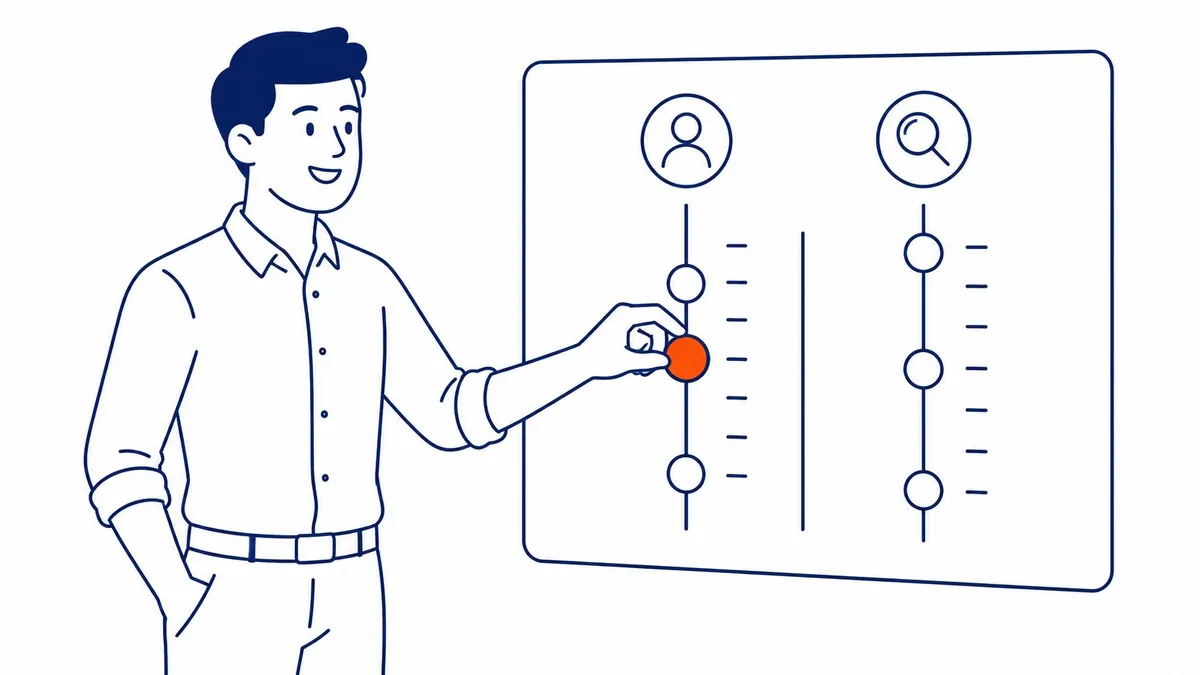
Yet the idea that these are competing goals is outdated. Low bounce rates. High dwell time. Pages that earn links and shares. Quality signals the algorithm has read for twenty years. All of them trace back to writing that holds attention.
Good SEO copywriting reads well. Short sentences. Varied structure. Direct language. No filler. Specifically, the content covers what the searcher came to find. It gives them enough to act on. Then it stops. No padding.
Term placement follows naturally from that. For instance, a page about SEO copywriting will mention it often because the topic demands it. Forcing terms into awkward positions does not help ranking and signals to readers that the writing was optimised rather than written.
The practitioners who do this well forget about the algorithm while writing. Still, they write to answer the question completely. Then the algorithm rewards that. It has for years.
The On-Page Elements That Matter
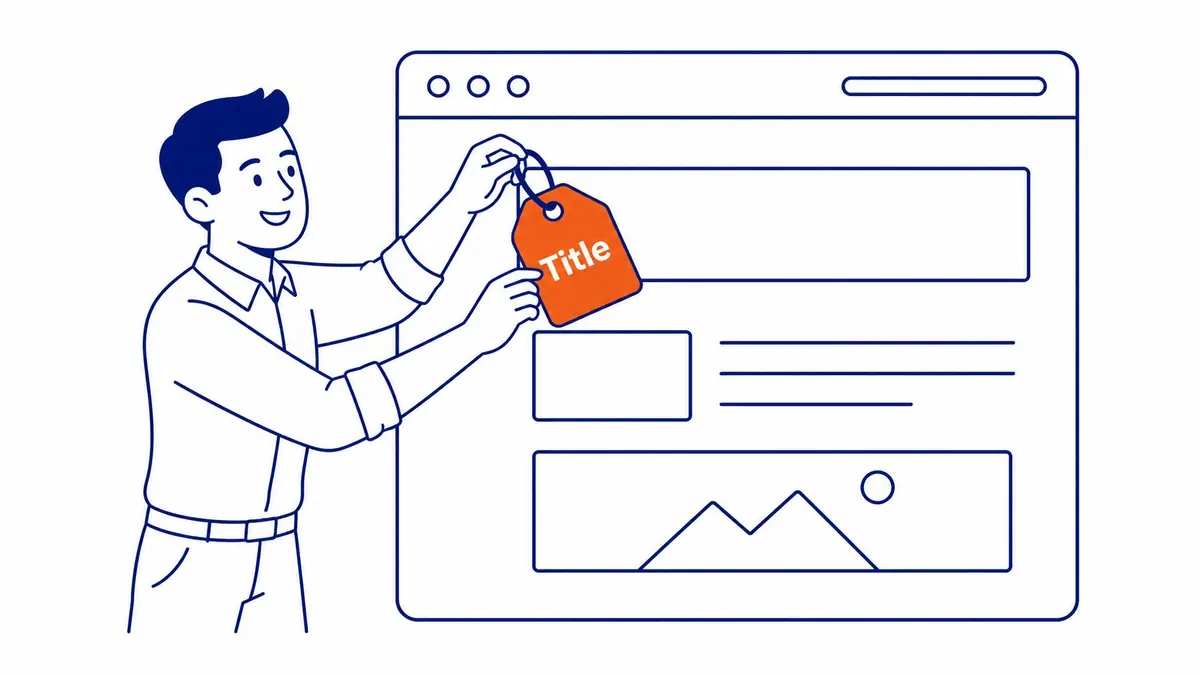
Title tag. Meta description. Page headings. And image alt text. These are the elements that surround the body copy and carry their own weight in search.
The title tag is the most important. It also tells Google and the searcher what the page covers. Include the primary keyword. Keep it under sixty characters. Make it specific enough that a searcher knows exactly what they are clicking.
Rankings are not directly affected by meta descriptions. Clicks are, however. Write a weak meta and the page sits at position four but gets clicked like it is position eight. A strong meta earns more clicks. More clicks also feed back into the ranking signal.
Additionally, headings (H1, H2, H3) serve two purposes. For readers, they create scannable structure. Search engines use them to read the hierarchy of topics covered. Run an SEO analysis on almost any site and heading misuse shows up. H1 tags missing. H2s that duplicate the H1. H3s used for decorative formatting rather than topic structure.
Every image needs a short, accurate description for screen readers and search engines. A short, accurate description that includes the keyword where relevant. Not keyword stuffing. Just accuracy.

Readability Is a Ranking Signal
Google said it plainly. Pages that are hard to read rank worse. Flesch reading ease, sentence length, paragraph breaks. All measurable. In turn, poor-scoring pages lose readers before they reach the call to action.
Short sentences. Aim for an average under fifteen words. Paragraphs of two to four lines. Plenty of white space. This has nothing to do with dumbing content down. It has everything to do with the reality that most web readers scan before they commit.
Transition words hold the thread. “However.” “Still.” “Because of that.” Readers stay oriented rather than scanning ahead to find where they lost the logic.
There is a second layer here too. Internal links. Readers also follow a link rather than hunting through navigation when they want more depth on keyword research. Good internal linking holds users on the site longer. PageRank moves through the domain at the same time.
SEO services that include copywriting pay attention to all of this. The elements work together. Still, body copy optimised in isolation, with heading structure neglected and readability ignored, leaves performance on the table every time.
Frequently Asked Questions
What is SEO copywriting?
Writing designed to rank in search engines and move readers toward an action. Keyword targeting. Search intent alignment. Conversion focus. All three at once.
How is SEO copywriting different from content writing?
Content writing builds authority and answers questions over time. SEO copywriting converts instead. Different tools, different goals. Most marketing programmes also need both.
What makes SEO copy rank?
Accurate keyword targeting. Intent alignment. Readable structure. On-page elements done correctly. No single element carries it. They compound.
Do I need a copywriter for SEO?
Depends on the business. A solo practitioner comfortable with writing can handle blog content. High-stakes landing pages, the ones where a visitor either becomes a client or leaves, are worth professional attention. The ROI gap between adequate copy and strong copy on a conversion page is measurable though.
One more thing worth flagging. Google’s quality guidelines now weight E-E-A-T heavily. Experience and genuine expertise signal credibility. Authoritativeness and trustworthiness round it out. Copy that reads like it was written by someone who has never done the work scores lower. Practitioner voice is not optional though. That is another reason generic AI-generated SEO copy underperforms. Purpose-built landing page copy from someone who knows the field converts better. Paid campaigns, Google Ads management included, leave money on the table when the landing page copy is generic.
Contact Calgary SEO Company To-The-TOP!
Questions about anything in this article, or about your own rankings? Talk to a Calgary SEO specialist directly.
Phone: (403) 308-5949
Address: 1509 14 Ave SW, Calgary, AB T3C 0W4
Hours:
Monday to Friday: 10:00 am – 7:00 pm
Saturday: 12:00 pm – 4:00 pm
Sunday: closed