Is SEO Dead
That question has been circulating since 2011. Through 2015. By the time AI Overviews launched. Every two or three years something shifts in search and the obituaries appear on schedule. To-The-TOP! has been running Calgary SEO campaigns since 2007, and the “SEO is dead” story is older than most of the tools the industry runs on now. Nineteen years in, the honest answer has not changed. The question is usually wrong. Which version of SEO died is the right question.
Something did die. Exact-match keyword schemes, thin content built for bots, low-quality link networks: all of it collapsed under repeated algorithm updates well before AI touched the conversation. AI Overviews accelerated the collapse. Search itself did not go anywhere, and the demand behind it is still growing.
The Direct Answer
Not dead. Organic search still drives roughly 36 percent of all web traffic, even accounting for zero-click growth. Google holds approximately 79 percent of global search market share. Neither figure suggests a declining platform. What they describe is a platform that got harder to game. That is a different thing.
Businesses that pulled back on SEO in 2024 on the basis of the AI panic will spend 2026 trying to close gaps against competitors who kept building authority through the transition. Learning SEO in this environment is still worth the investment, because the signals that matter now are harder to fake and more durable than the shortcuts that came before them.

What AI Has Changed About Search
AI Overviews now appear on roughly 50 to 60 percent of US searches. ChatGPT, Perplexity, and Gemini handle query volume that once went exclusively to Google. Zero-click searches accelerated through featured snippets, Knowledge Panels, and AI-generated summaries. Search visibility dropped on pure informational queries. All of that happened.
What the AI-panic narrative misses: AI systems cite their sources. Being cited by ChatGPT or surfaced in a Perplexity answer is a visibility pathway that did not exist five years ago. Ahrefs research found that only 38 percent of AI-cited pages rank in the top 10 results. Structured data, entity signals, and topical authority are what push pages into that 38 percent, and those requirements overlap almost entirely with what good SEO has always built toward.
Search behaviour has also shifted beyond Google. A significant portion of younger users go to TikTok or Instagram to find local businesses rather than Google Maps or Search. Multi-platform visibility is now part of the job. Traditional rankings on Google remain the largest part of that, but rankings alone no longer capture the full picture of search-driven traffic.

What Actually Died
Keyword-stuffing stopped working in 2012. Exact-match anchor text schemes dropped with Penguin. Thin content built to rank for one phrase with no original perspective never had a long shelf life. These are the tactics the “SEO is dead” argument is actually describing. They were always fragile, and AI search did not kill them so much as finish them off.
Generic informational content with no original perspective is the specific recent casualty. AI Overviews synthesize those articles and present the synthesis, removing any reason to click through. Content that summarises publicly known information without adding something a generative model cannot replicate earns nothing now: no traffic, no citations, no ranking. That is a real shift and worth taking seriously.
AI did not kill content. It killed content that was already weak. Used the right way, how to use AI for SEO is about speed on the tedious parts, not synthesis dressed up as a page. Pages that demonstrate content expertise through original research, first-person observations, documented client results, and genuinely useful specifics are performing better than before, because they are exactly what AI systems pull from when they cite sources.
What Search Engines Still Reward
Commercial-intent queries still send traffic directly to pages. Someone searching for Google Ads management or a site audit does not want a synthesized paragraph: they need to compare providers and make a decision. That intent goes to specific pages, not to AI summaries. Commercial search volume has not declined at the same rate as informational queries, and in many categories it has grown.
Technical performance still matters. Page speed, mobile usability, Core Web Vitals: search engines use all three as ranking signals. AI crawlers need well-structured pages to parse accurately. A page that loads slowly or renders badly loses both organic and AI-assisted visibility at the same time. That relationship between technical health and search performance has not softened. Closing those technical gaps is a core part of how to improve SEO on an existing site.
Backlinks still function as authority signals. Original research earns citations from other sites. Search engines still use link equity and demonstrated expertise to establish trust. AI made that trust harder to manufacture cheaply, but the underlying mechanism is the same. Authority accumulates. It also erodes when the investment stops.
The Authority and E-E-A-T Shift
E-E-A-T: Experience, Expertise, Authoritativeness, Trustworthiness. Google formalised this framework as AI-generated content flooded the web, separating pages with genuine real-world knowledge from pages that assembled publicly available information into polished prose. The distinction matters more now than it did in 2020, and it shows up directly in AI citation patterns.
Expertise that comes from actually doing the work reads differently to AI detection systems than expertise assembled from other people’s summaries. Nineteen years of watching which algorithm updates hit which types of content, seeing what recovers and what does not, tracking client rankings through four major Google shifts: that kind of observational record is what AI systems cite. Opinionated positions on tactics, honest assessments of what fails, first-person client patterns: these are the signals that distinguish cited content from ignored content. Generative models trained on every balanced, hedged explainer on the open web recognise and downweight that category of prose.
Authority takes time. Three to six months before meaningful SEO movement on a competitive keyword is still the honest timeline. The authority built during that period is durable, however, in a way shortcut tactics never were. AI-assisted search rewards the long-term investment, because AI systems cite established and consistently accurate sources. New sites with thin history get cited less, regardless of content quality.
What SEO Looks Like Now
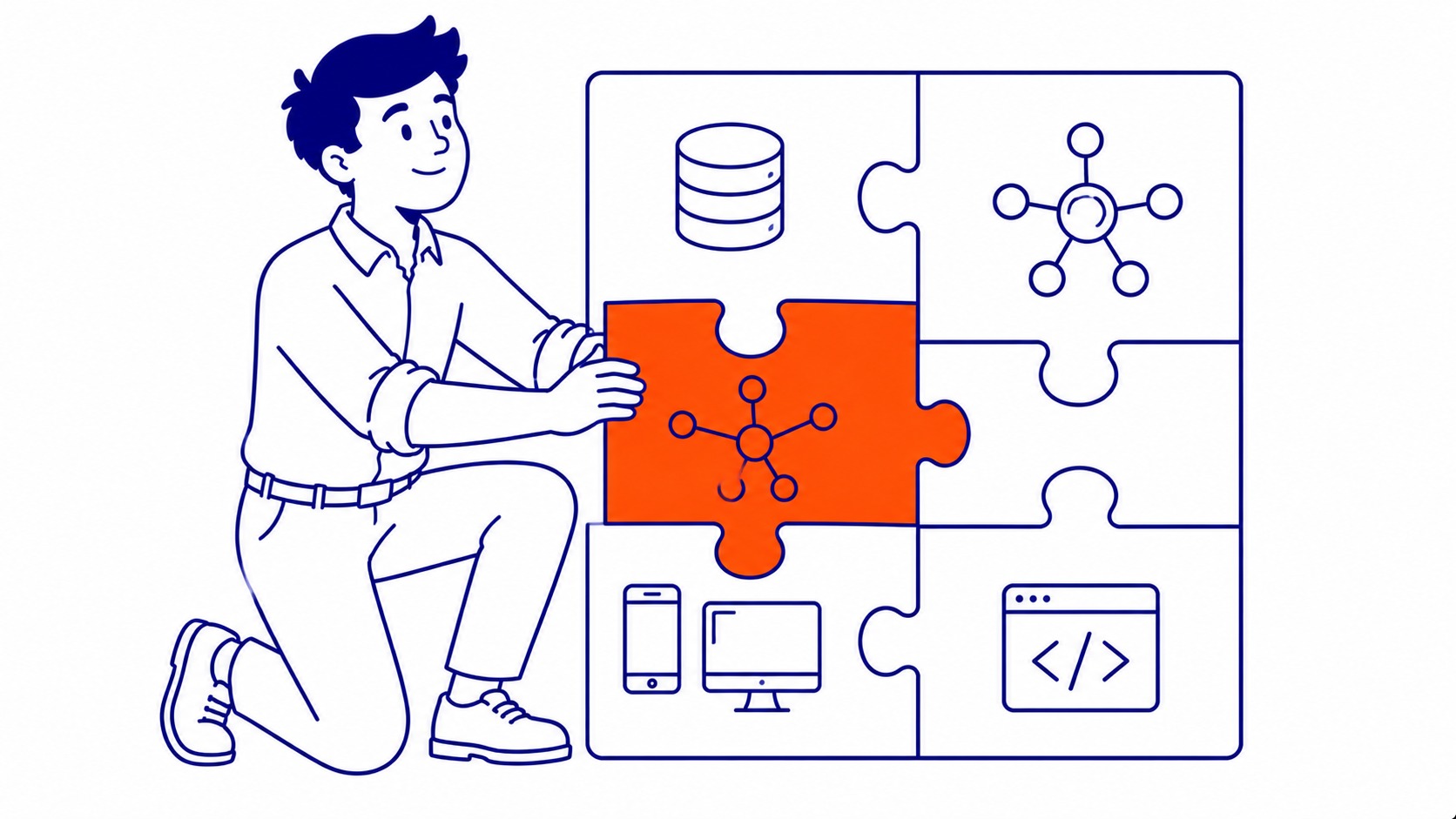
Structured data, topical authority across a full content cluster, multi-platform visibility, schema markup that lets AI systems parse entity relationships confidently, technical health that does not impede crawling, first-party research that gives AI systems something to cite. The SEO audit work done for clients now always includes an AI citation review alongside standard crawl analysis, because citation gaps and ranking gaps are starting to diverge in ways that matter for traffic forecasting.
Organic traffic from Google is still the largest channel for most businesses. Compounds over time. Converts at rates that exceed paid traffic on most intent types. Google Ads and organic search serve different demand stages. Paid captures immediate ready-to-buy intent. Organic builds the authority that makes paid traffic cheaper and more trusted over months. Neither replaces the other in a well-structured search programme.
The SEO blog covers the full library of fundamentals: how search engines rank pages, how structured data affects AI citation, how to build authority in categories where AI Overviews appear. These are the specifics practitioners use rather than the theory-heavy guides that treat SEO as either a dead channel or a miracle machine.
Frequently Asked Questions
Is SEO dead in AI era?
Not dead. Repositioned. AI Overviews and conversational platforms changed where some query volume lands, but underlying demand for information, products, and services is unchanged. Pages with structured data, genuine expertise, and strong authority are more likely to be cited by AI systems than replaced by them. The visibility pathways expanded; they did not close.
Will AI replace SEO?
No replacement is coming. AI platforms depend on indexed web content to generate answers and citations. What changes is the optimization target: ranking for a keyword is now paired with being cited in AI-generated responses. Both require the same things: authority, accuracy, structured data, and content that a generative model cannot replicate on its own. Requirements expanded, not disappeared.
Why is SEO outdated?
Tactics are outdated. The discipline is not. Keyword density targets, exact-match anchor text, and thin informational content built without original perspective: all outdated. Technical performance, genuine authority, original research, structured data, consistent citation signals: more relevant than five years ago. Outdated tactics share one feature: they were always gaming a weakness rather than building something real.
Is SEO still alive?
Alive and structurally more important than it was in 2020. Organic search drives more than a third of web traffic. AI systems use search-indexed content as their primary citation source. Businesses that built genuine authority through 2020 to 2026 are the sources AI now cites. The ones that chased shortcuts are starting over. That is a difficult position to recover from on a competitive keyword.
