What Are LSI Keywords? | Calgary SEO
LSI keywords are one of the most repeated ideas in SEO, and also one of the most misunderstood. The short version: the name was borrowed from a 1980s document-retrieval method, slapped onto a much simpler idea, then sold as a ranking trick. Strip away the jargon and what people actually mean by LSI keywords is words and phrases related to your main topic. That part is genuinely useful. The technical story behind the label is mostly wrong, however, and believing it wastes real time.
We get asked about this constantly. A client reads a blog post promising rankings if they sprinkle in “LSI keywords,” and they want to know whether it is real. Worth answering honestly, because the answer changes what you spend your effort on. So let us take the term apart, separate the useful idea from the marketing fiction, and look at what actually moves a page in search results.

What People Mean by LSI Keywords
Latent semantic indexing is a real thing. It is a 1988 patent for analyzing relationships between terms across a set of documents, built for small, fixed libraries of text. That is the “latent semantic” part people quote without ever reading the source. The technique maps which words tend to appear together, so a system can retrieve documents even when the exact query term is missing from them. Academic stuff. Useful in its day for a few thousand files.
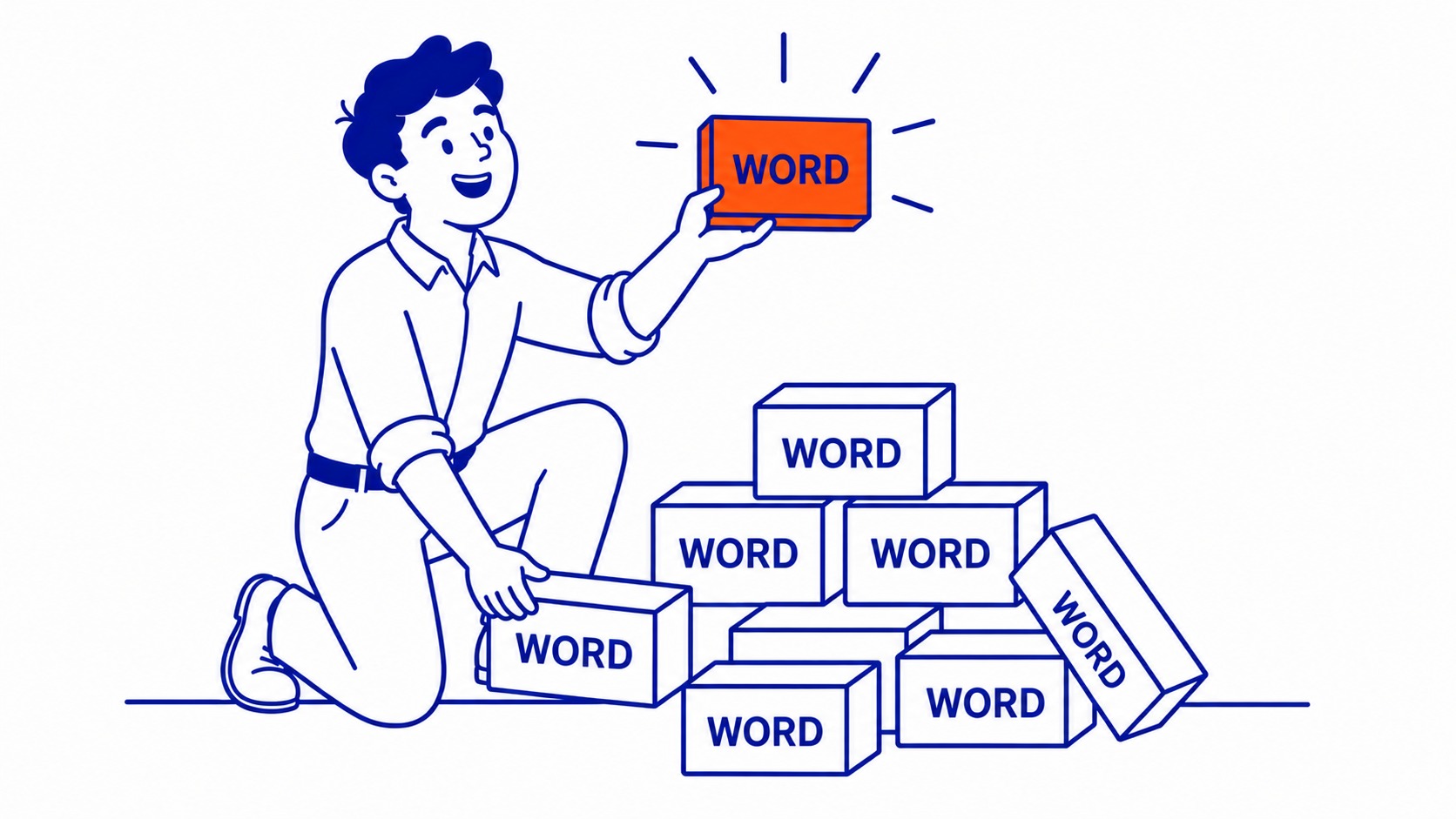
Here is where it goes sideways. Marketers took the phrase latent semantic indexing, shortened it to LSI, and started calling any related term an “LSI keyword.” So when a tool hands you a list of LSI keywords, what it is really giving you is related words and phrases that show up around your topic. Synonyms. Subtopics. Terms that co-occur on pages already ranking for your subject. A useful list, genuinely. Just the wrong label stuck on top of it.
That mislabelling is not harmless either. It convinces people there is a hidden mechanic to game, when the real work is simpler and far less glamorous. That list of related words and phrases matters. The pseudo-science wrapped around it does not.

Does Google Actually Use LSI Keywords?
No. And this matters more than the definition does. Google’s own John Mueller has said, flatly, that there is no such thing as LSI keywords. The original latent semantic indexing patent was designed for collections of a few thousand documents. Meanwhile the web holds trillions of pages. That 1980s math does not scale to anything near that size, and Google has never used the method to rank web content.
What Google does use is far more advanced. Systems like BERT and the models Google shipped after it read context rather than keyword checklists. They already understand that “apple pie recipe” and “how to bake an apple dessert” point at the same intent. The practice survives even though the term itself is fiction, because search engines do reward content that covers a topic thoroughly in relevant, related language. They simply do not reward you for stuffing in a list of “LSI keywords” pulled from a generator and dropped onto the page.
We see the cost of the myth on real accounts. A page padded with forced synonyms reads worse, converts worse, and ranks no better than it did before. The label sells a shortcut that was never there. If you take one thing from this section, take that: the term is dead, but the habit it points at, writing with the full vocabulary of a subject, is very much alive.

What Actually Matters: Semantic Relevance
Drop the LSI label entirely. Keep the idea underneath it, which is semantic relevance. Search engines work out what a page is about by reading every related term on it, not by counting a single keyword over and over. A page about running shoes that also covers cushioning, pronation, marathon training, and arch support signals real depth to Google. Compare that to a page repeating the phrase running shoes forty times, which signals thin content and an author with nothing else to say. Obsessing over how often a term appears, which is all what keyword density is comes down to, misses the point entirely.
That is the genuine reason related words and phrases help your rankings. They supply context. Each one tells a search engine your page covers the subject the way an expert would, using the relevant vocabulary an expert would naturally reach for. If you are still sorting out how SEO keywords work at the foundational level, start there first, because semantic relevance sits one layer above basic keyword targeting and assumes you have the basics in place.
Think about how you talk about your own field for a moment. You do not repeat one term endlessly. Instead you bring in related concepts, concrete examples, and the words that naturally cluster around the subject. Write a page that way and the whole “LSI” question quietly answers itself. The related terms arrive on their own because you actually know the topic.
LSI Keywords vs Synonyms and Secondary Keywords
People mix these three up constantly, so here is the plain distinction, one at a time.
Synonyms are different words for the same thing. “Car” and “automobile.” A synonym swaps in without changing the meaning of a sentence. Helpful for readability, not much else on their own.
Related terms, which is what marketers call LSI keywords, are words that share a topic but are not interchangeable with your main term. Take a page about coffee: espresso, roast, caffeine, brewing, beans. None of those words mean “coffee,” yet every one of them belongs on a thorough page about it. They are the topic’s natural vocabulary.
Secondary keywords are additional phrases you deliberately want the page to rank for, sitting underneath your primary keyword. They carry their own search intent. A secondary keyword is a target you are chasing. The related term beside it is supporting vocabulary that gives the page texture. Their overlap is real, which is exactly why the categories blur in practice, but the job each one does on the page is different.
That distinction shapes how you build the page. Primary keyword sets the topic. Secondary keywords expand the angles you choose to cover. Related words and phrases then fill in the natural language wrapped around all of it. Get those three layers right and you rarely think about “LSI” again.

How to Find Related and Semantic Keywords
Forget the “LSI keyword generator” tools promising a magic list. Most of them just scrape Google’s related searches and charge you for the privilege. You can find the same terms yourself, for free, and usually faster. To find LSI keywords, or rather the related vocabulary behind that label, you do not need a paid generator at all.
Start inside Google itself. Type your keyword into Google and read the autocomplete suggestions as they appear. Scroll down to the “People also ask” box, then to the “related searches” block at the very bottom of the results page. Those are Google telling you, directly, which terms and questions cluster around your topic right now. Current, free, and pulled straight from real search behaviour rather than a stale database.
Read the pages already ranking, too. Open the top three or four results and note the subtopics they cover and the vocabulary they lean on. If five competitors all discuss a subtopic you skipped, that gap is your answer, and it is a far better signal than any generator. This is also where proper keyword research support earns its keep, because mapping those related keywords back to actual search demand is the step most people rush or skip outright.
Tools do help, used sensibly. Anything that surfaces relevant related keywords, common questions, and co-occurring phrases will do the job. The mechanics of how keyword research works do not change because someone slapped the letters “LSI” on the output. You are hunting for the language of the topic, and you grab it wherever you find it.

Using Related Terms Without Keyword Stuffing
Here is the part that trips most people up. Finding related words is the easy half. Using them without wrecking the page is the actual skill.
The wrong way is obvious once you have seen it. Take your list of terms and force every one in, whether it fits the sentence or not. That is keyword stuffing wearing a new name. Google’s spam systems have caught that pattern for years, and readers feel it even when they cannot quite name what feels off. The page reads like it was written for a machine, because it was.
Doing it right is quieter and slower. Write your content properly, for a person, covering the topic in full. Most related terms then show up on their own, because you genuinely cannot write thoroughly about coffee without mentioning roast and brewing somewhere. After that, review the draft. If your content is missing an obvious subtopic, add a sentence or two that earns its place. Never sprinkle terms in for the search engine alone.
One honest limitation worth stating plainly: related terms do not rescue thin content. If the page has nothing real to say, no amount of supporting vocabulary will fix that. Depth comes first. The vocabulary follows depth, not the other way around.
That is the whole game, and it is far less mysterious than the “LSI keywords” framing wants it to be. Cover your topic like someone who knows it. The related language comes with the territory. This is the same story as the meta keywords myth, another SEO idea that outlived its usefulness by a decade and still gets quoted as gospel in beginner guides.
What are LSI keywords examples?
For a page about Calgary coffee shops: espresso, latte, roastery, patio, downtown, wifi, beans. None of those words mean “coffee shop,” yet each one belongs on a page that covers the topic well. That is a related-term list, which is all an “LSI keyword” ever genuinely was. Build the list from how people actually talk about the subject.
What is LSI used for?
The original latent semantic indexing was built for information retrieval across small, fixed document sets, like academic libraries in the late 1980s. It was never designed for the open web at all. The modern use of the borrowed term simply means finding related words and phrases to enrich your content. Same two letters, completely different job.
LSI keywords vs secondary keywords: what’s the difference?
A secondary keyword is a phrase you actively target for rankings, carrying its own search intent. By contrast, a related term is supporting vocabulary that gives a page relevant context and depth. One is a goal you are chasing. The other is texture you are adding. Both belong in strong content, though they do different jobs once they get there.
What are the four main types of keywords?
Most SEOs group keywords by intent: informational, navigational, commercial, and transactional. Informational answers a question. Navigational hunts for a specific site. Commercial weighs options before a purchase. Transactional is ready to buy right now. Match your content to the intent behind the search and the rankings tend to follow far more reliably than any keyword trick. On the paid side, the inverse matters too: what negative keywords are and how they block searches you never want to pay for.
SEO Company To-The-TOP! has been helping Calgary businesses make sense of exactly this kind of thing since 2007. Chasing “LSI keywords” is usually a sign that the basics deserve attention first. If you want a straight answer about what your pages actually need, the Calgary-based SEO team here works directly with you, with no junior handoffs along the way. For paid search the same thinking applies to Google Ads keyword targeting, where covering related terms matters just as much as it does in organic results. Worth sorting out before you pay for another keyword tool you probably do not need.
