How to Learn Google Ads
The first Google Ads account I managed for a client was 2009. A flooring contractor in Calgary. Three weeks in, we found the match types were pulling searches like “hardwood floors how to clean” and “can I install laminate myself.” The campaign was active, clicks were happening, and the phone was not ringing. That is the pattern for most people who learn on a live budget without a foundation first.
Most people searching how to learn Google Ads have already tried once. They ran a campaign themselves. Money went out. Results did not come in. Now they want to know what actually went wrong.
Start with Google’s Own Training
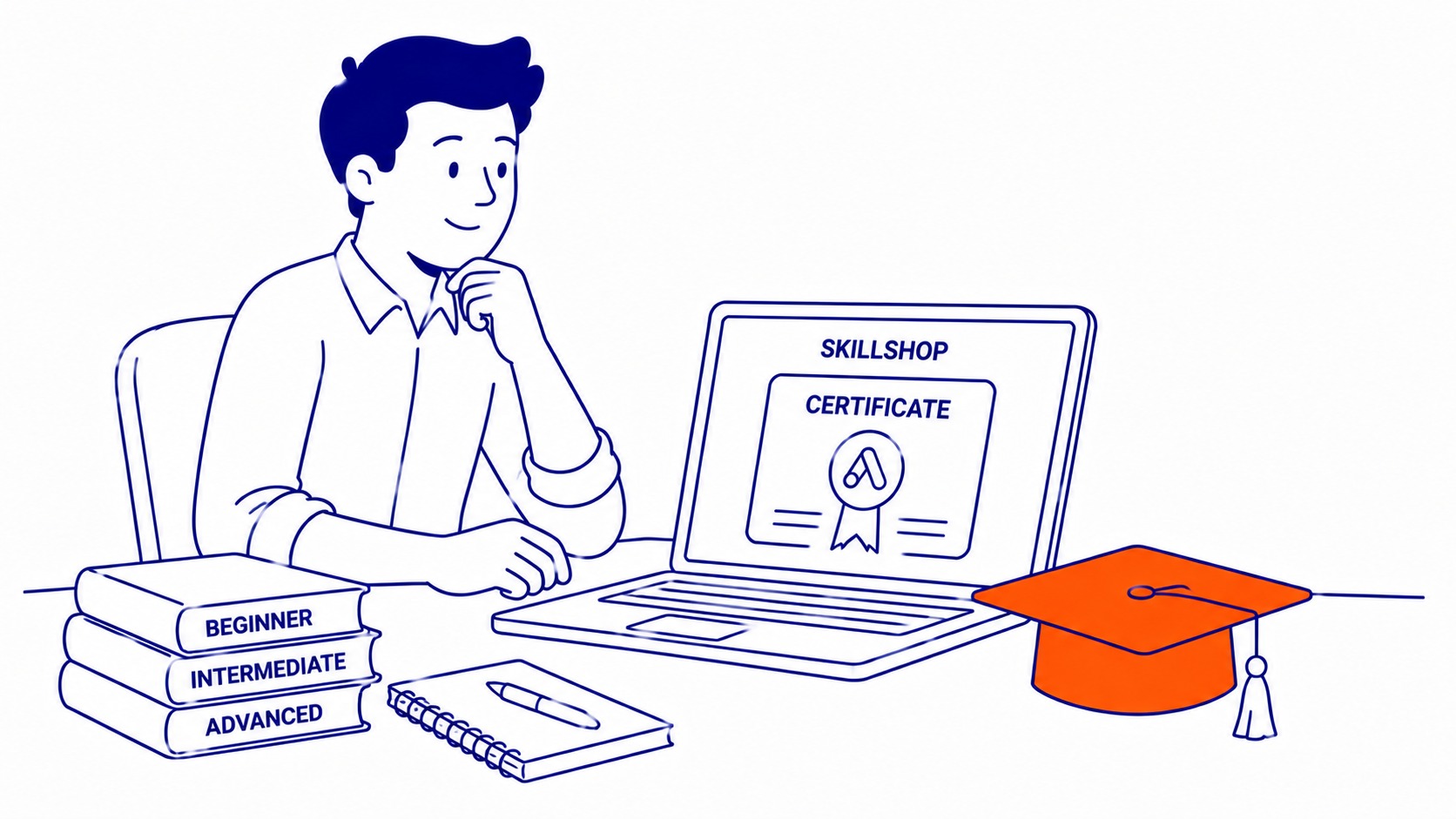
Skillshop is where this starts. Free. Directly from Google. Separate certifications exist for Search, Display, Shopping, YouTube, and Measurement. Working through the Search certification before touching a live campaign is the most useful thing a first-time advertiser can do.
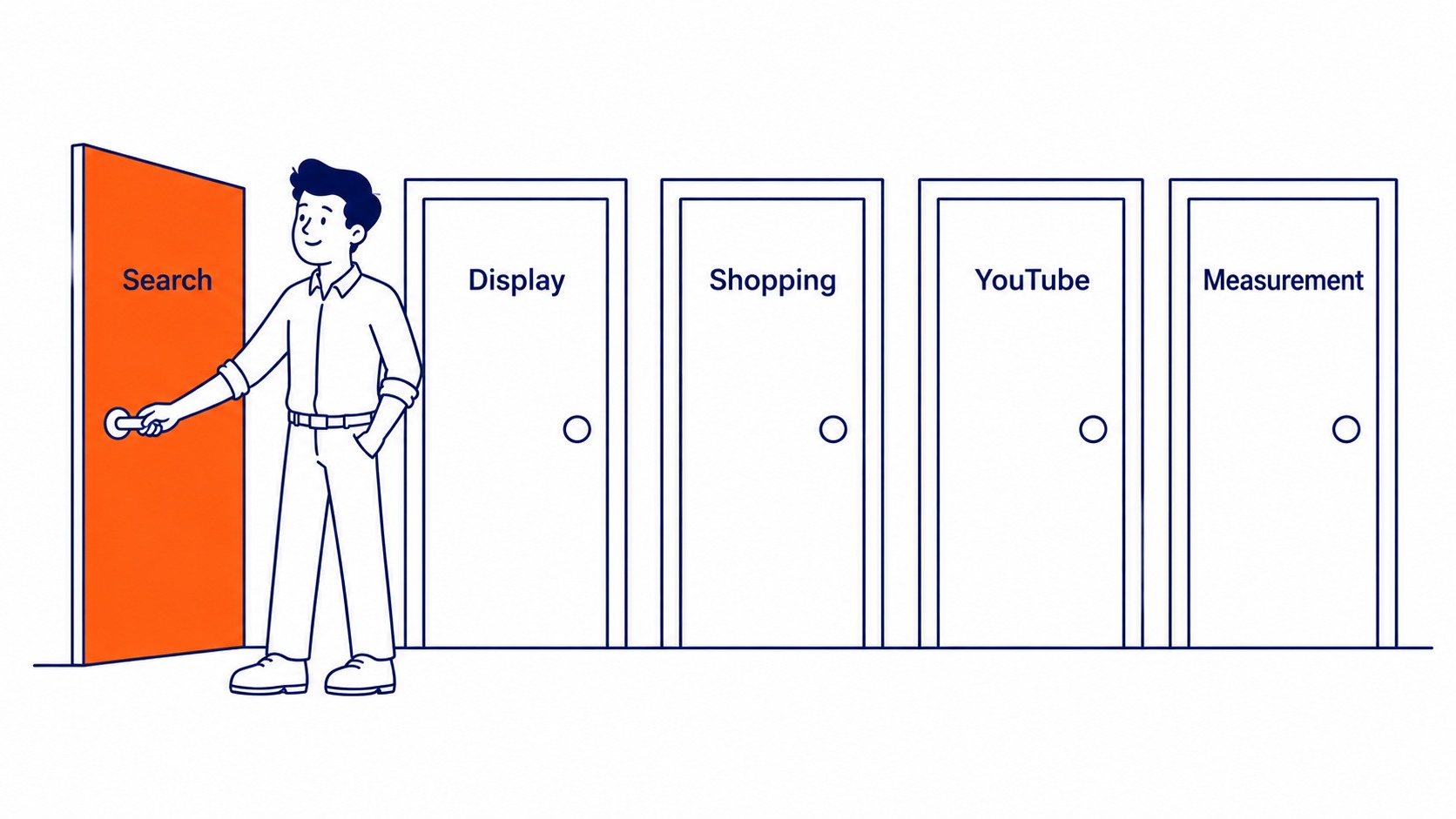
The certifications are not a practitioner course. They cover the architecture: how the account is structured, how the auction works, what Quality Score is built on. That grounding matters. However, none of it replicates the experience of watching a campaign spend $80 in a day with no conversions. Understanding the theory first means fewer expensive lessons on a live account. Theory holds until a first PPC campaign goes live, then the real lessons start. Theory covers the mechanics, not what Google Ads does for business goals in a real account.
What the Training Actually Covers
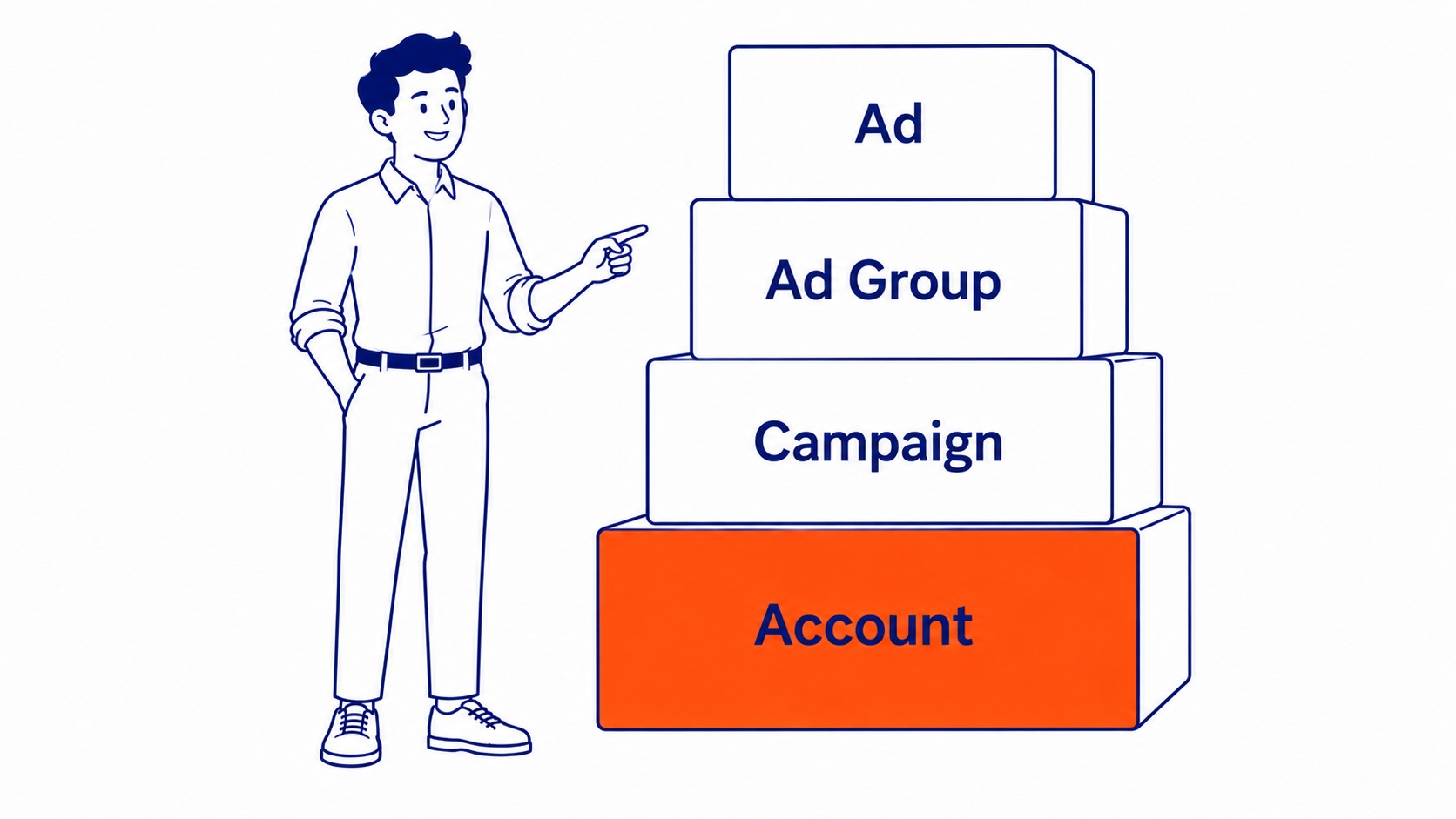
Most of the Skillshop material covers campaign structure. Account to campaign to ad group to keyword to ad. That chain therefore determines which ad shows for which search. Build each layer right the first time. Structural mistakes from setup compound over months.
The guide on Google Ads setup and strategy covers the campaign structure decisions that become clearer once the foundational concepts are in place.
Quality Score is the bid multiplier. Google scores it from 1 to 10. Keyword-to-ad match. Landing page relevance. Historical click-through rate. Those three factors determine the score. Pay less per click. Hold a higher position. Both follow from a high Quality Score. Worth knowing before assuming a bigger budget wins.
Match types determine how closely a search query must match a keyword before an ad shows. Broad match is where beginners overspend. Exact match, however, is where control lives.
Keyword Research Before You Set a Budget
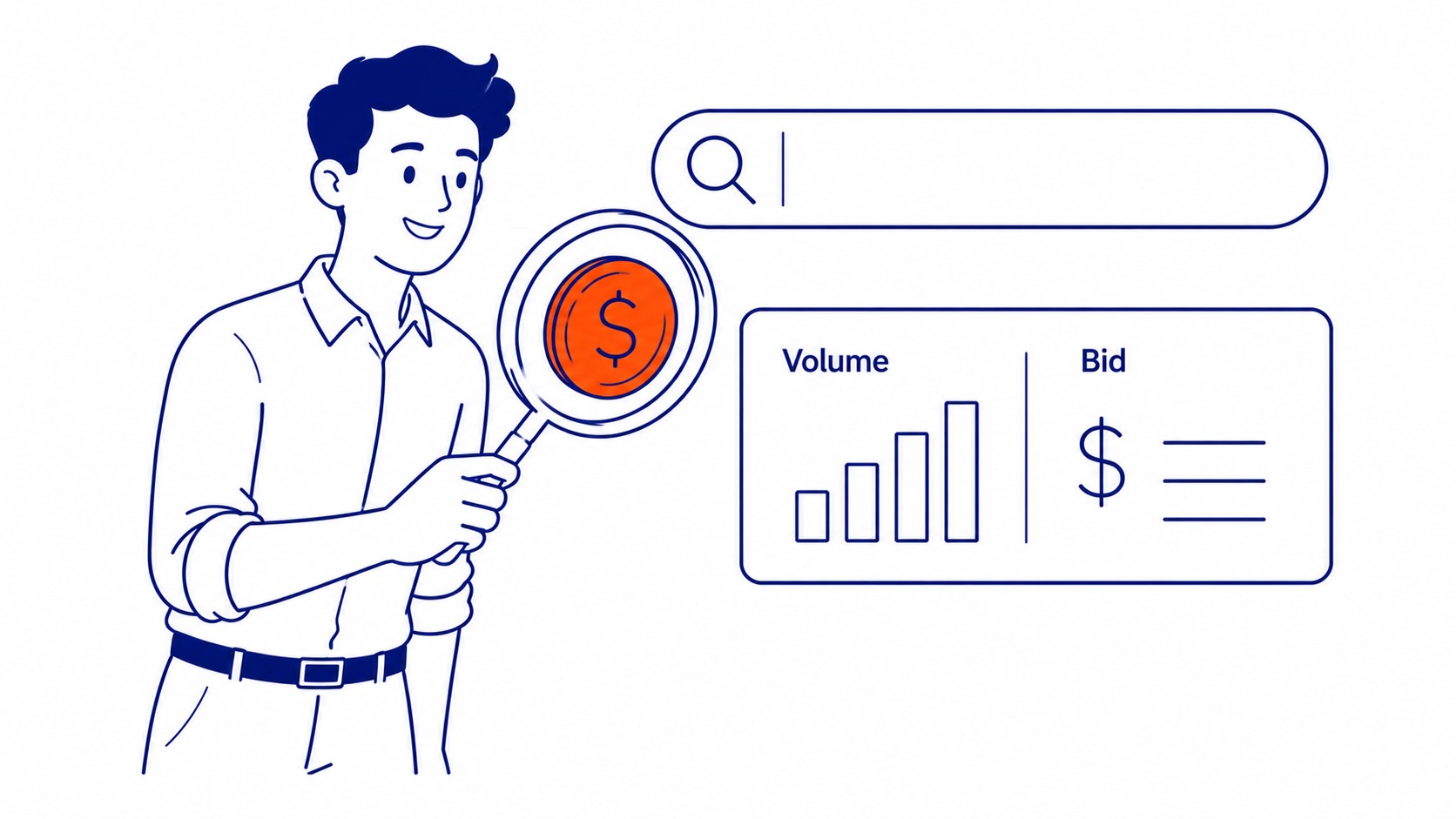
The first dollar goes in after keyword research. Search volume. Competition. Bid ranges. Keyword Planner inside Google Ads surfaces all three. Running it early also tells you whether demand exists for what you want to advertise and what reaching that audience will cost.
Starting with what is PPC builds the vocabulary that makes the Google Ads interface much easier to navigate.
At SEO Company To-The-TOP!, keyword research is a separate stage before any campaign goes live, and competitor keyword research is one of the things it starts from. Skipping that stage means bidding on guesses. The keyword research step is where assumptions about what customers actually search get tested against real data. That is still true for a first campaign or a tenth. Once the search side is stable, what setting up retargeting ads involves becomes the next question.
Conversion Tracking: Configure It Before Spending
Conversion tracking is where most DIY campaigns fail quietly. Ads run. Clicks happen. No data comes back to tell the account which clicks turned into calls, form fills, or purchases. The campaign looks active. Whether it is working is unknown.
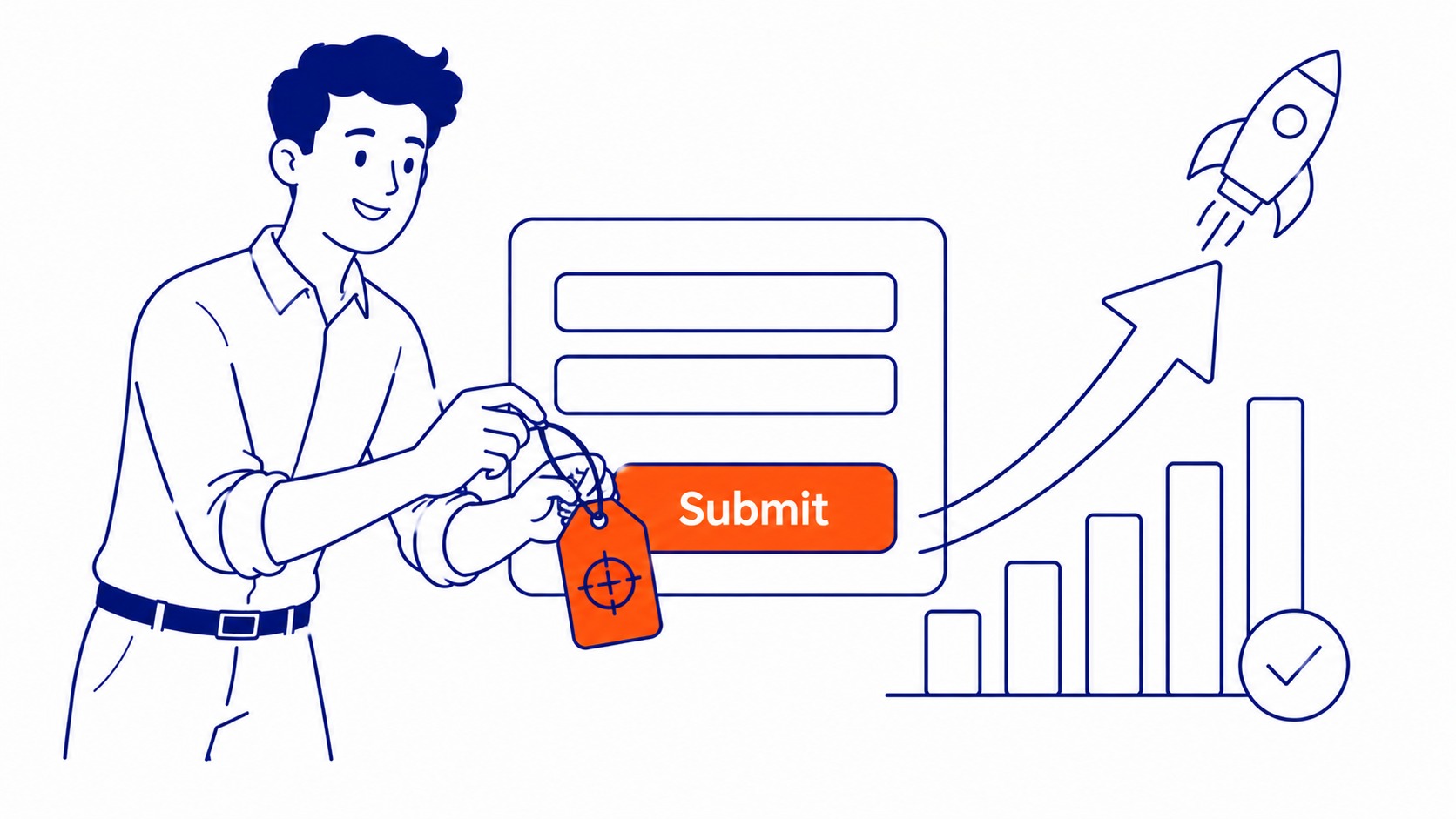
Set up conversion tracking before the campaign goes live. Google Tag Manager makes this manageable for most websites. Connecting Google Analytics or GA4 to the account early also pays off later when reporting on campaign performance matters to your business.
Where Self-Learners Tend to Get Stuck
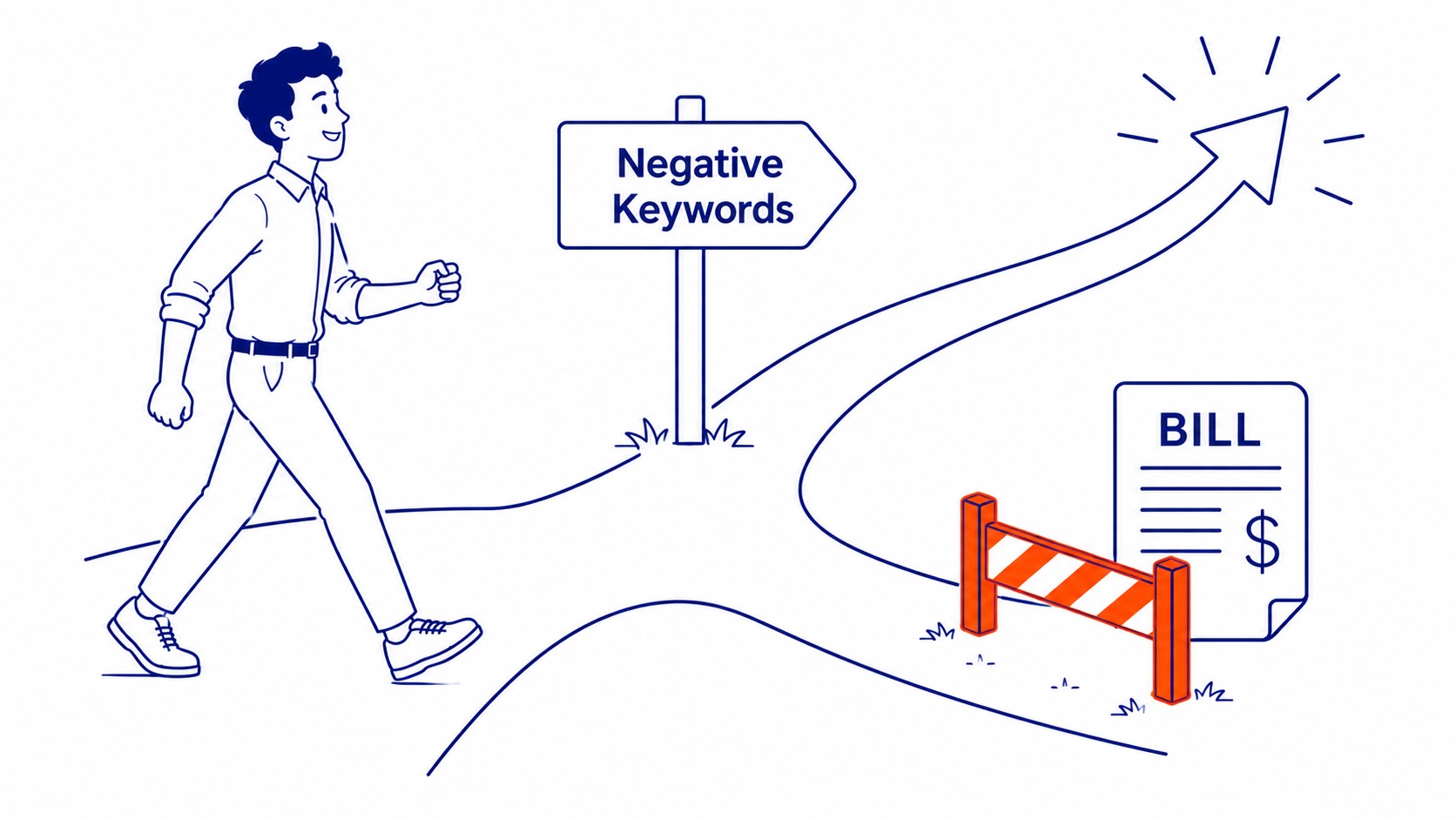
Negative keywords. Most training mentions them briefly. Practitioners still build them aggressively from day one.
A negative keyword list stops the campaign from showing on searches that are related but commercially useless. The classic example: “how to cancel Google Ads” pulling up an ad for Google Ads management services. Every account that skips this step finds out through the billing report.
Device types, ad scheduling, and geographic locations: applying bid adjustments correctly across all three takes real campaign data and time. The training explains what bid adjustments are. Applying them usefully is a different matter.
When Working with a Professional Makes Sense
Self-learning Google Ads is possible. The curve still costs real money while it is happening. Most businesses with a campaign budget above a few hundred dollars a month can recover professional management costs faster than expected. The margin per customer won is the variable that matters most.
To-The-TOP! is a Google Ads management company serving Calgary and Alberta businesses. Campaign setup, ongoing management, and monthly reporting tied to actual results. Worth asking about before committing months to a self-learning period on a live budget. Anybody who looks into our Calgary SEO work will hear the same thing: organic search compounds the effect of paid campaigns over time. Worth running both once the budget supports it.
Business owners in Ladysmith SEO, Lake Cowichan SEO, and Langford SEO often start their Google Ads education with the same foundational questions.
Frequently Asked Questions
Can you teach yourself Google Ads?
Possible. Skillshop covers the foundations for free. Understanding the platform comes first. Getting results from it, however, takes longer. Negative keywords. Bid adjustments. Conversion tracking. Audience targeting. All take hands-on time with real account data to get right. Early campaigns waste money. That is the true cost of learning on a live account.
Is Google Ads easy to learn?
The interface is not the hard part. Account creation, campaign setup, ad launch: all manageable within a few days of Skillshop training. Running campaigns that produce conversions at a profitable cost is harder. That is where most beginners get stuck. The mechanics are learnable, though. Knowing when to pause and where to shift budget takes time. No course shortens that.
Is $20 a day good for Google Ads?
Competitive markets like legal, real estate, or home services: $20 a day rarely produces enough data to optimise from. Lower-competition local searches are different. Niche local searches with limited competition can produce real results from that daily budget. Run the keyword research phase first. It answers the budget question for any specific campaign.
What is the difference between Google Ads and Google AdSense?
Separate platforms. Different purposes. Sponsored results on Google Search flow through Google Ads. So do YouTube pre-rolls, Maps placements, and display ads. Google AdWords was the name before 2018. AdSense puts those ads on publisher websites and shares the revenue. How to learn Google Ads is one question. Making money with Google AdSense is a different path entirely.
Contact Calgary SEO Company To-The-TOP!
Questions about anything in this article, or about your own rankings? Talk to a Calgary SEO specialist directly.
Phone: (403) 308-5949
Address: 1509 14 Ave SW, Calgary, AB T3C 0W4
Hours:
Monday to Friday: 10:00 am – 7:00 pm
Saturday: 12:00 pm – 4:00 pm
Sunday: closed
