What Is Cloaking in SEO?
The question comes up at least once a quarter. A client has spotted something on a forum: a site that supposedly tripled traffic through SEO cloaking, or a competitor holding positions no legitimate page could earn. They want to know whether it still works.
My answer has not changed in nineteen years of this: it works until it does not. The fallout when it stops is rarely recoverable.
Crawlers see different content than what human visitors see on your website. One version of a page for Googlebot. A different version for the person who clicked through from the results. Same URL. Two audiences. Completely different experiences.
Google has explicitly banned this since the early 2000s. That has not stopped sites from trying it.
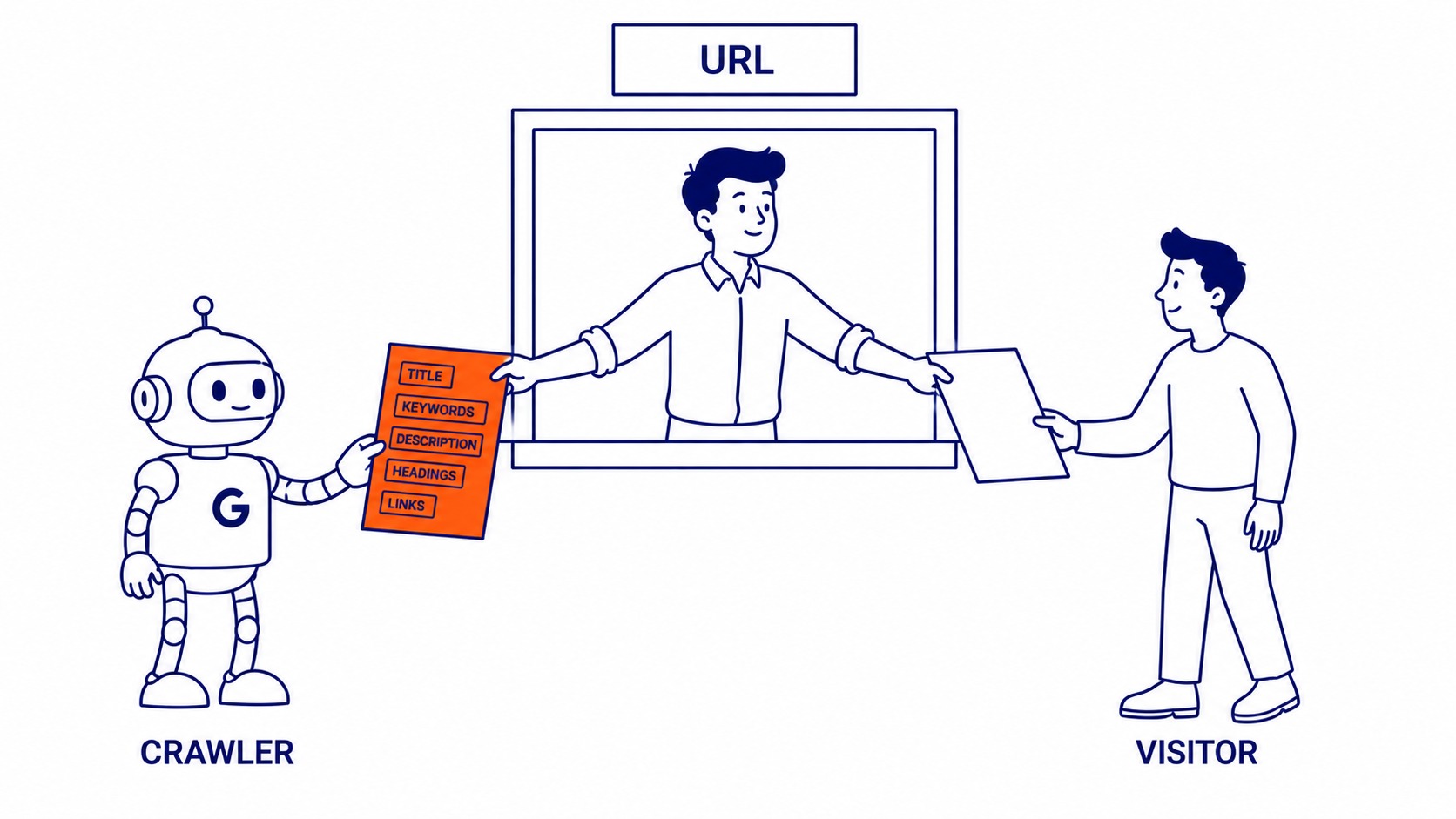
Two Audiences, One URL
The mechanic is not complicated. A request arrives at the server. The server checks who is asking. Bots see a version loaded with keywords and optimised text. Human users land on something entirely different: sometimes a sales page, sometimes a redirect to a different site, sometimes material in a completely different language targeting a different audience.
The logic behind cloaking is that search engine algorithms grade what the crawler indexes, not what your site actually shows visitors. Feed the bot what it wants. Users get whatever converts instead. That is the premise.
From the user experience side, the mismatch is immediate. Someone clicks through expecting the content that ranked, the page about the keyword they searched. What loads is something unrelated entirely. Bounce rate climbs. Conversions go nowhere. The only party that benefited from the exchange was the crawler, and only briefly.
What search engines have been building toward for two decades is the ability to close that gap. Crawlers have grown more sophisticated specifically because this manipulation is so consistent in its appeal. Consistency between what gets indexed and what people actually see is a signal the algorithm increasingly measures. Crawler access is a separate lever, and a definition of robot txt in SEO covers that side. Keeping those two in line is much of the job, as a closer look at SEO services shows.
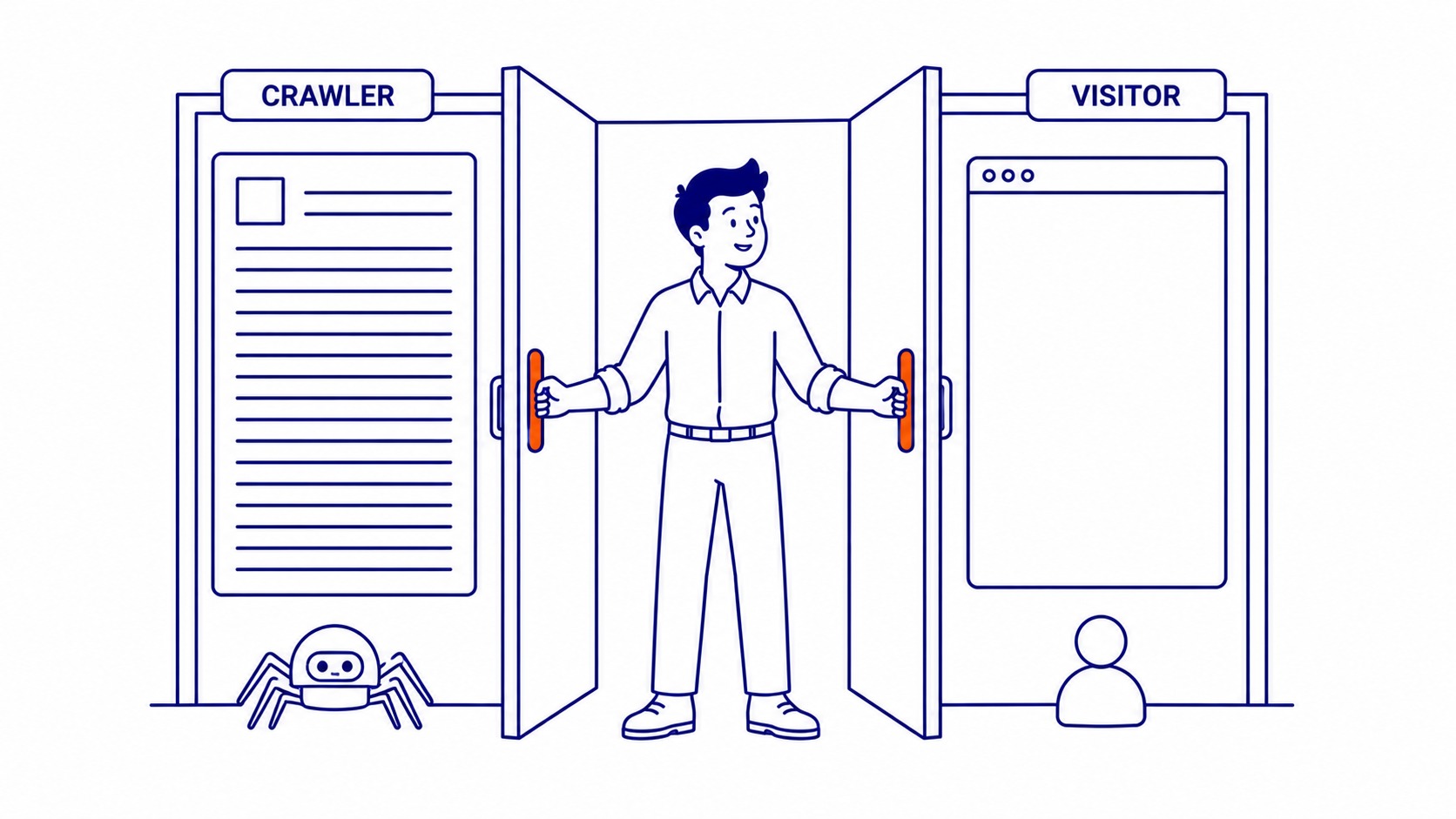
How Search Engine Crawlers Get Tricked
Three methods account for most of what gets caught.
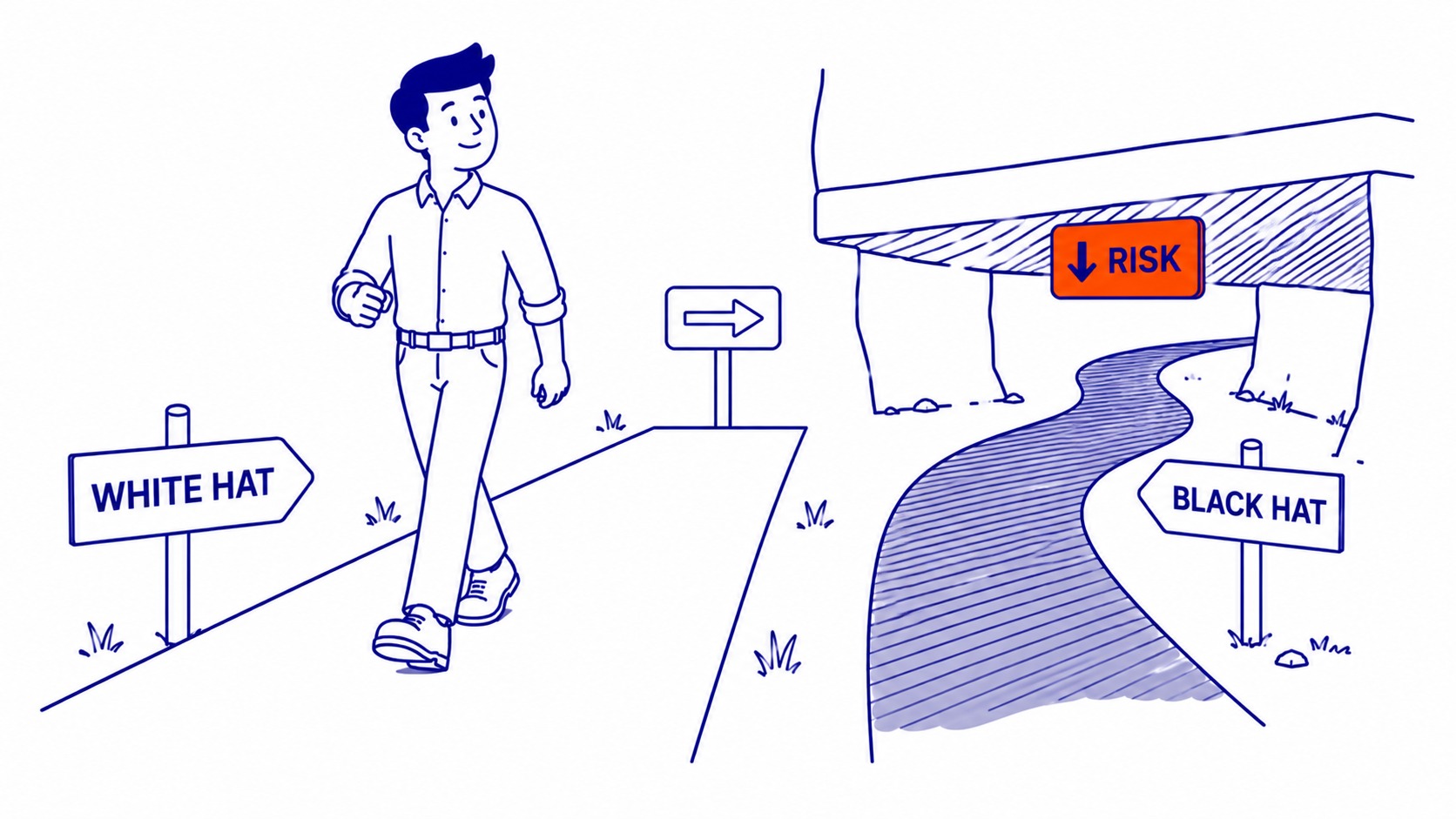
Cloaking sits clearly on the black hat side of the line drawn in what is white hat and black hat SEO.
IP-Based Detection
This method checks the requesting IP address against known crawler ranges. Major search engines operate from identifiable IP blocks. A server configured to check incoming IP addresses serves keyword-optimised pages to those ranges. People landing from a browser get a different page entirely.
Search engines publish their crawler IP ranges and update them regularly. Sites relying on this method need to keep that list current. Any range update creates gaps, and gaps mean the crawler occasionally sees what the page actually shows.
User-Agent Detection
Every browser and bot sends a user-agent string identifying itself. Googlebot announces itself in that string. A server checking the user-agent can route the crawler to one version of your website and human users to another.
This variant is the most common still in active use. Detecting it is straightforward. Search engines regularly deploy anonymous crawlers without a standard bot identifier, specifically to catch this manipulation.
JavaScript-Based Routing
Serving pages differently based on whether scripts could execute was common in the early 2000s, particularly on Flash-heavy sites. Googlebot now renders JavaScript at close to full capability. That shift has made this approach much less effective, though it still appears on older websites that were never cleaned up after the change.
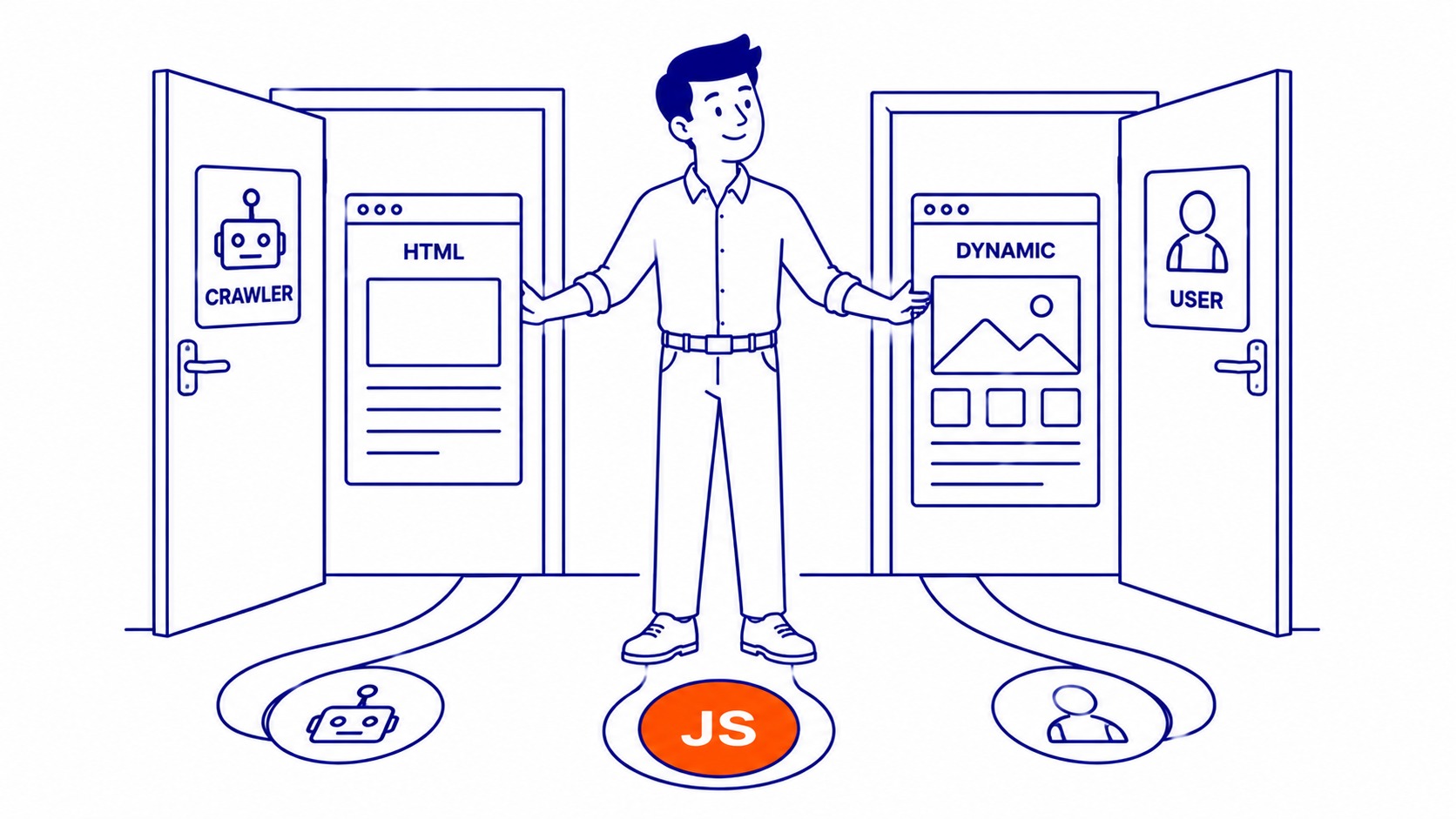
Why Sites Still Try It
The appeal is not hard to see. Ranking through legitimate means takes months. Cloaking promises a shortcut: show crawlers exactly what they want to index, show visitors whatever converts. Some sites make it work for a period.
The full rundown of black hat SEO tactics covers cloaking alongside the other practices that trigger manual and algorithmic penalties.
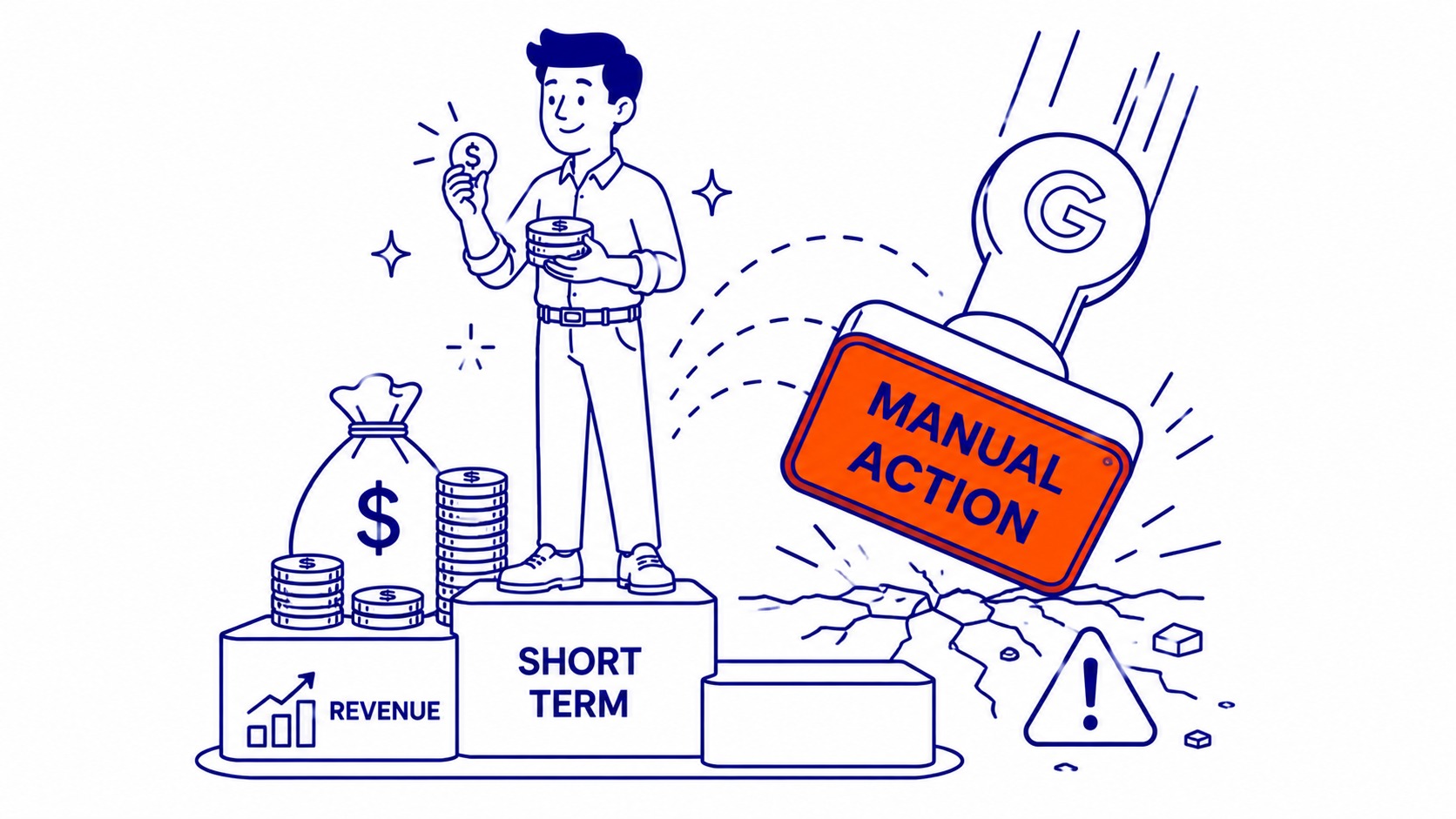
That is what the forum posts celebrate. Nobody publishes the follow-up: the de-indexing, the manual action from a Google reviewer, the visibility gone overnight, the reconsideration request sitting unresolved for months while the domain earns nothing from organic search.
Black hat SEO tactics attract sites chasing short-term revenue. That is a different calculation than what a business building long-term organic performance is actually making.
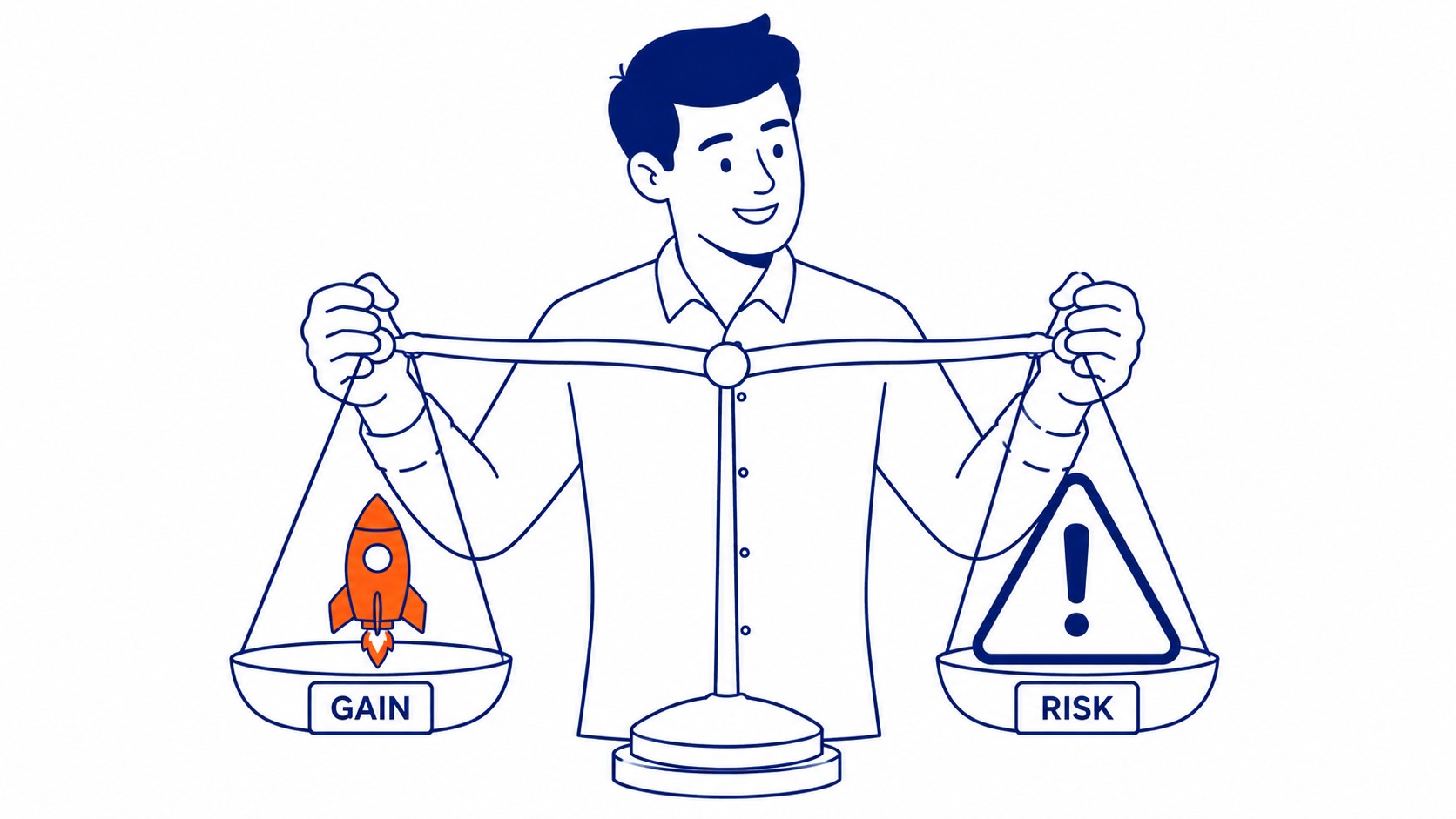
The Penalties Are Real
Google treats cloaking as a serious violation of its Webmaster Guidelines. The penalties that follow are not soft algorithm signals; they are manual actions, applied by a human reviewer. Manual actions appear in Search Console. Resolving one requires a formal reconsideration request that explains the violation, documents the cleanup, and asks for reinstatement.
De-indexing is the other outcome. Not lower rankings. Your site disappears from search results entirely.
Recovery is possible. Most sites spend between three and twelve months rebuilding visibility after a manual action, assuming the problematic material gets fully removed and the request gets accepted. Severe penalties on established domains sometimes compound; trust signals take longer to rebuild than the technical cleanup requires.
Worth knowing before the experiment starts.
White Hat Alternatives to Cloaking
Nineteen years running this Calgary SEO company, and I have not once needed a shortcut that puts a client’s domain at risk.
The services that compound over time are the straightforward ones. A website keyword analysis that checks every term against real search demand, then maps the site to what people actually type. A website audit that surfaces what is already blocking your website from ranking. Content that serves both the crawler and the person who clicks, the same page, one version, no switching required.
For a local search engine optimization company committed to white hat SEO practices, the work takes longer. Three to six months before meaningful movement in most competitive markets. Rankings built this way hold, though. No penalty sitting underneath.
Paid search handles the visibility gap while organic visibility builds. The reporting that comes with Google Ads management is what tells you whether that spend is doing its job, and that is usually the conversation that follows when a client needs results faster than organic can deliver. Two channels. One strategy. Nothing that evaporates under the next algorithm update.
Site owners in Powell River SEO, Prince George SEO, and Prince Rupert SEO want to know where the line sits between optimization and tactics that risk a penalty.
FAQ
What is cloaking in SEO with an example?
This practice means serving crawlers a different version of your website than what human visitors see. A practical example: a page presents crawlers with keyword-dense text targeting pharmaceutical searches. Real users land on an unrelated page. One URL. Two completely separate versions. Search engines flag this as deceptive and apply a manual penalty.
Is all cloaking treated as a violation?
Most of it is. Search engines recognise limited exceptions for accessibility adaptations, where a text version of non-crawlable content is provided alongside the primary version. The test is intent. Serving different content to deceive crawlers is a violation. A text alternative for genuine accessibility is not. That line gets examined during a manual review, not by an algorithm.
What are the 3 C’s of SEO?
Content, crawlability, and credibility: the three pillars. Relevance and depth on the content side. Crawlability covers technical access: can search engine crawlers reach and index your pages. Credibility covers backlinks and domain authority. Cloaking breaks the content dimension by definition. What the crawler indexes no longer matches what people see on your website.
Is SEO dead or evolving in 2026?
Evolving. Faster than it has in years. AI-assisted search changed how results display, but page-level authority and relevance signals still drive the underlying citations. Pages that rank organically still influence AI overviews. Sites most at risk right now are those that relied on shortcuts, keyword stuffing, link schemes, and practices like cloaking, rather than content that genuinely answers the question being asked.
Contact Calgary SEO Company To-The-TOP!
Questions about anything in this article, or about your own rankings? Talk to a Calgary SEO specialist directly.
Phone: (403) 308-5949
Address: 1509 14 Ave SW, Calgary, AB T3C 0W4
Hours:
Monday to Friday: 10:00 am – 7:00 pm
Saturday: 12:00 pm – 4:00 pm
Sunday: closed
