
Dofollow Links in SEO: What They Pass and Why They Matter
Dofollow links in SEO carry more weight than most site owners realize. Seventeen years of auditing backlink profiles, and the question arrives on almost every client call: are these links actually doing anything? Usually the answer is not what people want to hear. Hundreds of nofollow links from directories nobody visits, forum signatures from 2011, social media profiles that pass nothing. Then a single dofollow link appears from a relevant industry site. That one link moves things.
Search engines follow dofollow links and pass authority along them. Nofollow links carry a tag that says stop here. That difference shows up in rankings for your site.
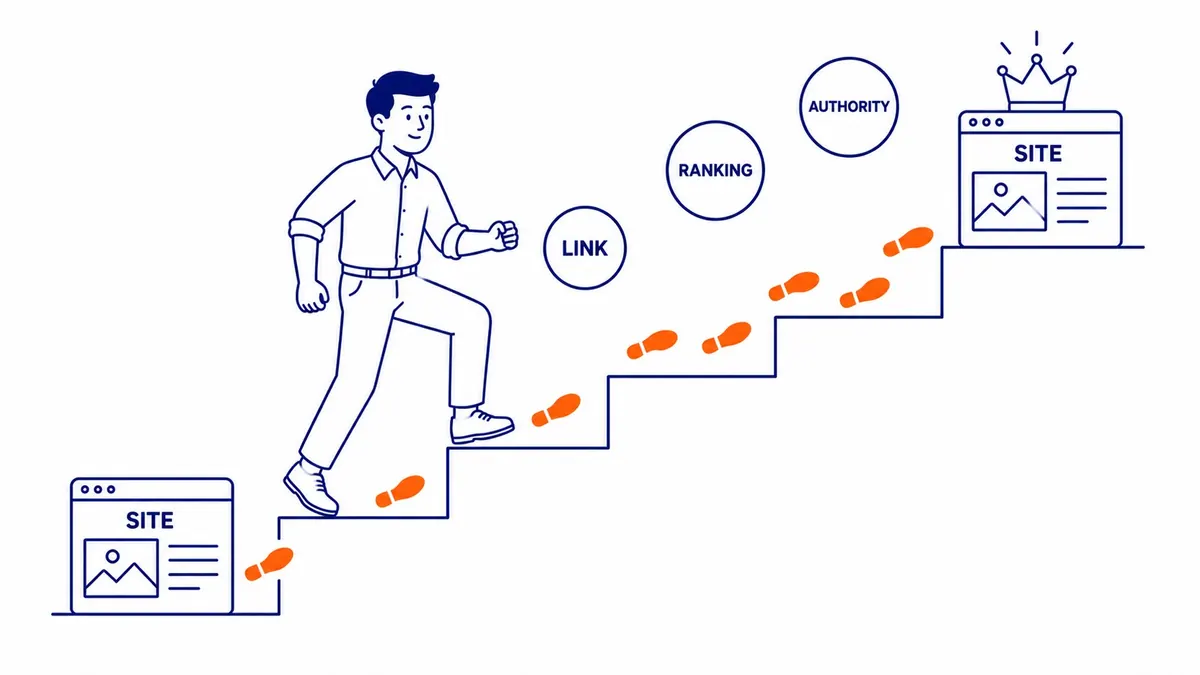
What Makes a Link Dofollow?
Dofollow is the default. Every link is dofollow unless someone adds a rel attribute that says otherwise.
In HTML, a dofollow link looks like any standard anchor tag with no extra attributes added. Search engine crawlers follow it automatically. Whatever authority the linking page holds gets distributed to the destination along that path.
Nofollow links add the nofollow attribute: rel=”nofollow”. That tag tells Google to acknowledge the link exists but not treat it as an editorial endorsement. PageRank stops flowing.
Since 2019, Google added rel=”sponsored” for paid placements and rel=”ugc” for user-generated content. Both function similarly to the nofollow attribute for ranking purposes. Affiliate links and advertisements fall into the sponsored category. Syndicated wire links usually carry one of those tags, which shapes whether press releases work for SEO.
How Search Engines Read Dofollow Links
Crawlers follow dofollow links during indexation. Pages without inbound links get found slowly, or not at all. That is the crawl benefit, and it matters when your site is new or has recently added content.
The explainer on what are backlinks in SEO covers how link equity is built and what makes a referring domain worth earning.
Authority transfer is the second function. PageRank still flows through dofollow links from page to page, even though Google stopped publishing a public score years ago. A dofollow backlink from a site with genuine authority passes some of that value to your site. Accumulated dofollow backlinks from relevant sources build the ranking signal over time.
Worth being specific about what authority means here. Search engines treat dofollow links as editorial votes. A dofollow link from a site in the same industry, pointing to content that addresses what the linking page references, carries real value. Thin directories with no real traffic carry almost none. The value differs substantially even when the rel attribute is identical.
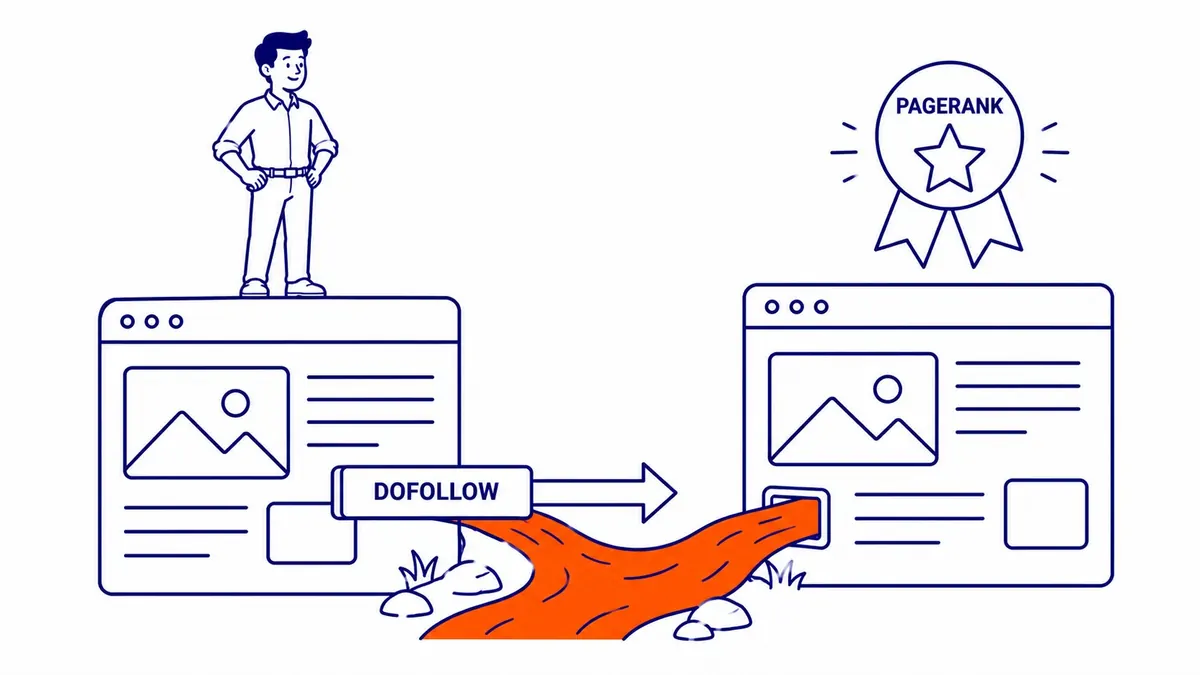
Dofollow vs Nofollow: The Practical Difference
Common nofollow sources: blog comments, forum posts, Wikipedia citations, social media profiles, and most paid placement pages.
what is off-page SEO covers the full range of signals that influence rankings outside your own website.
Common dofollow sources: editorial mentions in blog posts and news articles, resource pages, business listings where the nofollow tag has not been applied, and guest posts where the host editor controls the rel attribute.
This matters when reviewing a backlink profile. Clients arrive with profiles that look substantial on paper. Four hundred links total, and 350 are nofollow links. The 50 dofollow links are doing the actual ranking work for your site. Those 350 contribute almost nothing to rankings, though a natural mix of both still looks organic to search engines.
Chasing nofollow links exclusively wastes the effort. Dofollow links from low-quality sources, however, introduce risk. Run a website audit for SEO to check link quality, and the backlink profile will show you where the real authority is coming from.
PageRank and Authority: What Dofollow Links Move
Search engines were built on the assumption that editorial links represent editorial choices. A site linking to yours without being paid or required to means something. PageRank formalised that idea.
Dofollow links are the mechanism. High-authority dofollow backlinks from sites Google already trusts can lift your site faster than content improvements alone. Content earns links, links build authority, authority lifts rankings across the domain. Missing either side slows the process.
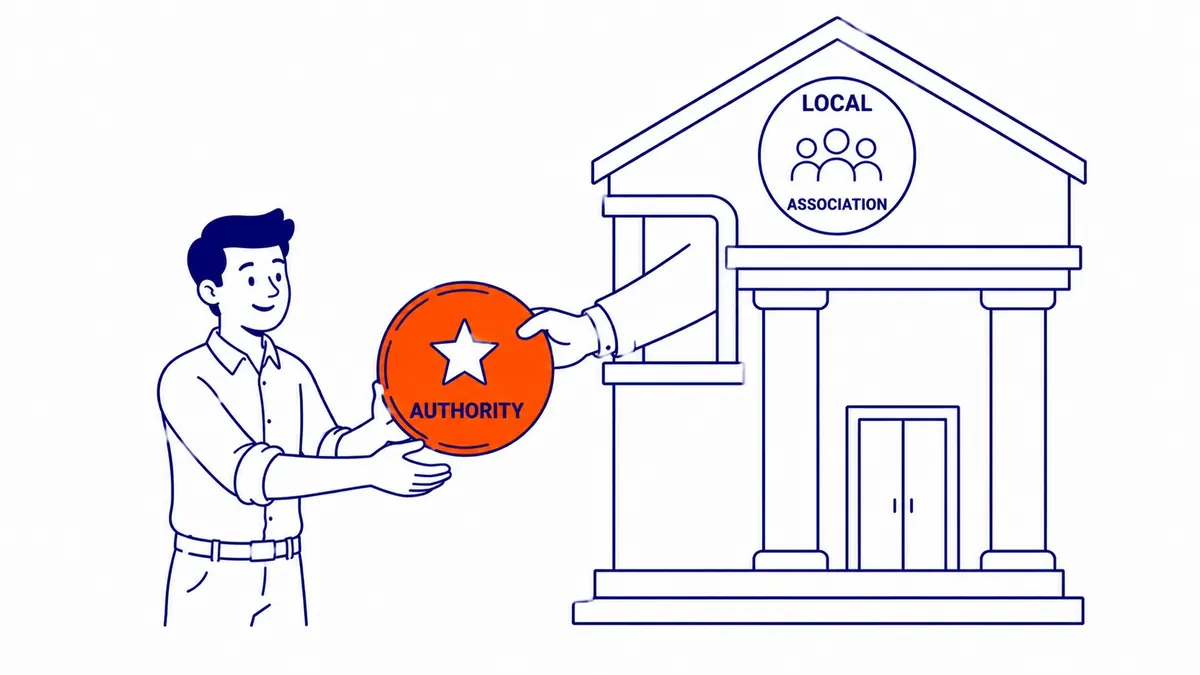
Local authority matters alongside domain-wide authority. A dofollow link from a Calgary business association, a regional news outlet, or a recognised local directory carries more local ranking signal than a national site with no geographic relevance. Anyone doing serious Calgary SEO goes after those regional sources first. Worth factoring in when local search visibility is the goal.
Checking Whether a Link Is Dofollow
Right-click, inspect element, find the anchor tag. No rel=”nofollow”, rel=”sponsored”, or rel=”ugc” in the HTML means the link is dofollow. Your browser makes this check straightforward.
SEO tools handle this faster at scale. Ahrefs, Semrush, and Majestic all flag dofollow and nofollow status in their backlink reports. In our website audit, that column gets sorted first. Dofollow links from relevant, high-authority sites get documented as wins. Nofollow links from low-value sources go into the review pile for your site.
Building Dofollow Backlinks for Your Site
Earning dofollow links takes content worth linking to and relationships worth maintaining.
Guest posts on industry blogs still work when the host carries real traffic and genuine editorial standards. Supplier and partner pages are underused: many businesses have existing vendor relationships that could generate a legitimate dofollow backlink with one conversation. Local directories vary; some apply nofollow by default, others do not.
The practical path: produce specific, useful content on topics your industry actually searches for. That earns editorial dofollow backlinks. Build relationships with local publications, industry associations, and complementary service providers. Those relationships generate the kind of dofollow backlinks that compound over time for your site.
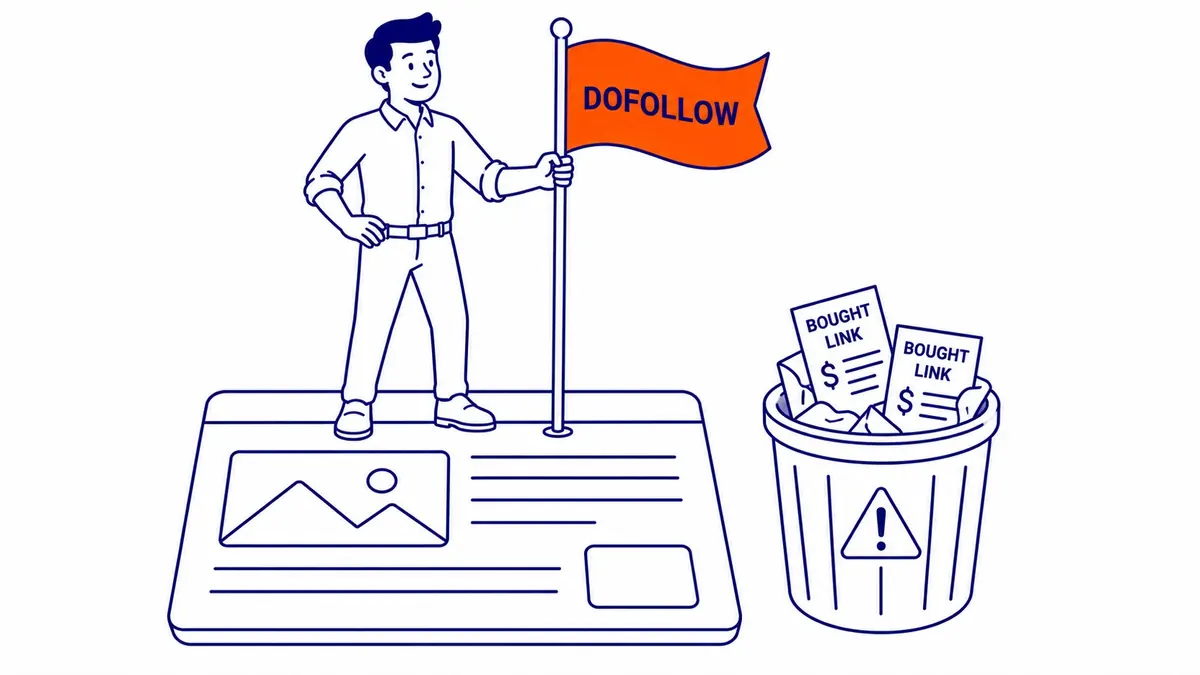
Aggressive link buying and private blog networks introduce risk. Google’s spam detection has improved steadily since the Penguin update in 2012. Short-term gains from purchased dofollow links tend to erode. The penalty exposure does not.
Businesses investing in Calgary SEO come back to the same question: is this link an editorial choice, or was it manufactured? To-The-TOP! has been doing link building since 2007. Sites that rank long-term carry backlink profiles built on actual industry relationships. Paid search through our Google Ads management can generate fast visibility while link authority builds; the two complement each other without cannibalising your site’s content strategy.
Companies in Campbell River SEO, Camrose SEO, Canmore SEO, and Carstairs SEO benefit from understanding how link equity flows through their site structure. Link equity is also where the question of whether backlinks help SEO gets settled.
Frequently Asked Questions
Do nofollow backlinks help SEO at all?
Nofollow links still drive referral traffic when the source site has a real audience. They contribute to a natural-looking backlink profile, which matters when search engines evaluate whether link acquisition looks organic. Ranking signal through nofollow is minimal, however. Whether you are buying SEO services in Vancouver or anywhere else, sound link work does not treat nofollow as the primary ranking lever.
Are all backlinks dofollow by default?
All links are dofollow unless a rel attribute has been applied. Most social media platforms apply nofollow automatically. Blog comments and forum posts typically do the same. Editorial links in news articles and blog posts are usually dofollow unless the publisher configured the nofollow attribute site-wide on external links.
Does link quality matter more than the dofollow attribute?
Quality wins. A dofollow link from a thin website with no traffic and no topical relevance does not move rankings for your site. Nofollow links from genuinely authoritative, high-traffic sites still drive engaged visitors. Both together beat either alone; quality first, attribute second.
Can a spammy dofollow backlink profile cause problems?
Historically, yes. Penguin targeted manipulated dofollow link profiles specifically in 2012. Spam filters have improved since, but a profile full of dofollow links from low-quality websites remains a liability. Build links worth having. Search engine optimization compounds on genuine editorial choices.
How does keyword research connect to earning dofollow links?
Start with the data. A Google rank checker keyword report shows what your industry actually searches for. Content built around those terms earns editorial dofollow links more consistently because editors link to resources that directly address their readers’ questions. Link building and search engine optimization run in both directions.
Contact Calgary SEO Company To-The-TOP!
Questions about anything in this article, or about your own rankings? Talk to a Calgary SEO specialist directly.
Phone: (403) 308-5949
Address: 1509 14 Ave SW, Calgary, AB T3C 0W4
Hours:
Monday to Friday: 10:00 am – 7:00 pm
Saturday: 12:00 pm – 4:00 pm
Sunday: closed