Are Google Ads Worth It? A Straight Take From a Calgary SEO
Are Google Ads worth it? That question lands in my inbox almost every week, usually from a Calgary owner who burned a few hundred dollars and saw nothing for it. The straight answer is not yes or no. It depends on your margins, your tracking, and whether anyone is actually minding the account. SEO Company To-The-TOP! has been running paid search and organic campaigns since 2007. We have watched Google Ads print money for some businesses and quietly drain the bank account of others. Same platform. Wildly different outcomes.
So this is the straight version. No hype, no promises of overnight rankings, just what we have seen work and fail across nineteen years of campaigns.
What Google Ads Actually Buys You
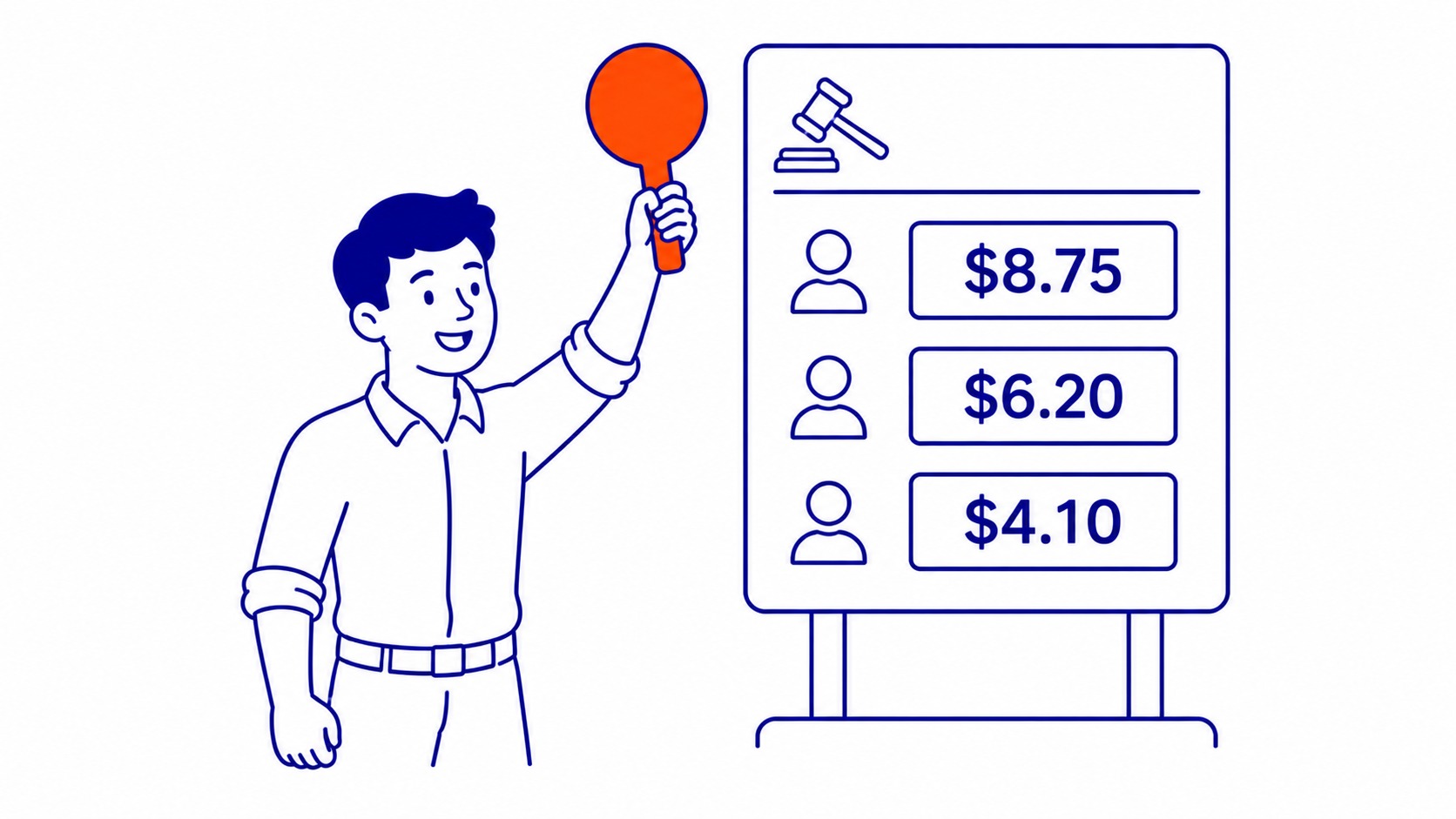
Speed. That is the real product. SEO takes months to move; Google Ads put you at the top of the search results the day the campaign goes live. You bid on the search terms your customers already type. When someone searches, your ad shows above the organic listings, and you pay only when they click. PPC, in plain terms. Nobody clicks, nobody pays.
The appeal is intent. A person searching “emergency plumber Calgary” wants a plumber right now. Compare that to a billboard, which interrupts people who were thinking about something else entirely. Google Ads catches the customer at the exact moment they are looking. That timing is what advertising on search does better than almost any other channel.
It is not only search ads, either. One account also runs YouTube video ads, Gmail placements, Shopping listings, and banner ads across the Display Network. Most local businesses we work with stick to search, though. Intent runs highest there. Picking the right surface is part of what being successful with Google Ads involves. The bigger comparison, Google Ads versus SEO, comes down to how fast you need leads.
The Real Cost of Every Click
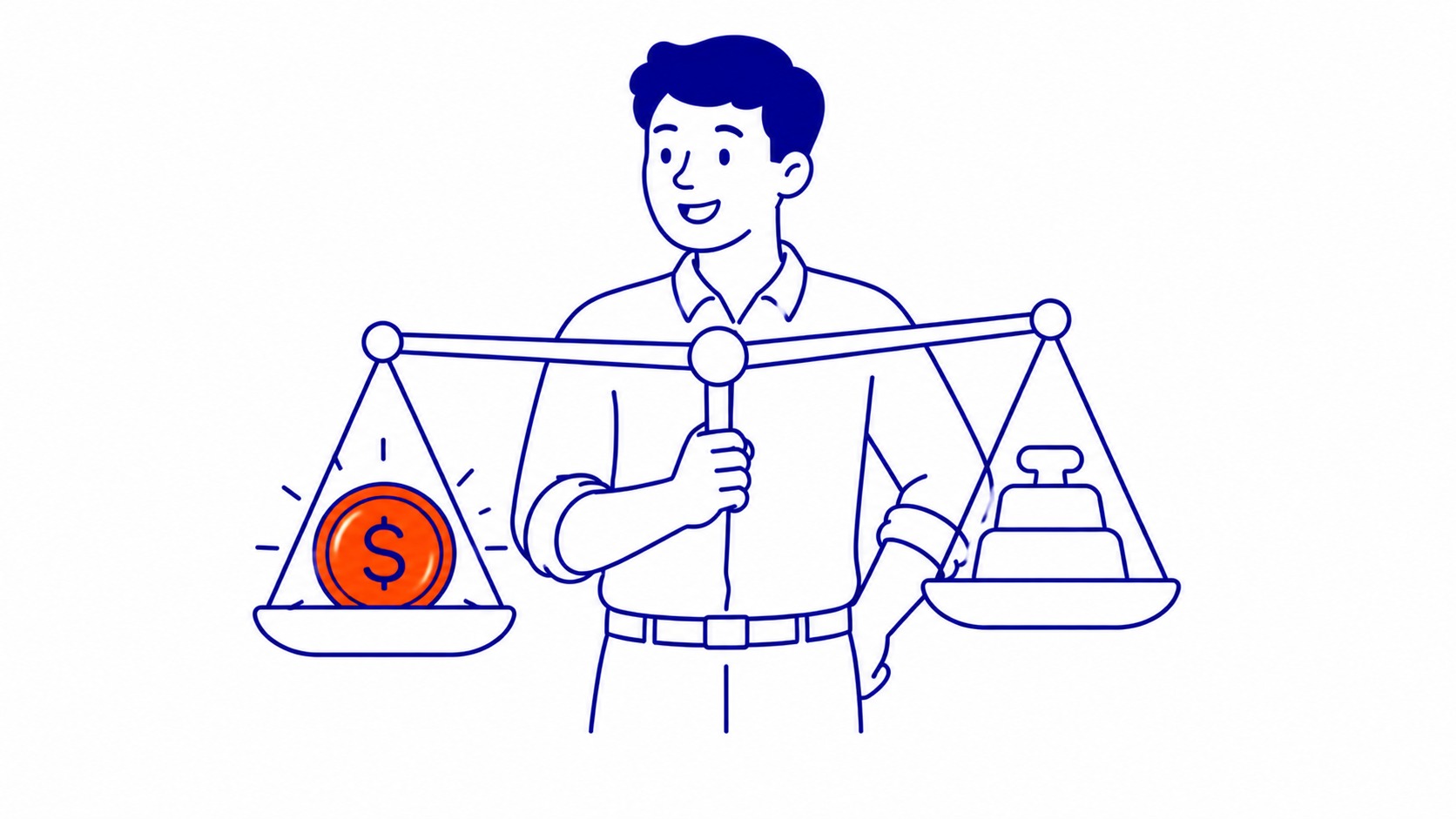
Cost per click is where reality bites. In Calgary, a click might run you two dollars in a quiet niche. It can run forty in legal or insurance, where every advertiser is fighting for the same handful of keywords. Your industry sets the floor, and you do not get to argue with it.
Here is the part most people miss. Google does not just hand the top spot to the highest bid. Quality Score (1 to 10) multiplies against what you bid. Strong relevance between your keyword, your ad, and your landing page means you pay less per click and still sit higher. We have seen a two-dollar bid outrank a five-dollar bid because the cheaper advertiser actually wrote a relevant ad. Quality Score rewards the businesses that do the homework. Relevance beats a fatter wallet more often than people expect.
Then there is the spend that vanishes. Broad match with no negatives, ads pointing at a slow homepage, no conversion tracking at all. That is wasted budget, and it is the number one reason owners decide Google Ads do not work for them.

Who Google Ads Work For, and Who They Don’t
Margins decide this one. A roofer closing four-thousand-dollar jobs can pay thirty dollars a click and still come out far ahead. Sell fifteen-dollar phone cases, though, and that same click sinks you. The math is brutal and it is the first thing we run before recommending paid search to anyone.
Service businesses tend to win here. Lawyers, plumbers, HVAC contractors, dentists, anyone where a single new customer is worth hundreds or thousands. High-ticket and high-intent. That combination is where Google Ads earn their keep. E-commerce stores can work too, though thin margins make it harder and demand tighter management.
Who should think twice? Businesses with no website worth sending traffic to. Pushing clicks at a confusing landing page burns money no matter how good the targeting is. Brand-new businesses with no money to test properly also struggle, because the first month is almost always learning, not profit. We have turned away owners whose numbers simply did not support paid search. Better a straight no than a wasted quarter and a sour taste. Anyone still weighing it should start with the mechanics of Google Ads before touching a budget.

Google Ads vs SEO: Where Each One Wins
Different tools, different jobs. People frame it as a fight, but it rarely is. Google Ads buy visibility today and stop the moment you stop paying. Meanwhile, search engine optimization in Calgary builds visibility that compounds and keeps working after the invoice is paid. One rents the top spot. The other earns it.
At To-The-TOP!, we usually tell owners to run both when the budget allows. Paid search covers the high-intent keywords immediately while the slower work of ranking organically takes hold. Three to six months before SEO shows meaningful movement. That is the realistic timeline, and Google Ads bridge that gap. Our own keyword research process feeds both sides, since the terms that convert in paid almost always reveal what to target organically.
The long game still belongs to SEO. Organic traffic does not charge you per click, and a page that ranks well in month nine keeps earning in month thirty. Paid search is rent. Strong organic rankings are equity. Most healthy marketing budgets carry a bit of both.

What a Healthy Return Actually Looks Like
Track it or you are guessing. That is the whole game. Return on ad spend, ROI in the dashboards, is the one number that finally settles the worth-it question. Without conversion tracking wired up, you have no idea which keywords pay and which bleed. Google Analytics plus conversion tracking inside the ads account tells you exactly what each click returned. Skip that setup and the question “are Google Ads worth it” becomes impossible to answer with anything but a shrug.
A healthy return varies by industry, but a useful rule of thumb is a 3-to-1 or 4-to-1 return on ad spend once a campaign is dialled in. Spend a dollar, make three or four back. Some accounts we manage clear far more, especially in high-margin service work. Others sit closer to break-even and still earn their place, because every conversion also feeds remarketing and brand awareness.
The first thirty to ninety days are different, though. Early conversions cost more while the campaign gathers data and the algorithm learns. Judging Google Ads on week one is like judging a garden on the day you plant it. Give it the testing window before you call it.

Where Ad Budgets Get Wasted
Most waste is self-inflicted. We audit accounts every month and the same leaks show up. Broad match terms with no negative list, pulling in searches that will never convert. A single ad sending everyone to the homepage instead of a focused landing page. Bids set on autopilot and never reviewed.
Conversion tracking missing entirely is the worst of them. An owner spends three thousand dollars, has no idea what came back, and concludes the whole channel is a scam. The channel was fine. Their setup was not. Most of the “Google Ads do not work” stories we hear trace back to one of these four mistakes, not to the platform itself.
Negative keywords deserve a special mention. Add “free”, “jobs”, “cheap”, and “DIY” to a list and you stop paying for clicks from people who were never going to buy. Small change. It saves real money over a quarter. Handing that monthly review to our Google Ads management service is often what turns a leaking account around.

Setting a Budget That Makes Sense
Start with the math, not a round number. Work backward from one closed sale. If a customer is worth a thousand dollars and one in twenty clicks becomes a customer, you can afford to spend up to fifty dollars on clicks per sale and still profit. That single calculation tells you more than any “recommended spend” figure ever will.
For most Calgary small businesses, a real test needs somewhere between a thousand and two thousand dollars over the first month. Enough clicks to gather data and make decisions on something firmer than a hunch. Anything thinner and you are reading tea leaves. Whatever you set, watch it weekly for the first month, then settle into a rhythm once the winners are clear. Our SEO services and our paid search work both start from that same plain math.
Frequently Asked Questions
Is $10 a day good for Google Ads?
It can be, in a low-competition niche. Ten dollars a day is three hundred a month, enough to test one tight group of keywords with a clear landing page. In expensive industries where clicks cost twenty or thirty dollars, that budget buys a handful of clicks and not much data. Match the budget to your click cost, not to a number that sounds comfortable.
Is $20 a day good for Google Ads?
Twenty a day works for a lot of local service businesses. Roughly six hundred a month gives the campaign enough volume to find which terms convert and which to cut. The number that matters is not the daily figure, though. It is your return on that spend. Twenty dollars a day at a 4-to-1 return beats fifty a day at break-even every time.
Is $1000 enough for Google Ads?
For a focused first campaign, yes. A thousand dollars covers a proper test in most local markets, provided the targeting is tight and the tracking is in place. It is not enough to spray across broad terms or chase a national audience. Spend it narrow, learn what converts, then decide whether to scale.
How much is a 30 second ad worth?
That question usually mixes up TV pricing with Google Ads, which do not work that way. On search you pay per click, not per thirty seconds. YouTube is different. You typically pay when a viewer watches the ad or clicks through, often a few cents to a few dollars depending on targeting. There is no flat rate. What an ad is worth comes down to what it returns, and the only way to know that is to track it.
So, are Google Ads worth it? For the right business with the math and the tracking in place, absolutely. A thin-margin shop pointing clicks at a weak page? Rarely. The platform is neither magic nor a scam. It rewards the owners who treat it like an investment and punishes the ones who treat it like a slot machine. If you want a straight read on whether paid search fits your numbers, that is a conversation worth having before you spend a dollar.
Contact Calgary SEO Company To-The-TOP!
Questions about anything in this article, or about your own rankings? Talk to a Calgary SEO specialist directly.
Phone: (403) 308-5949
Address: 1509 14 Ave SW, Calgary, AB T3C 0W4
Hours:
Monday to Friday: 10:00 am – 7:00 pm
Saturday: 12:00 pm – 4:00 pm
Sunday: closed
