How Many Types of Keywords Are There in SEO?
We get this question more than you might expect. Not from people brand new to web marketing. From business owners who have been running search campaigns for years, sometimes with multiple agencies, and still find the terminology shifting because different guides count differently.
The answer ranges from four to 32, depending on the framework. That is not an evasion. Different classification systems serve different purposes. Some organize keywords by what the searcher wants. Others go by length, or by function, or by match type in paid campaigns.
Here is how To-The-TOP! SEO Company, working in Calgary since 2007, actually thinks about keyword categories when planning real campaigns.
The count shifts with the framework
Depends on what you are counting.
Most practitioners organize by purpose first, then by length, then by function. That approach produces somewhere between four and seven categories most businesses need. Guides that reach 27 or 32 keyword types are not wrong. Real distinctions exist. Not all of those distinctions carry the same weight when building a ranking strategy.
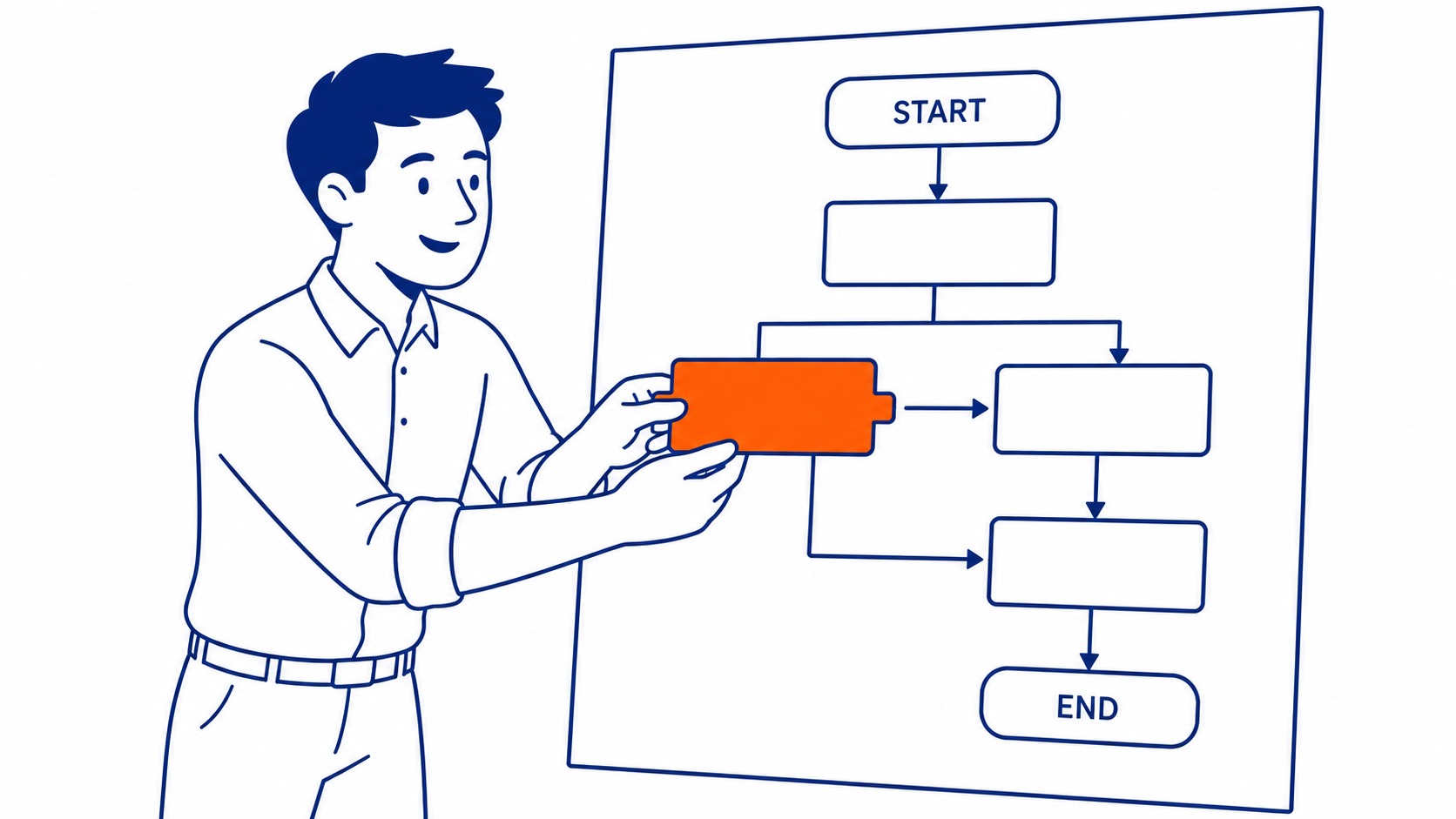
By intent: the four main keyword types
Purpose first. Everything else follows.
Google’s model is built around matching pages to what searchers actually want. Getting that wrong means ranking for visitors who leave immediately. Four categories cover most of the intent landscape for any typical business.
Informational keywords
Someone wants to learn. Nothing more.
“How long does SEO take” fits this pattern. “What is a meta title” fits too. These users are not ready to hire anyone. This type of content belongs in blog posts and guides, where the goal is building topical authority over time. Traffic from these keywords is real. Conversions from them are low. Plan your content expectations accordingly.
The long-term value of these queries is compounding. Pages that answer questions well attract links and establish trust with users who later return when they are ready to act.
Navigational keywords
Already knows where they are going.
Someone types a brand name into the search bar instead of the URL bar. “To-The-TOP! SEO” is navigational. “Ahrefs login” is navigational. These searches do not need to be won through content strategy. People searching your brand are already coming to you. The risk is letting a competitor rank above you for your own brand terms. That happens more than business owners realise.
Commercial keywords
Comparison mode. Not quite ready to commit.
“Best SEO company Calgary” or “SEO agency reviews” fit this pattern. These users are researching before deciding. They want to see options, read about experiences, compare what is available. Pages targeting commercial keywords need to handle objections and build credibility. Blog posts work sometimes. Landing pages with real client references tend to produce better results because these searchers want social proof before they act.
Transactional keywords
Ready to act. Revenue keywords.
“Hire SEO consultant Calgary” or “Calgary SEO services pricing” fit this pattern. Someone typing these queries has already done their research. They are looking for a place to convert. These terms drive the revenue side of any organic campaign. Competition at the top of the results page is intense. When organic ranking takes months to build, our Google Ads management pairs naturally with these terms.
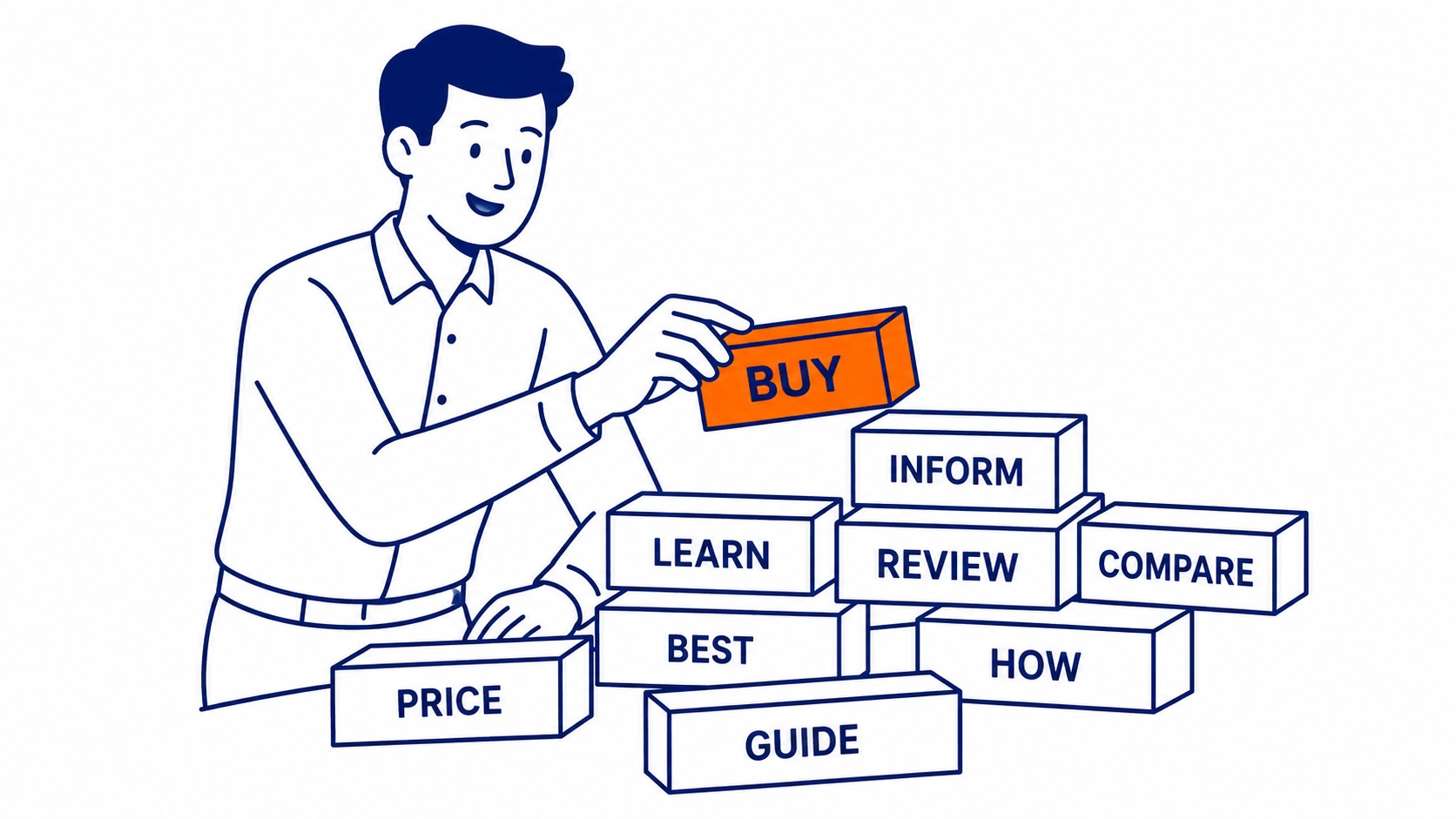
By length: short-tail and long-tail keywords
Length is the second major classification.
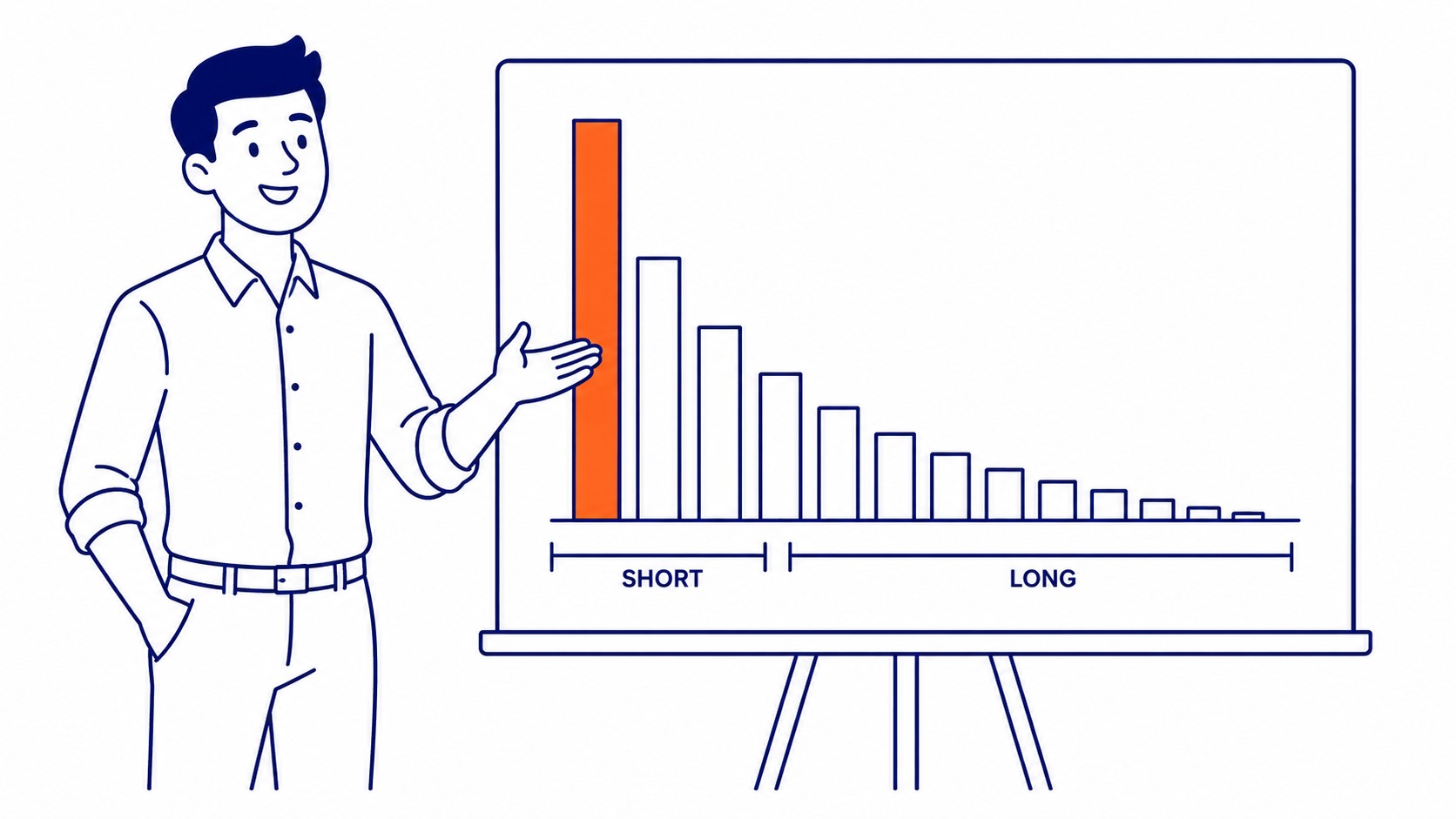
Short-tail keywords are one or two words. “SEO” is short-tail. “Calgary SEO” is short-tail. High search volume. Brutal competition. Vague search intent. A site targeting short-tail keywords exclusively is going to wait a long time for meaningful movement. We have seen businesses spend two or three years chasing these terms with little to show for the effort.
Long-tail keywords are three or more words. “SEO company for small business Calgary” is long-tail. Lower volume per term. Much lower competition. Searcher purpose is clearer. Long-tail keywords account for the large majority of all searches. Per-visit conversion rates tend to run higher because the person knows exactly what they want.
Most of the keyword analysis for SEO that To-The-TOP! runs for clients starts with long-tail targeting, then builds toward shorter and more competitive terms as domain authority grows over time. Reversing that order costs months.

Seed keywords: where the research starts
Every list starts somewhere.
The broad root terms at the top of any research process are what practitioners call seed keywords. “SEO” is a seed keyword. “Running shoes” is a seed keyword. On their own, they are not ranking targets. Pull them into a research tool and expand from there into modifiers, location signals, purpose qualifiers, and question forms. The useful targets live several branches down from the seed.
Skipping a deliberate seed list and diving straight into tools without direction produces messy, unfocused results. Good research starts with a clear seed list built around actual business goals, not search volume alone.

LSI and secondary keywords
Three letters people still argue about.
The letters stand for latent semantic indexing. An older algorithm concept, mostly deprecated as a formal technical framework. What still holds is the underlying idea: relevant related terms and phrases naturally surround any topic. Search engines use them to understand what a page is actually about. Secondary keywords are the practical version of that idea.
A page targeting a query like search engine optimization company Calgary will naturally include “rankings,” “organic traffic,” and “local search.” These related terms help search engines understand the page’s actual subject matter. Pages missing them look topically thin, even when the word count is adequate. Secondary keywords fill out topical coverage. Thorough writing produces most of them without forcing.

Branded keywords
Worth a dedicated section.
Company name, product names, and close variations all fall into this category. “To-The-TOP!” is a branded keyword. So is “To-The-TOP! SEO Calgary.” For established businesses, branded search volume signals existing demand and recognition. For newer businesses, that volume starts low. It grows as awareness builds.
One pattern we see repeatedly: businesses neglect their own branded keyword coverage entirely. No pages targeting brand name variations. FAQ content addressing common brand questions is usually missing too. Competitors then rank for those terms in comparison articles and “alternatives to” pieces. Worth monitoring from day one. Brand terms behave like every other term once you see how SEO keywords work. The wider question of how to use keywords covers branded terms too.

Local keywords: the geography layer
Location changes everything for service businesses.
“SEO” and “Calgary SEO” are different keywords with different purpose and different competition levels. Add a city, neighbourhood, or region and the searcher’s purpose gets far more specific. Someone typing “SEO company Calgary NW” is further along in the decision process than someone typing “what is SEO.” Those two people need entirely different pages to convert.
Local keywords are where our Calgary SEO work can produce results even without massive domain authority. The competition pool is local rather than global. A small business targeting local keyword variants can outrank national competitors on the specific terms that generate actual calls and contact form submissions.
Negative keywords: mostly a paid search concept
Worth knowing before ranking matters.
In Google Ads management, negative keywords prevent ads from showing on irrelevant searches. “Free SEO” added as a negative stops paying for clicks from people who will not hire anyone. That protects budget at scale.
In organic search engine optimization, the equivalent is content targeting decisions. Avoiding keyword targets that pull the wrong audience to the wrong pages. A transactional landing page optimized for an informational keyword attracts users who are not ready to act. The page collects visits and reports poor engagement. Traffic looks fine. Leads do not match.

Matching keyword types to your content
This is where the frameworks earn their keep.
Informational keywords belong in blog posts and guides. Service pages and landing pages take transactional terms. Navigational terms get handled at the brand and homepage level. Commercial keywords work best in comparison articles and service descriptions that build trust through specifics.
Mismatching keyword category to content format is one of the most consistent findings in a website audit. A service-focused keyword buried in a blog post. An editorial keyword as the primary target on a contact page. Both create relevance signals that organic rankings do not reward. A proper keyword research pass maps searcher purpose to content format before anything goes live.
Revisiting this mapping every six months is worthwhile. Your content mix shifts as you add pages, and mismatches accumulate quietly. Search Console surfaces the signal as high impressions with low click-through rates on terms that should be ranking well. Worth going back to keyword fundamentals when that signal shows up.

How many keyword types actually matter for your strategy
Practical number: five to seven.
Informational, navigational, commercial, transactional covers searcher purpose. Short-tail, long-tail covers length. Local and branded where relevant. Those cover the major decisions in any real SEO Services Calgary engagement. Everything else shows up during research and gets handled in context.
Guides listing 27 or 32 keyword types are not wrong. Real distinctions exist. Not every distinction matters equally when planning a real-world campaign, however. Understanding four purpose-based categories and two length categories gets most businesses to 80% of what they need. The remaining distinctions emerge naturally as campaigns mature and your content library grows.
Worth understanding. Not worth overthinking.

Frequently Asked Questions
What are the 4 types of keywords in SEO?
Purpose-based classification gives four. Informational targets users who are learning something. Navigational targets users heading to a specific brand or site. Commercial targets comparison shoppers who are still evaluating options. Transactional targets users who are ready to act. These four categories underpin most keyword research planning and content decisions for any business running organic search campaigns.
How many types of keywords are there altogether?
Depends on the framework. Four to seven covers the categories most businesses actually use: the four purpose types, short-tail versus long-tail, and local or branded variants where relevant. Some classification systems expand to 27 or 32 by including sub-categories such as seed terms, LSI terms, negative terms, niche terms, and seasonal variations. All of these are valid distinctions. Not all of them are equally useful when making everyday campaign decisions.
What is the 80/20 rule in SEO?
Roughly 80% of all searches use long-tail keyword variations, not the handful of high-volume head terms most businesses chase first. The practical implication: targeting a broad cluster of specific long-tail keywords often outperforms targeting a small set of competitive head terms. Thorough keyword research matters more than volume-chasing. Matching your content to search intent rather than search volume alone tends to produce more durable organic results.
What are the 4 pillars of SEO?
Different frameworks name these differently. A widely used version: technical SEO, on-page content, authority and link-building, and user experience. Keywords connect to all four pillars. Your content is the most directly keyword-driven pillar, but technical decisions and authority-building both depend on targeting choices made early in the process. Getting these keyword categories right affects every other pillar downstream.
Contact Calgary SEO Company To-The-TOP!
Questions about anything in this article, or about your own rankings? Talk to a Calgary SEO specialist directly.
Phone: (403) 308-5949
Address: 1509 14 Ave SW, Calgary, AB T3C 0W4
Hours:
Monday to Friday: 10:00 am – 7:00 pm
Saturday: 12:00 pm – 4:00 pm
Sunday: closed
