Can You Steal Competitors’ Traffic on Organic Keywords?
That question comes up on almost every discovery call. Not always in those words. But the idea is the same. Someone ranks above you on the competitor keywords you want. Can you take that traffic?
The quick answer is yes. Straight follow-up is that it takes sustained work and realistic timelines.
Framing this as theft misses the point. It is competitive ranking. A competitor holds a position because they built something Google values. Better content, stronger backlinks, cleaner technical foundation. Displace that and the traffic shifts to your site.
To-The-TOP! has run this process since 2007. Finding where your competitors are exposed. Building toward those positions. It works. Just not overnight.

What “Stealing” Traffic Actually Means
Not magic. Not overnight.
A competitor ranking for a keyword has already passed Google’s bar. Their page is currently the best available answer for that query. Displacing them means building a more complete answer to the query. Stronger relevant backlinks. Cleared technical standards.
Organic search is not a zero-sum pie. Multiple sites rank for the same keyword at the same time. Your competitor does not disappear from results when you climb. But position one captures a disproportionate share of clicks.
28%. That is roughly what the top organic result gets. Position two gets around 15%. Below that, position three drops under 10%. Every move up the page matters.

Your competitors are not actively defending their rankings. They built something at some point and Google has held their position since. Out-build them, however. The rank shifts. That is the whole process.
Realistically, expect six to twelve months before meaningful movement on competitive keywords. Shorter on thin or low-authority competition. Longer on well-established national players. The timeline is not a reason to delay starting. Six months of waiting is the idea behind organic SEO in one line.
How to Find the Keywords Your Competitors Rank For
Three tools dominate here.
Ahrefs is the one most practitioners rely on for this work. Drop your competitor’s domain into Ahrefs and it returns the full organic keyword list. Volume, current position, estimated clicks for each term. SimilarWeb adds organic visit share data. SEMrush covers similar ground with a slightly different data model.
Practically, pull your top three competitors. Look for the keywords where they rank between positions 4 and 15. High enough to generate real visits. Not so strong that displacing them is a multi-year fight.

That is why our keyword research always includes a competitor organic audit. What your competitors rank for is a map of proven demand. Real people searched those terms. Visits followed. Your job, still, is to build a better answer for the same queries.
Position 4 through 15 is the sweet spot for targeting. Strong enough to matter. Weak enough to move.
Practitioners check early whether the ranking competitors are direct competitors or tangential ones. An industry publication holding position 6 on a term is a very different challenge than a local competitor holding that same position. Domain authority gaps tell part of the story. Content depth gaps tell the rest.
SimilarWeb shows what share of a competitor’s visits is organic. Useful when deciding which competitor to study first. A site drawing 80% of visits from organic search has a keyword profile worth understanding.
To-The-TOP! still runs a full competitor organic keyword audit before building any content strategy for a client. It is where the real opportunities surface.
Which Competitor Keywords Are Worth Chasing
Not every keyword is worth your time.
Branded terms are the first filter. Queries that include a competitor’s company name are mostly research queries. Someone searching for a competitor by name is usually investigating them specifically. Ranking for those terms is possible in some cases. Converting those visitors to your own business is harder.
Search intent is the second filter. A keyword sending 4,000 monthly visits to your competitors only matters if those visitors are in your market. Informational queries inflate visitor counts. Transactional and local queries are where customers actually live.
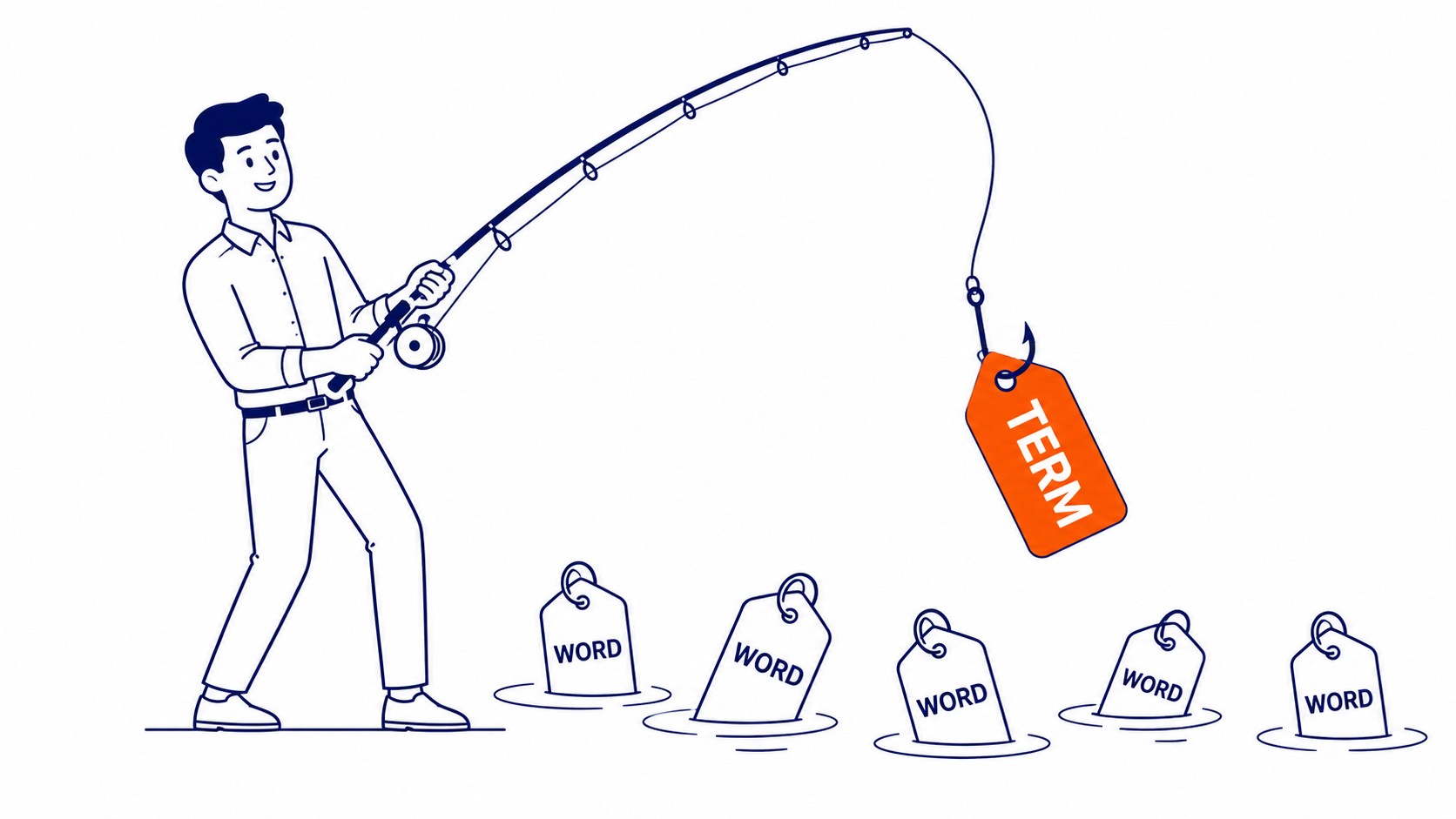
Keyword difficulty is the third filter. If four established domains hold positions one through four on a term, breaking into that cluster takes time and resources. Look instead for keywords where your competitors rank well but their page falls short. Thin content. Outdated information. Poor structure. Each one is an opening worth targeting.
Low-competition keywords in your niche are often the entry point. Smaller volume, less competition. Win those first. Build domain authority. Then move toward the harder terms in your niche. Authority compounds, furthermore.
Your niche has specific queries your competitors currently own. Finding those queries is still half the work. Prioritising them is the other half.
One underused tactic is targeting keywords where your competitor barely holds page one. They have some authority on those terms. But they have not fully committed. Those are often faster wins than targeting their strongest pages.
How to Rank Above a Competitor on Their Own Keywords
Better content alone is not enough.
Three factors drive organic ranking movement. Content quality. Backlink authority. Technical SEO. Missing any one stalls progress regardless of the other two.
Start with the content gap. Pull your competitor’s ranking page and read it. What does it not answer? Which topics does it skim? A page that answers the full query more thoroughly than the current top result is the starting point for those keywords.
Then look at their backlink profile. Ahrefs shows where their links originate. Some of those sources are reachable. Others are not. Closing enough of the backlink gap, however, means your content quality can do the rest of the work.

A proper SEO web audit before publishing surfaces the technical issues that hold pages back regardless of content quality. Page speed. Crawlability. Mobile rendering. Internal linking structure. Any one of those gaps suppresses pages that should rank.
Internal linking from your existing content to the new page matters in competitive niches. Competitors with long-established sites often have deep internal link networks supporting their top pages. A new page competing against them starts without that. Building internal links from relevant existing pages is, therefore, one of the faster ways to close that gap.
Any Calgary SEO services that promise faster are worth questioning before you commit. Six to twelve months is the realistic window for meaningful movement on competitive terms. Sometimes longer on established national competition.
Patience is not a weakness here. Organic authority compounds. A page that reaches position three this year also builds on itself next year. Paid traffic does not do that. Stealing a rival’s terms is one route; increasing organic keywords across your own pages is the slower one.
Should You Target a Competitor’s Brand Name as a Keyword?
Worth thinking through first.
Ranking organically for a competitor’s brand name is technically possible. Their homepage will win almost every branded query, however. Displacing that result takes enormous domain authority. Usually not where the effort is best spent.
Paid search is a different story, however. With our Google Ads management, bidding on a competitor’s brand name is on the table. Someone searches for your competitor. Your ad appears above or alongside their organic result. Standard practice in competitive markets. Legal in Canada and most jurisdictions. The rule is that your ad cannot impersonate them or use their brand identity in the ad copy.

Organic and paid search work differently but complement each other, though. Calgary SEO builds the long-term compounding asset. Paid search gives immediate visibility on terms where waiting months is not an option.
A business targeting competitor traffic effectively usually uses both channels. Organic for queries where ranking is realistic over a three to twelve month horizon. Google Ads management for terms where showing up now matters more than long-term compounding.
Not every business needs both. But knowing what your competitors are already bidding on is useful intelligence. Their paid keyword strategy signals where they believe the valuable organic visits live.
Some terms are dominated by Google Ads placements above organic results. On those queries, even a strong organic position gets buried under two or three paid ads. Understanding that landscape before investing months in organic ranking is worth the half hour of research. Half of that research is just pinning down the meaning of a keyword in the first place.
Frequently Asked Questions
What is the 80/20 rule for SEO?
About 20% of keywords on any list will drive roughly 80% of organic traffic. Practically, two or three high-volume terms in your niche will outperform dozens of low-volume terms combined. Identify the 20% that carry real search volume in your market. Build toward those first. Long-tail keywords fill out topical authority over time, but the volume sits in a small cluster of head terms.
Is it legal to use a competitor’s name as a keyword?
Bidding on a competitor’s brand name in Google Ads is legal in Canada and most jurisdictions. What is not permitted is impersonating them or copying their branding in ways that confuse searchers about who is actually advertising. Organically, mentioning a competitor’s name in content is not restricted by law. Worth legal review before running ads that directly reference a competitor’s name in the actual ad copy or sitelinks.
How do you spy on competitors’ keywords?
Ahrefs is the primary tool. SEMrush covers similar ground. SimilarWeb adds visit share data. Drop a competitor’s domain into Ahrefs and the full organic keyword list comes back. Volume, ranking position, estimated clicks for each term. Free options exist. Google Search Console reveals your own ranking queries. Manual searches surface competitor page structures. Paid tools go deeper, however. For serious competitor analysis, Ahrefs is where most practitioners start.
Does SEO drive organic traffic?
Rankings in search engines produce organic visits without paying per click. Search engine optimization is the process of improving those rankings. Technical fixes. Content development. Backlink acquisition. It takes months before results show. Once they do, traffic compounds over time, furthermore. That compounding is what makes SEO the highest long-term return channel for most businesses. Paid traffic stops the day the budget stops. Organic authority keeps earning.
Contact Calgary SEO Company To-The-TOP!
Questions about anything in this article, or about your own rankings? Talk to a Calgary SEO specialist directly.
Phone: (403) 308-5949
Address: 1509 14 Ave SW, Calgary, AB T3C 0W4
Hours:
Monday to Friday: 10:00 am – 7:00 pm
Saturday: 12:00 pm – 4:00 pm
Sunday: closed
