
How AI Overview Will Change SEO
Not a future concern. Something already reshaping organic search in real time. Google AI Overview launched widely in 2024. Further expansion through 2025 and into 2026 followed. 4 in 10 informational searches trigger it now. Every time it fires, the organic results sitting below take measurable click losses. The SEO playbook from three years ago is not the one working today.
Structural change, not a temporary dip. Synthesized answer at the top first. Organic listings appear below it. Users see the answer. Many stop there. Yet businesses cited inside those AI Overview summaries report CTR gains up to 35% above their organic baseline. The priority has moved from ranking first to becoming the source Google trusts enough to pull from.
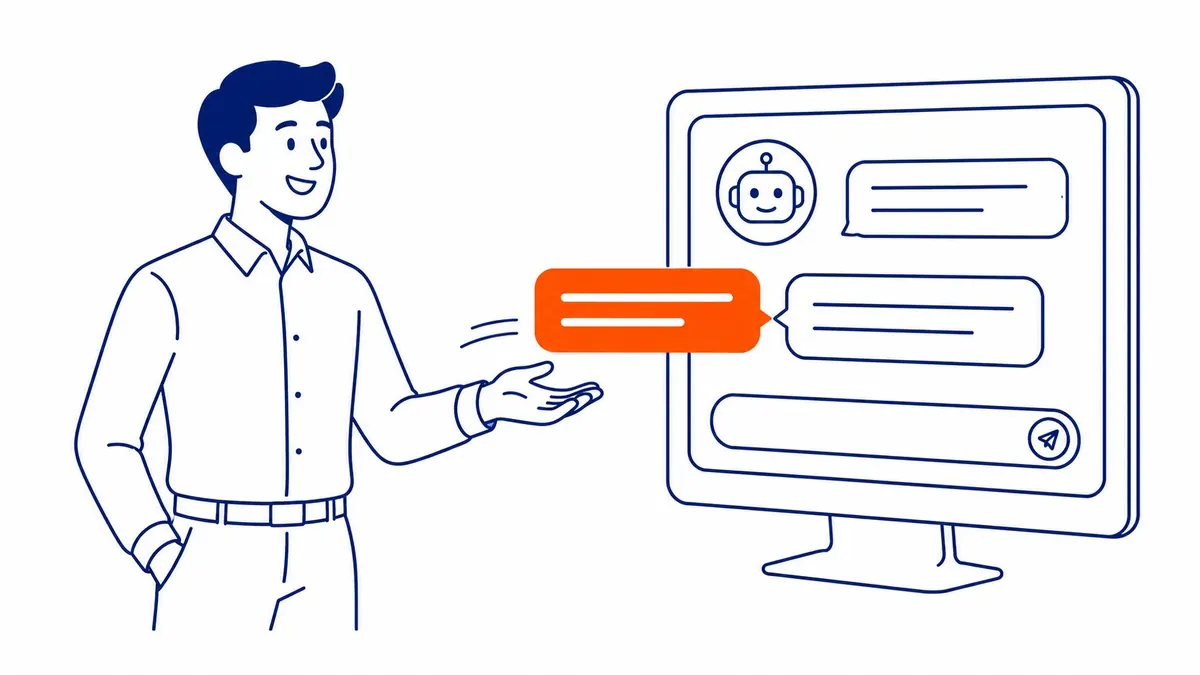
What Google AI Overview Does to Organic Search
Placement explains most of the impact. AI Overview appears above organic results and above the fold on most devices. Average block height runs around 1,764 pixels. That pushes the first organic listing roughly 140% further down the page than it sat before.
Ranking first meant clicks. Now it means clicks only for users who scroll past the AI-generated answer above. Many do not. SparkToro placed zero-click searches at 58% of all Google queries in 2026. That figure has been rising since AI Overview reached full rollout.
Not every query triggers it equally. Informational searches see it on nearly 4 in 10 queries. Commercial intent at 21.3%. Transactional at 15.8%. Navigational sits lowest at 11.4%.
Businesses built on informational content feel this first. A how-to article that earned consistent organic visits now sits below an AI-generated summary covering the same ground. Traffic drops regardless of ranking position. The page still ranks. It just stops getting clicked as often.
Google designed AI Overview to answer the query inside the results page. The AI pulls from multiple source pages, synthesizes a response, then shows those source citations at the edge of the block. Users wanting more depth click through. For broad informational queries, most do not bother. Commercial and transactional intent produces click-through behaviour closer to pre-AI-Overview baselines. Renewal conversations now open with the verdict on AI search more often than not.
The AI Overview Effect on Zero-Click Traffic
The CTR data is hard to argue with. Semrush studied 10,000 informational keywords. AI-generated summaries cut organic click-through rates significantly across all of them. 18% to 64% is Moz’s estimated traffic decline range. Content type determines where a site lands in that range. DataSlayer found a 61% CTR drop on informational queries specifically.
61% is not a rounding error. A service blog monetizing 4,000 monthly informational visits loses more than half that volume without losing a single ranking position. The rank stays. Clicks simply disappear.
The reverse holds equally. Sites cited inside AI Overview summaries see higher CTR. Up to 35% above baseline in reported studies. Google labels the sources it pulls from. Users wanting more depth click through. Those clicks carry stronger intent than general organic search visitors. Fewer visits, but more qualified ones.
A new metric belongs in the reporting mix. AI Overview impressions, separate from direct traffic, measure brand visibility on queries that never produce a click. A business cited daily across 30 AI Overview responses accumulates recognition. Assisted conversions follow over time. Traffic volume is now one signal in a wider brand-visibility picture.
Paid results are shifting within this environment too. Running Google Ads management alongside organic SEO covers commercial queries where AI Overview compresses organic clicks less. It also places the brand in two positions within the same SERP. Paid placement sits above. The organic listing or AI Overview citation appears below.
What AI Overview Selects for Sources
Google builds each AI Overview response from multiple pages. Not the highest-ranked one by default. The most answer-dense and credible page for the specific question asked. Patterns repeat consistently across pages that earn citations.
Answer-first structure wins. Pages that open with a direct, plain-language response earn citations more often. Burying the answer behind a long introduction costs citation opportunities. AI scans for the clearest answer to the specific query. Depth can follow the direct response. Lead with the answer. Add depth after.
Even more emphasis on E-E-A-T here than in standard organic results. Verifiable credibility is the filter. Google’s AI skips pages that lack it. Author credentials visible on the page. Statistics cited to named sources. Content updated with fresh data. A real business presence. Anonymous sites with no verifiable expertise rarely appear in summaries regardless of their keyword targeting.
Schema markup removes ambiguity. Organization schema. Article schema. FAQ schema. Each is a structured data type that makes those declarations explicit. Without schema, the AI infers everything from surrounding text. Inference is slower and produces weaker associations than a declared data structure.
Building entity authority in Google’s Knowledge Graph raises citation probability too. A brand recognized as a distinct entity carries a credibility signal that attaches to its content in AI Overview results. Entities get trusted. Content from unrecognized sources competes from a weaker starting position.
Original data is difficult for AI to replace. A statistic or case study existing only on your site forces citation when the query needs that specific information. Generic explanatory content competes with thousands of nearly identical indexed pages. Proprietary data does not.
Link authority correlates with citation frequency too. Pages from domains with stronger backlink profiles appear more often in AI Overviews than those from weaker domains. Earned link building in contextually relevant publications serves both traditional organic rankings and AI citation probability at the same time.

Five Signals That Matter More Now
The SEO fundamentals still apply. The weighting has shifted. Five areas stand out from studying what gets cited versus what gets bypassed in AI Overview results.
Topical authority. A site covering one subject comprehensively, pillar pages linked to supporting posts, signals expertise across a whole cluster. One optimized page does not replicate this. Google’s AI favours the most credible overall resource on a topic, not just the best individual page targeting a keyword.
Content structure. Clear H2 and H3 headings. Short paragraphs. FAQ sections answering real People Also Ask queries. Numbered steps in process guides. These make pages machine-readable. AI extracts structured content more cleanly than dense prose blocks. Even mid-authority sites with clean structure get cited ahead of high-authority sites with buried answers.
Third-party brand mentions. A reference to a business in a credible publication, without a hyperlink, still signals entity relevance to Google. These mentions accumulate into a recognition pattern the AI draws from when selecting sources. Genuine outreach for editorial coverage builds brand-mention signals alongside backlink authority.
Schema markup. Already covered above, but worth naming separately as a signal that correlates directly with AI Overview citation rates. Not decorative. Never optional.
Long-tail specificity. AI Overview handles broad informational queries well. It struggles with highly specific questions. Technical depth. Locally nuanced queries where genuine expertise is required. A Calgary contractor explaining cold-climate installation specifics covers ground that generic AI content cannot synthesize from existing indexed pages. Specific answers to specific problems fill citation gaps the AI leaves open.
Multimedia content is a sixth area. Google’s AI is multi-modal. It processes images and video alongside text. Original diagrams offer what text-only pages cannot match. Custom screenshots too. Embedded video demonstrations give the AI a third format to extract and surface. Multimedia investment pays double. Better engagement metrics. Expanded AI-extractable content formats. Diagrams and video also help with showing up in AI Overviews, which pull from more than text.

How to Adapt Your SEO for AI Overview
Three practical shifts cover the most ground for businesses already feeling AI Overview’s pressure on their organic click numbers.
Start with a content restructuring audit. Identify pages ranking but generating low clicks since mid-2024. Move the direct answer into the opening paragraph. Add FAQ sections mapped to People Also Ask queries for each target topic. Schema markup goes on every page missing it. These changes improve extractability without requiring a full content rewrite.
Run a proper SEO audit to surface which pages draw AI Overview impressions. Search Console data shows which pages have lost clicks to zero-click behaviour. The data points exactly at where to focus the restructuring effort.
Build topical clusters next. Identify the core subjects a business genuinely owns. Write the pillar page, then develop supporting posts around adjacent questions. Internal linking between them creates the topical depth signal. Ten interlinked posts on one subject beat ten disconnected articles chasing ten unrelated keywords. The cluster is the unit of authority now.
The SEO services work clients notice first is keyword targeting and early ranking movement. Architecture work also compounds over 12 to 18 months. Both matter. Clusters matter more in this environment.
Expand the measurement framework too. Track AI Overview citations and branded impressions separately from direct click traffic. A business cited in 30 AI Overview blocks daily accumulates recognition even when those views produce no direct click. The conversion comes later through a branded query or direct visit. Traffic volume is one number in a larger picture that now needs monitoring.
At Calgary SEO company To-The-TOP!, AI-adapted SEO is built into client strategy from the audit stage forward. Schema implementation. Topical cluster development. Entity-building. Content restructuring for AI extractability. All woven in from the start. Treating AI Overview as a reason to stop investing in SEO is a mistake. Competitors who keep building earn the compounding visibility advantage organic presence creates. Owners new to this usually want a definition of AEO vs SEO before anything else.
Frequently Asked Questions
Does AI Overview Mean SEO Is Dead?
No. Google’s search volume grew 21% in 2024. ChatGPT’s total search volume in that same year was about a quarter of Google’s growth alone. AI Overview changed where traffic lands, not whether search exists. Businesses that restructure for answer density and build topical authority continue generating organic leads. Handing competitors the compounding advantage that organic presence builds over time is the cost of stopping.
Which Queries Trigger AI Overview Most Often?
Informational queries lead at roughly 38% of searches. Commercial intent is next at 21.3%. Transactional at 15.8%. Navigational is the least affected at 11.4%. Local queries are increasingly included too, with AI-generated local summaries pulling from Google Business Profiles and map data alongside traditional web results. Those signals now feed both the map pack and the AI summary blocks above it.
What Content Types Hold Up Best?
Content built on firsthand knowledge holds up best. Original data too. Local specificity makes it hard to replace. Generic explanations of broad topics are exactly what AI synthesizes and substitutes. A proprietary case study offers what AI cannot replicate. An original industry survey does too. Precise step-by-step guides with technical detail fill the same gap. Being the primary source of a unique fact forces citation rather than replacement.
How Does Schema Markup Affect AI Overview Citations?
Schema markup gives Google machine-readable declarations about what a page covers and who produced it. Organization schema. Article schema. FAQ schema. Each is a structured data type that makes those signals explicit. Without schema, Google infers everything from text context alone. Explicit signals reduce the risk of AI misidentifying a page’s purpose. A poorly marked page gets bypassed in favour of a more clearly structured one.
Should Google Ads Run Alongside SEO?
Yes. AI Overview compresses CTR most on informational queries. High-intent commercial and transactional searches are far less affected. Running paid search alongside organic covers the commercial queries where organic clicks still flow. It also means appearing in two positions within the same AI-influenced SERP. Paid placement plus an organic or AI Overview citation creates double exposure. The two channels reinforce each other in the current search environment.
Contact Calgary SEO Company To-The-TOP!
Questions about anything in this article, or about your own rankings? Talk to a Calgary SEO specialist directly.
Phone: (403) 308-5949
Address: 1509 14 Ave SW, Calgary, AB T3C 0W4
Hours:
Monday to Friday: 10:00 am – 7:00 pm
Saturday: 12:00 pm – 4:00 pm
Sunday: closed