Why Does SEO Take So Long? The Real Reasons Behind the Delay
SEO takes months because Google has to earn confidence in a site before rewarding it with visibility. Not weeks. Days even less. That confidence builds slowly, one signal at a time.
A new page can rank for an obscure long-tail term in an afternoon. Competitive keywords work differently. Trust factors in. So does content depth. Link history too. None of that happens overnight.
Google Has to Build Trust in a Site First
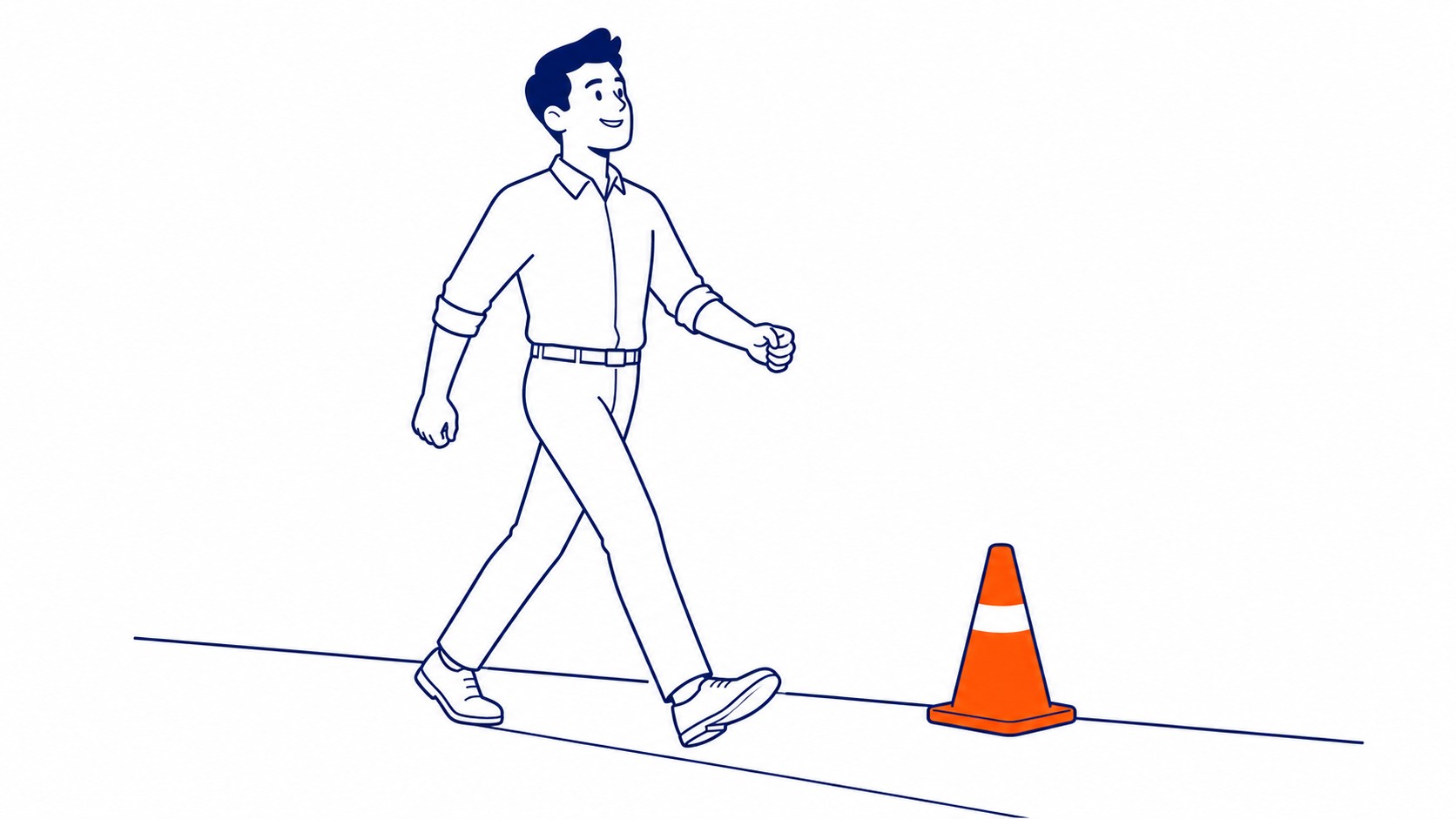
New sites start with close to zero trust in Google’s eyes. That trust builds through consistent signals over time. Regular publishing. Stable technical performance. Real engagement from real visitors.
A brand-new domain feels this delay especially hard. Calgary SEO campaigns starting from scratch often wait three to four months. Only then does Google fully commit to ranking new pages on merit. Caution rules until that point. Local results follow the same pattern; the timeline for local SEO rarely runs shorter than that. Consistency is what shortens that wait, which makes a realistic publishing cadence worth setting early.

Crawling and Indexing Are Not Instant
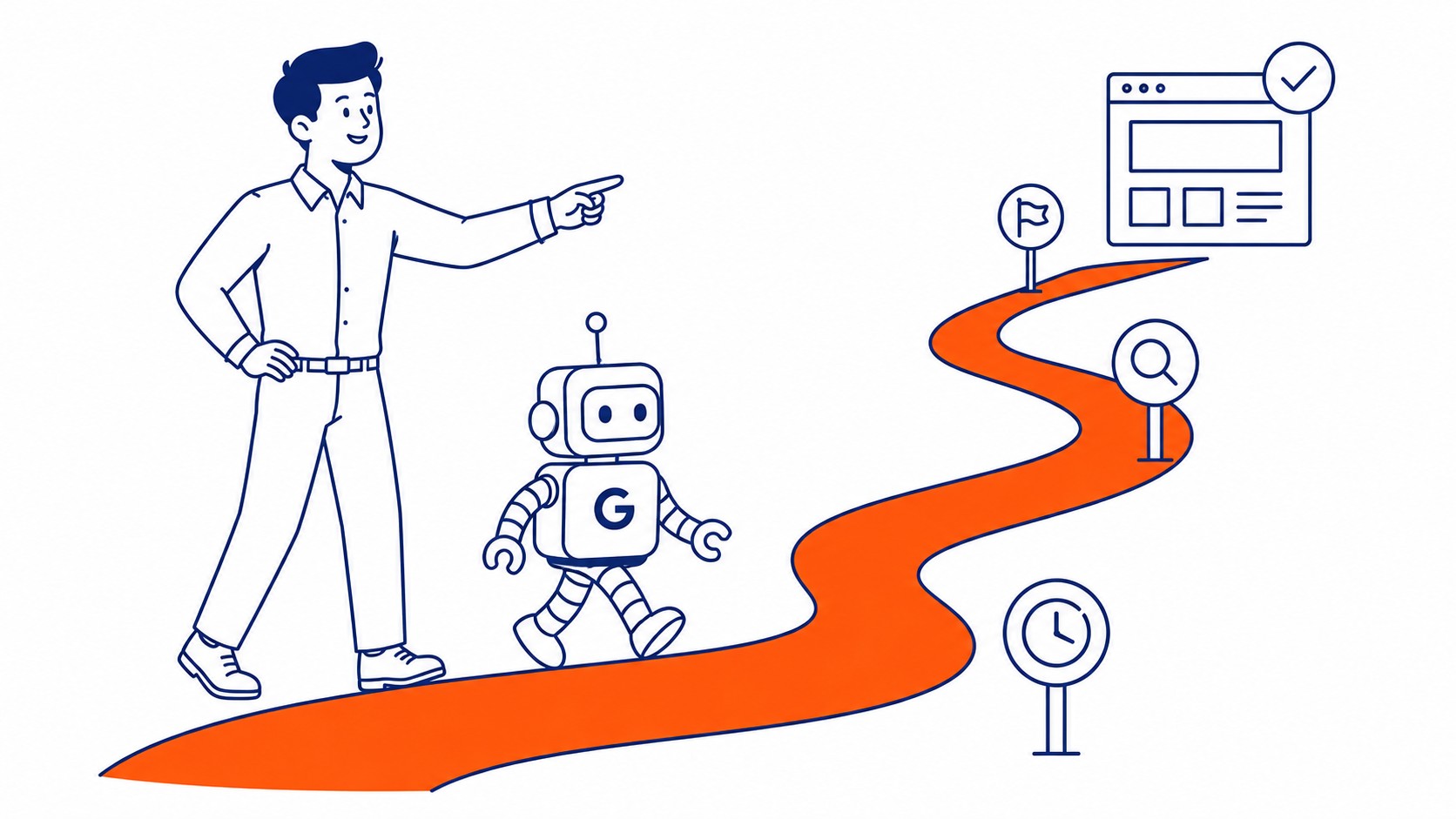
Googlebot does not visit every page the moment it publishes. Site authority sets the crawl frequency. Sitemap signals matter too. So does server response time. A large or newer site simply waits longer between crawls.
Indexing follows crawling. It is not automatic either. Crawled does not mean indexed. Low-authority sites can wait weeks either way. Larger, well-linked sites index faster. Google already trusts those domains.
Competition Sets the Real Pace, Not Effort
Effort alone does not move a page past ten established competitors overnight. Every one of those competitors already has months of accumulated signals. Sometimes years. All working in its favour.
Six weeks, sometimes, for a low-competition term. The same site chasing a saturated term in a major city could take eight months for identical work. Competition sets the clock. Effort just determines who wins once it runs out. Competition sits near the top of the causes behind flat SEO results.

Content and Links Compound Slowly
One blog post rarely moves a needle much. Ten published over six months, each targeting a real search intent, start compounding. Google reads consistent output as a signal of an active, maintained site.
Backlinks work the same way. One link barely registers. A steady trickle of relevant links earned over months builds authority that a single burst never replicates. Sudden spikes often trigger scrutiny instead.
SEO Company To-The-TOP! has tracked this pattern for nearly two decades. Slow, steady output wins. A rushed sprint rarely does.
Why Paid Search Feels Faster
Google Ads sidesteps the trust-building process entirely. Same-day clicks are possible once a campaign launches. Paid placement does not depend on earned authority the way organic rankings do.
That speed comes at an ongoing cost, though. Stop paying and the traffic stops immediately. Organic rankings keep working long after they’re earned. No daily bill attached. That’s exactly why many Calgary businesses run Google Ads alongside SEO. Immediate traffic while the slower channel matures.

What Actually Speeds Things Up
A proper website audit at the start removes technical drag early. Crawl errors get fixed before they compound. Broken redirects too. That single step often shaves real weeks off the whole timeline.
Most site owners underrate deliberate keyword research. Realistic, winnable terms come first. They build the trust and traffic history a harder term needs later.
Frequently Asked Questions
Can SEO ever work faster than three months?
Sometimes. Narrow, low-competition terms move fast, even on a brand-new page with almost no existing content. Most competitive terms still follow the slower timeline, regardless of build quality.
Does paying for SEO speed up Google’s trust-building process?
No. Budget buys more work done faster, not a shortcut past Google’s own evaluation period. The underlying trust-building timeline stays roughly the same either way.
Why did rankings drop before they improved?
Technical changes and content updates trigger re-evaluation. Google re-crawls the site. It re-assesses content. Rankings sometimes dip temporarily before settling higher once the changes prove themselves.
Is a slow SEO timeline a sign something is wrong?
Not usually. A complete absence of movement after six months is worth investigating. The ordinary crawl-index-trust cycle explains most of the delay on its own.
Contact Calgary SEO Company To-The-TOP!
Questions about anything in this article, or about your own rankings? Talk to a Calgary SEO specialist directly.
Phone: (403) 308-5949
Address: 1509 14 Ave SW, Calgary, AB T3C 0W4
Hours:
Monday to Friday: 10:00 am – 7:00 pm
Saturday: 12:00 pm – 4:00 pm
Sunday: closed
