
How to Get Your Google Ad at the Top of the Page
Raise your bid. Sharpen your ad quality so you win more auctions without paying more. Then switch to a bidding strategy aimed at the top of page slot rather than at clicks. Every one of those levers works.
All three are written out properly elsewhere on this site. So this page will not explain them again. It is about a different word in your question. Not top. Nor page. The word is get.

The Levers Work. This Page Is About the Word Get
Nothing here argues against bidding higher. Bid more and you show up first more often. Tighten the match between your keyword and the page your ad opens. That can win you auctions without raising the bid at all.
Both get handed away, deliberately, to the pages that cover them.
What no page covers is the shape of the thing you are trying to reach.
Get suggests arrival. It suggests a spot exists with your name on it. Every organic ranking you have ever chased works roughly that way. This does not. That difference has a page of its own, on how ranking differs between PPC and SEO. Same goes for sizing up PPC rivals, which is its own afternoon.
Between Two Searches, Your Ad Is Nowhere
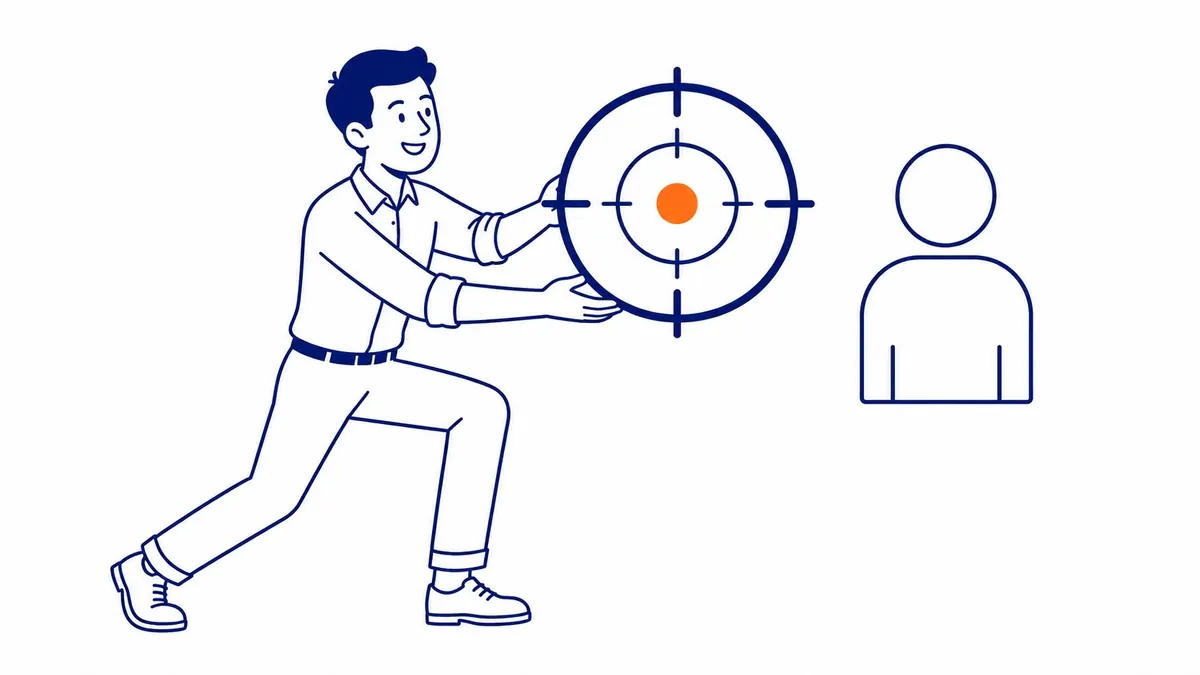
Think about where your ad sits at four in the morning.
It sits nowhere. No shelf is holding it. Nothing keeps a slot warm for you. The auction that decides which ads appear does not run in advance. It runs the moment a person types. Only for that person. Then it is finished.
Your ad was never at the top of the page. Instead your ad got put at the top of a page. For one searcher. Just for the fraction of a second it took to build the thing.
It ended there.
So a paid position and an organic one differ in kind. Rank fourth in the organic results and that fourth place is still sitting there tomorrow morning. Nobody has to search for anything to keep it there. Search engine optimization builds a state. It is something your website is, holding its ground while you sleep.
An ad has no state. It is not sitting anywhere. There is nothing for it to hold. Everything gets decided in the ad auction, once, for one person.
So There Is No Top. There Is a Rate
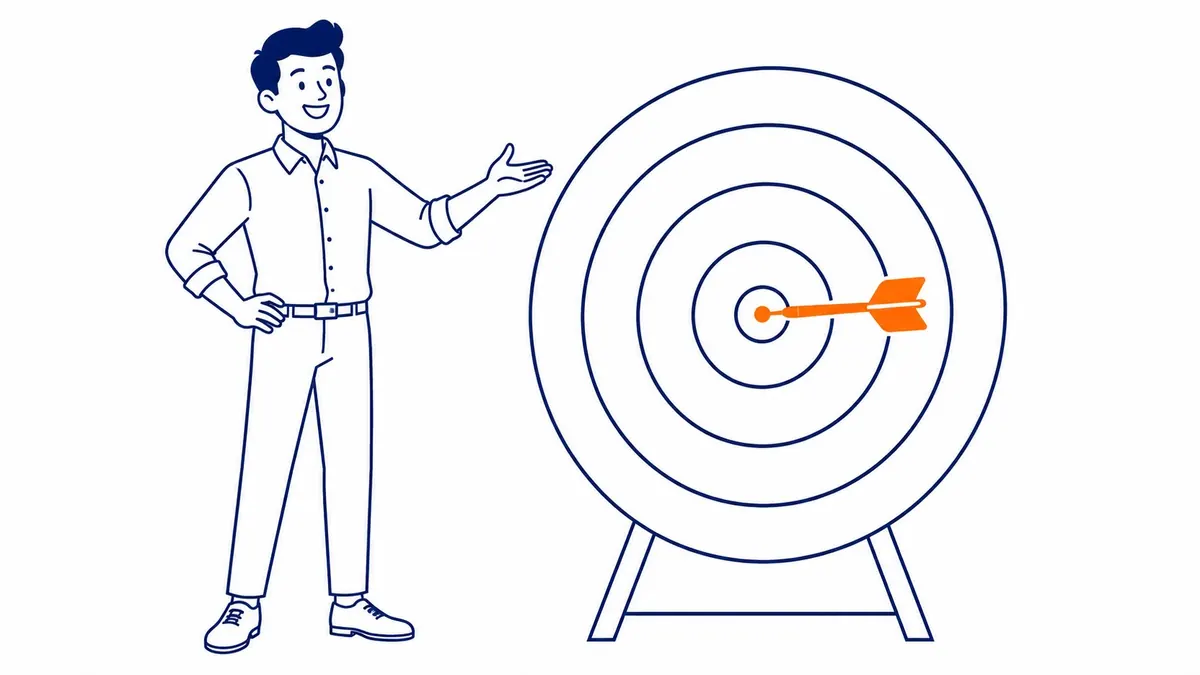
The auction runs fresh every time. Which means you never occupy the top of page slot at all. You win it. Then you win it again. Or you fail to.
So the useful form of your question was never where. It is how often.
Google will tell you how often. A column reports how often your ad came out at the top of the page. Sixty percent, perhaps. Or twenty.
It is easy to read that number wrong. They see sixty percent and feel mostly there.
Sixty percent is not a position you are mostly holding. It is a tally of separate contests. Each one settled on its own. Nearly all of them settled while you were doing something else.
Nobody can be sixty percent of the way to a place. Anybody can win six auctions out of ten.
The Price of a Rate Climbs
Here is what follows.
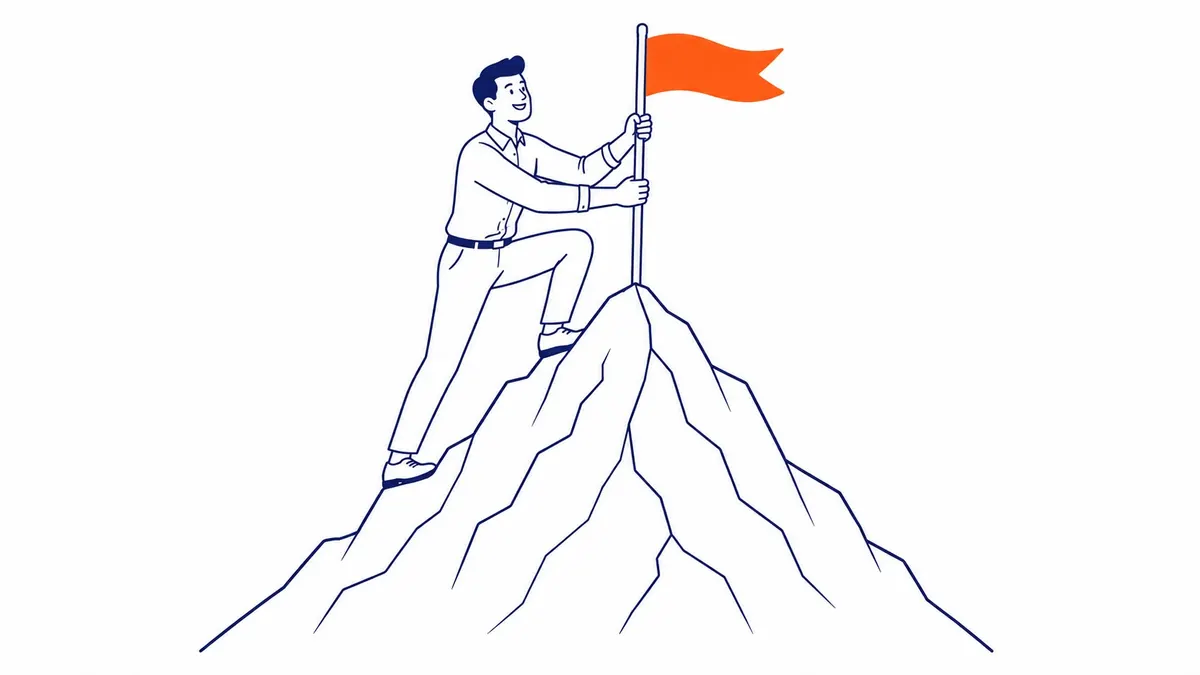
A place has one price. Rates do not.
The rate you hold today is made of the auctions you win comfortably. Those are the ones nobody else fought hard for. Meanwhile the auctions you keep losing are, by definition, the ones where somebody was willing to go further than you.
Fix the fixable first. Some of those losses are only faults. A weak landing page. Or a keyword sitting in the wrong ad group. Clear those out and some of those losses stop being losses on merit at all.
Then the merit is all that is left.
Every auction still running against you is one where a competitor values that click more than you do. Perhaps their customer is worth four times yours. The reason lives inside their business. No amount of optimization on your side changes a fact about somebody else’s books.
So each point you add to your top of page rate tends to cost more than the point before it. The first sixty came at a fair price. Meanwhile the last ten get bought one at a time, at the top of the auctions you are worst suited to win.
Chasing always is how a good account quietly turns into an expensive one.
Which Auctions Do You Want the Top of
Try this on your own account.
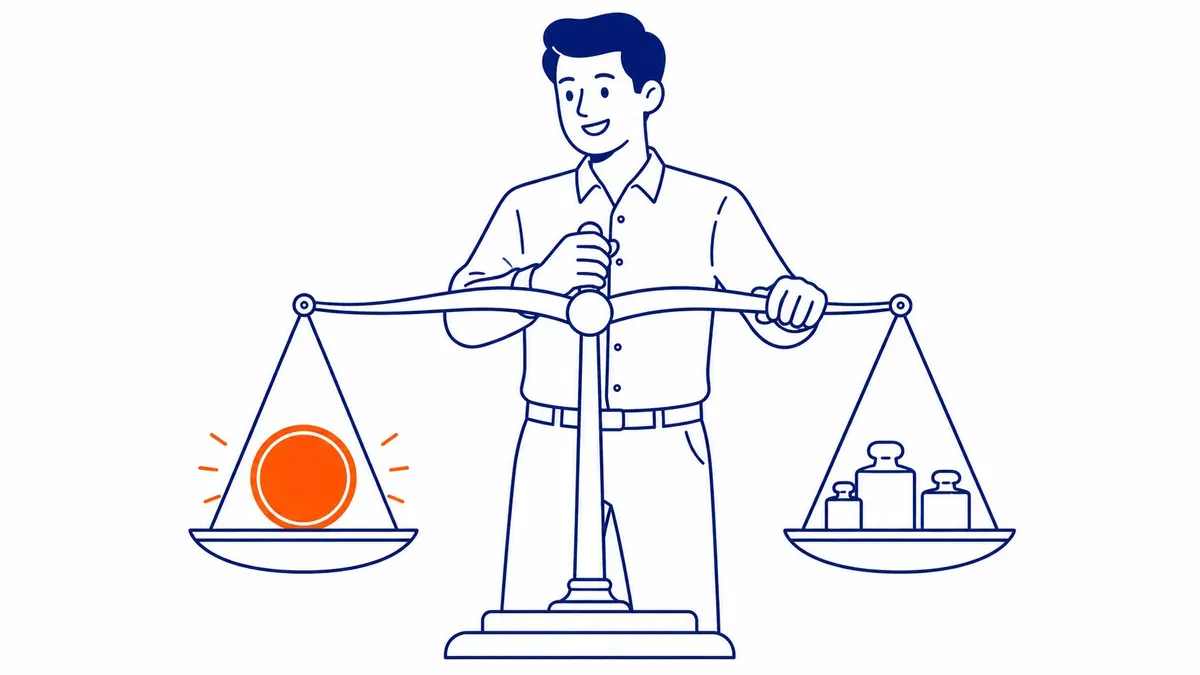
Open your search terms report. Take the twenty terms that brought you actual customers. Then read the top of page rate beside each one, and put a single question to it. Would I pay noticeably more, every month, from now on, to show first on this exact phrase?
On some the answer arrives instantly. A person searching with their wallet already out is worth standing in front of. On others you will hesitate, and the hesitation is information. It is the market telling you which auctions belong to somebody else.
No Google screen answers that for you. What settles it is what a customer is worth across the whole time they stay. That number sits in your own books. Good keyword research narrows the list. Pricing it was never the job of a tool.
The Part Nobody Mentions
A gift is buried in all this.
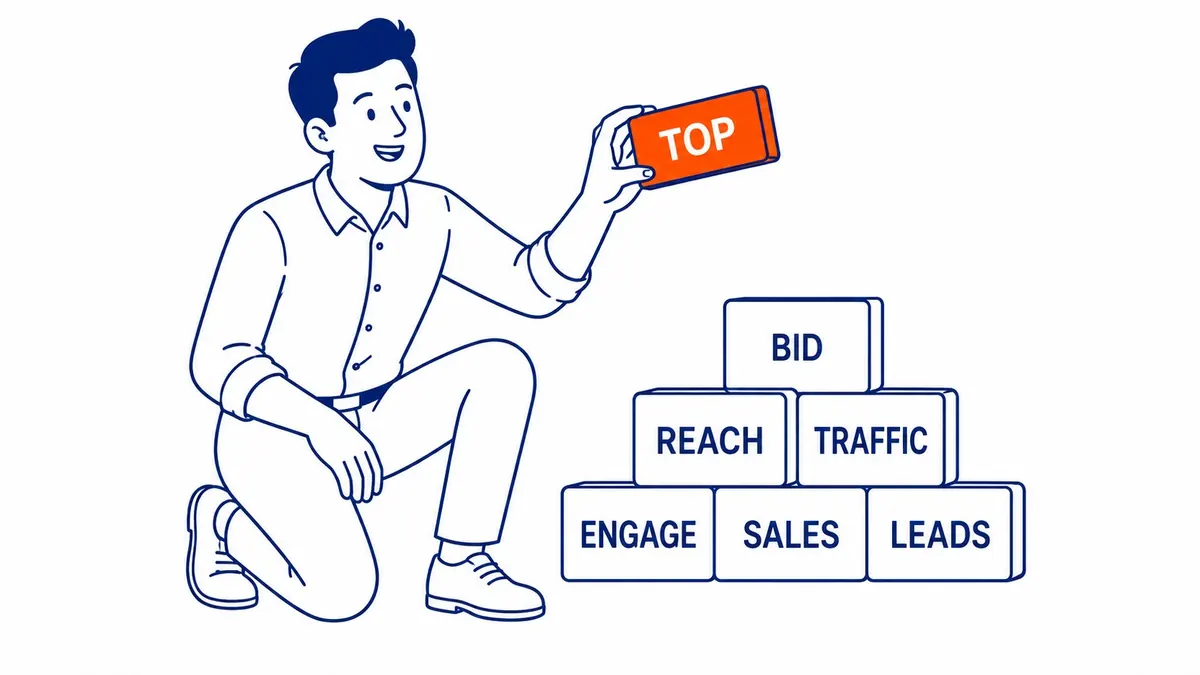
Paid position is a rate rather than a place. So it comes in doses. You can aim to be first on four phrases and hardly ever on the other forty.
No organic result behaves that way. Nobody has ever chosen to rank third. Yet the top of the page gets bought in doses. On the searches you choose, and left alone on the ones you do not. Then turned back down on a Thursday afternoon.
Being unable to arrive somewhere sounds like bad news. Instead it is the reason you get to choose the amount.

How To-The-TOP! Reads a Top of Page Number
SEO Company To-The-TOP! has been working with Calgary businesses since 2007, and runs their Google Ads campaigns. The bid is rarely the first thing we look at.
We look at which terms deserve the top of the page at all. Then at what holds the rest of them back, since a rank problem and a budget problem want opposite answers. Much of Google Ads management is this work. Deciding where to be first. Then deciding where fourth is perfectly good business.
Nobody at To-The-TOP! will promise you the top of any page. Instead we price the position and let you decide. Our portfolio shows the work. Plenty of clients want Calgary SEO looked at beside the ads. The organic half of the same searches is slower and steadier.
There may well be a phrase in your account you have led on all year. Worth asking who you were outbidding, and why they stopped.
Common Questions About the Top of Page
Why is my Google ad not at the top of the page?
Two reasons account for a lot of it. Your ad rank was not high enough in the auctions you entered. Or your budget ran out first. Google separates the two in your reporting, and each wants a different fix.
Does bidding more put my Google ad at the top of page?
More often, yes. Always, no. A higher bid usually improves your chances. It does not buy the slot, though, because the slot is not for sale. That slot gets contested again on the next search.
Can I pay to be first every time?
No setting does that. You can tell Google to target the top of page and chase it hard. It will try. A target is an instruction to try. It was never a promise. On the auctions where somebody wants the spot more than you, trying gets expensive.
What is a good top of page rate?
No single number is right for everybody. A high rate on a phrase that brings you nobody is money walking out. Meanwhile a low rate on a phrase that brings good customers is a real gap. The rate only means something next to what a customer is worth.
Is the top of the page worth paying for?
On some searches, easily. Elsewhere it is the priciest way to reach a person who would have found you anyway. It turns on one number, and the number is yours rather than Google’s.
Contact Calgary SEO Company To-The-TOP!
Questions about anything in this article, or about your own rankings? Talk to a Calgary SEO specialist directly.
Phone: (403) 308-5949
Address: 1509 14 Ave SW, Calgary, AB T3C 0W4
Hours:
Monday to Friday: 10:00 am – 7:00 pm
Saturday: 12:00 pm – 4:00 pm
Sunday: closed