
What Does PPC Stand For?
PPC stands for pay-per-click. Three words. The middle one holds the whole arrangement together, and hardly anybody remembers it is there.
So the letters are settled. What a click costs in Calgary. How the auction sets that price. Which platforms run PPC, and whether the money belongs in ads or in ranking. Our SEO blog answers each of those questions properly. None of them is what makes the acronym worth a second look.
Something odd sits inside the three words themselves.
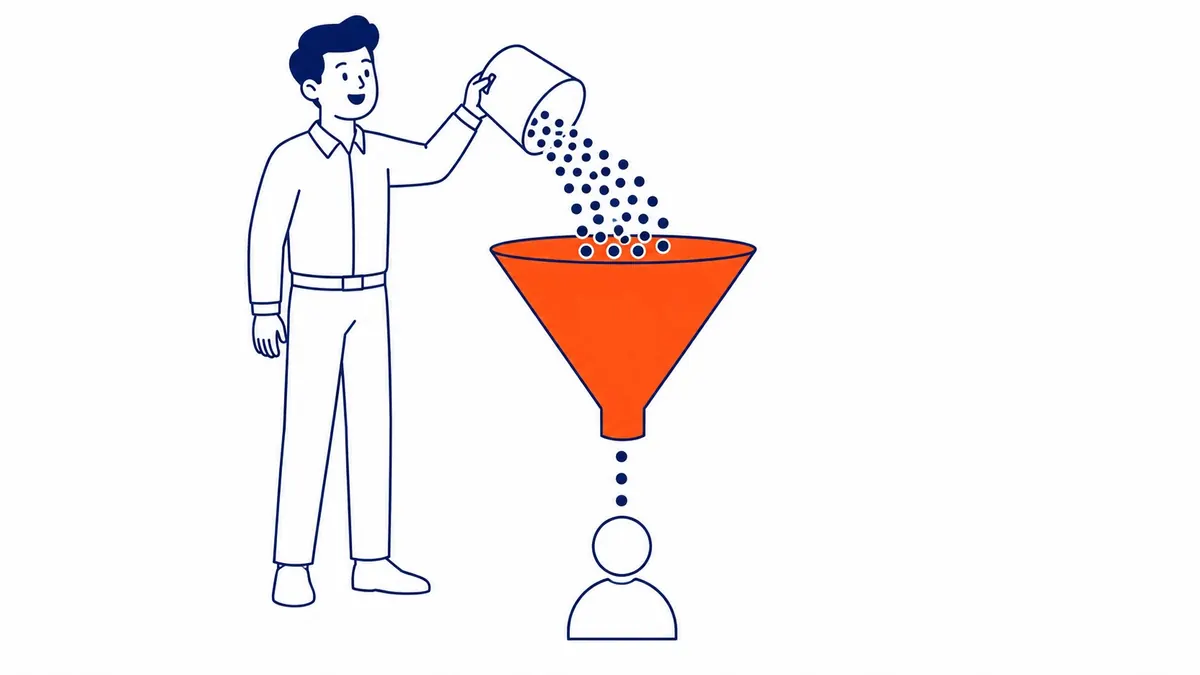
A Turnstile Where the Door Used to Be
A turnstile stands at the front of a shop. People push through it from the street. Each push turns it once.
Every turn drops a coin.
The coin is yours. It leaves whether the person who pushed buys something or walks straight back out.
Nothing about the machine misleads anybody. It charges for a turn. Then it delivers a turn. That bargain gets kept, exactly and completely, every time somebody pushes.
Meanwhile you are in the back room. You never see the street.
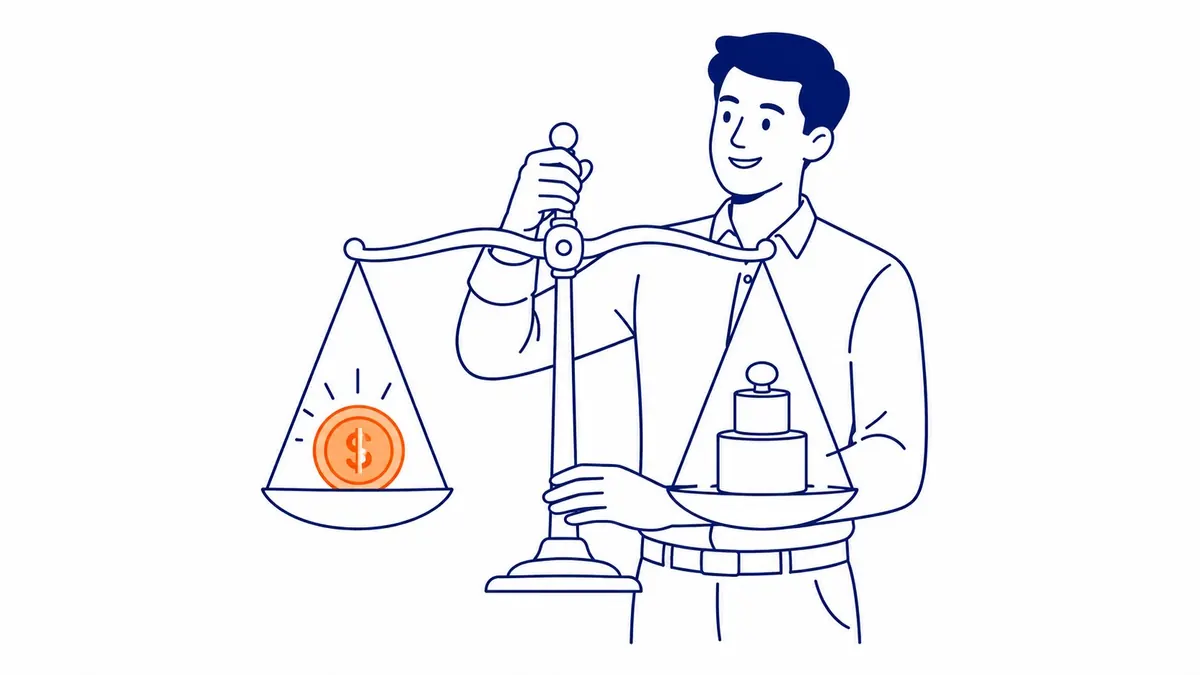
Pay Is the Word Everybody Remembers
Ask an advertiser what PPC means. The first word arrives instantly. Pay.
Then a pause.
Watch what happens after the pause. They reach for the second half and grope about. Pay per something. The rest of it goes soft.
That is not ignorance either. Pay is the word about you. It describes your own money leaving. Nobody has ever forgotten a word that describes their own money leaving.
Still, the arrangement lives in the other two.
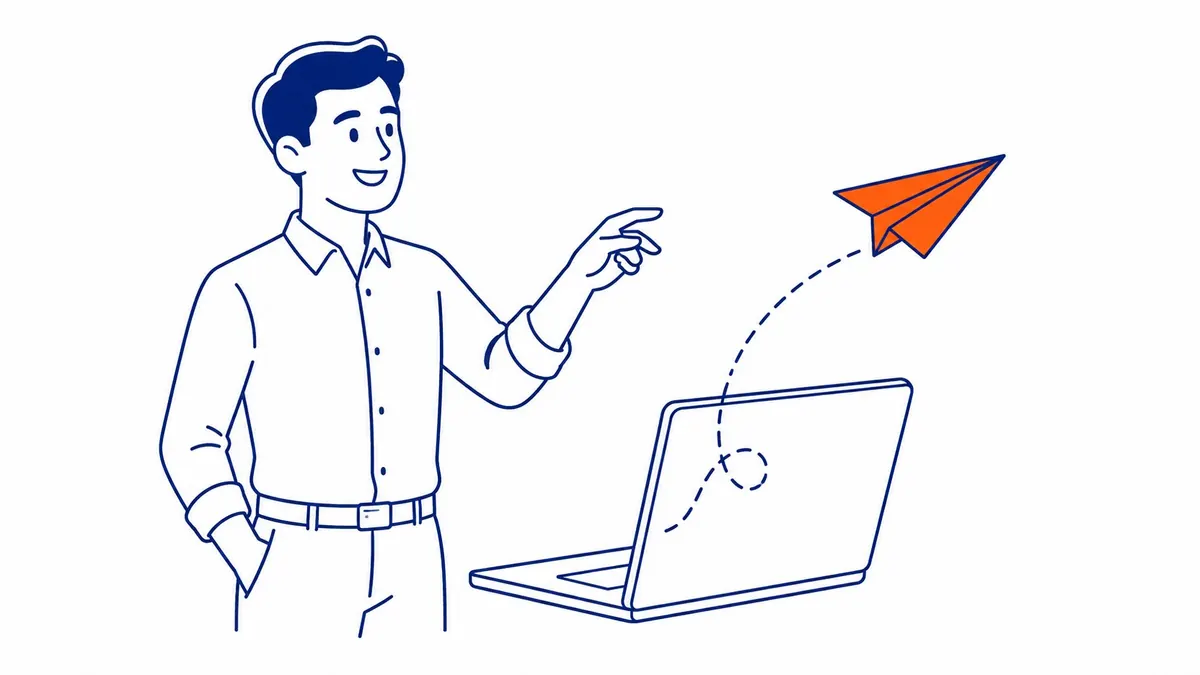
Per Is the Word Doing the Work
Per means each. It means every time. Underneath, it means without asking.
Read a lease. Then read a parking sign. The word turns up wherever somebody has arranged to be charged again and again, with no fresh conversation on any given occasion.
Nothing in pay-per-click promises the charge will be worth paying.
A purchase happens once. You are present for it. Somebody hands you a thing. Then you hand over the money, and the two of you are done.
Pay-per-click is no purchase. Rather it is a standing arrangement, written in advance, carried out one coin at a time by people you will never meet.
Also nobody signs anything at the moment it executes. The coin drops. Your signature went on the arrangement, weeks earlier, before any of these strangers existed to you.
So you are the only party to the transaction who is not in the room.
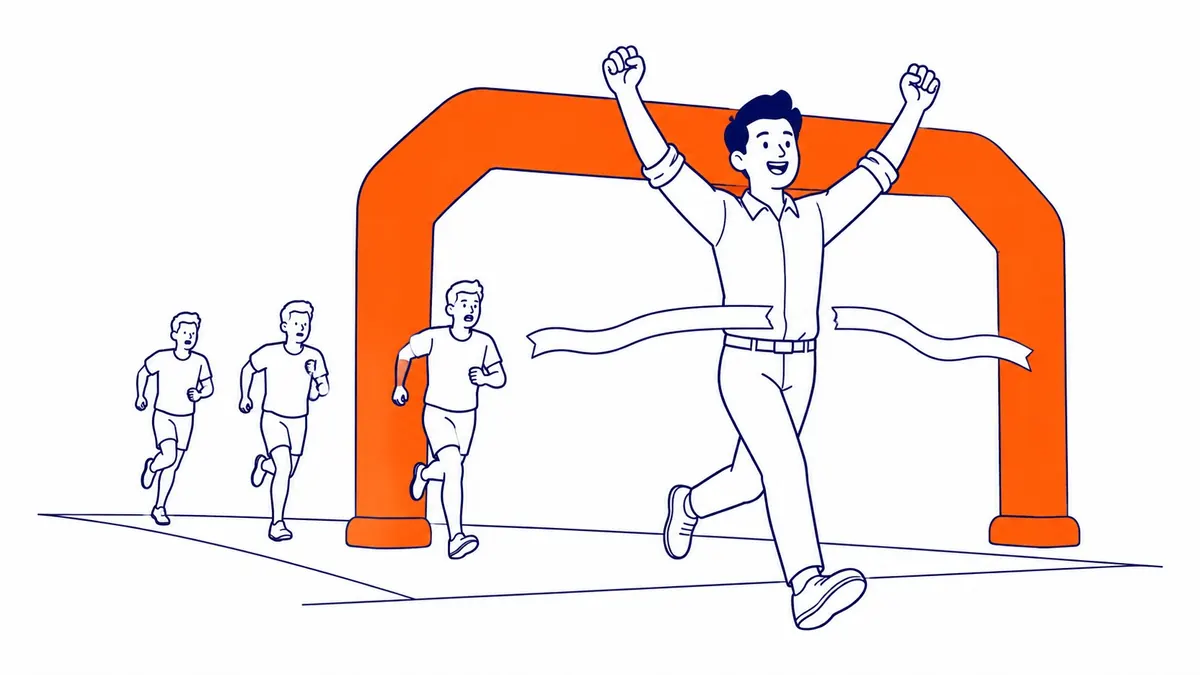
The Click Belongs to Somebody Else
The third word names an act you do not perform. It belongs to somebody you have never met.
Strangers push the turnstile. Some want precisely what the shop sells. Others wanted the shop next door. A student searching for a definition is finishing an essay. Meanwhile a competitor is checking your price on a Tuesday afternoon.
A coin drops for every one of them.
None of these people has done anything wrong. Pushing a turnstile is what a turnstile is for.
Some clicks never get charged at all. You do not decide which ones. Somebody else settles that too.
Nobody has ever approved a click. No screen exists where clicks queue up and wait for your signature. Go looking for it.
Instead, open your search terms report. Read twenty rows. Find the row you would have turned away at the door.
Whatever you found there, a stranger found it first. The coin had already dropped. No statistic about other advertisers would tell you a thing about your own twenty rows. PPC in construction means something else entirely, with nobody clicking anything.
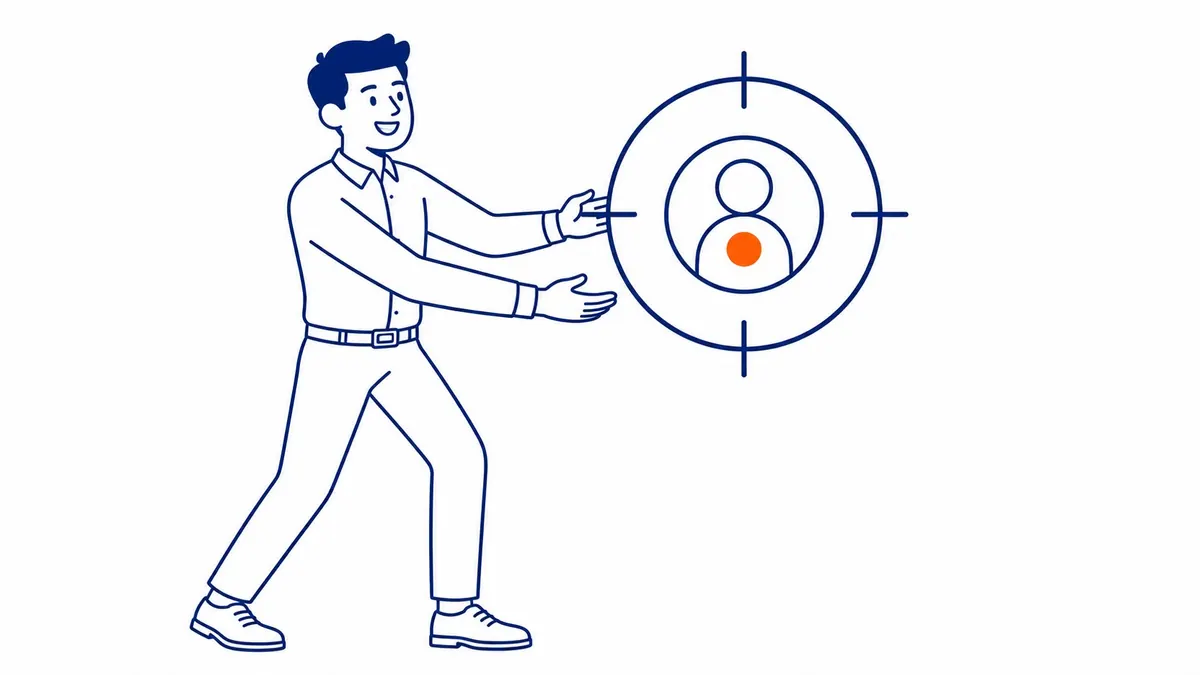
The Turnstile Is Open at Three in the Morning
Here is the case for PPC. It is a strong one.
At three in the morning the shop is open. Nobody stands at the door. That is no defect in the design. It is the design.
Consider what the alternative asks of you. Somebody at the door, awake, judging every face before it comes in. No business runs that way. Nor has any advertising channel ever offered to.
You could never staff a door for twenty-four hours. Neither could anybody else.
So the delegation is the product. Strangers spend small amounts of your money while you sleep. Some of them are precisely the people you were hoping for.
Switching the turnstile off buys you no control whatever. Instead it buys you a closed shop.
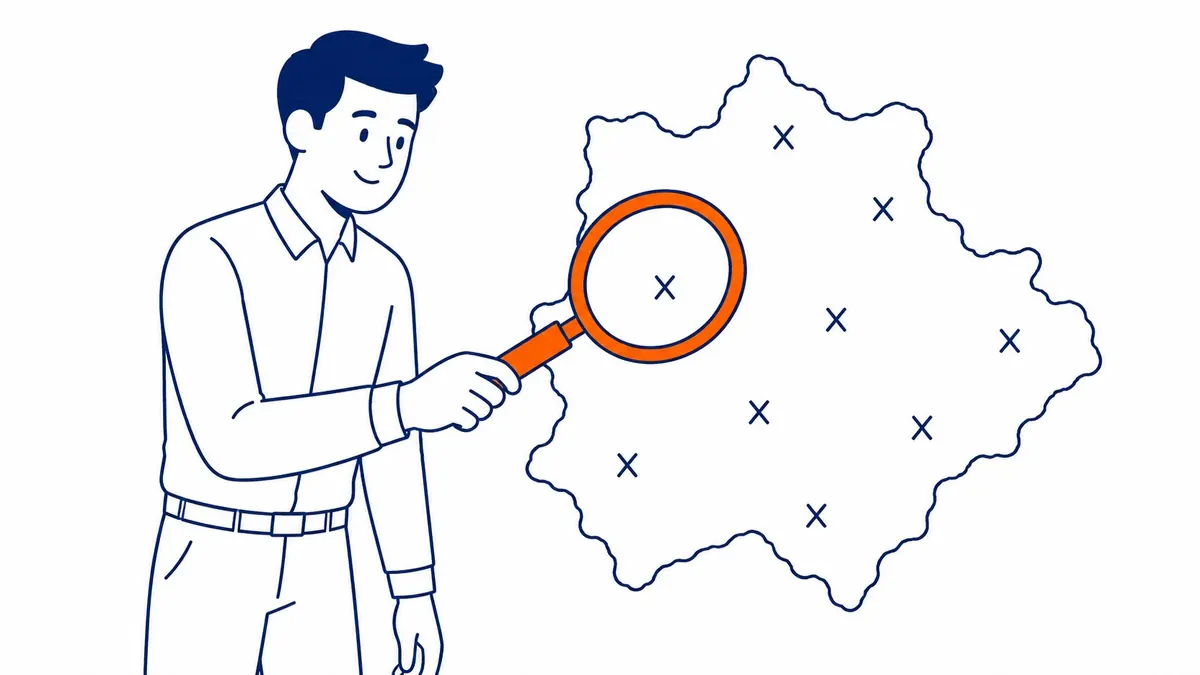
Nobody Approves a Click. You Choose the Street.
The decision never disappears. Rather it moves earlier.
Somebody decides, weeks beforehand, which searches are worth a coin and which are not. That work carries ordinary names. Match types. Negative keywords. A schedule that shuts the door overnight.
Our Google Ads management is mostly that work, repeated every month.
The same sorting happens on the organic side, where keyword research decides which phrases are worth a page at all.
That amounts to a real transfer of power. It sits earlier in the calendar than most owners expect, which is one reason it so often goes undone.
Still, a stranger spends the coin. You simply chose the street the turnstile stands on.
What We Tell Calgary Clients About PPC
SEO Company To-The-TOP! has been doing this since 2007. Owners arrive knowing what PPC stands for. Very few have thought about the word in the middle.
Then the first invoice lands. The arithmetic turns personal.
So we ask one plain question before any budget moves. Who do you want pushing that turnstile?
Almost nobody has an answer ready. They came in wanting more clicks, which is a wish about the number and never about the people attached to it.
Good Calgary SEO takes months. Three to six before meaningful movement, depending on the competition and the state of the site. Ads take an afternoon to switch on. Neither of those facts is a secret.
A website audit answers a smaller question first. Whether the page behind the turnstile is worth arriving at.
Nobody forgets the paying. Everybody forgets who decides.
The ratchet makes a small sound each time it turns. One click. Some owners still say AdWords, which is where PPC and AdWords blur together. Before the click, the parts of a PPC ad are doing all the deciding.
Common Questions About PPC
What does PPC stand for?
Pay-per-click. An advertising model where the charge lands when somebody clicks your ad rather than when it appears. The middle word carries the weight. Per means every time, with nobody asking you first.
Do you pay for a PPC ad if nobody clicks it?
No. An ad can sit there all day under this model at no charge. What happens after the click has its own page on our SEO blog.
Is PPC the same as Google Ads?
No. Google Ads is one platform running the model. Plenty of others run it too. The letters name the billing, never the company.
Can I approve each click before I am charged?
No such control exists. You decide in advance who is eligible to click. Nobody gets to decide who actually does.
Does every click come from a potential customer?
No. A click is an act rather than an intention. Some arrive from people who were never going to buy anything. Sorting those out is ongoing work. Most of the job, in fact.
Contact Calgary SEO Company To-The-TOP!
Questions about anything in this article, or about your own rankings? Talk to a Calgary SEO specialist directly.
Phone: (403) 308-5949
Address: 1509 14 Ave SW, Calgary, AB T3C 0W4
Hours:
Monday to Friday: 10:00 am – 7:00 pm
Saturday: 12:00 pm – 4:00 pm
Sunday: closed