
What Is Disavow in SEO?
Somebody bought links for your site in 2019. Maybe an agency did it without telling anyone. Disavow is how you ask Google to ignore them.
It lives inside Google Search Console. You upload a plain text file listing the backlinks you want discounted. Google then treats those links roughly the way it treats a nofollow link.
SEO Company To-The-TOP! has audited hundreds of backlink profiles since 2007. Disavow files got submitted for a handful of them. That ratio answers the question most people are actually asking.

What a Disavow File Actually Tells Google
The file is a request. It is not a delete button.
Nothing disappears from the web. The spam page still links to you. It still sits in your Search Console report, month after month. Google simply stops passing signal through that link.
Two kinds of entry go in the file. A single URL works. So does an entire domain, written with the word domain, a colon, then the site name.
Domain entries do most of the real work. Spam networks spin up fresh URLs faster than anyone maintains a list.

When You Actually Need to Disavow Links
Two situations justify the tool. Everything else is usually anxiety dressed up as strategy.

A Manual Action for Unnatural Links
Open the manual actions report in Search Console. That notice means a human reviewer at Google looked at your profile and acted on it.
Clearest case there is. Remove what you can first. Disavow whatever survives. Then file a reconsideration request describing the cleanup, step by step.
Reconsideration requests only exist for manual actions. No algorithm has an appeals desk.
Reviewers want evidence of effort rather than apology. Show them the removal emails you sent. List the dates beside each one. We keep a spreadsheet of every attempt and attach it to the request. Skip that part and expect a decline.
Paid Links Nobody Will Remove
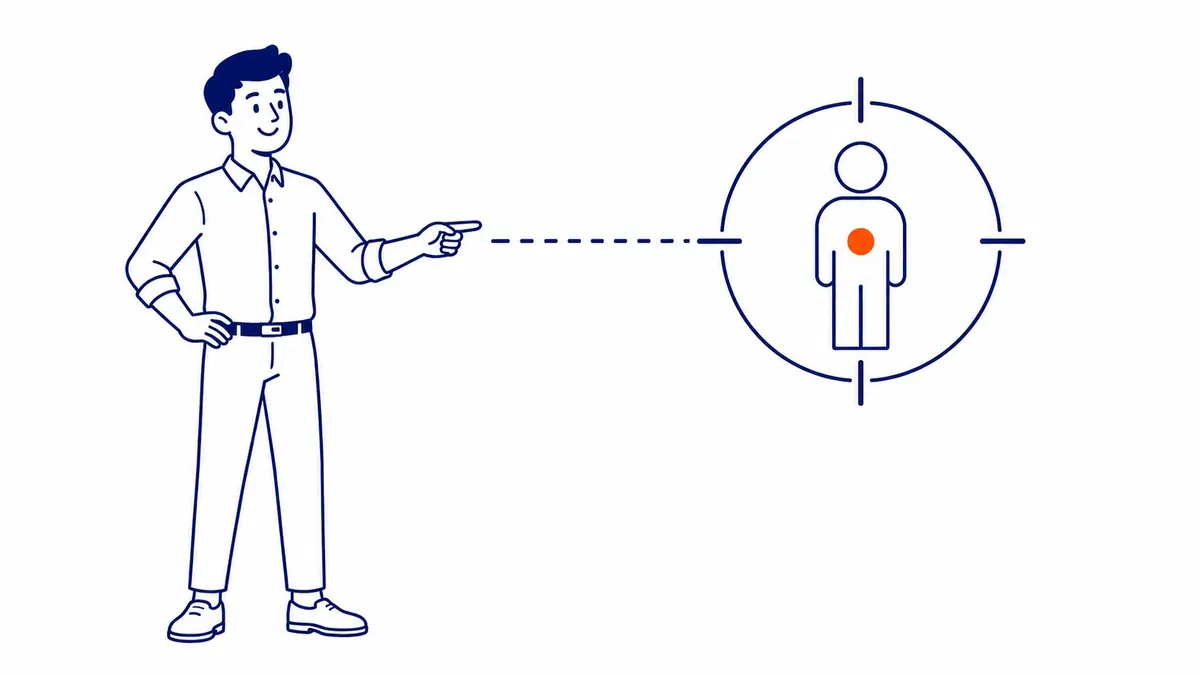
Here is the second case. You bought links once, or you inherited a site from someone who did. Emails to those webmasters bounce, or they go unanswered for months.
Removal beats disavowal every time. Google would rather the link vanish. Sometimes the owner wants two hundred dollars to take it down. Disavow the thing instead of paying.

Most Sites Never Need the Tool
Google’s own documentation says most sites should not use the disavow tool. We agree with that, and saying so costs us audit work.
Junk links reach every website. Scraper copies. Directory listings from a decade ago. Comment spam nobody cleaned up. Google discards nearly all of it without being asked.
Penguin folded into the core algorithm back in 2016. The system now devalues spam links rather than punishing whatever they point at.
So those Russian forum links in your report are almost certainly doing nothing at all. Not helping. Doing no harm either. Disavowing them burns an afternoon.
The wrong ones cost real money. Throw away a legitimate link and the ranking signal it carried goes with it.
Clients ask us for a percentage. How much of the profile is toxic, exactly. No such number exists, though plenty of tools will happily invent one and charge for it.

How to Build and Submit the File
Formatting Rules That Break Uploads
Plain text, UTF-8 encoded, one entry per line. Nothing fancier survives the upload.
Lines beginning with a hash are comments. Use them. Date the file, then note beside each domain why it landed there. Six months later that context saves an hour of squinting.
Spreadsheets get rejected. So do Word documents. The tool explains itself poorly when it refuses them.

Uploading Replaces Everything
Each new upload wipes the previous file. There is no merge, no append, no undo.
Download the current version before touching anything. We have watched an agency erase two years of careful work by uploading a fresh list of five domains.
Keep the master copy somewhere outside Search Console. A shared drive is fine. Anywhere the next person will find it.

What Disavowing Cannot Fix
Thin content stays thin afterward. A disavow file has never rescued a page nobody wanted to read.
Rankings rarely jump once the file lands. Removing a negative is not the same as adding a positive, though plenty of people expect otherwise.
Most profiles we open carry no toxic link problem whatsoever. They carry a content problem, or a technical one. A proper website audit surfaces both in a morning, usually before lunch.
Recovery takes months in the meantime. Some businesses cannot wait that long. They run Google Ads management alongside the cleanup. Spend tapers once organic traffic comes back. Protecting a site from negative SEO takes less work than cleaning up after it.

How Long a Disavow Takes to Work
Google has to recrawl every URL in your file before the entry counts for anything. Expect weeks, minimum. Months for low-value spam pages that nobody visits and few crawlers bother with.
No confirmation email arrives. Nothing turns green on a dashboard. The tool accepts your file and says almost nothing.
Manual actions do give you a signal eventually. The action lifts, or the reconsideration request comes back declined with examples attached.
Algorithmic movement gives you nothing to read. You watch rankings and you wait. So we keep fixing the site while a disavow file settles. Our Calgary SEO work never treats the upload as a finish line.
Nineteen years in and the pattern holds. Clients arrive convinced their backlinks are the problem. The audit finds a slow site. Thin pages. A competitor who simply publishes more.
Worth asking whoever handles your SEO services when they last opened the disavow file. Plenty have never looked at it once. A disavow file does nothing about poisoned search results, which move far faster. Ask about negative SEO while you are at it, since the two get muddled.
Common Questions About Disavow in SEO
Is disavowing links bad for SEO?
It can be, easily. Disavow a legitimate link and you throw away ranking signal you earned, permanently in practice. Aimed at genuine paid links or a manual action, though, the tool does exactly what it should.
How do I know if I have toxic backlinks?
Check the manual actions report in Search Console first. That is the only definitive answer Google will give you. Third-party toxicity scores are estimates, and they cheerfully flag harmless directory links as poison.
Does the disavow file remove links from my site?
Removal never happens. The link stays published on whatever site hosts it. Google just stops counting it toward your rankings, roughly as though the link carried a nofollow attribute.
How long does a disavow take to work?
Weeks at minimum. Every disavowed page has to be recrawled before its entry counts, and obscure spam pages get crawled rarely. Manual action cases resolve faster. A reviewer actually reads your reconsideration request.
Should I disavow spam links from a competitor?
Almost never worth it. Negative SEO makes for a good story. Google ignores the overwhelming majority of junk links automatically, though. Watch your rankings instead. Act if a manual action ever appears. Our SEO blog works through the same trade-off from the practitioner side.
Contact Calgary SEO Company To-The-TOP!
Questions about anything in this article, or about your own rankings? Talk to a Calgary SEO specialist directly.
Phone: (403) 308-5949
Address: 1509 14 Ave SW, Calgary, AB T3C 0W4
Hours:
Monday to Friday: 10:00 am – 7:00 pm
Saturday: 12:00 pm – 4:00 pm
Sunday: closed