
What Is SEO Poisoning?
SEO poisoning is a malware delivery tactic that runs through search results. Attackers push malicious pages to the top of Google for searches people already trust, then wait for the click. The ranking is the weapon. Nothing about it targets a competitor, so it sits well outside the usual arguments about rankings.
SEO Company To-The-TOP! fields this question most often from owners whose own website got dragged into it. Their WordPress install was compromised months earlier. Thousands of spam pages now sit on their domain, invisible to them, fully visible to Googlebot. That version turns up far more often than small businesses expect.

How SEO Poisoning Actually Works
Search engine poisoning starts with a query worth hijacking. Free software downloads. Fillable tax forms. Invoice templates and cracked applications. Attackers pick searches where somebody already wants a file, so the payload arrives looking like the answer.
Then comes the promotion work. Some of it is ordinary black hat SEO, recycled. Stuffed keywords on machine-generated pages. Link networks pointing at each other in circles. Cloaking does the heavy lifting though. The server shows Googlebot a clean article about tax forms. It then shows the human visitor a download button wired to an infostealer.
Poisoned pages rarely sit on domains the attacker registered. Hijacked websites carry ranking history and real backlinks already, so a malicious page inherits trust it never earned. That inheritance is the entire point of the technique.

What SEO Poisoning Looks Like in a Search Result
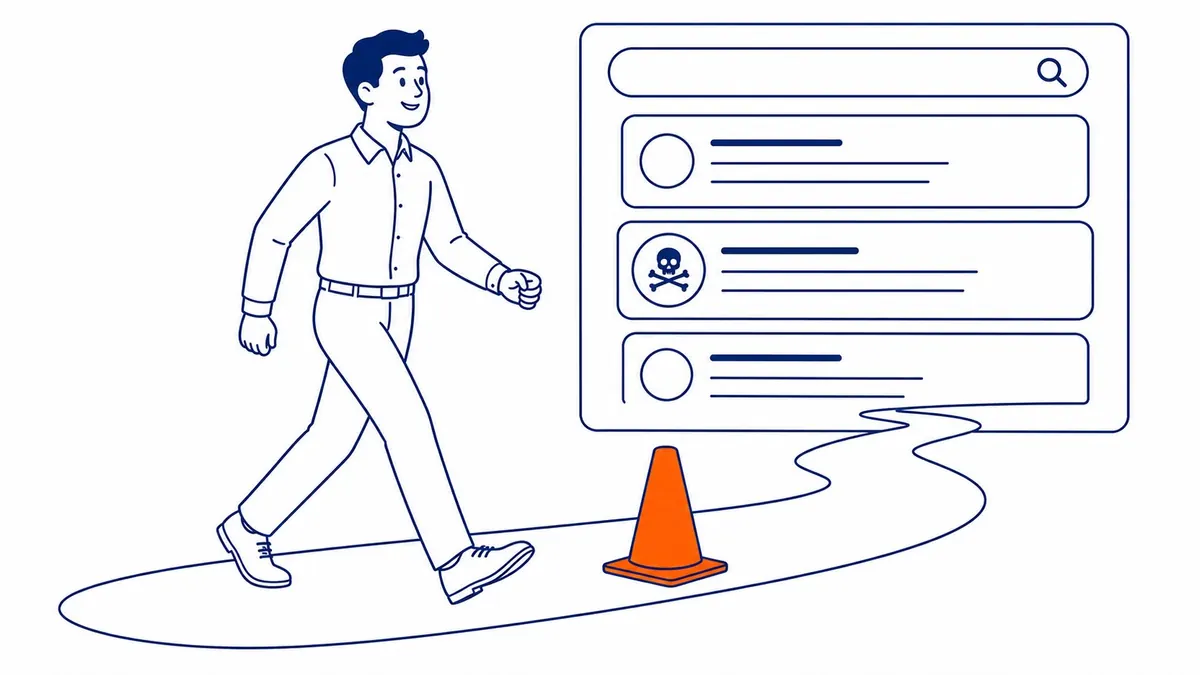
Nothing looks wrong most of the time. That is the uncomfortable part. The listing shows a normal title. Its description reads normally too. Sometimes the domain even belongs to a small business you recognise.
Clues still exist. Google labels some of these listings with a “This site may be hacked” warning. Others give themselves away through mismatch. A snippet full of Japanese retail text sits under a domain selling plumbing services in Alberta. Search results like that carry a signature. The Japanese keyword hack ran for most of the past decade, and it still surfaces.
Fake CAPTCHA screens became a popular second stage recently. The screen asks the visitor to prove they are human by pasting a command into Windows Run. That command downloads the malware itself. No exploit needed. Users do the work for the attacker.
SEO Poisoning Is Not Negative SEO
Three ideas get mixed together here constantly, so pull them apart.
Negative SEO points outward at a rival. Somebody buys spam links aimed at your domain, or scrapes your content across a hundred junk sites, hoping Google demotes you. Your ranking is the target.
Black hat SEO breaks Google’s rules to lift the rule-breaker’s own website. Cheating, yes. Malware, no.
SEO poisoning borrows those same tactics for a different payoff. Rankings are only the transport here. Malware is the product. A poisoned page wants installs, stolen credentials, session cookies. Traffic on its own means nothing to whoever built it. Nothing here gets fixed by the disavow tool, which was built for the first problem. Protecting a website from negative SEO is a separate checklist, and it starts elsewhere.

How a Legitimate Business Ends Up Hosting the Attack
Outdated plugins do most of the damage. A contact form plugin two years behind on updates hands an attacker file-write access. From there the injected pages land somewhere quiet, usually a folder nobody browses.
The owner sees nothing. Their front end still loads fine. Real service pages hold their rankings for weeks afterward. Meanwhile the same domain quietly ranks for hundreds of pharmaceutical keywords in a language nobody at the company speaks.
Then Google notices. A manual action lands in Search Console under “Hacked content.” Organic traffic drops off a cliff. The phone stops ringing well before anybody connects those two events.

Finding Out Whether Your Own Site Has Been Poisoned
Search Console answers this faster than anything else. Its Security Issues tab reports hacked content directly. Check there before panicking about a ranking drop.
Google’s site operator works as a second pass. Query your own domain that way, then read through everything listed. Anything you did not publish is a problem. Pages in a script you cannot read are a bigger one.
Cloaking hides from an ordinary browser visit, so fetch the suspect URL the way a crawler fetches it. The URL Inspection tool runs a live test and shows the rendered page Googlebot receives. That is where a clean article turns into a download button.
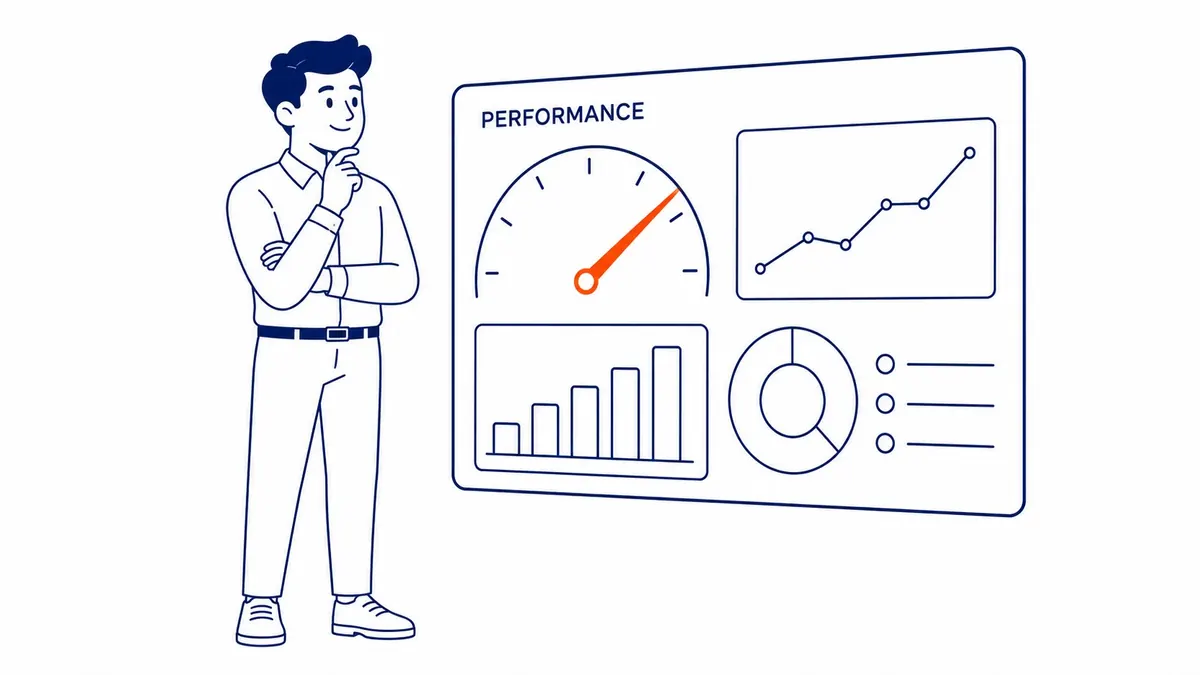
Impressions data gives it away too. Odd queries filling the performance report, none of them related to what you sell, mean something else is ranking on your website. Sometimes those queries point at negative SEO attacks rather than a hack.
Cleaning Up and Staying Out of It
Removing the visible spam solves almost nothing. Backdoors get planted alongside them, so a clean-looking site reinfects within days. Rotate every credential. Patch the plugin that let them in. Then request a review through Search Console and expect the wait to run days rather than hours.
Recovery afterward is ordinary SEO work. A thorough website audit establishes what survived. The rebuild proceeds like any other SEO services engagement from that point. Rankings return slowly. Some pages never climb back to where they sat before, which is a real cost that gets underestimated constantly.
Prevention costs far less than recovery. Update plugins monthly. Delete the ones nobody uses anymore. Two-factor authentication on every admin login. Calgary clients running Calgary SEO engagements have Search Console monitored throughout, which is usually how this gets caught early. Anyone running Google Ads management alongside organic work gets a second alarm. A hacked website can get an ad account suspended without warning.
Questions About SEO Poisoning
Is SEO poisoning the same thing as negative SEO?
No. Negative SEO pushes a competitor’s rankings down. SEO poisoning pushes malicious pages up, almost always to deliver malware. Different goal, different victim, same borrowed tactics.
Can SEO poisoning get my website removed from Google?
Yes, though only where your own site hosts the poisoned pages. Google issues a hacked-content manual action, and listings can vanish entirely until the cleanup passes review.
Which searches are targeted most by SEO poisoning?
Anything ending in a download. Software installers and cracked applications lead. Tax forms and invoice templates follow close behind. Attackers poison branded searches for popular tools too, since users trust a familiar product name.
How do I know if my WordPress site is hosting poisoned pages?
Open the Security Issues tab in Search Console first. Run Google’s site operator against your own domain next. Unfamiliar pages, foreign-language snippets, sudden impressions for products you never sold. Any of those three point the same way.
Does SEO Company To-The-TOP! handle hacked-site cleanup?
Ranking recovery and Search Console review requests, yes. Deep server forensics belongs with a security specialist instead. To-The-TOP! has worked on Calgary websites since 2007. Vancouver and Edmonton clients get the same treatment, as does anywhere else in Alberta or British Columbia.
Contact Calgary SEO Company To-The-TOP!
Questions about anything in this article, or about your own rankings? Talk to a Calgary SEO specialist directly.
Phone: (403) 308-5949
Address: 1509 14 Ave SW, Calgary, AB T3C 0W4
Hours:
Monday to Friday: 10:00 am – 7:00 pm
Saturday: 12:00 pm – 4:00 pm
Sunday: closed