
Which SEO Tool Does SERP Weakness Analysis?
Plenty of them. Most of the big keyword suites carry a difficulty score, and a difficulty score is SERP weakness analysis wearing a shorter name. Pick any of the well-known ones. They mostly agree with each other, because they are all reading the same page you are.
The tool question is the dull part. More interesting is what it actually looks at, and the one thing it never sees.

The Short Answer, and Why It Barely Matters
A weakness tool loads the results for a keyword and reads what already sits on it. How much authority each one carries. Count the links pointing in. Whether the content runs deep or thin. Then it does some arithmetic and hands you a number. Low number, soft competition. High number, a wall.
Which tool you buy barely moves that number. They pull from different link indexes, so they quibble at the edges. On whether a results page looks beatable, though, they land together. The page is public, and they are all staring at it.
So you are not choosing between a tool that sees the truth and one that misses it. You are choosing between four flashlights pointed at the same wall. Hunting beatable keywords for a blog works the same way, budget or no budget. None of them counts a session in SEO, a number that lives elsewhere.
A Weakness Tool Reads the Winners
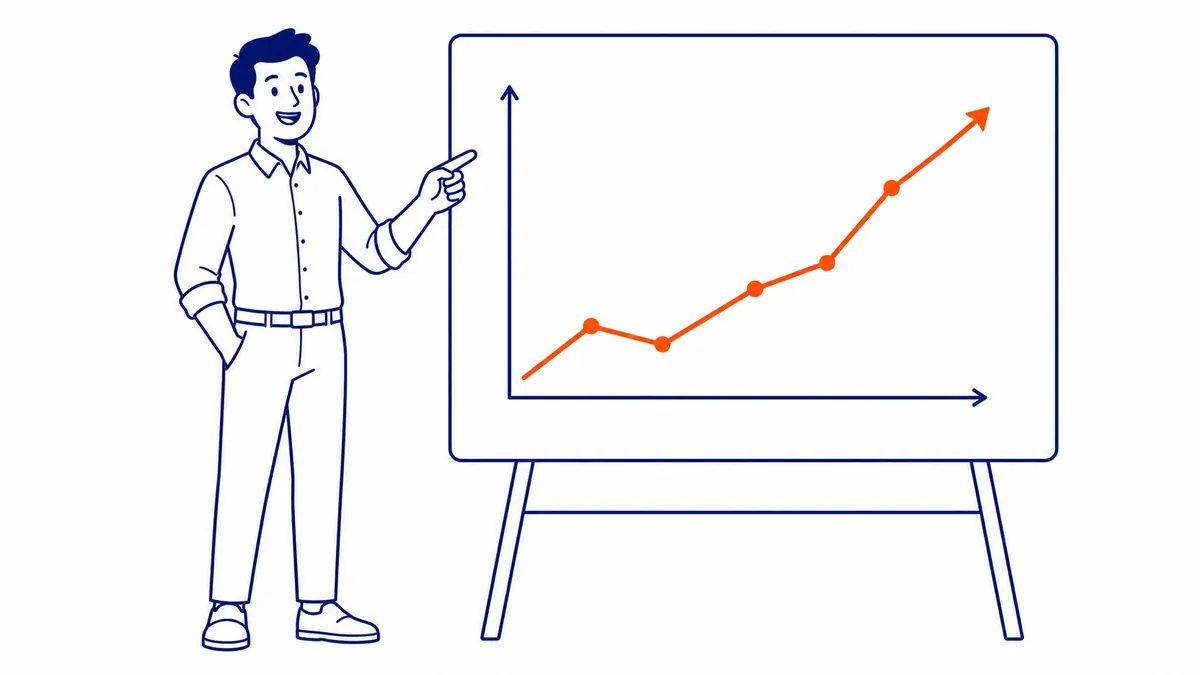
Here is the part nobody mentions. Weakness scoring is really strength scoring run backwards.
The tool cannot measure weakness directly, because weakness is an absence. So it measures the strength of whoever is winning right now, then calls whatever is left over weak. Thin pages up top. Low authority. Titles that miss. It is really a readout of how sturdy the current occupants are.
Which means the whole thing is about them. Not one byte of it is about you, since you are not on the board it read.
Weakness Is Never on the SERP
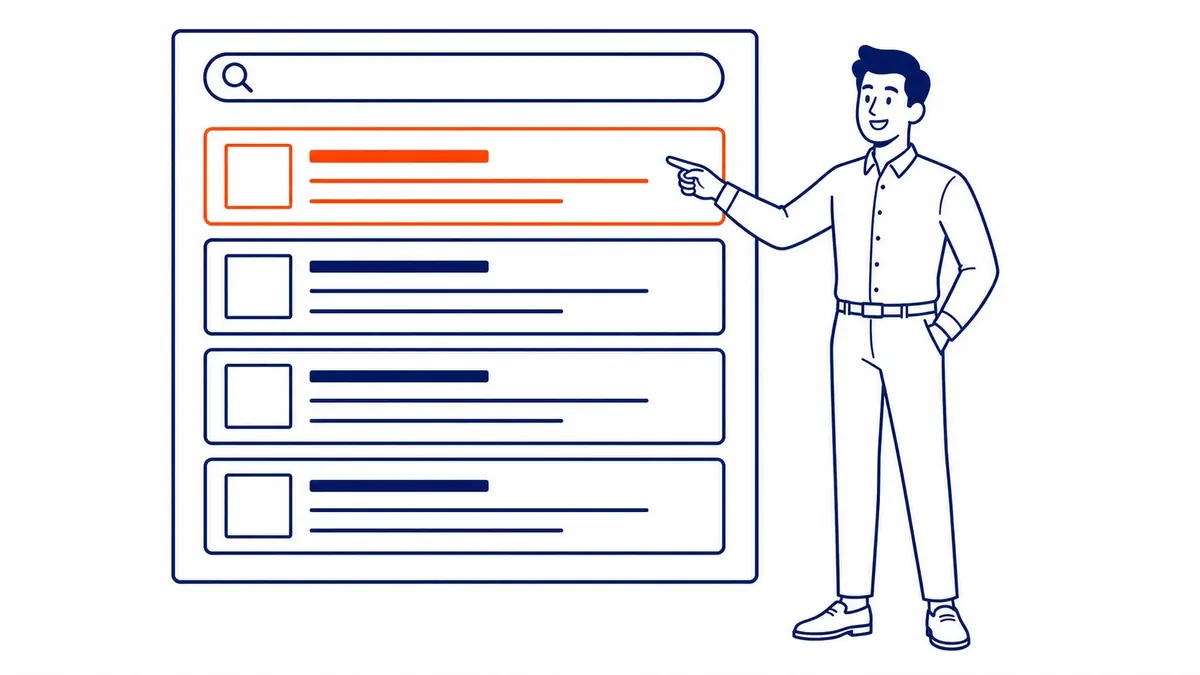
A search results page is a board. Ten rows, ranked, each showing a result that already earned its spot. Read it the way you would read the posted times at the end of a race. The board tells you exactly how fast the current leaders ran.
Now ask the board a plain question. Can I beat these times?
It has nothing to say. The board holds their times, not yours. Your time is not up there yet, and will not be until you actually run. Weakness was never a fact about the board. It is a comparison between the board and a challenger, and the tool only ever measured one side of it.
So the same weak result is a gift to one business and a wall to the next. A roofer who has answered that exact question on job sites for fifteen years walks onto that board and owns it. Whoever has not gets buried by the same soft-looking competition. The board looked identical to both. That difference was standing off the board the whole time.
Good keyword research starts right here. A straight read of your own strength against the field, not a number pulled off a screen.
The Board Shows Their Times, Not Yours
A low difficulty score is not a green light, then. It is half a sentence.
The tool supplies one half competently. These times are slow, and real. The other half is yours, and no tool can fill it. Can you run faster than that? Have you served this intent before, with the reviews and case studies to prove it?
Say yes, and the tool just found you a real opening. Answer no, and the same read is a trap dressed up as an opportunity.
No Column for the Prize
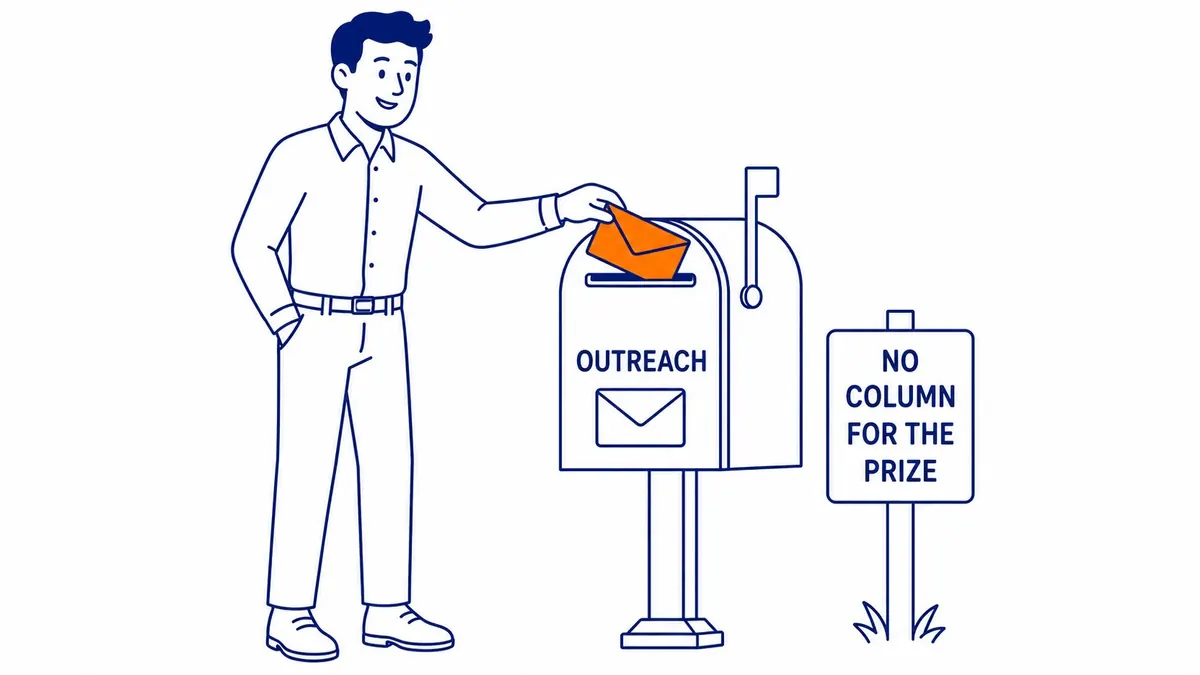
The board leaves out a second thing, and it costs more than the first.
The board has no column for the prize.
A results page can look weak for two completely different reasons. Nobody strong has bothered yet, and there is money waiting. Or nobody strong has bothered because there is nothing there to win. Thin content, low authority, no links to speak of. That is what an easy query looks like. It is also what a worthless one looks like. The metrics come out the same. So the tool cannot tell them apart. It grades how hard the climb is, and never once looks at what waits at the top.
You can top a board and win a medal. Top the same one and win nothing at all. Same board either way.

Where the Score Is Worth Trusting
None of this makes the tools junk. They earn their place, and I run them every week.
Reading fifty results pages by hand to find the two soft ones is a lost afternoon. A difficulty score does it in a minute, and it does not lie about the incumbents. On the winners already ranking, it tells you something real and public. Their strength, their links, the depth of what already sits there, all worth knowing before you spend a month writing.
The score is at its best as a warning. It flags the results page that is plainly out of reach. A full row of national brands, thousands of links each. Believe it there. That is the one verdict it can give, and it saves you months on a fight you cannot win yet. A website audit does the mirror-image job, measuring your own side of the comparison, the half the tool never sees.
Take the two together and you have a decision. Read the number alone and you have a guess with a figure stapled to it.

What We Tell Calgary Clients
SEO Company To-The-TOP! has been picking these fights for Calgary businesses since 2007. The difficulty tools stay open the whole time. Never the last word, though. To-The-TOP! reads them next to a question no tool asks.
Ahead of any keyword, we ask the two things the board cannot. Can this client genuinely serve that searcher better than what is ranking now? And is there a customer at the end of it worth having? A soft results page with no buyer behind it is a month spent reaching an empty room. Our Calgary SEO work starts by matching the winnable fights to the ones that actually pay.
That same discipline runs through our Google Ads management, where an easy keyword that never converts still empties the budget. Our SEO portfolio shows the rankings we went after and won. That is your own strength made visible, the part no tool could measure in advance. Phone (403) 308-5949 if you want that read on your own market. Search work takes three to six months before anything meaningful moves, and we say so before anyone signs.
Which tool does SERP weakness analysis? Most of them. None does the harder half, and that half was always going to be yours. That half starts with running your own audit, on your own site.
Common Questions About SERP Weakness Analysis
Which SEO tool is best for finding weak SERPs?
Any of the major keyword suites with a difficulty score will do it. They mostly agree, because they read the same public page. The tool you pick matters far less than what you already know about your own ability to serve that search. Spend the money on the one whose interface you will actually open.
What makes a SERP weak?
A results page looks weak when the pages ranking on it carry low authority, thin content, barely any links. Just remember that weak is measured against whoever is challenging it. The same spot is easy for a business with real depth and hard for one without.
Can a difficulty score predict if I will outrank a page?
No. It scores the strength of whoever is already ranking, which is only one side of the comparison. Whether you outrank them turns on your own authority, your relevance, your track record. The tool sees none of that. It grades the incumbents, never the challenger.
Is a low keyword difficulty score enough to target a keyword?
Not on its own. A low number tells you the current competition is soft. It says nothing about whether the searchers are worth reaching, or whether you can serve them better. Pair it with a plain look at the intent and the money behind it.
Do free tools do SERP weakness analysis?
Some do, in a lighter form. For many keywords they are close enough. The paid suites pull from larger link indexes and give steadier numbers.
Contact Calgary SEO Company To-The-TOP!
Questions about anything in this article, or about your own rankings? Talk to a Calgary SEO specialist directly.
Phone: (403) 308-5949
Address: 1509 14 Ave SW, Calgary, AB T3C 0W4
Hours:
Monday to Friday: 10:00 am – 7:00 pm
Saturday: 12:00 pm – 4:00 pm
Sunday: closed