
Does Blocking Countries Hurt SEO?
Not the way people fear it. No penalty exists for a country block, and Google has never published anything resembling one.
One country on your list can still cost you the whole site, though. It is almost never the country anybody worries about.
Googlebot crawls mostly from the United States. So a firewall rule aimed at fraud coming out of a market you never sell to changes nothing at all. Point that identical rule at American addresses and your site stops being crawled.
That is the entire answer. What follows is how those two outcomes keep getting confused with each other.
No Ranking Signal Exists for Country Blocking

Start with what Google has never said. No help page, no algorithm update, no piece of Google documentation treats geographic access restrictions as a ranking input.
The reason is mechanical. Rankings get built out of pages a crawler fetched, plus links pointing at them. A visitor in Manila who met a 403 was never evidence of anything.
Search results are computed country by country anyway. Your Calgary rankings get assembled for people searching in Calgary.
So blocking Vietnam does nothing to a Calgary search result. Nothing to an Edmonton one either.
The worry almost always comes from somewhere else. People hear the word blocking and picture robots.txt, a noindex tag, some manual action landing in Search Console. Different machinery entirely.
Blocking a person and blocking a crawler feel like one decision. They are two, and only one of them reaches your rankings.
The One Country You Cannot Afford to Block

Google publishes where its crawlers live. Googlebot requests arrive mostly from American IP addresses. The company also posts those ranges as files anyone can download and load into a firewall.
Now picture the usual setup. Somebody in the office gets tired of form spam. A country list goes into the security plugin. Russia, China, Vietnam, sometimes a dozen more after that.
Nobody blocks the United States deliberately. It happens through a whitelist instead. Somebody flips the logic around and permits Canada only.
That version turns up more than you would expect. A Canadian business selling to Canadians. Then a firewall built to match the customer list exactly, with the crawler nowhere in anybody’s reasoning.
Ownership of the rule matters here too. Hosting companies set country rules. So do security plugins, sometimes on install, sometimes through a preset nobody read.
What Googlebot Meets at a Blocked Border
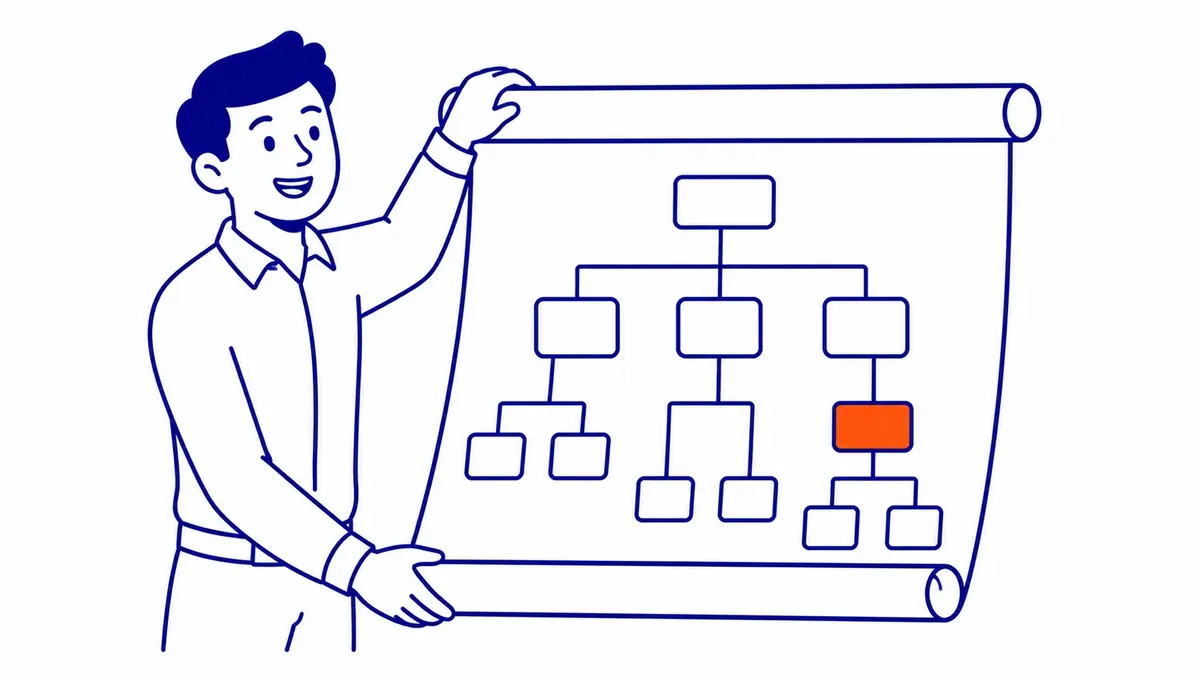
A blocked request is not mysterious from Google’s side. It looks like a 403.
Google treats a 403 roughly the way it treats a 404. The page is not there. Return that answer for long enough and the URL leaves the index.
Nothing about that is a penalty. No manual action lands in your account. Pages simply stop appearing, one at a time.
Recovery runs the same way in reverse, though. Take the rule off and the crawler comes back. Nothing permanent happened to the domain itself.
The Delay Is What Hides the Cause
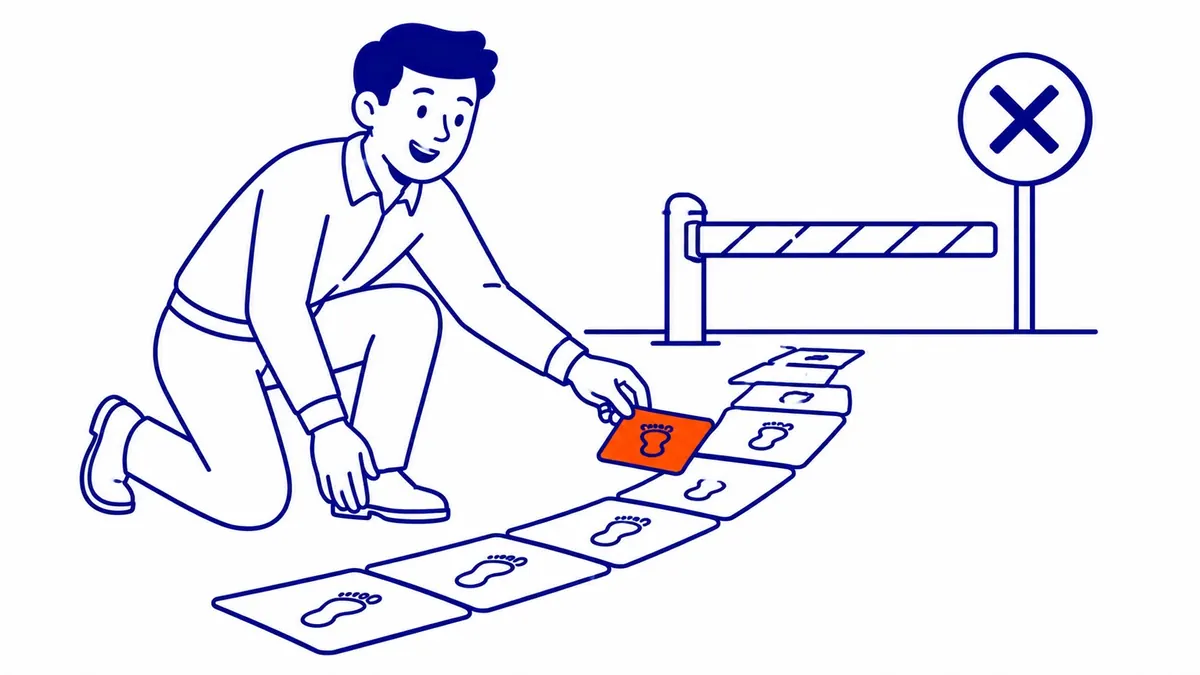
Removal is gradual, and that is the real trap. Google does not drop a URL the first time a request fails.
It retries. Days pass. Then weeks, on pages it fetches rarely.
So the traffic curve slides rather than falls. Nobody connects a slide in April to a firewall change made in February.
By the time somebody asks the question, the search is on for a content problem. Meanwhile the actual cause sits in a security dashboard nobody thought to open.
Ask what changed on the server. Everybody checks the page first. So that question gets skipped constantly.
Somebody Will Say Google Crawls From Everywhere Now

Fair, and it is easily the strongest objection here. Google has said Googlebot also crawls from addresses outside the United States. Partly to see what a site serves a visitor sitting in another country.
Only look at what that does to your fix. You wanted a country list you could trust. Now you need to know which countries Google will crawl from next month.
Nobody outside Google knows that. It changes without an announcement.
So the objection holds. It also lands on the same side as the answer. A country list cannot be made safe by bolting exceptions onto it.
Geography was never the right control surface. The objection proves that point rather than denting it.
Block the Visitor, Verify the Crawler
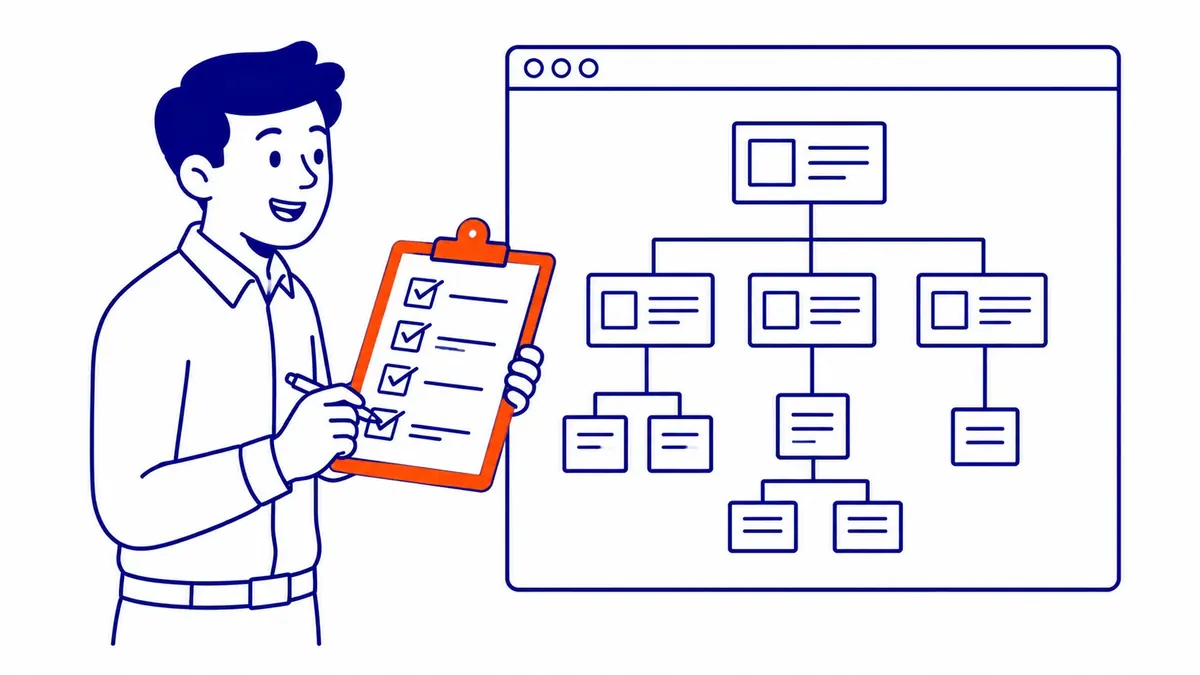
So change what the rule asks. Stop asking where a request came from. Ask what it is.
You can check Googlebot by name rather than by geography. Run a reverse DNS lookup on the address. A genuine Googlebot resolves to a hostname at googlebot.com or google.com. Then run that lookup forward again and confirm it returns the same address you started with.
Anything faking the user agent string fails there. Copying a name is easy. Faking the DNS record is not.
Google’s published ranges do the same job with less effort. Most firewalls accept an allow list. Load the ranges, permit them, then keep whatever country rules you already had.
The country block survives all of it. Your crawler still gets through.
Why Businesses Start Blocking Countries at All

The reasons are usually sound. Form spam out of a handful of regions. Card testing at a checkout. Bandwidth burned by scrapers nobody invited.
None of that is an SEO decision. It should not be argued as one either.
One side effect confuses people, though. Analytics gets cleaner after a country block. Bounce rate improves. Average session length climbs.
That is junk traffic leaving, not rankings arriving. Two different events sharing a single graph.
Then the opposite mistake shows up. Somebody blocks a market the business actually sells into, because traffic from there looked thin. Thin traffic in a market is exactly what an unranked site looks like.
Check Your Own Site Before Blaming the Block

None of this needs a consultant.
Open Search Console. Run a live test on your most important page. The tool fetches as Googlebot, so a firewall standing in the way appears right away.
Then open the crawl stats report. Read the response breakdown. A wall of 403s means something between Google and your server said no.
Ask whoever runs the firewall for the actual country list next. Most owners have never seen theirs. Ask when it was last edited, too.
The date usually explains more than the list does.
SEO Support at To-The-TOP! in Calgary
Firewall rules surface in audits more often than anyone expects at SEO Company To-The-TOP!. Usually a host or a security plugin set them years earlier. Nobody remembers agreeing to anything.
A website audit catches it early. That check fetches a site the way a crawler does, never the way a browser does. Calgary businesses get the same first pass.
To-The-TOP! has run search engine optimization here since 2007. Rankings move across three to six months. Nothing about that timeline is fast, though the portfolio shows where patient work has reached.
A gap that long is where Google Ads earns its keep. The crawl problem still needs fixing underneath it. All of it starts with keyword research.
Common Questions About Blocking Countries and SEO
Does blocking countries cause a Google penalty?
No penalty exists for it. Google has never listed geographic restrictions as a ranking factor. The exposure sits in access instead, and access is a crawling problem.
Can I block Russia and China safely?
Usually, if you sell nowhere near either one. Neither country carries the bulk of Google’s crawling. Keep a verified crawler rule sitting above the country rule anyway.
Will a country block stop Googlebot from crawling?
Only a block covering addresses it actually uses. American ranges are the real exposure. Google crawls from other countries sometimes as well, so identity beats geography as a rule.
Does blocking countries affect local rankings in Calgary?
Not on its own. Calgary results get built for searchers in Calgary. A page that stops being crawled loses those rankings anyway, whatever caused the block.
How do I let Googlebot through a country block?
Load Google’s published crawler ranges into the firewall allow list. Reverse DNS verification handles anything the ranges miss. Then re-run the live URL test and confirm the change took.
Contact Calgary SEO Company To-The-TOP!
Questions about anything in this article, or about your own rankings? Talk to a Calgary SEO specialist directly.
Phone: (403) 308-5949
Address: 1509 14 Ave SW, Calgary, AB T3C 0W4
Hours:
Monday to Friday: 10:00 am – 7:00 pm
Saturday: 12:00 pm – 4:00 pm
Sunday: closed