
Does Direct Traffic Affect SEO?
No. Direct traffic moves nothing in your rankings. It does something quieter instead, and almost nobody checks for it. Direct traffic damages the number you use to judge whether your SEO is working at all.
That difference is worth twenty minutes of your afternoon.
Direct Traffic Is Not a Channel. It Is the Leftover Pile.

Every other row in that report names a source. Organic search. Paid ads. Social. Referral. Each row earned its label, since something identified where the visit came from.
Direct earned nothing. A session lands there when your analytics could not work out the origin. No referrer arrived with the request. Nothing tagged the URL either. So the visit gets filed under the one heading that means unknown.
Read the label that way and the question changes shape. You thought you were asking about a type of visitor. Really you are asking about a filing error.
What Actually Lands in That Bucket
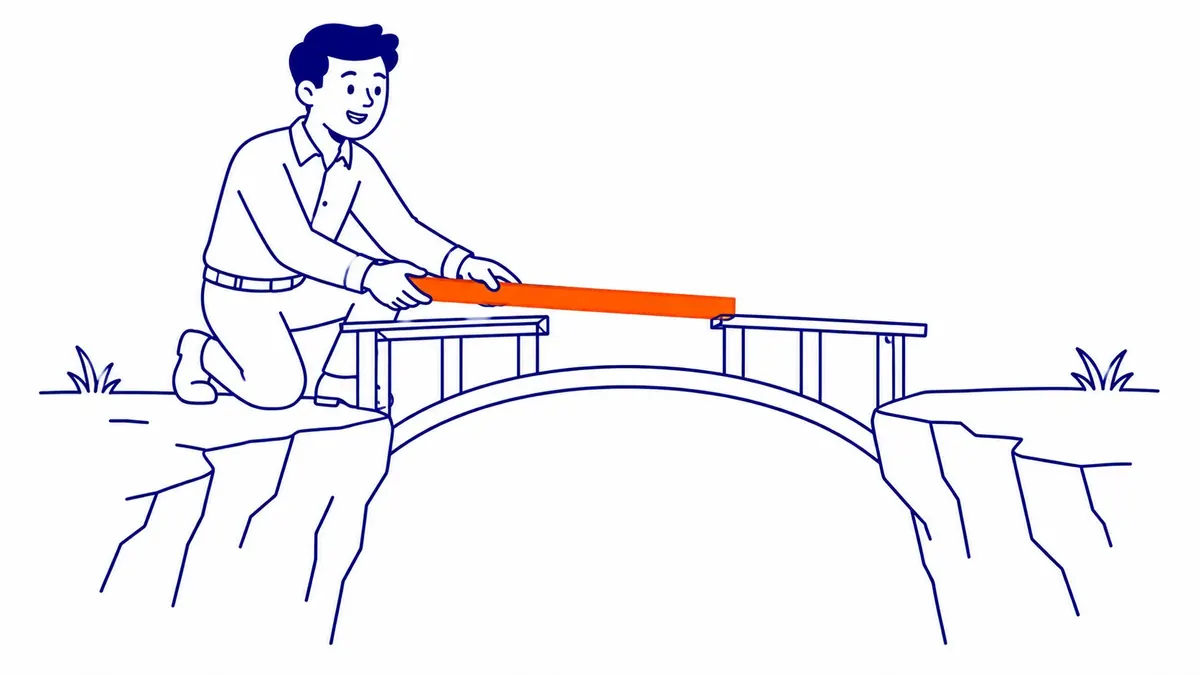
Somebody typing your web address from memory. That happens. It is the picture everyone has in mind.
Now the rest of the pile.
A link clicked inside a desktop email program. PDFs opened straight out of a downloads folder. Links tapped inside apps that pass no referrer at all. Your own campaign, sent without tracking parameters on the links. One of your pages that still runs without HTTPS, reached from a secure site. The referrer strips in transit. Staff and contractors. Bots that slipped past the filter.
Not one of those people typed anything from memory. Every one of them sits in your direct traffic row this morning.
The Ranking Answer, Briefly

Google ranks your pages on data Google collects itself. Your analytics property belongs to you. No ranking system reads it, so the direct number in there was never an input to anything.
Settled, and a little boring. What those visits do to your reporting is the part worth arguing about.
Somebody Will Say Direct Traffic Means Brand Strength
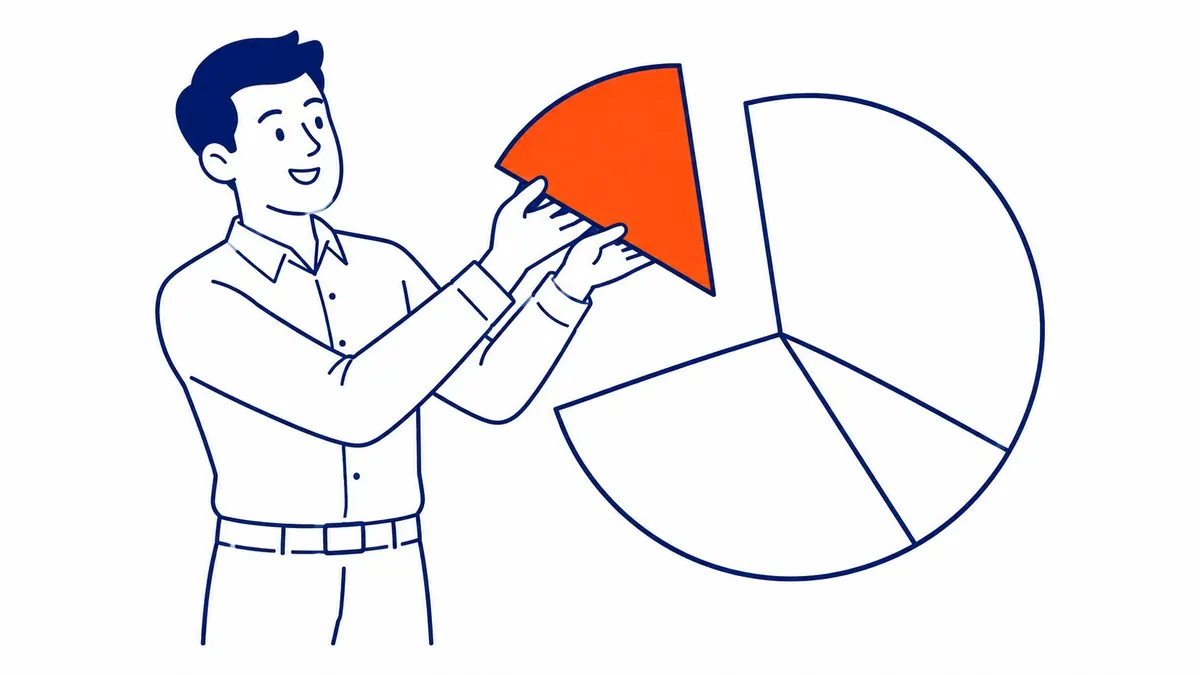
Half right, and it is the better half. People who know your name do come back. A few of them type the address.
Only the measurable version of that lives in a different report. Open Search Console. Filter your queries down to the ones containing your business name. Watch that line across three months. Brand demand with a number attached, counted by Google rather than guessed at by you.
The direct row cannot do any of that. It has no way to separate a loyal customer from an untagged newsletter. So the objection confirms the argument instead of denting it. You went looking for proof of brand strength and had to leave this report to find some.
Why Direct Rises Whenever Your SEO Works

Something in that objection is still true, though never for the reason people give.
Direct usually does climb while rankings climb. Both lines move together, month after month, on plenty of accounts. So the connection looks obvious enough to skip checking.
Check it anyway. More organic visits means more chances for a referrer to go missing along the way. The share that leaks stays about the same. Volume leaking does not. Grow organic by half and your direct row grows as well, out of nothing but arithmetic.
A real correlation with an accounting cause behind it. Which is exactly why nobody should read it as a signal.
Where Direct Traffic Actually Hurts Your SEO

Here is the part that costs money.
Some slice of your organic search traffic sits in the direct bucket right now. A redirect dropped the referrer somewhere along the chain. Elsewhere one of your pages still runs over the old protocol, so the referrer never survives the hop. The visit was organic. Your report calls it direct.
So the organic line reads lower than the truth. Then decisions follow that number. Somebody concludes the content push failed. A page gets rewritten while it was quietly working.
The reverse does damage too. Direct climbing while organic slides looks like brand loyalty rescuing a bad quarter. Sometimes those two lines simply traded traffic. Nothing changed except the label sitting on it.
A Test You Can Run This Afternoon

Open the direct traffic report. Switch the view over to landing pages.
Read the URLs. Your homepage belongs in that list. So does anything short enough to type without looking.
Now hunt for the long ones. A blog post from 2023 carrying a forty-character slug. Some product page four folders deep. Nobody typed that from memory. Bookmarking a URL like that is rare too.
Each of those rows is a misattributed visit wearing the wrong label. Count them. That figure is the size of your measurement problem. Four minutes of work, and you bought no tools to get it.
One more check. Pull your Search Console clicks for last month. Then pull organic sessions from analytics across the same dates. Those two never match exactly, which is normal and expected. A gap that widens every month is neither.
Timing matters here as well. Note the week the gap opened up. Then line that date against your own change log. A migration, maybe. Some new plugin, or a fresh redirect rule somebody added quietly. Reporting faults have a start date. Ranking losses rarely do.
How to Shrink Your Direct Traffic Bucket

Tag the links you send out yourself. Newsletters. Social posts. The QR code printed on a flyer. No tracking parameters means no attribution, so the visit joins the pile by default.
Filter your own staff out of the reporting. Internal testing and office sessions land in that same pile.
Check that your redirects still pass a referrer through. Serve every page over HTTPS, including the forgotten ones nobody has opened since the migration.
None of that work lifts a single ranking. It makes ranking work visible, which is the only way anybody learns what to do next. A website audit turns up most of these faults in one pass.
What a Rising Direct Number Is Worth

Treat it as a question rather than an answer.
Direct went up. Something caused that. Repeat visitors, possibly. A podcast mention nobody logged. An untagged campaign you launched three weeks ago and forgot about.
Go find out which one. The evidence sits in the landing pages and in the timing. Search Console settles most of the rest.
SEO Reporting and Direct Traffic at SEO Company To-The-TOP! in Calgary

Business owners bring us this one with a chart already open. Direct is up. Organic is down. The conclusion arrived before the diagnosis did.
Half the time the traffic never went anywhere. It changed rows. Ask two questions before anybody rewrites a page. Did the direct row grow by roughly what organic lost? And did something technical change that same month? Two movements that mirror each other usually share one cause. To-The-TOP! checks attribution before touching a page, since rewriting content to fix a reporting fault wastes a month.
Then a website audit shows which pages earn search visits and which ones never did. Fresh keyword research decides what to chase next. Then the patient part starts. Three to six months before positions move meaningfully, with nothing guaranteed. To-The-TOP! has worked this way in Calgary since 2007, one person on the account throughout. Businesses needing customers sooner often run Google Ads beside the search engine optimization work.
Common Questions About Direct Traffic and SEO
Does direct traffic affect SEO rankings?
No. Google ranks pages on its own data. Your analytics account plays no part in that process. Sending yourself a thousand visits changes no position at all. The number matters for reporting, never for ranking.
Why did my direct channel jump overnight?
Look at the technical side first. A new redirect rule counts. So does a migration, or a campaign that went out with no tags on it. Traffic rarely appears from nowhere in a single day. Usually it moved rows.
Is a large direct channel bad?
It is not a penalty. Call it blindness. The bigger that row grows, the less you can trust any channel comparison you make. Shrinking it buys you clearer numbers.
How do I find where those visits really came from?
Landing pages tell you most of it. Deep URLs with long slugs were never typed from memory. Cross-check the dates against campaigns you ran, then against your Search Console clicks.
Should an SEO report include the direct channel?
Include it, then label the row plainly as traffic with no attribution attached. A report treating direct as a channel invites the wrong conclusion. We show it beside branded search, which is where the brand story actually lives.
Contact Calgary SEO Company To-The-TOP!
Questions about anything in this article, or about your own rankings? Talk to a Calgary SEO specialist directly.
Phone: (403) 308-5949
Address: 1509 14 Ave SW, Calgary, AB T3C 0W4
Hours:
Monday to Friday: 10:00 am – 7:00 pm
Saturday: 12:00 pm – 4:00 pm
Sunday: closed