
How Does Mobile Usage Influence SEO and Online Advertising Strategies?
Mobile usage changes where the decision happens. Not what you build.
Most answers to this hand you a checklist. Responsive layout. Faster load. Bigger tap targets. Real work, all of it. Most Calgary businesses finished that list years ago.
Then their mobile numbers still read worse than desktop. Nobody could say why.
The reason sits outside the website. A phone changes the shape of the search result page itself. Two channels that behaved independently on a desktop stop being independent on a screen four inches wide.
A Phone Shows One Result at a Time

Load a commercial search on a desktop monitor. Count what fits before you scroll. Ads across the top. A map pack. Two or three organic listings under that. Everything visible in one glance.
Now run the same search on your phone.
One result fills the screen. Maybe two. The rest lives below a scroll that plenty of people never perform.
That single difference does more to your strategy than any technical fix. On a desktop the paid listing and the organic listing compete inside the same glance. A searcher weighs them side by side. On a phone they arrive in sequence. Ad first. Organic second, after work.
So the question stops being whether to do SEO or advertising. It turns into a question about who reaches the screen first, and whether the second arrival still gets seen at all.
Position Three Is Not Position Three
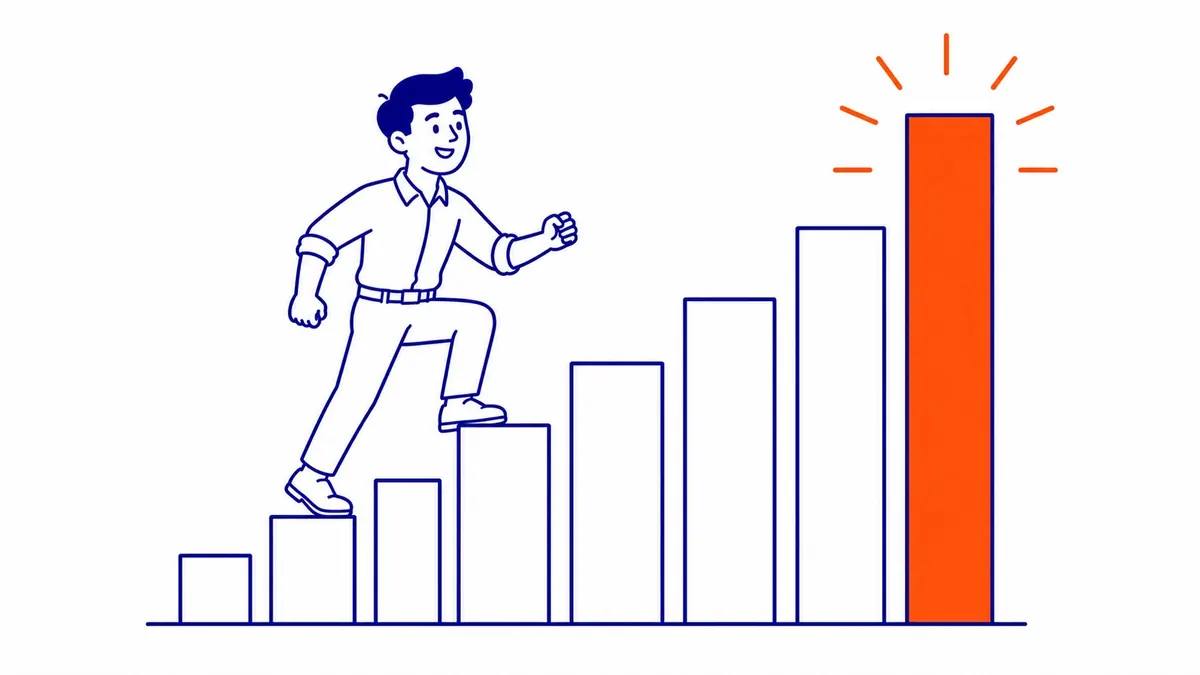
Search Console blends your devices together by default. That average position you report on every month is a mix of two different results pages.
Filter by device instead. The report has the option built in.
What turns up is usually a split. Desktop position four still earns clicks, since desktop position four sits on the visible screen. Mobile position four sits two scrolls down, under the ads and the map pack and a stack of related questions. Same number. Different outcome entirely.
So a ranking gain that reads as small can matter more than a large one. Moving from six to four on mobile crosses a scroll boundary. Twelve to nine crosses nothing.
Then Just Buy the Top of the Page

Here comes the obvious objection. Mobile usage hands the first screen to advertisers. So buy the first screen. Pay for the top slot and skip the argument.
Run that for a month. Then read the report.
What the money buys on a phone is a position. Attention is separate. A mobile search happens standing in a parking lot. Between meetings. One-handed, while something else is going on. The searcher taps the top result, scans for three seconds, taps back.
Now comes the part that breaks the plan. On a desktop that same person opens four tabs and compares them properly. A phone has no four tabs. They tap back and pick again from the same list, or they quit and call whoever they already knew about.
One shot per session, either way. Both channels are fighting over the same shot. That is the case against running Google Ads management and organic work as two separate projects. Mobile traffic punishes the split harder than desktop ever did.
The Conversion Is a Phone Call
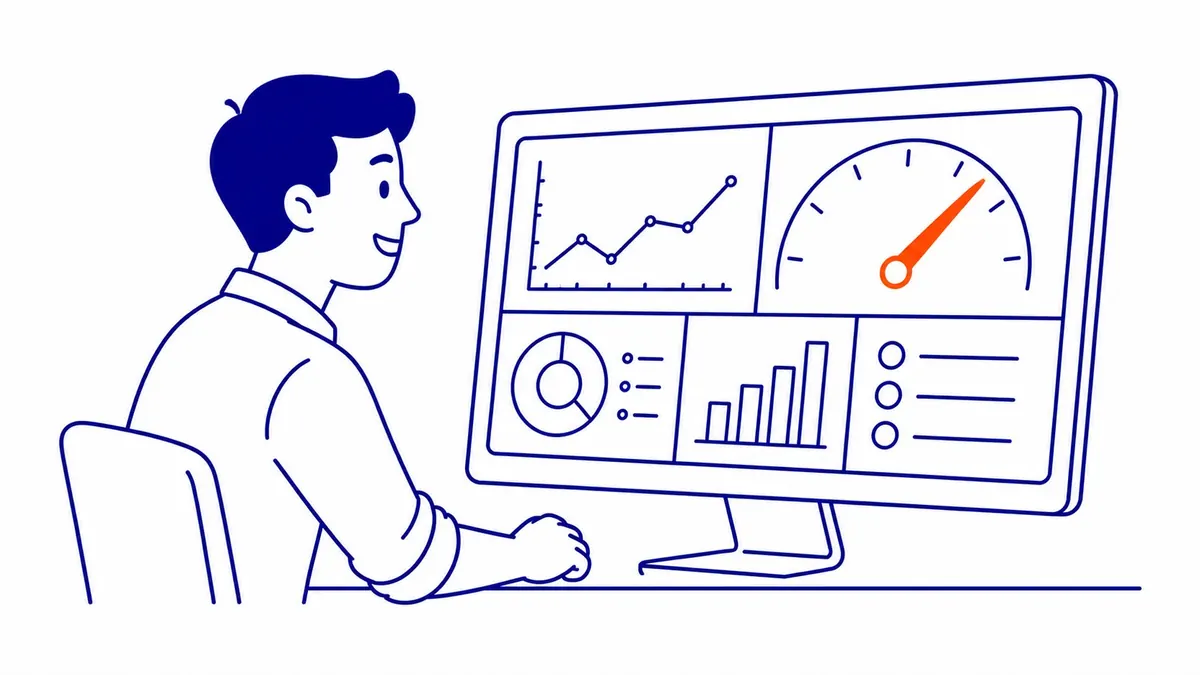
Watch what a mobile searcher does at the end.
They call. Maybe the number sitting in the map pack. Sometimes the button in your header. Then the session closes without a form submission. Nothing lands in your contact inbox. The visit reads as a bounce.
Measure that traffic with form fills alone and mobile becomes your worst performing device. On both sides at once. Your ads look expensive. The organic traffic looks unqualified. Neither conclusion holds.
We have picked up clients who cut their mobile bids to nothing on exactly that evidence. Their phone rang less the month after. Nobody had connected the two events.
Fix the measurement before touching the strategy. Call tracking on the advertising side. Click-to-call events on the organic side. Then go back and compare.
What Mobile Usage Changes Inside a Google Ads Account
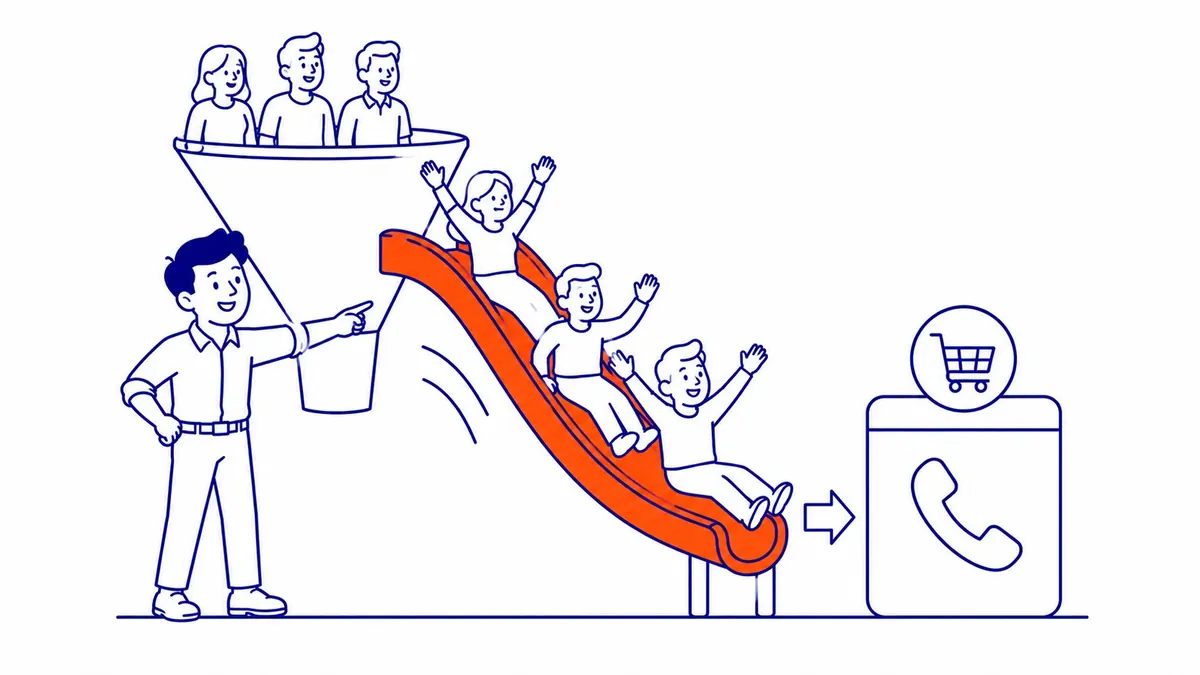
Device data already sits in every account. Segment a campaign by device and the gap shows up in about ten seconds.
Read it before adjusting anything.
Device bid adjustments still live in campaign settings. Whether yours does anything depends on your bidding strategy, since automated strategies handle device themselves and largely ignore the number you typed. Manual bidding is where that lever still moves.
Call assets belong in this conversation too. They attach a tap-to-dial button to your ad. On a phone that button often takes the tap instead of your landing page. Good outcome. Invisible outcome. Inside Google Ads that call can still be counted, provided somebody switched call reporting on. Analytics never records a session at all.
Ad text is the other change. Google fits a variable number of headlines into whatever space it has. Narrow screens get fewer of them. So your argument has to survive inside headline one, because headline three may never render on a phone.
Landing pages matter more here than account settings do. A slow page can raise what you pay per click, since landing page experience feeds ad quality. That same page decides your organic position too. One fix. Two channels. A site audit tells you which pages fail on a phone and which fail everywhere.
Where Mobile Usage Changes Nothing
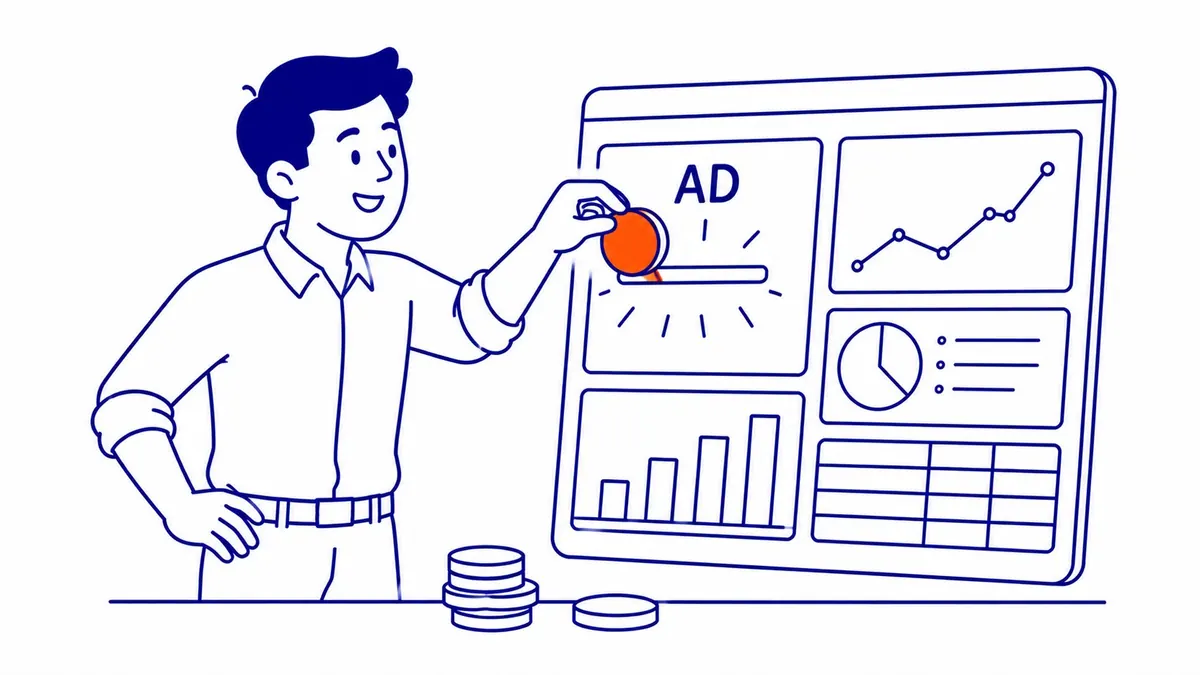
Plenty of searches never moved.
Someone researching a supplier contract does it at a desk. Long comparison reading happens on a laptop. B2B services skew that direction, and so does anything with a spreadsheet attached to the decision.
Your keyword research should show which of your terms sit on which side. Some split evenly. Others will surprise you.
The mistake is applying a mobile-first rule to a desktop-first keyword. Then you have shortened the content a desktop researcher wanted in full.
Check Your Own Device Split First
Open Google Analytics. Add the device segment. Pull twelve months.
Then read three numbers per device. Sessions. Conversion rate. Pages per session.
Most owners find something they were not expecting. Service trades run mobile-heavy, often past three quarters of all sessions. Professional practices sit closer to even. A supplier selling to other businesses can still be majority desktop.
Then run the same check inside Search Console and inside your advertising account. Three sources, each with its own device split. Those numbers rarely agree. Wherever they disagree is usually where your tracking broke.
Your strategy follows that table. Not the industry average somebody quoted at a conference.
Working With SEO Company To-The-TOP!
SEO Company To-The-TOP! has handled Calgary SEO since 2007. One specialist does the work. Advertising and search engine optimization get planned in the same room. Splitting them apart is how a mobile gap goes unnoticed for a year.
Timelines do not shorten on mobile. Three to six months before organic movement means anything. Advertising moves faster, though the measurement work has to land first.
Call (403) 308-5949 and ask what your own device split looks like. Most owners have never checked.
Common Questions About Mobile Usage, SEO, and Advertising
Does mobile usage affect SEO rankings?
Yes. Google evaluates the mobile version of your site for every searcher, desktop users included. So a mobile problem becomes a ranking problem across the whole site.
Should I run separate ad campaigns for mobile?
Rarely worth the extra management. Segment your existing campaign reports by device first. Split the campaign only when the data shows two genuinely different audiences.
Do I need a separate mobile website?
No. One responsive site is the standard now. Separate mobile URLs create duplicate content work nobody wants.
Why does mobile traffic convert worse than desktop?
Often it does not. The conversions happen by phone call and never reach your form reporting. Set up call tracking, then look again.
Does mobile usage change keyword research?
It changes intent more than wording. Mobile searches lean local and immediate. Voice input stretches some queries longer, though the buying intent behind them stays the same.
Are mobile clicks more expensive in Google Ads?
Not reliably. Costs vary by industry and by hour of day. Pull the device segment in your own account rather than trusting a benchmark.
Contact Calgary SEO Company To-The-TOP!
Questions about anything in this article, or about your own rankings? Talk to a Calgary SEO specialist directly.
Phone: (403) 308-5949
Address: 1509 14 Ave SW, Calgary, AB T3C 0W4
Hours:
Monday to Friday: 10:00 am – 7:00 pm
Saturday: 12:00 pm – 4:00 pm
Sunday: closed