
How to Drive SEO for CBD Companies
Export your keyword list. Sort it by search volume. Then read the top twenty rows and mark every query you are actually permitted to answer in writing.
Most CBD keyword lists turn out to be a symptom list wearing a product name. Sleep trouble. Anxiety. Joint pain. That is where the volume sits. Count what survives the marking pass.
That gap is where SEO for CBD companies actually lives. The demand is enormous. It is also completely real. Answering it on a page that sells the product is a separate question, decided by a separate authority.
So the ordinary playbook still applies. Titles still matter. So do internal links and page speed. All of it just runs second. Deciding which demand you are allowed to serve comes first.
The Page That Ranks Is the Page a Regulator Can Read

A normal retail site keeps two kinds of document apart. Marketing pages sit in one pile. Compliance documents sit in another. On a CBD site they are the same file.
Think about what ranking does to that file. Position three means more people read it. It also means anybody can find it in seconds. Regulators use Google. So does a competitor drafting a complaint.
None of that makes SEO a bad idea for a CBD company. Yet it changes the arithmetic on a single page. Traffic to a page you cannot defend is an exposure that grows with your rankings.
Most agencies never raise this. They price the work as traffic. Then they hand over a content calendar full of condition pages.
Sort the Keyword List Before You Sort Any Titles
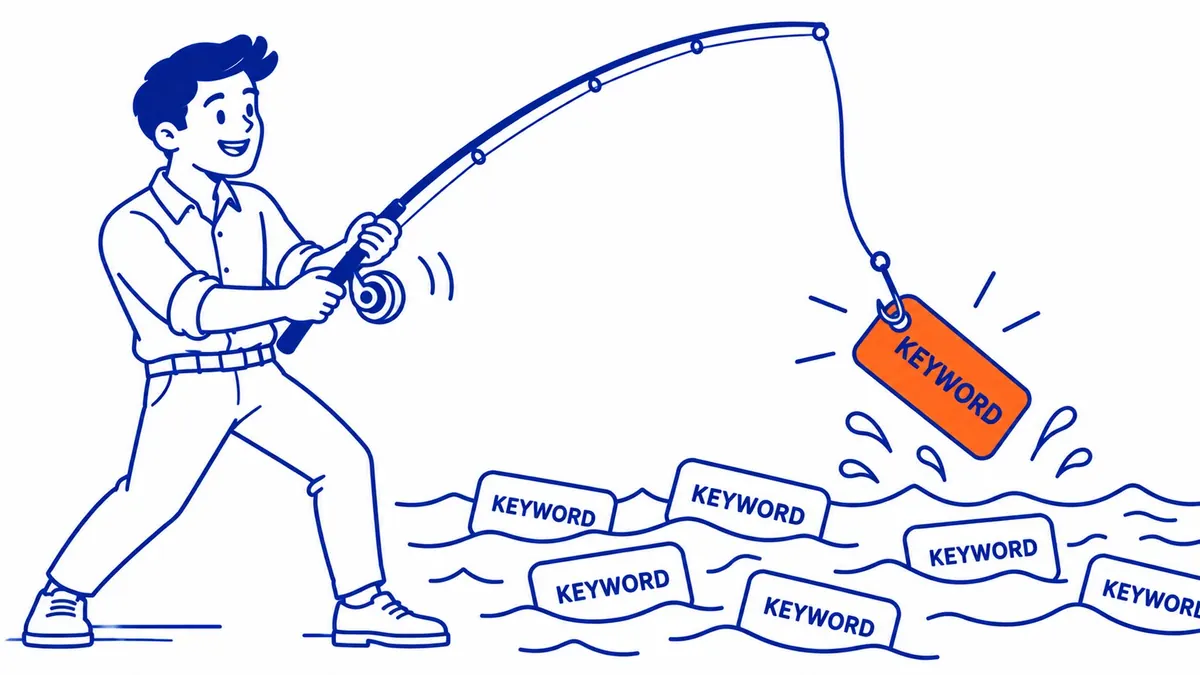
Take that export and split it into two lists.
List one holds condition and effect queries. Somebody asking whether CBD helps them sleep. Another person comparing it against a prescription. High volume. Clear intent to buy eventually.
List two holds product and purchase queries. Full spectrum against isolate. Extraction method. What a certificate of analysis actually shows. Which provinces a seller can ship to.
Volume on the second list looks thin next to the first. Look at conversion instead. Somebody weighing broad spectrum against isolate has already decided to buy something.
Then count how many competitors rank for those queries. Usually far fewer. The whole industry crowded onto list one and left the buying decision uncontested.
In Canada the Rules Come From the Cannabis Act
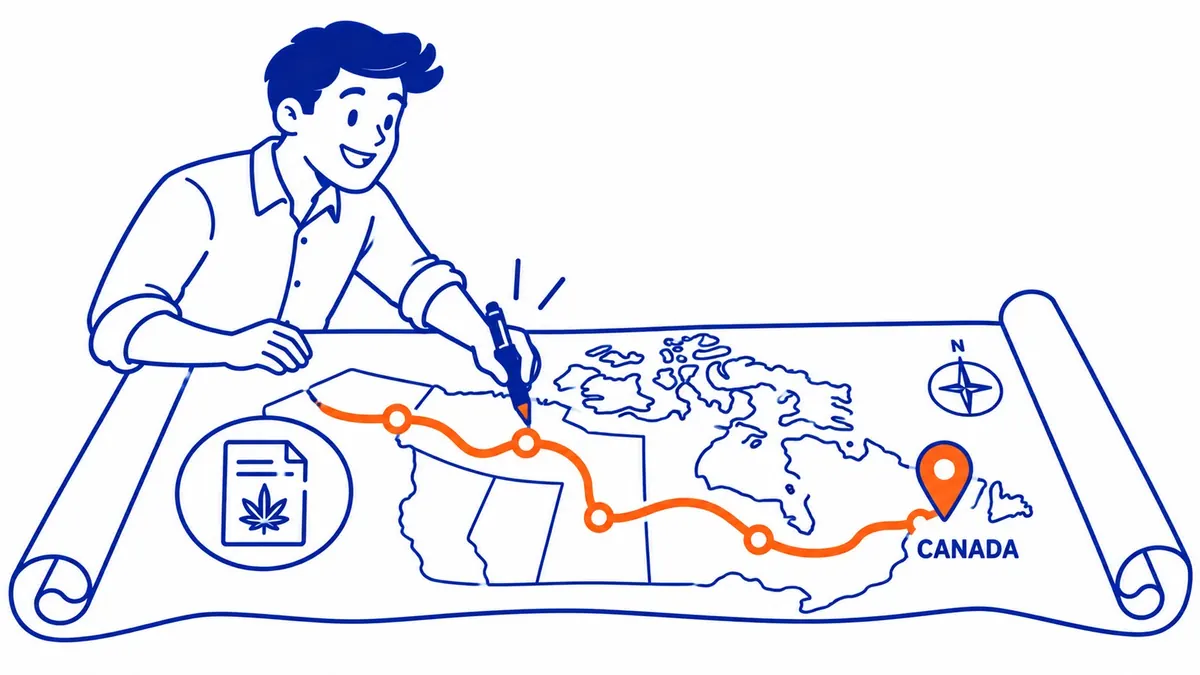
Health Canada regulates CBD under the Cannabis Act. That holds whether the CBD came from hemp or from any other cannabis plant.
Promotion sits under the same Act. Testimonials are restricted. Endorsements are restricted too. Showing a person or a character alongside the product falls under it. So does promotion suggesting a life of glamour or excitement.
Health claims carry their own authorization requirement on top of all that. Read the promotion list again as a search marketer. It removes review-driven content. Influencer roundups go with it. Most of what an ecommerce brand normally publishes to earn links sits on that list.
Your regulatory counsel rules on any specific page. Not your agency. Still, an agency that has never read the promotion rules will hand you a plan built entirely from the restricted half.
Somebody Will Say Just Publish Informational Content

That is the standard escape hatch. Keep the shop clean. Run a blog that educates rather than sells.
Worth trying. Then notice the two walls it runs into.
Health content draws Google’s heaviest scrutiny. Pages that can affect somebody’s wellbeing get held to a standard built for medical publishers. A retailer writing about anxiety competes against clinics for the same row.
Meanwhile the informational framing does not settle the promotion question. Any page about sleep, sitting on a domain that sells sleep products, is still attached to a sale. Moving text into a subfolder does not sever that.
So the escape hatch leads back to the same wall. Which is the argument, rather than an objection to it. Content that ranks easily is content you cannot own. Whatever you can own has to be built out of something else.
Where CBD SEO Wins Is the Buying Decision
Here is the work that survives every filter above.
Product form pages come first. Oil against capsule against topical. Written about the product rather than about a condition.
Then the spectrum pages. Full spectrum earns its own page. Broad spectrum earns another. Isolate earns a third. That vocabulary confuses buyers genuinely. They search it genuinely too.
Extraction pages sit alongside those. CO2 against ethanol. Buyers do search this. Almost nobody writes it properly.
Then the practical questions nobody bothers answering. Shipping between provinces. What arrives in the box. How to read a batch number off a bottle.
None of that claims a health outcome. All of it names the product. It also catches a reader who is already past deciding.
Your Lab Results Are the Only First-Hand Evidence You Own
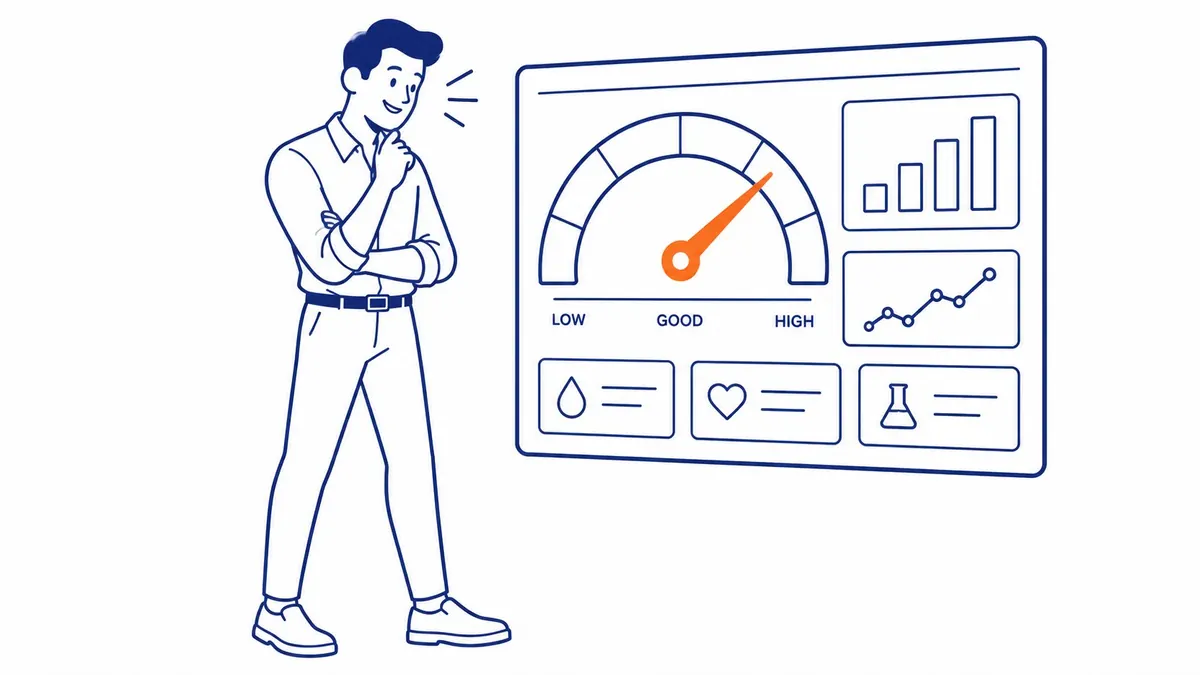
Google wants evidence of first-hand experience. Most CBD brands try to supply it with a founder story.
You already hold something better. Third-party lab testing produces a certificate of analysis for each batch you send. Measured numbers. A named laboratory. The testing date.
Publish those as pages rather than as PDFs behind a search box. Give each batch its own URL. Then link every product page to its own certificate by batch number.
That page makes no claim about anybody’s health. It reports what a laboratory measured. Nothing else on your site is as hard for a competitor to copy.
Links Are Harder When a CBD Company Cannot Be Reviewed
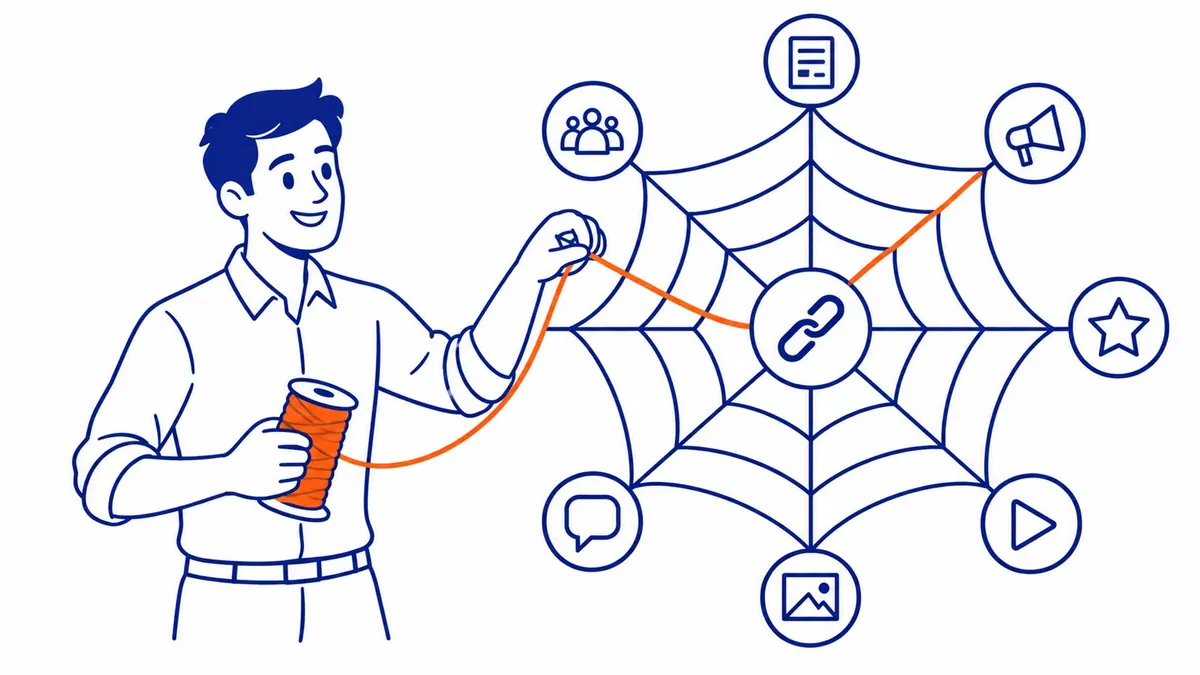
Ordinary ecommerce link building runs on reviews and product roundups. A blogger tries the thing. Then they write it up and link to you.
That entire mechanism sits inside the restricted half of the Cannabis Act. So the usual outreach template stops working before you send it.
Something else has to earn the link. Usually it is the material nobody else bothered to compile properly. Provincial shipping rules, written out accurately. A plain explanation of what separates the spectrum types. Your own lab data.
People link to the clearest page in a confusing category. CBD is a very confusing category. That is a genuine opening rather than a consolation prize.
Notice what these have in common. Every one of them reports something. None of them recommends the product to anybody.
Local Search Behaves More Normally Than the Rest
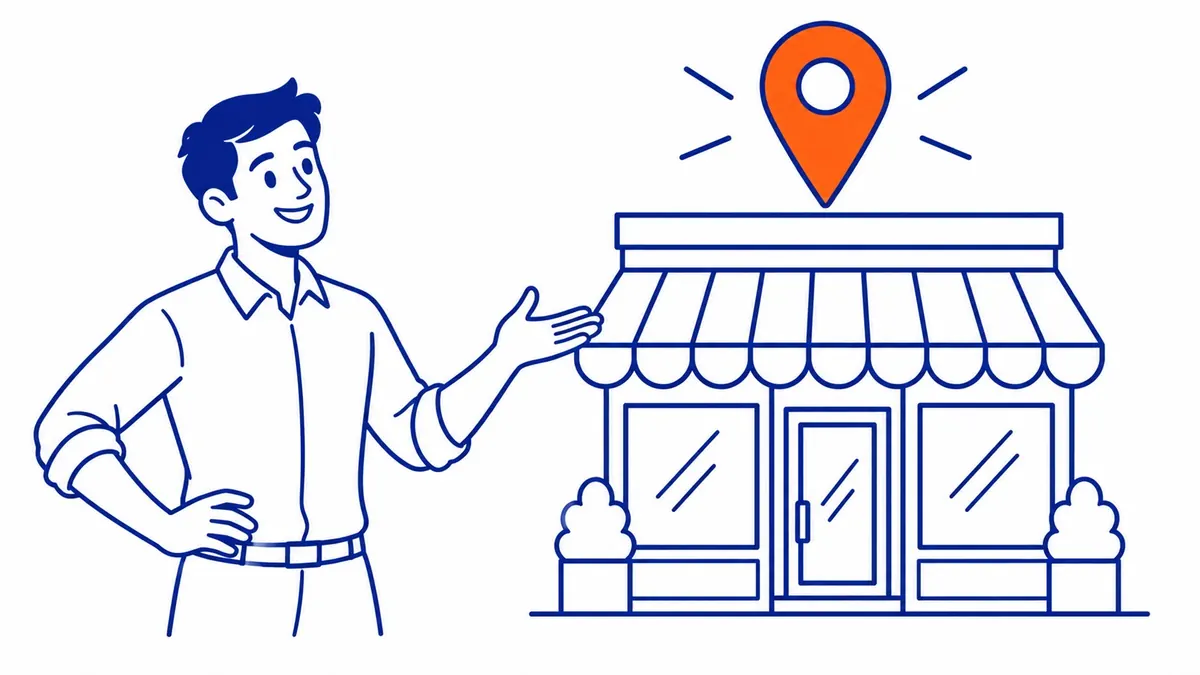
A physical storefront changes the picture. Map results and nearby searches work roughly the way they work for any other retailer.
So a CBD shop with a real address gets the ordinary local toolkit. A business listing with correct hours. Photographs of the actual store. Categories that match what you sell.
Look at the query behind it as well. Somebody typing a CBD store plus a city name is not asking a health question at all. They want directions and opening hours.
That makes local one of the few places where volume and permission point the same way. Chase it before chasing anything on list one.
Reviews are the awkward part. Customers write them regardless of what the Act says about testimonials. Where the line falls on republishing those to your own site is a question for counsel, not for a search consultant.
Somebody Will Say a Competitor Ranks on Condition Pages

They do. Go and look at one.
Then check three things before copying it. Find the date that page first went up. Note which country the company operates from. Confirm the same company still owns the domain.
Rankings do not record permission. A page can hold position two for years while sitting in front of a regulator who has not looked yet. Google is not the body that acts on it anyway.
Payment processors tend to move faster than regulators. A brand that loses its processor has a ranking problem it will never file a report about.
The Ad Policy Moves and It Moves by Country
Plenty of CBD advice opens by declaring that Google bans these ads outright. Check that before repeating it.
The policy is country-specific. It has also changed at least once in recent years, with certification requirements attached in some markets. What applies to a Colorado brand does not describe Alberta.
So read the current policy page for your own country before building any plan around it. Then treat that answer as temporary.
This is why the plan cannot rest on the channel question. Running Google Ads management for a regulated product is a live compliance exercise. Nobody sets that account up and walks away. Organic search is the half you own outright.
Age Gates Can Hide Your Own Product Pages
A hard age gate blocks the crawler alongside the visitor. Content sitting behind an interstitial may never get indexed at all.
Test it yourself. Fetch one product page the way Google fetches it. Then compare that against what a person sees after clicking through the gate.
Serving one version to the crawler and another to people is worse. That practice has its own name. It also carries its own penalty.
A proper site audit on a CBD site turns this up regularly. Rankings that look like a content problem. An interstitial doing the actual damage.
Where CBD SEO Lands for a Calgary Retailer

SEO Company To-The-TOP! has handled Calgary SEO since 2007, across ordinary local businesses and awkward verticals alike. CBD is one of the awkward ones.
Work here starts with keyword research that sorts by permission before it sorts by volume. Then a page plan drawn from whatever survives that sort.
Timelines match every other vertical. Three to six months before meaningful movement. Longer where the market is crowded. That gets said plainly at the start rather than discovered in month four.
One expert handles the account throughout. No junior handoffs anywhere. That matters more on a site where a single careless sentence creates a real problem. To-The-TOP! has approached search engine optimization this way for nineteen years.
Common Questions About SEO for CBD Companies
Can a CBD company rank without writing condition pages?
Yes. Product form pages and spectrum comparisons carry real commercial intent. Lab reports do as well. Volume runs lower. The buyer sits much closer to a purchase.
Does Google penalize CBD websites?
No. Selling CBD does not attract a penalty by itself. Google’s health content standards still apply to those pages, which is a different thing entirely.
How long does SEO take for a CBD company?
Three to six months for early movement. Longer in a crowded market. Compliance review also adds time to every page before it publishes.
Should the shop and the blog sit on separate domains?
Usually no. A second domain starts from zero authority and splits your links. Solve the content question instead of the URL.
What is the safest content a CBD brand can publish?
Anything that reports rather than claims. Lab results. Ingredient definitions. Storage and shipping details.
Contact Calgary SEO Company To-The-TOP!
Questions about anything in this article, or about your own rankings? Talk to a Calgary SEO specialist directly.
Phone: (403) 308-5949
Address: 1509 14 Ave SW, Calgary, AB T3C 0W4
Hours:
Monday to Friday: 10:00 am – 7:00 pm
Saturday: 12:00 pm – 4:00 pm
Sunday: closed