
What Are the Mobile SEO Best Practices for Attorneys?
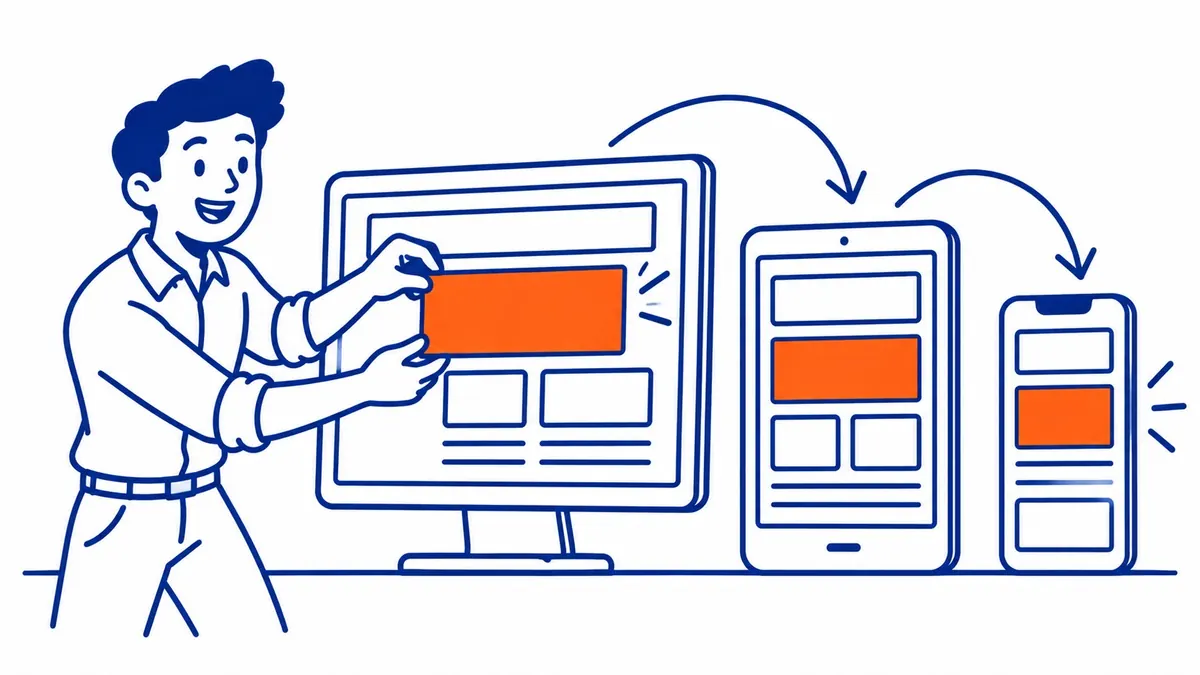
Ask for the list and you get the list. Responsive layout. Compress the images. Space the tap targets. Fix the Core Web Vitals. Put a call button where a thumb reaches it without stretching.
Real work, all of it. Also finished, at most law firms, several years ago.
One item on that list works backwards for an attorney. Nobody writes it down, since it only surfaces in a handful of verticals where the search itself is private.
Most of the Mobile SEO List Is the Same List a Plumber Gets
Read the standard checklist again. Nothing on it mentions a practice area.
Load speed. The viewport tag. Type a person can read without pinching. Buttons far enough apart that a thumb hits one. No banner covering the content on arrival.
Google documents most of that, and it applies identically to a plumber and a family law practice. So do the work. Then stop calling it mobile SEO for attorneys, because none of it is.
The attorney part starts after the click.
The Difference Sits in Who Can See the Screen
A phone gets shared in ways a desktop never did.
Passed across a kitchen table. Left face-up on a counter. Handed to a kid for the afternoon. Synced to a tablet somebody else picks up. Browsers keep recent tabs, and those tabs carry titles.
Now think about who lands on your practice pages.
Someone weighing a divorce while still living with their spouse. An employee building a claim against the company that issued the phone. A person facing a charge nobody at home knows about yet.
Each one arrives on a page from a device with an audience. The search happened. Then the reading. Everything after that gets weighed against who else touches the phone.
That reader behaves in a way your analytics has no category for. No form. Zero taps on the call button at three in the afternoon. Often they read the whole page and leave without touching one element you built for them.
Four Standard Mobile Items Reverse Their Sign

Advice one. Open a chat widget a few seconds after arrival. On a family law page that widget puts a visible conversation on a screen somebody might be reading over a shoulder. Delay it. On some pages, remove it.
Advice two. Pin a tap-to-call bar to the bottom of the mobile viewport. A mis-tap dials. Then a criminal defence firm sits in the recent calls list of a phone the visitor does not fully control. Add a confirm step.
Advice three. Use autofill-friendly fields, because typing on a phone is slow. Autofill writes a real name into a form on a divorce page. Then the browser remembers the form. Leave the fields plain.
Advice four. Build a remarketing list from practice page traffic. An ad for a defence lawyer following that reader onto the household tablet is not a lead. Whether the platform even allows the list is a policy question worth reading before anybody builds one.
Somebody Will Say That Is the Visitor’s Problem, Not Yours
Fair. Private browsing exists. So does clearing a history.
The cautious visitor already knows that. Plenty of them use it.
Yet the objection hands over the conclusion anyway. A reader browsing privately returns as a fresh session every single time. No returning user. Zero remarketing reach. No form submission. Nothing you can attribute to anything.
So the reporting looks the same either way. Protected or exposed, that visitor is invisible to you.
It Reaches You as a Practice Page That Looks Broken
Here is where it stops being a design footnote.
Pull your practice pages in Analytics. Segment by device. Family law and criminal defence tend to show one pattern. Long time on page. Deep scroll. A mobile conversion rate near zero.
Every mobile playbook reads that combination the same way. The page is failing. Cut the length. Strengthen the call to action. Add the chat widget you delayed.
Then the numbers get worse, because each change pushed harder on a reader whose whole problem was being watched.
That is how a firm shortens the same practice page twice. Nobody stops to ask whether the visitor could safely answer. A website audit that reads engagement without reading the vertical will recommend the same thing.
Somebody Will Point at Personal Injury

Correct, and it is the useful exception.
A car accident is not a secret. Neither is a slip and fall. Those visitors will tap the call button from the side of the road with the tow truck still there. Standard mobile advice fits them exactly.
Which is the actual mobile best practice hiding under all this. The list runs per practice area. Not per site.
One domain holding a personal injury page and a family law page needs two mobile treatments. Same theme. Identical speed budget. Different mobile conversion furniture on top.
Most firm sites apply one template to both. That is the miss, and it stays invisible in every tool that scores a website as a single object.
Google’s Mobile Checks Pass on a Page That Leaks
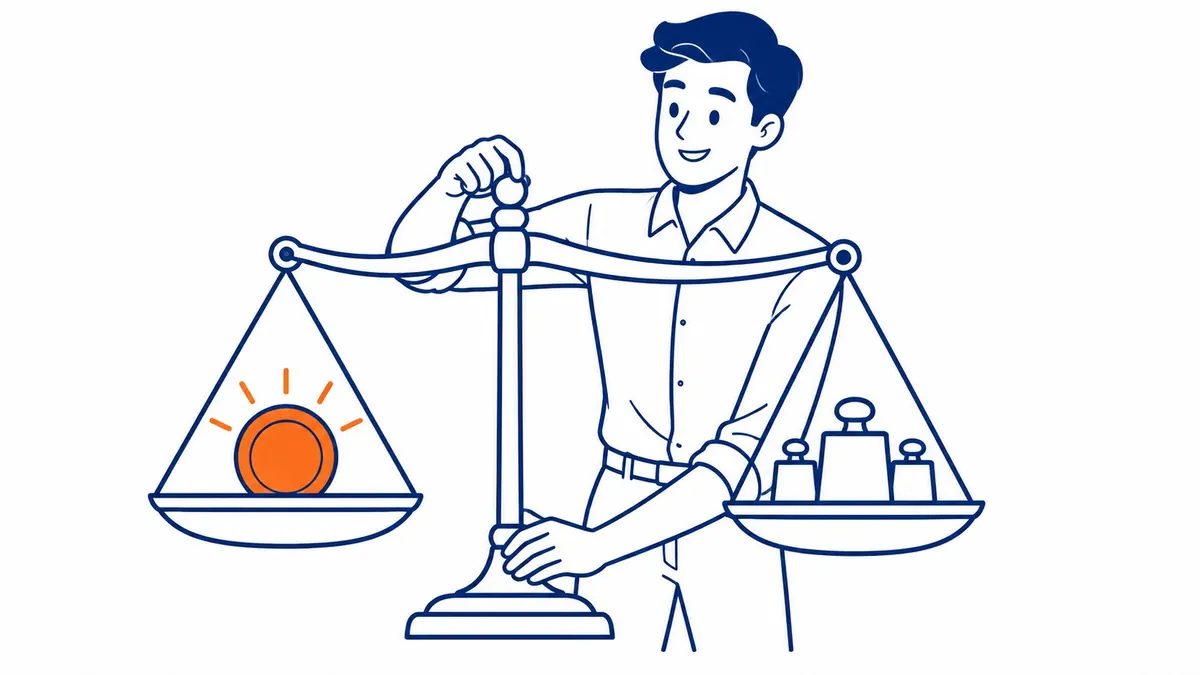
Worth saying plainly. Nothing above is measured by any tool Google hands you.
Their mobile checks look at rendering. Does the text fit the width. Will the layout hold. Do the tap targets sit far enough apart. A page passes all of that and still drops a chat bubble onto a shared screen.
So the ranking half of mobile SEO for attorneys really is the generic list. Do it, then move on. Search engine optimization for a law firm turns on the same things it turns on for everyone. Content. Links. Technical health. Local signals.
The attorney-specific work sits entirely on the far side of the click.
What Belongs on the Attorney Version of the List

Short, since most of it subtracts rather than adds.
Delay or drop auto-opening chat on sensitive practice pages.
Put a silent contact route beside the call button. A form that does not phone back by default. An email address written out in text.
Say on the page what happens after somebody makes contact. Who reads the message. Whether you call or write. Two sentences will do it. That is the item almost every firm skips.
Keep the fast load and the readable type. Those never stopped mattering.
Then check the spacing around anything that dials. A misfire on a plumbing site is nothing. Here it is a call the visitor never wanted.
None of that requires a rebuild. Most of it is a setting somebody turned on years ago and never revisited.
Where the Mobile SEO Argument Stops for a Law Firm
None of it earns traffic.
Nothing here moves a ranking by itself. Your practice pages still need keyword research matching how people actually phrase a legal problem. They still need the local work every firm competes on.
There is a ceiling too. A reader in a genuinely unsafe situation will not be rescued by your form design. Some use a library computer, others a friend’s phone. Build for the ones you can reach, then stop.
And it changes nothing at a commercial litigation practice selling to corporate counsel. That reader sits at a desk, on a work machine, hiding nothing from anybody at home.
Read Your Own Practice Pages in a Tab Strip

Ten minutes. No tools.
Open your family law page on your own phone. Now open five more tabs. Go to the tab switcher and read what your page calls itself in there.
Then sit on the page without touching anything. Time whatever appears on its own. Chat bubble. Banner. Sticky bar.
Then ask one question. Could somebody respond to this page without leaving a trace on the device?
Most firms have never run that test.
Mobile SEO for Law Firms at SEO Company To-The-TOP! in Calgary
SEO Company To-The-TOP! has handled Calgary SEO since 2007. One specialist does the work start to finish. No junior handoff on a legal account.
Practice pages get read separately here rather than as one site. That includes the Google Ads side. A paid landing page for a sensitive matter needs the same treatment as the organic one.
Timelines stay what they are. Three to six months before organic movement means much on a competitive legal term.
Call (403) 308-5949 and ask what your family law page does on a phone.
Common Questions About Mobile SEO for Attorneys
Is mobile SEO different for law firms?
The ranking half is not. Speed and responsive layout work the same for every business. What differs is what a legal visitor can safely do once the page loads.
Should a law firm site use a chat widget on mobile?
On personal injury pages, usually yes. For family law or criminal defence, delay it or remove it. A visible chat bubble is a disclosure on a shared screen.
Does mobile page speed affect law firm rankings?
Yes, though less than most firms assume. Google evaluates the mobile version of your site. A slow page hurts you. Speed on its own ranks nothing.
Why does my family law page convert worse on mobile?
Often the traffic is fine. The reader will not answer from a device somebody else checks. Compare scroll depth against conversion rate before rewriting a word.
Which mobile fix matters most on a legal website?
Open the page on your own phone and wait. Whatever appears unasked is where to start.
Contact Calgary SEO Company To-The-TOP!
Questions about anything in this article, or about your own rankings? Talk to a Calgary SEO specialist directly.
Phone: (403) 308-5949
Address: 1509 14 Ave SW, Calgary, AB T3C 0W4
Hours:
Monday to Friday: 10:00 am – 7:00 pm
Saturday: 12:00 pm – 4:00 pm
Sunday: closed