Are Links Still Important for SEO?
Had a client come in last spring. Good site, solid business. Their search rankings had been stuck for months. We pulled the referring domain data and found seven sources pointing at their domain. Their top competitor had over 200. That gap told the whole story.
Backlinks still matter. They remain one of the strongest signals the algorithm uses. That signal has shifted over the past decade in how it gets read.
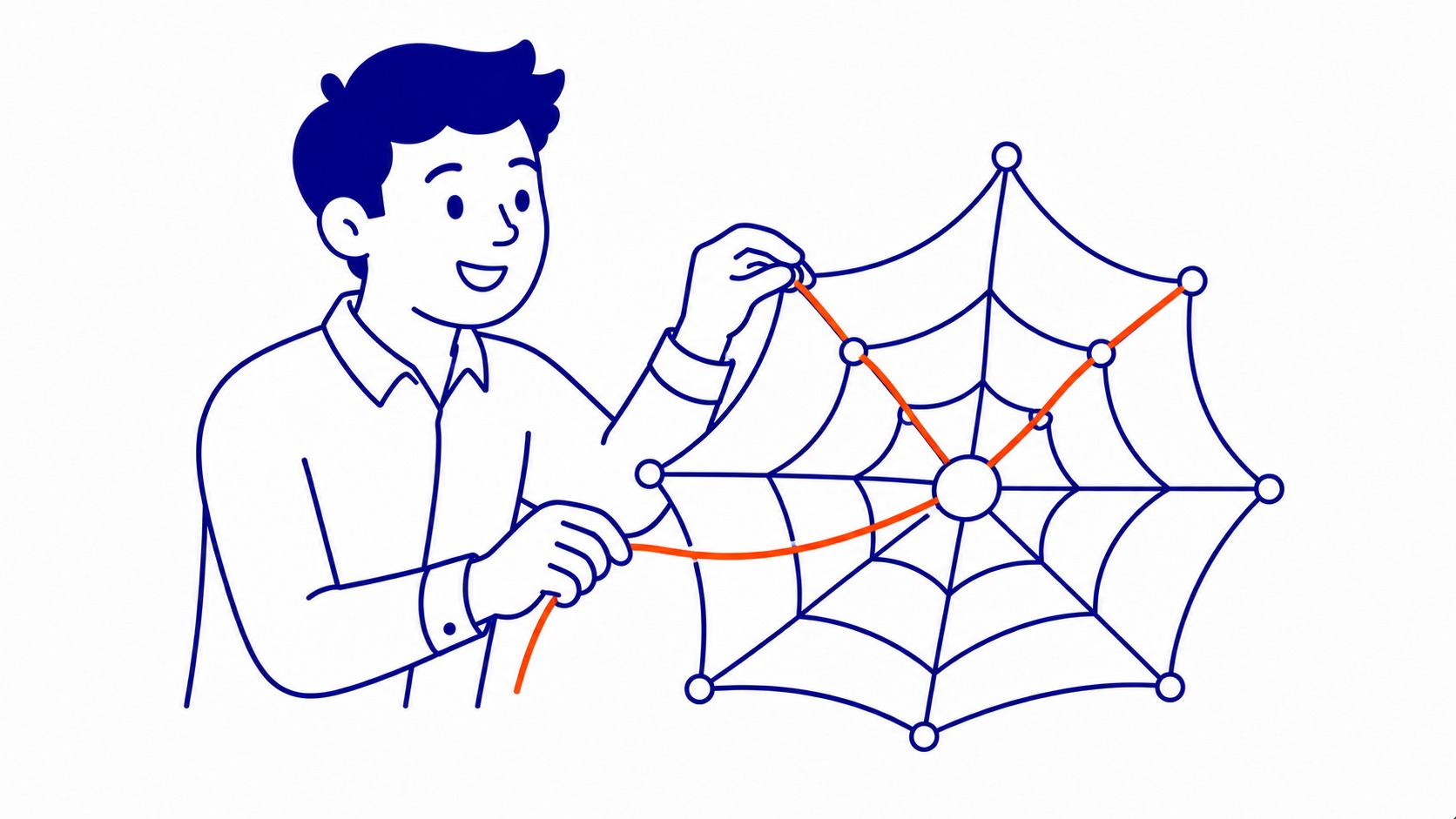
What Links Tell the Algorithm About Your Site
Still foundational.
Google has used incoming references from other websites to measure trust since PageRank launched. The core idea was simple: a citation from another site is a vote of credibility. More votes from trusted, relevant sources translated into higher positions in search results.
That held back in 2007, when SEO Company To-The-TOP! began doing Calgary SEO work for local businesses. It still holds now. Google confirmed in 2024 that incoming links remain among the top three ranking factors for search results pages. What improved is how the algorithm reads context around those references. A citation from a relevant industry domain carries more weight than one from an unrelated directory. An editorial mention carries more weight than a sitewide footer. The vote metaphor still works. Who cast the vote matters more now than how many votes were cast. That is also why press releases for SEO get judged on the outlet, not the count.
Quality Over Quantity: What Changed After Google Updates
Penguin changed the calculation in 2012.
Before that, volume was the dominant factor. Businesses bought placements in bulk. Directories appeared solely to sell spots. The algorithm studied the pattern and penalized it hard.
Post-Penguin, a handful of backlinks from established, relevant domains outperform hundreds from low-grade sites. That ratio matters more than raw count. Purchasing placements still happens. The risk is real, and search penalties are not quick to reverse.
Helpful Content updates of 2022 and 2023 added another layer. Thin sites with inflated external signals stopped ranking. A well-referenced site with shallow writing drops. Well-written sites with very few backlinks still struggle on high-volume terms. Both sides of the equation matter now.
Manual actions are the real risk with bulk buying. Google Search Console flags unnatural patterns. Recovering from a manual action takes months. Worth knowing before any acquisition strategy is assembled.
The Three Types of Links That Move Rankings
Editorial references. Internal navigation. Digital PR citations. Each does a different job.
Editorial backlinks come from sites that reference your content because it earned the citation. A Calgary news outlet mentions your business in a story. Suppliers reference your product guide. Trade publications cite your research data. These are the signals the algorithm trusts most. They are harder to earn and worth more per placement than anything bought or traded.
Internal navigation sits on your own domain. Those on-site connections pass trust between sections of the domain and help search engines crawl deeper. They distribute ranking strength toward pages that need it. Most sites underuse internal navigation badly. Worth reviewing before spending anything on external outreach.
Digital PR citations do not always carry a followed reference. Unlinked brand mentions still contribute to trust signals. Google reads citation patterns alongside hyperlinks. Mentions in credible industry outlets add context to your brand in the algorithm over time.
Need a picture of your site’s internal structure? An SEO website audit surfaces those gaps fast. Understanding what your domain currently passes between its own sections is step one before external outreach begins. Start with how backlinks in SEO work, then decide where the outreach hours go.
Link Building in 2026: What Still Works
Earned, not bought.
That is the direction link building has moved since Penguin. Still, practical approaches exist without crossing into grey-hat territory.
Original research attracts citations naturally. An annual survey about Calgary consumer behaviour generates press coverage. Trade data nobody else has published draws references from industry writers and journalists. Those earned backlinks tend to stick longer than anything placed through paid outreach.
Supplier and partner relationships produce genuine placements. Manufacturers reference dealer service pages. Complementary businesses cross-reference each other. Google values the context surrounding those references. Businesses with existing industry relationships are often sitting on citation opportunities they have never pursued.
Local press outreach works when there is a real story. Opening a new location, winning a notable contract, or filling a specialized role is press-worthy. Those mentions tend to include followed citations from credible local sources, and they cost nothing beyond the outreach effort itself.
Guest contributions on relevant industry sites still earn placements when the writing is substantive and the host is editorially selective. Thin submissions on unrelated sites add noise, not signal. The topic and the audience need to match your industry, or the placement has no ranking value.
This kind of earned acquisition takes patience, and our search engine optimization work is built around it. Rankings follow accumulation over months. Twelve months of consistent outreach shows more movement than any single burst campaign. Anyone new to this should start with how link building in SEO works before picking a tactic.

What Happens When Your Backlink Profile Is Weak
Stalled. That word comes up often when reviewing a site that hit a ceiling.
Traffic plateaued. Positions stopped moving. Then the referring domain data loads and tells the real story.
Fourteen referring domains against a competitor with 180. That structural gap does not close with on-page fixes alone. Closing it takes months of outreach, not a single campaign. On-page improvements matter. They are not the lever that moves authority gaps.
Sites with very few backlinks from trusted sources get crawled less frequently. Google allocates crawl budget partly based on perceived domain standing. Low-standing domains get shorter crawl windows. New material takes longer to index. That delay costs ranking opportunity on fresh content, even when the writing is strong.
Old bulk campaigns create a different problem. Purchased packages from cheap directories carry risk regardless of age. A disavow file helps but does not always resolve the situation. Manual reviews still happen, often years after the original purchase.
Running a full audit on your backlink profile identifies which signals are contributing and which are creating risk. That review is the starting point before any new outreach begins. Skipping it means guessing. The SEO services Calgary businesses get from To-The-TOP! include a full referring domain review as part of any new engagement.

Writing and Links: The Real Relationship
Neither replaces the other. Good writing earns links. Those backlinks amplify the writing. Both functions are separate and reinforcing, and businesses that treat them as one job consistently underperform against those that treat them as two.
Sites with original research get cited. Guides that answer genuine questions earn references from industry bloggers and journalists. That is how natural acquisition works. The writing is the mechanism. Citations are the result.
On the flip side, a strong backlink profile with shallow material still fails today. External trust signals do not override what is actually on the page. The 2023 Helpful Content update made that plain. Strong writing and strong inbound signals both need to be present.
careful keyword analysis informs which topics to build for natural reference attraction. High-standing subjects in your industry draw editorial coverage over time. Knowing which topics matter for your audience before spending on outreach is the discipline that connects investment to search rankings.
To-The-TOP! has run Calgary SEO campaigns since 2007. The pattern holds across industries: businesses that invest in both writing depth and outreach reach stronger positions than those chasing one or the other. Worth thinking about if your site has been flat for more than two quarters.
Frequently Asked Questions
Is link still relevant to SEO?
Still relevant. Incoming links from other websites remain in Google’s top three ranking factors based on confirmed statements from the search team and independent research from Ahrefs and SEMrush. What shifted is how the algorithm weighs relevance and editorial context versus raw volume.
Do backlinks still matter in 2026?
They do. Search engines now use more signals than in 2012, including content quality, user experience, and Core Web Vitals. External links still contribute to trust and rankings. Sites with very few backlinks from credible sources generally sit below comparable sites that have them, particularly on competitive terms where authority gaps are decisive.
What is the 80/20 rule for SEO?
Roughly 80% of ranking results come from 20% of the effort. In link building, that means a handful of high-quality editorial references from relevant industry sources outperform hundreds of low-grade placements. Search engine optimization is not a volume game anymore. Calgary SEO work from To-The-TOP! applies that same thinking: concentration and relevance beat breadth.
Are links important for SEO?
Yes, incoming links matter for both trust signals and crawlability. Internal navigation connections help search engines map your domain and distribute ranking strength. External links from trusted websites build standing over time. Google Ads management drives immediate traffic while organic standing builds through patient outreach and citation earning. Both serve the same goal: more qualified visitors reaching your site consistently over the long term.
Contact Calgary SEO Company To-The-TOP!
Questions about anything in this article, or about your own rankings? Talk to a Calgary SEO specialist directly.
Phone: (403) 308-5949
Address: 1509 14 Ave SW, Calgary, AB T3C 0W4
Hours:
Monday to Friday: 10:00 am – 7:00 pm
Saturday: 12:00 pm – 4:00 pm
Sunday: closed
