
Are SEO AI Tools Free?
Costs nothing. Never has. Google Search Console is the cleanest example of a genuinely free AI-adjacent SEO tool. Most software wearing the word “free,” though, runs a capped tier in disguise. Hit two projects. Or one real content push. The wall shows up fast either way. SEO Company To-The-TOP! hears this question from local business owners most weeks. Usually right after an afternoon lost comparing five pricing pages that each define “free” differently.
A handful of options are free forever, with real utility behind them. Most AI SEO software gates the useful features behind a paid tier instead. The free version exists mainly to get a credit card on file, eventually. Both categories matter. Knowing which is which saves real money.
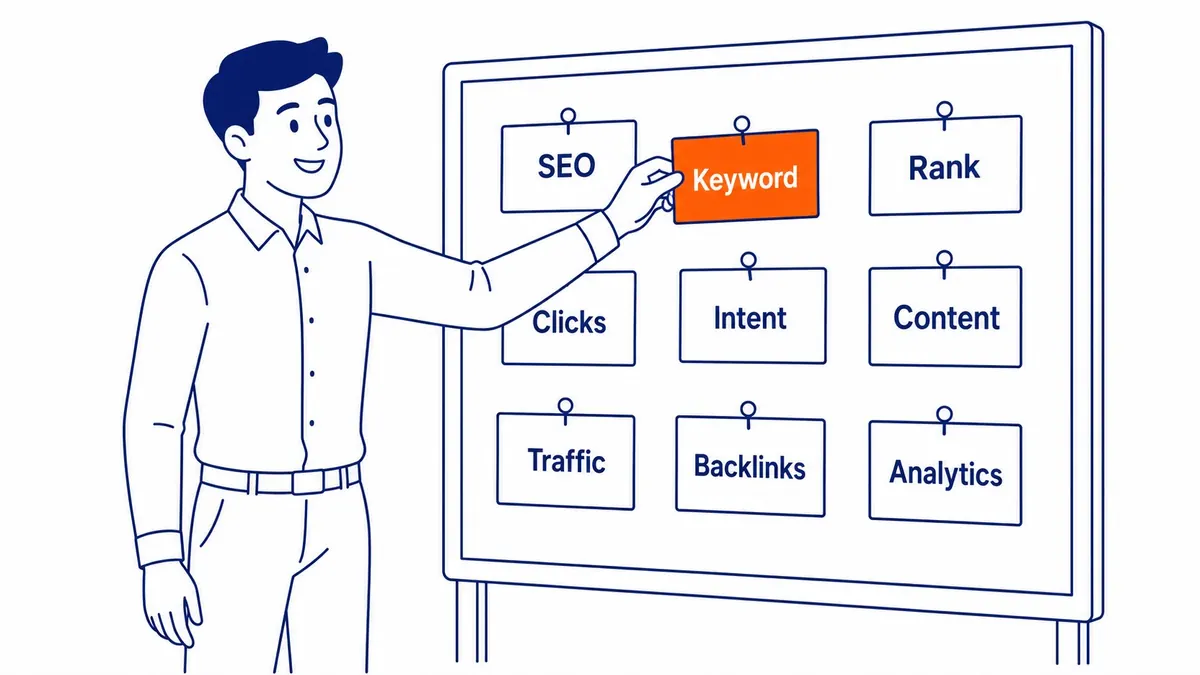
What Free Actually Means With AI SEO Software
Free tier. Free forever. Also free trial. Three different things get sold under one word constantly. A trial converts to a paid tier automatically. Or locks the account outright. Capped tiers stay free indefinitely, but they limit usage hard. Ten keyword lookups a day. One project. No export. Free forever means exactly that, with no credit card requested at signup.
Vendors blur these categories on purpose. “Get started free” on a pricing page almost always means trial, not a lasting plan. Reading the actual limits first saves real time later. Worst offenders here, consistently, are keyword research platforms. Generous on the demo. Stingy the moment real project volume hits.
Most freemium AI SEO software follows the same pattern. Enough functionality to prove the product works, not enough to run a real content calendar. Ten lookups a day covers a hobby blog. It does not cover a business publishing three pages a week. Not while tracking a competitor set for content optimization gaps. Running an optimization pass on each new page eats the rest of the quota fast. Naming the best fit before a client meeting takes more than that.
Watch the specific numbers on any pricing page, past the headline word “free” itself. Daily query caps. Monthly word ceilings. Single-project restrictions. Thirty-day data windows. Each one is a design choice, meant to make the paid tier feel inevitable within a month or two. None of that crosses a line exactly. It is simply how freemium software gets built. Reading past the headline avoids a wasted afternoon later. The paid tier arrives eventually, so set a budget for AI SEO tools early.
The Options That Are Genuinely Free
Google Search Console tops the list, and nothing about it is a trial. Indexing status. Click and impression data straight from Google. Manual action alerts. All of it, permanently, for any verified page. No AI layer sits on top. The raw data still feeds every AI SEO workflow built afterward.
Bing’s free webmaster product works the same way. Smaller overall share, same free-forever structure, plus a keyword research module Search Console does not offer. Ahrefs’ own webmaster product sits in the same category for a business’s backlink and technical data. It stops short of competitor tracking, though.
ChatGPT’s free tier deserves a mention, mostly because clients ask about it constantly. Brainstorming headline angles works. Drafting outlines does too. Checking whether a paragraph actually answers a question, same story. Treating ChatGPT as a research or AI writing assistant works well. Using it as a replacement for keyword data or rank tracking does not. The model has no live search index behind the no-cost plan.
A newer category sits alongside these three. Software built specifically to check whether a page shows up inside AI Overviews, or gets cited by ChatGPT and Perplexity. Several of these tracking products offer a genuinely free layer, usually a handful of daily lookups rather than a locked trial. Worth testing before assuming a paid platform is the only option. This category moves fast, and today’s no-cost plan can shrink without warning.
A collection of small, single-purpose utilities belongs on this list too. Dozens of narrow checks. Meta description length. Header structure. Readability checks. No login required for any of it. None of them replace a full platform on their own. Stacked together, though, they cover more ground than most owners expect from something costing nothing.

Where Free Plan Limits Actually Bite
Free tier limits surface in three places, mostly. Keyword caps. Content ceilings. Teams locked to a single seat. Ten keyword lookups a day sounds fine, until a content plan needs forty terms mapped before Monday. Semrush’s no-cost account and Ubersuggest both cap daily queries low. Anyone doing real technical SEO work burns the quota by mid-morning.
Content generation software caps by word count instead. A few thousand no-cost words a month sounds generous. Then a single long-form page eats half of it. Small businesses publishing one article monthly rarely notice. Agencies managing multiple client accounts hit the ceiling within the first week, every time.
Single-project restrictions cause the most friction, and they show up everywhere. Limited plans almost never scale for an agency running ten client accounts through one login. Teams need multi-user access. Exportable results. History beyond thirty days. None of that survives on a plan built for one person testing one page.
Historical data disappears fastest of all, and it is the limit clients notice last. A capped tier showing thirty days of rankings tells nothing about a six-month trend line. Technical work depends on watching a metric move over time, not checking it once. That single restriction alone pushes most serious campaigns toward a paid option, long before the query caps ever become the deciding factor.

When Paying For AI SEO Software Makes Sense
Page count is the real trigger, not ambition. A five-page local business page rarely needs anything beyond the no-cost options above. Hundred-page catalogues competing for commercial keywords need more. Pricing data. Historical trend tracking. Content gap analysis. Limited plans deliberately withhold all three.
Monthly pricing for mid-level AI SEO platforms tends to land somewhere between fifty and two hundred dollars. Single-purpose products run lower on their own. Full-suite options run higher. Agency-managed AI SEO services sit in an entirely different bracket. Often starting around two thousand dollars monthly, climbing well past that for competitive niches. The best platform for a five-page site is rarely the best platform for a hundred-page catalogue. Pricing pages rarely say so directly.
Worth naming a specific number here. Content generation software alone can run under ten dollars monthly for a solo writer. Enterprise keyword and rank-tracking platforms clear five hundred without much effort. That gap is the whole decision. Businesses paying for a tier should measure results against traffic or leads gained. Not against what a competitor happens to be using.
Teams managing multiple clients feel the pricing gap hardest. One login covering ten accounts. Exportable reports for every one of them. Automated checks running through an API. None of that survives on any no-cost tier, and agencies rarely try to make it work on one. A solo owner testing the waters is a different case entirely. An agency running fifteen client accounts through the same dashboard every morning is another story.
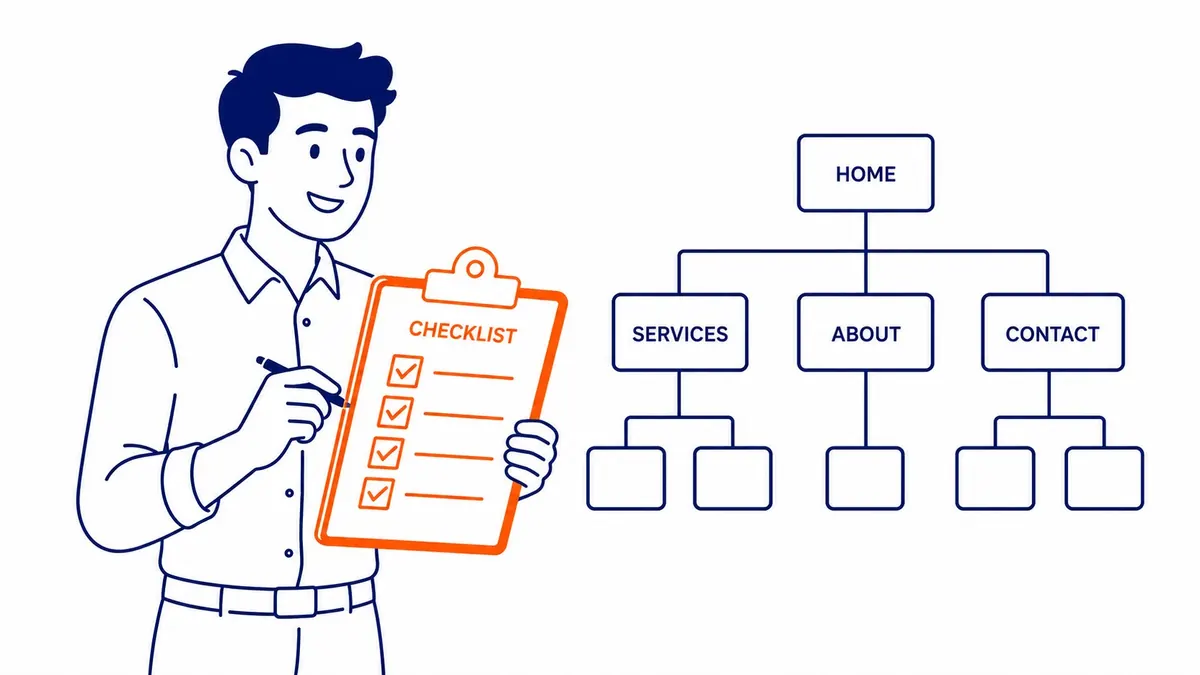
Technical SEO And The Free-Software Ceiling
Content software hits its ceiling on word count. Site checks hit theirs on page count instead. Crawling a five-page business costs nothing on almost any no-cost plan. A fifteen-thousand-page catalogue is a different story. Broken links. Duplicate meta descriptions. Orphan pages. That kind of crawl needs processing power capped plans were never built to offer.
Website audits at that scale run on paid crawling infrastructure for a reason. The compute cost alone makes a genuinely no-cost version impossible for most vendors to offer. Capped crawlers stall at a few hundred URLs, sometimes fewer. Well short of what a mid-size catalogue actually needs checked.
Schema validation and Core Web Vitals monitoring stay no-cost longer than most other categories. Largely because Google itself publishes free versions of both. PageSpeed Insights and the Rich Results Test cost nothing, and likely never will. Google benefits directly from more pages meeting its own technical standards. That is the one corner of the landscape unlikely to shrink.
On-page optimization checks and content optimization scoring sit in a middle ground. Some of the best free features here come bundled into broader platforms rather than standalone products. Buried a few clicks past the pricing page, usually. Which raises the bigger question of when paying for SEO actually beats stitching free tools together.

Can You Run SEO Without Paying For Anything
For a single small-business page, yes, mostly. Search Console covers one piece. Bing’s own webmaster product covers another. ChatGPT’s no-cost option rounds out the basics. Technical monitoring. Basic keyword direction. Content drafting help. That combination handles roughly what most bloggers and small operators actually need month to month.
It breaks down fast past that point. Competitor tracking sits behind a paywall for good reason. Backlink analysis at scale does too. Real content gap work, same story. The data collection and processing behind all three costs the vendor real money. A business serious about long-term rankings eventually pays for at least one paid option, even a modest one.
To-The-TOP! runs SEO support for clients on both ends of that spectrum. No-cost-stack businesses and clients on full paid platforms alike. The software matters less than most owners assume. A no-cost stack used consistently gets better results than an expensive platform nobody checks. Clients running Google Ads management alongside organic work ask this same question about paid platforms constantly. The answer stays the same either way. Match the spend to the business, not the other way around.
This SEO work has run the same way since 2007, long before AI software existed at all. The products changed. Underlying judgment about what actually moves rankings did not. Budget still matters, so there are cheaper ways to access premium SEO tools when you need them.
Frequently Asked Questions
Are there any AI SEO tools that are actually free, and not merely a trial?
Genuinely, yes. Search Console and Bing Webmaster Tools are free forever. No card required, no usage clock running out. Most other software branded “free” is freemium. Generous enough to demo, tight enough to force an upgrade once real project volume hits.
Can I do SEO without paying for any tools?
For a single small page, mostly. Search Console and Bing Webmaster Tools cover two pieces. A no-cost writing assistant covers the third, the basics most small businesses need. Competitor research and backlink analysis at scale still require a paid option eventually.
Is ChatGPT good for SEO?
For brainstorming and drafting content, yes. Keyword data and rank tracking are a different story, though. The free plan has no live search index behind it. Pair it with Search Console data instead of treating it as a standalone platform.
Does Google have a free AI SEO tool?
Search Console is the closest thing, and it costs nothing. It reports indexing. Click totals. Impression counts. Not content generation, not AI analysis. The data underneath every other product still traces back to it.
What’s the catch with free AI SEO tools?
Usage caps, mostly. Ten searches a day. One project. Thirty days of history. Limits built to make a paid upgrade feel necessary within weeks. Reading the fine print before building a workflow around a capped plan avoids the surprise later.
How much do paid AI SEO tools actually cost?
Wide range. Single-purpose content software can run under ten dollars monthly. Full-suite platforms tend to land between fifty and two hundred. Keyword research, rank tracking, technical audits, all bundled in. Agency-managed AI SEO services start closer to two thousand monthly, climbing from there depending on competition and scope.
Do free AI SEO tools work for a small business?
Often, yes, for the first stretch. Search Console and Bing Webmaster Tools handle two pieces. A no-cost writing assistant handles the third. Together, that covers what most small local businesses need month to month. Growth past a handful of pages usually forces at least one paid option into the mix eventually.
Contact Calgary SEO Company To-The-TOP!
Questions about anything in this article, or about your own rankings? Talk to a Calgary SEO specialist directly.
Phone: (403) 308-5949
Address: 1509 14 Ave SW, Calgary, AB T3C 0W4
Hours:
Monday to Friday: 10:00 am – 7:00 pm
Saturday: 12:00 pm – 4:00 pm
Sunday: closed