
Do Facebook Ads Affect SEO?
Not in the way the question expects. Your ad account sends no signal to Google. Likes do not lift a page. Neither do shares, and a boosted post moves nothing in the search results.
All of it is settled, and this site covers it elsewhere. What almost nobody asks is whether Facebook ads reach your SEO by another route. They do. And the route runs straight through you.
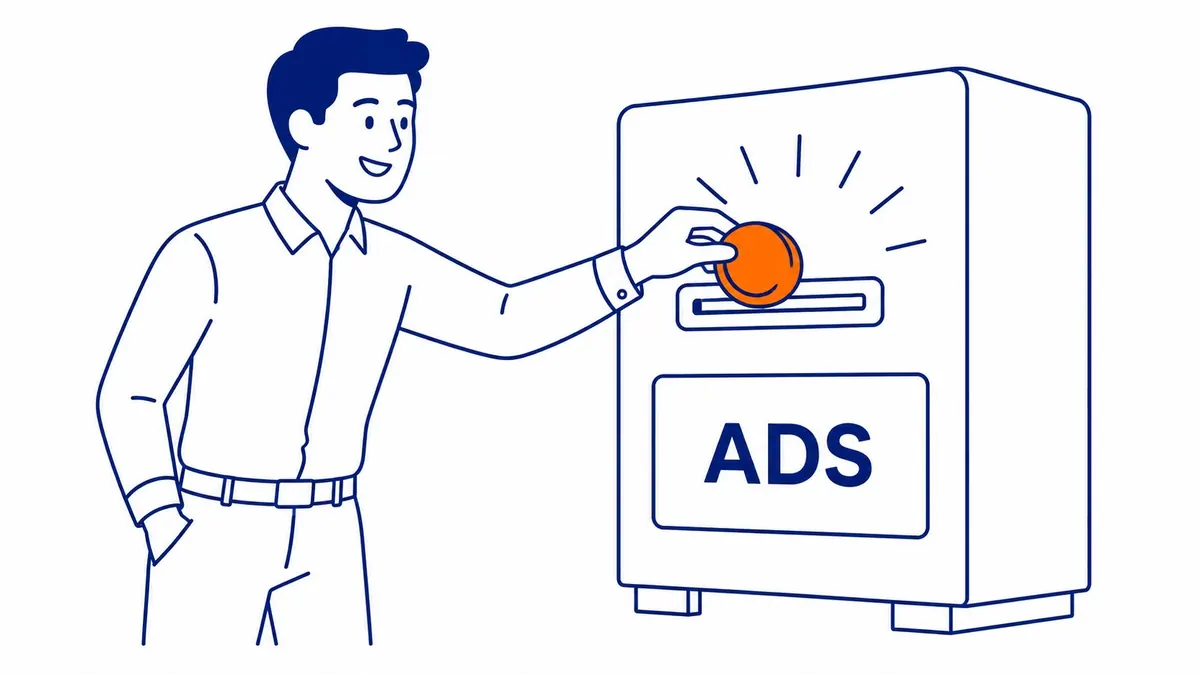
Your Facebook Ads Have No Line to Google
Nothing in your ad account touches where you sit in Google. No credit passes across. And no penalty waits at the end of a campaign. Spend nothing next month. Or spend a great deal. Either way the pages you already hold sit where they were.
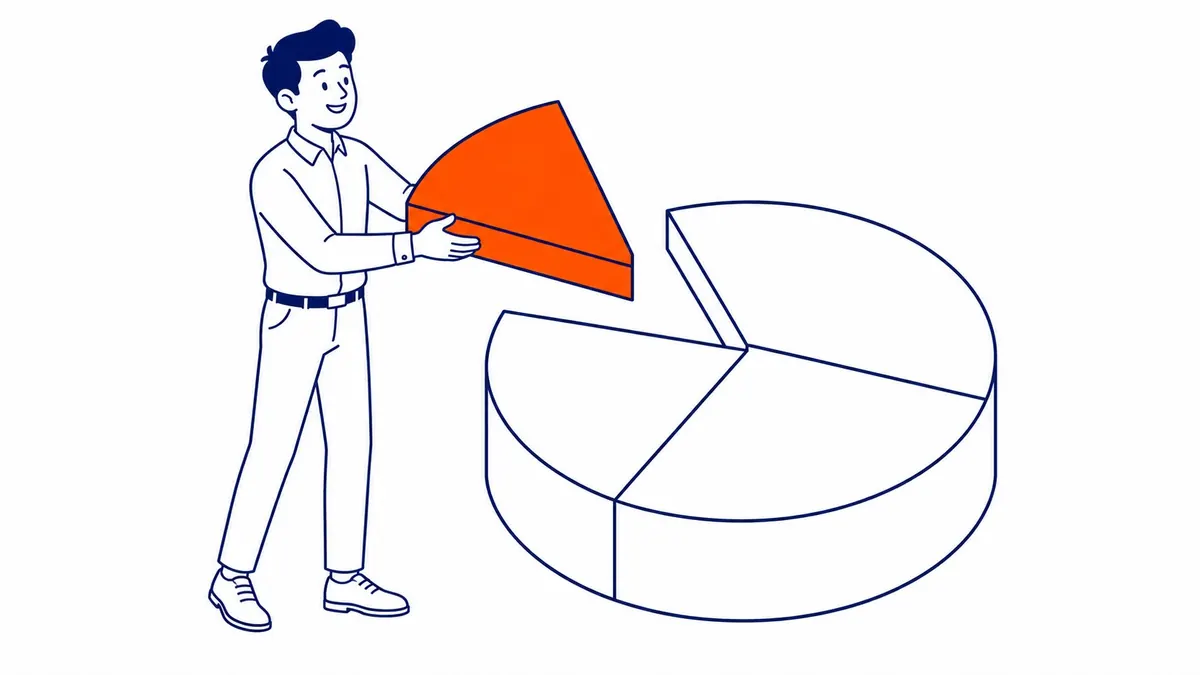
The Bridge That Works for Google Ads Is Not There
Paid search has a genuine bridge into SEO. Spend the money, then read the words people typed to reach you. Real language, out of real buyers. It sharpens your keyword research for years.
Facebook hands you nothing of the kind. The reporting is not the problem. There was no query.
Nobody typed anything.
That one fact carries this whole page. A person on Facebook was not looking for you. You were shown to them, halfway through something else.
Somebody will point at retargeting. Those campaigns reach people who came looking once. Only they were not looking now. They were scrolling when your ad found them.
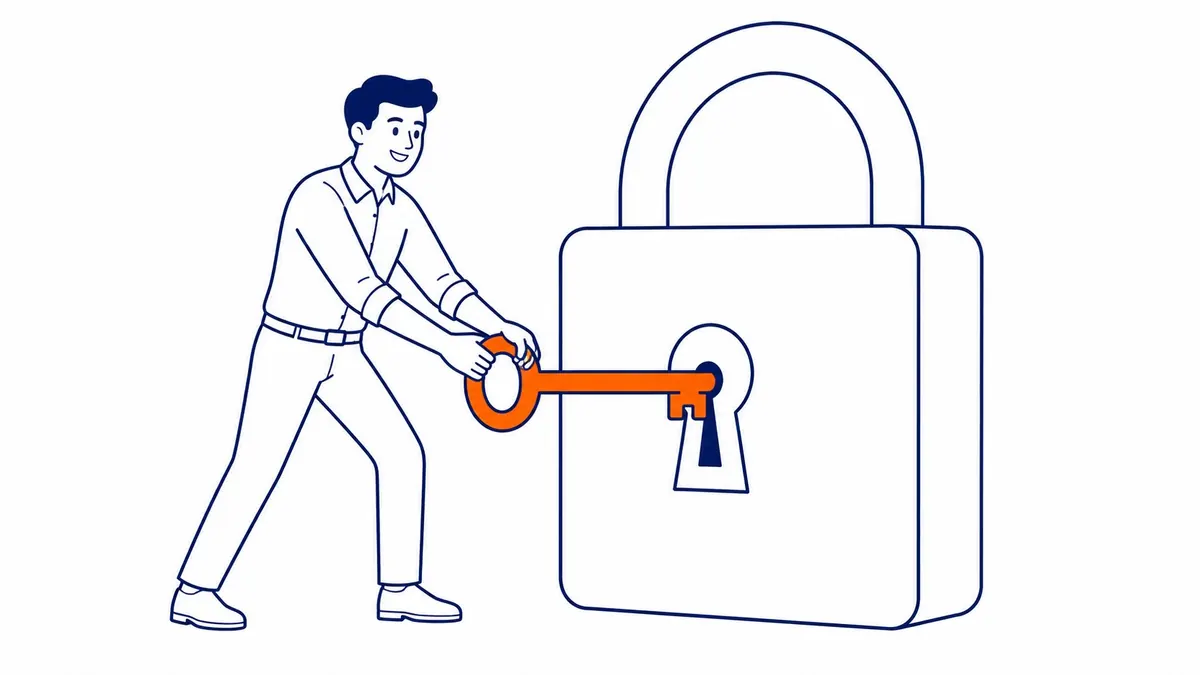
Two Readers Land on One Page
So who arrives on the page your ad points at?
One of them typed a question into Google. Then they read the results and chose you. They turned up wanting something. Also they half know what the page says, since it matched their words.
The other one was scrolling Facebook. Something you paid for slid in front of them. They knew nothing about you a moment earlier. Then they tapped.
Same page. Identical first screen. One came with a question. The other came with nothing.
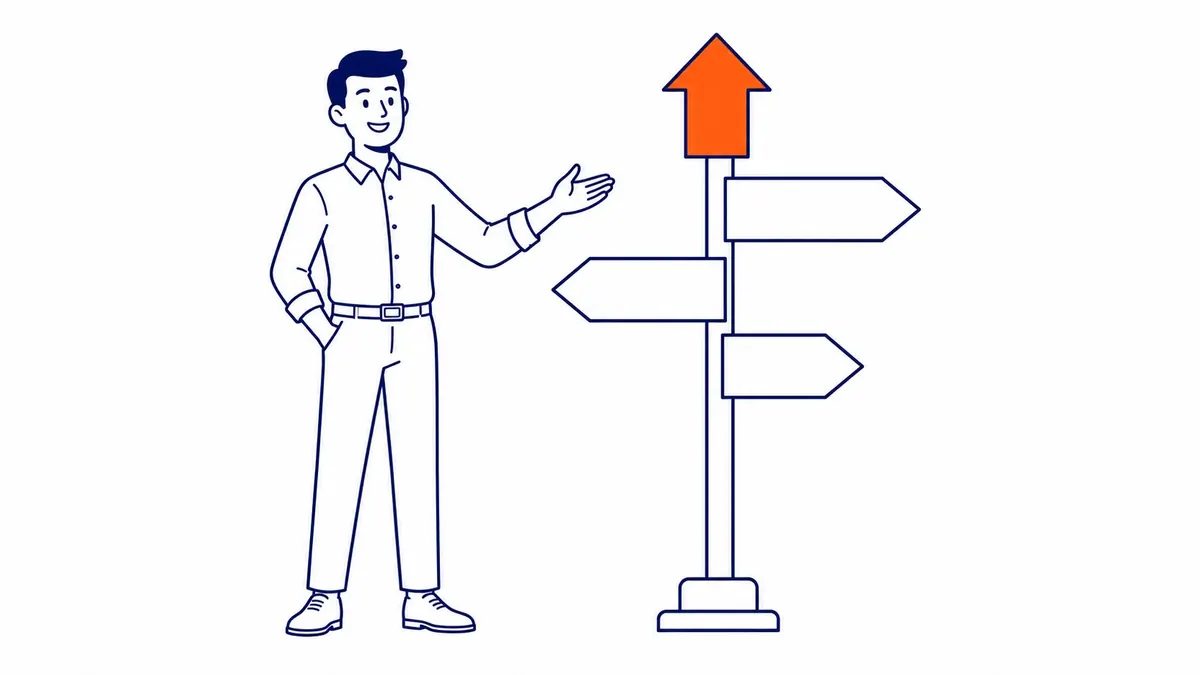
Only One of Them Can Wait
The searcher will give you a moment. They went looking, so they have a reason to stay. A slow opening irritates them. Still they read on.
The scroller has no reason at all. They were busy. Whatever they were doing before your ad appeared, they would rather be doing it. So your page has almost no time to justify itself. Then it earns every second after that.
So one first screen gets asked for two things. The searcher wants the answer to what they typed. Meanwhile the scroller wants a reason not to go. Those requests rarely agree.
The Money Writes the Page
Only one of those readers arrives with a price on their head.
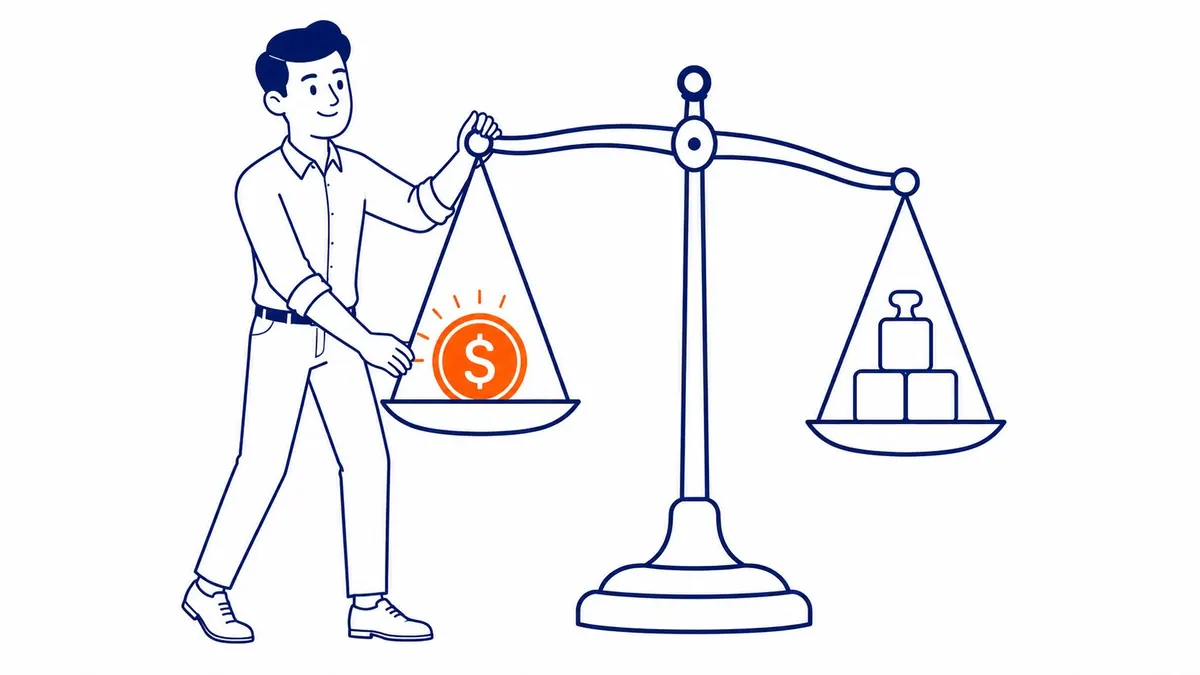
You paid Facebook for the scroller. A figure sits beside them in a report. You can watch what they did this afternoon. They landed. Then they were gone. That number is visible. Also it moves when you change the page.
The searcher cost you nothing this month. Whatever they do, no invoice reacts. And whatever you quietly take away from them, nothing on a chart turns red.
So when your two readers disagree about the first screen, one has money behind them. The other has silence. Nobody had to be corrupted for the money to win.
The Page Did Not Get Worse. It Got Aimed.
Nobody resolves to serve the paying visitor. What happens is much smaller.
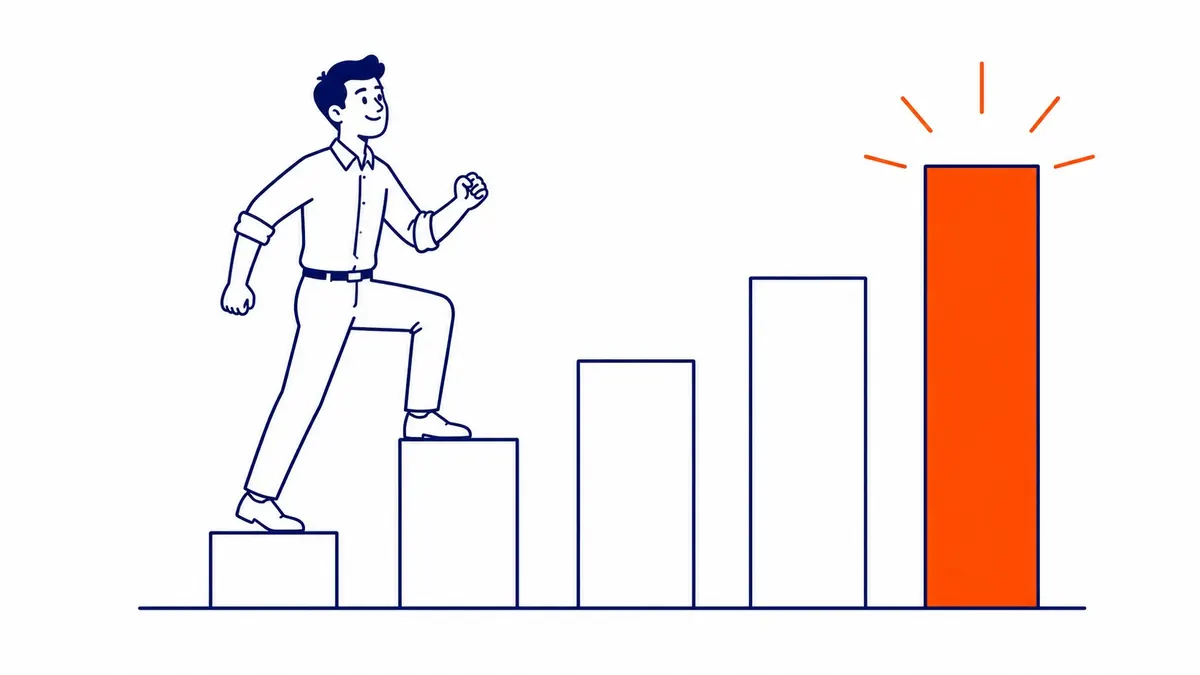
The number looks bad, so somebody trims the opening. Then the paragraph explaining the problem slides down, since it was holding people up. A promise goes at the top. Then a button under it.
Every one of those edits is sensible on its own. Also every one was requested by the scroller.
Then a season passes. The page that used to rank is now a promise and a button. Whatever question it once answered sits near the bottom. Perhaps it has gone.
The page did not get worse. It got aimed. Only it got aimed at the one reader who never typed your keyword.
So the ads reached your SEO after all. They went through you to get there.
Where the Facebook Ads Argument Stops
None of this holds when the ad points somewhere you never meant to rank. Plenty of Facebook campaigns land on a page built for nothing else. Nothing to protect there.
A shorter page is not automatically a worse one. Sometimes the scroller is simply right. Your opening was slow. The paid traffic is the first thing that ever told you so. Take it.
So the argument is not that a page must never change. Rather that you should know which reader asked you to.
Nothing here is a penalty. What you lose, you lose quietly, to a decision that looked reasonable on the day.
Give the Ad a Page of Its Own
The fix is dull. It costs almost nothing.
Stop sending paid traffic to the page you are trying to rank.
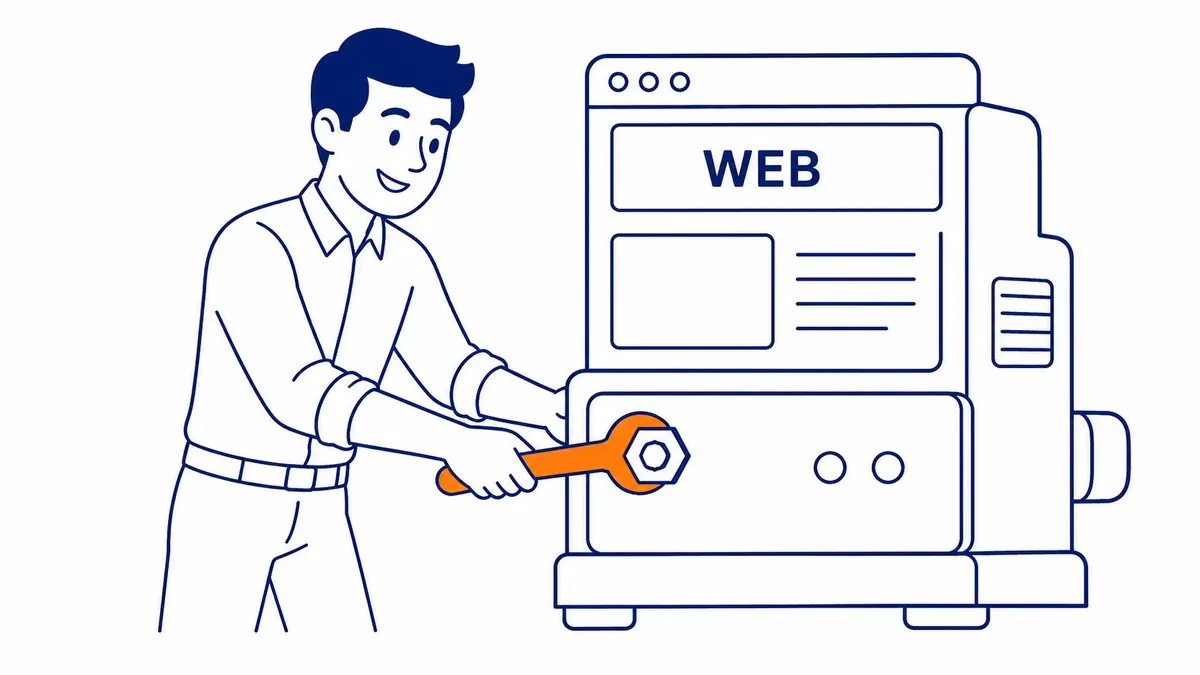
Build the ad a page of its own. Short, aimed, one promise, one button. Nothing it must answer. Then leave the ranking page long and patient and full of what a searcher came for.
Two readers, two pages. Nobody has to lose.
Plenty of businesses do the opposite, for an understandable reason. That page is the good one. Pointing a campaign at it takes a minute. So your strongest content ends up under the most pressure to stop being itself. That pressure usually starts with rewriting the title tag to suit the ad.
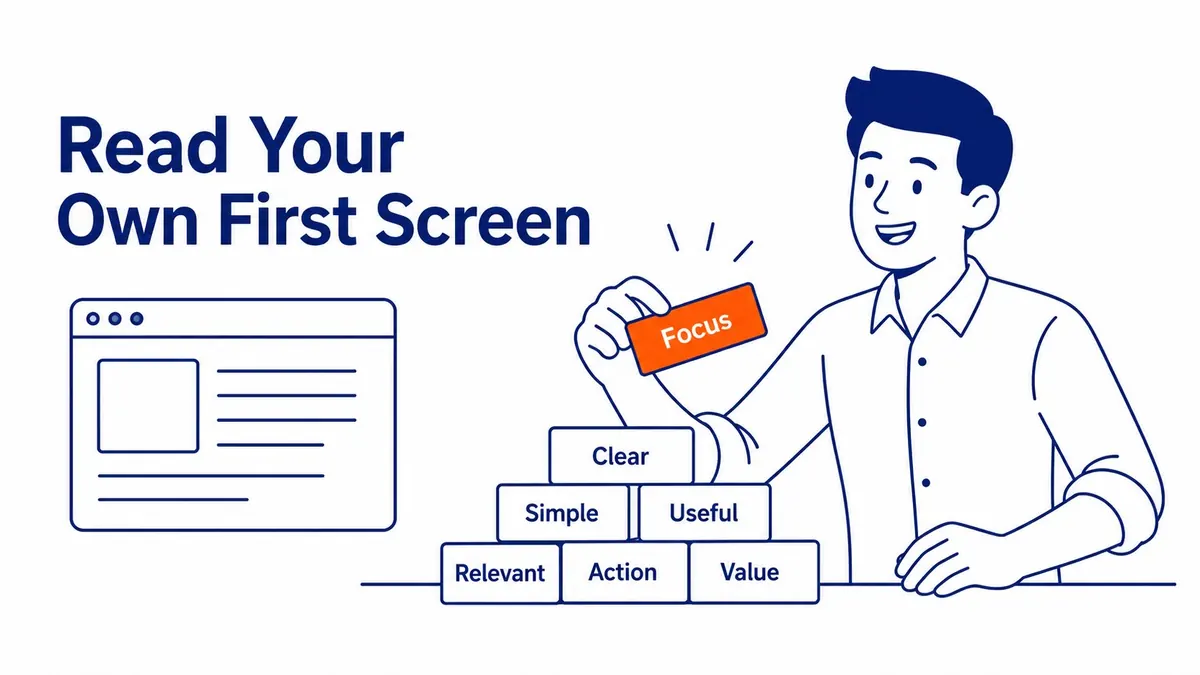
Read Your Own First Screen
Open the page your ads point at. Read the first screen only, as somebody who typed your keyword into Google and clicked you fourth.
Now put one question to it. Does this answer what they typed? Or does it work to stop them leaving?
Should it answer them, your page still serves the reader who found it alone. The ad rides along behind. That is the right way round.
Should it be working to keep somebody in the room, that screen was written for a person who never asked you anything. And they were the one you paid for.
No statistic about somebody else’s ad account settles which of those you are looking at. Yours is one screen away.
Facebook Ads and SEO at To-The-TOP! in Calgary
SEO Company To-The-TOP! has been doing this work in Calgary since 2007. The pattern arrives as a puzzle, not a complaint. Rankings drifted. Nothing technical broke. Nobody can name what went wrong.
The first thing worth opening is not the ad account. It is the page. A website audit will tell you what that page used to say and what it says now. To-The-TOP! runs SEO in Calgary the patient way. We also run Google Ads management for anybody wanting a reader this week. Neither gets to quietly eat the other. The portfolio shows the keywords this work has reached.
No guarantees. Nothing fast, either. Three to six months is the plain range for search engine optimization. So the page that ranks is worth defending from the page that pays. Worth sorting out Facebook ads and the PPC label before you budget for either. People ask about visitor counts as a ranking factor too, and that one sounds obvious.
Common Questions About Facebook Ads and SEO
Do Facebook ads directly improve Google rankings?
No. Nothing passes from your ad account into the search results. Likes and shares carry no credit. Any effect the ads have on your SEO arrives by another route entirely.
Can Facebook ads hurt my SEO?
Not by themselves. No penalty attaches to the spend. Any harm is something you do with your own hands. You reshape a page on your own website to suit a reader who never searched for it.
Should I point Facebook ads at my best ranking page?
Usually not. That page exists to answer a question somebody typed. A scroller typed nothing. Give the campaign a page of its own. Leave the other one alone.
Do Facebook ads help SEO in any way at all?
Indirectly, yes. More people meet your name, so more search for it later. An ad can also put your content in front of somebody who links to it. Neither is a signal Google counts. Both are worth having.
My rankings slipped while I was running ads. What happened?
Look at the page before the campaign. Ask what changed on it while the ads ran. Often something got shortened. Nothing about the spend reaches Google. The cause is on your own site.
Contact Calgary SEO Company To-The-TOP!
Questions about anything in this article, or about your own rankings? Talk to a Calgary SEO specialist directly.
Phone: (403) 308-5949
Address: 1509 14 Ave SW, Calgary, AB T3C 0W4
Hours:
Monday to Friday: 10:00 am – 7:00 pm
Saturday: 12:00 pm – 4:00 pm
Sunday: closed