
Does Your Company Need SEO?
We get asked whether a company needs SEO at least once a month. Sometimes by a business that has been online for ten years. Other times by someone launching their first site. The question sounds simple. A straight answer depends on a few things worth working through before spending anything.
Most businesses genuinely need SEO. A few do not. The difference has nothing to do with size or industry. It comes down to one thing. Whether your customers turn to search when they want what your business sells.

The Real Question to Ask First
Not the one most companies are asking.
The useful question sounds different. Are your potential customers searching for your service right now? If yes, someone is getting those clicks. Either it is your website or your competitors’. That is really the whole decision.
We have worked with Calgary businesses since 2007. The pattern shows up consistently. A competitor appears on page one. The client has been in business for a decade. No ranking presence anywhere on Google. Revenue runs on word-of-mouth referrals alone. Then a key referral source dries up. The phone goes quiet.
That is when the urgency kicks in. The time to answer this question is before that happens. Not during it.
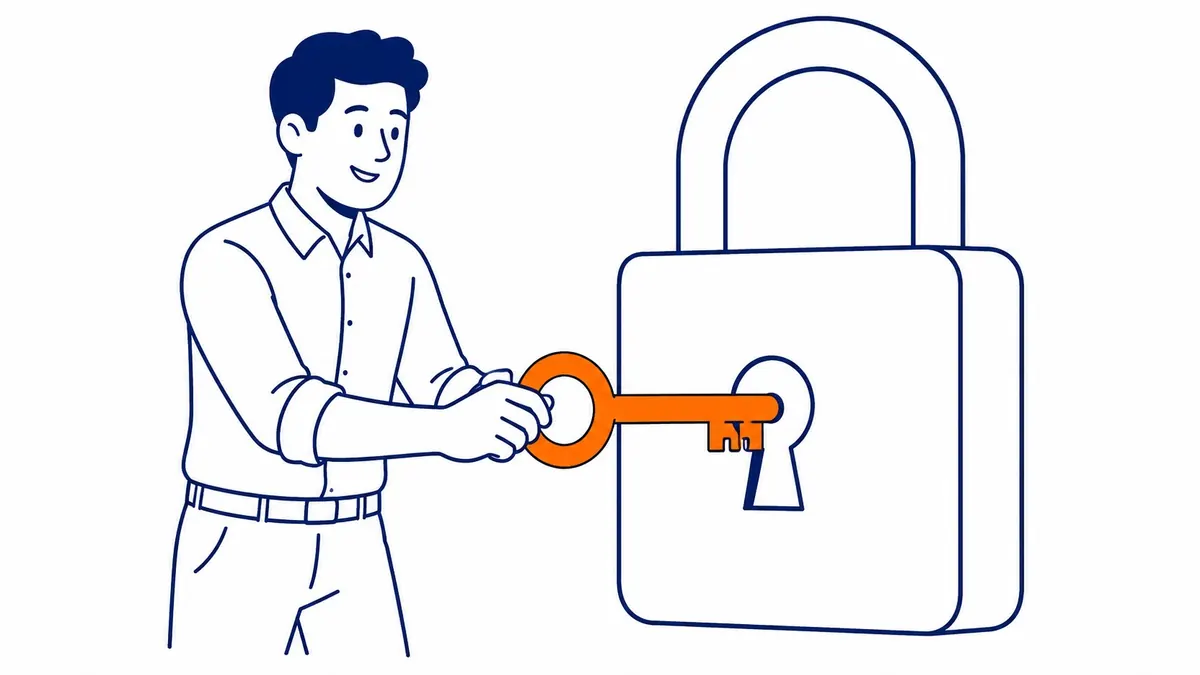
From a customer’s perspective, invisible means unavailable. They search. Options appear. The ones that show up get called. A business that does not appear on page one of Google does not exist for that searcher. Operating for twenty years does not change that.
A business builds a website and pays to make it look good. Then assumes that is enough. Visibility in search is separate from having a website. They are not the same thing. Google has no idea your website exists unless something actively signals what it covers. Load speed matters. Inbound links matter. None of that happens without deliberate work.
Signs Your Website Is Probably Getting Skipped
A few patterns tend to repeat.
Search your primary service in Google. Use incognito mode so your browser history does not skew the results. If your website does not appear on the first page, those visitors are landing on your competitors’ sites instead. Every day that continues is leads going elsewhere.
Traffic from Google has been flat for years. Leads from search are near zero. You know your customers go online, because they mention it. Some tell you directly that they found competitors by searching. None of them found you that way.
These are not signs that SEO is broken. They are signs it has not started yet. An SEO website audit usually produces a clearer picture within a few hours. It shows where the gaps are and which fixes would move the needle fastest. Most sites come back with several high-priority technical issues that are quietly suppressing positions.
Rankings affect credibility, too. When someone searches your category and your competitors appear before you do, that person draws a conclusion. It is rarely in your favour.

Which Industries Tend to Benefit Most
Not every sector benefits equally.
Service companies see the strongest returns. Trades. Legal. Dental. Physiotherapy. Accounting. Someone types a query, reads a few results, then calls whoever looks credible. The buying decision happens on that first page.
Local SEO matters especially for businesses serving a specific geographic area. Someone typing ‘Calgary accountant’ or ‘plumber near me’ is not browsing. They are ready to hire. Being in front of that search is worth a significant amount per lead in most service categories.
E-commerce companies also depend heavily on organic search. Product queries drive more purchasing decisions than social media does, across most categories.
B2B companies are often surprised. Decision-makers search before picking up the phone. Online research usually happens before any call gets made. SEO matters there, too.
Companies that rely mostly on referrals sometimes wonder whether search matters. Referrals dry up. Not all at once, but eventually. A client retires. Partnerships end. A referral source shifts their own model. Organic search traffic keeps working regardless of those changes.
Calgary businesses, in particular, are competing against established local players who have been investing in local search for years. Walking into that environment without an SEO expert Calgary companies trust means playing catch-up.

What SEO Actually Does for Your Business
Worth being specific here.
The purpose of a local search engine optimization service is to put your website in front of people already looking for what your business offers. That is different from advertising. No interruption involved. You are showing up where interest already exists.
Organic traffic tends to convert better than most paid channels. Someone who found you through a specific search query already knows what they want. They read your page and called. Warm leads. That is a different starting point than a display ad shown to someone who happened to visit an unrelated site.
Rankings also build trust over time. Consistent first-page presence tells potential customers that your business is established. Three to six months is the realistic timeline for meaningful movement in most competitive categories. Nine to twelve months before it generates reliable leads each month.
There is also a visibility component that does not always show up in click data. People who see your business name appear consistently in search results develop recognition. They may not click right away. When they are ready to hire, they come looking for you specifically.
Content plays a major role. Pages that answer the specific questions your customers are actually typing into search tend to rank well. Solid keyword research identifies which questions bring in the most relevant traffic. That is where most serious SEO campaigns start.
Backlinks matter, too. Other websites that link to yours signal to search engines that the content is worth citing. Building those takes time. It is not something that happens in a few weeks. Explaining that timeline to a boss is a skill of its own, and how to sell SEO starts there. Sector changes the picture too; the best SEO agency for manufacturing companies looks nothing like a local one.

SEO Versus Paid Ads
Two different timelines, two different results.
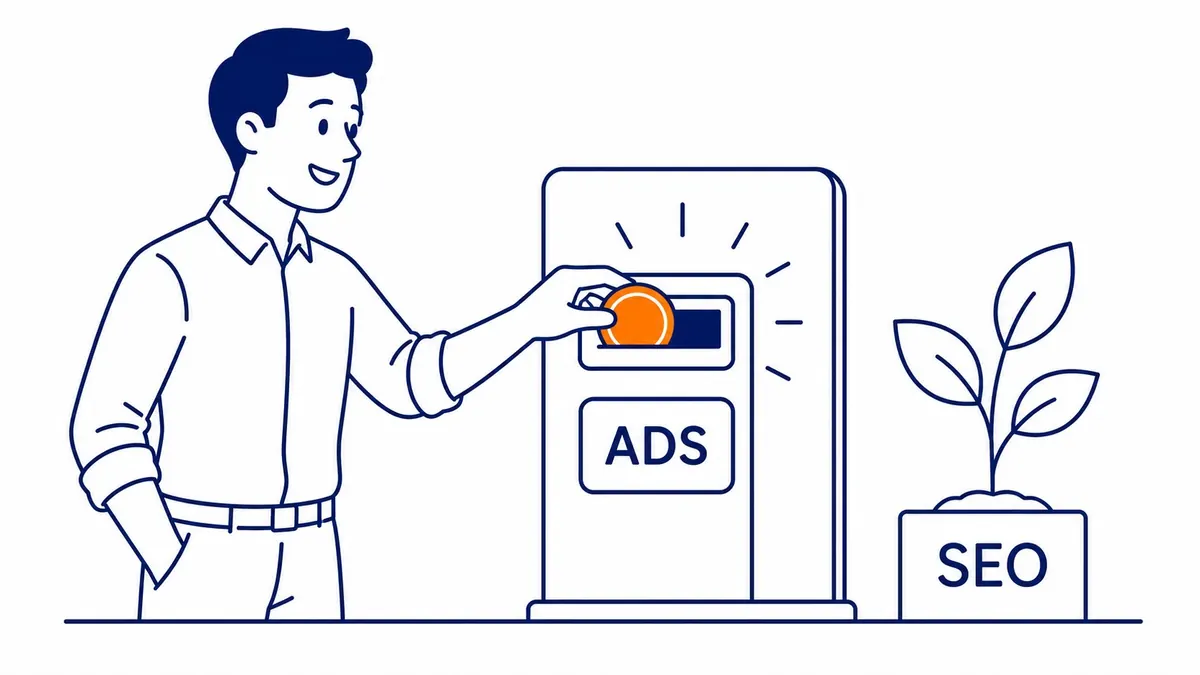
Google Ads management produces results quickly. A campaign can be live within days of setup. Stop paying and the traffic stops immediately. SEO is slower to build but keeps compounding once it is moving. The traffic does not disappear when the budget stops.
Some companies need both channels. Ads to cover the short term while organic rankings develop. Others prefer to concentrate the budget into organic search and skip the ad spend until SEO is working.
The right call depends on a few factors. Your margins. Category fit. How much your competitors are already spending. We have had clients start with ads, build organic rankings over eighteen months, then reduce their monthly ad spend substantially. Cost per lead dropped. That is usually the outcome businesses are after.
If Google Ads is already part of your marketing mix, SEO builds on it. Organic positions eventually pick up the searches that ads would otherwise have to cover. That reduces reliance on paid spend over time. Most Calgary businesses we work with end up using both at some point. The ratios shift as organic strength builds.

Is SEO Worth It for a Small Business?
Here is the straight answer. Usually yes.
The concern is always about cost and timeline. Both are legitimate.
SEO is a long-term investment. Three to six months before meaningful ranking movement. Nine to twelve months before predictable monthly leads start arriving. If budget runs out at month four and the work stops, the ground that was building can erode.
In lower-competition markets, small businesses sometimes see results faster. A plumber serving a Calgary suburb with four or five local competitors faces a very different challenge. The personal injury lawyer competing against firms that have run search engine optimization campaigns for a decade is a different situation entirely. Knowing which one you are in matters before committing. The competitive research we do at the start of any engagement answers this directly. We look at who is ranking. How long they have been at it. What it would take to reach them.
Most ranking gains come from a focused set of high-impact actions. Fix technical problems first. Get the right content on the right pages. Build a small number of quality backlinks. Spreading a limited budget thin across everything rarely delivers as well as concentrating it on the moves that actually matter.
Pay attention to what the specialist is actually doing each month. Monthly reports should show which keywords moved and by how much. Vague reporting, ‘we worked on your site this month’ without specifics, is worth paying attention to before signing anything. Reporting quality is often what decides whether SEO is worth the spend.
What the 80/20 Rule Means for SEO
Most gains come from fewer moves.
80 percent of your ranking improvement comes from 20 percent of the work. Identifying that core 20 percent is what a skilled SEO specialist does first. Going straight to volume before the foundation is solid rarely compounds the way clients hope. The foundation has to come first.
For most small businesses, high-impact work concentrates in a few areas. Technical health of the website. On-page structure for your most important pages. Local citation consistency if you serve a geographic area. A targeted set of content pages built around specific customer searches.
The rest matters eventually. Foundation work comes first. Skip that phase and the links and pages that follow do not compound.
To-The-TOP! SEO Company has been doing this work in Calgary since 2007. The tools have changed. That logic has not. Find the gaps. Fix them in priority order. Report monthly so the client knows what moved and what still needs attention. That same approach still holds.

FAQ
Does my business need SEO?
Search Google for your service right now. Not showing up? Someone else is getting those leads. Most businesses do need SEO, specifically when customers search online for what you sell. A basic audit usually clarifies where you stand.
Is SEO dead or evolving in 2026?
Search behaviour is shifting toward AI-generated summaries and featured snippets. The pages being cited still need genuine page-level authority. Content still needs structure. Backlinks still count. Rankings still determine which sources appear. Tactics have evolved. The fundamentals have not. If anything, content depth and page authority matter more than they did three years ago.
What is the 80/20 rule for SEO?
80 percent of your ranking gains come from 20 percent of the work. For most companies that means technical site health first. Then targeted on-page structure for your most important pages. After that, a handful of quality backlinks. Those three areas drive more movement than most other SEO activities combined, especially in the first year.
Is SEO worth it for a small business?
Often, yes. It depends on how competitive your market is and how long you can sustain the investment. In lower-competition categories, small businesses can rank well without large budgets. High-competition categories, like legal or finance, have longer timelines and higher costs. Worth understanding your competitive landscape before committing.
Contact Calgary SEO Company To-The-TOP!
Questions about anything in this article, or about your own rankings? Talk to a Calgary SEO specialist directly.
Phone: (403) 308-5949
Address: 1509 14 Ave SW, Calgary, AB T3C 0W4
Hours:
Monday to Friday: 10:00 am – 7:00 pm
Saturday: 12:00 pm – 4:00 pm
Sunday: closed