
How Content Quality Affects SEO Performance
The standard answer is sound. Better content earns links. It answers the question somebody typed. Then it gives a reader a reason to stay, and sometimes a reason to come back. All of it is real. This site covers it properly elsewhere. Nothing here argues with any of it.
So this page is about something else. It is about when the judgment gets made.

Every Other Input Is in Place Before the Ranking
Take the things a page brings to a search result.
The words are written. Markup validates or it does not. Load time is a number you can read today. Whatever links point at the page do so already. Every one of those sits there, finished, before Google forms any view at all.
Now put content quality beside them. Then ask a plain question. At what moment does anybody find out what it was?
Not on the morning you publish. Something has to happen first. Waiting is the part the sprint model in SEO handles worst.

Content Quality Gets Graded After the Fact
Watch how the word gets used in practice.
A page goes up. Months pass. It does well, so somebody says the content was strong. Or the page goes nowhere, and somebody says the quality was not there.
Read those two sentences about content quality again. In both, the performance came first. Then the quality got named.
The title above reads like cause and effect. Content quality affects SEO performance. Only the evidence runs the other way round. The performance is what people use to establish the quality.
That is an odd shape for a quality input. Every other item can be checked before the outcome arrives. This one takes its content from the outcome. Which is why refreshing old pages beats guessing at quality before anything is published.

Somebody Will Point at the Editor
The objection here is fair. People judge writing in advance constantly. Hand a page to a good editor and something comes back within the hour. It is clear, or it is muddy. The argument holds, or it wanders off. A claim is supported, or it is decoration.
All true. Now look at what that editor settled.
Craft. How well the thing is made. That half gets judged on a Tuesday by somebody who has never seen your analytics. Worth paying for.
Only craft is not the half search is grading. Search weighs whether this answered better than the other pages available for the question. Reading those pages was never what the editor was handed. Some of them may not be written yet.
So content quality carries two judgments. One you can have today. Meanwhile the other cannot be made by anybody until the page has run.

The One Piece of Advice That Cannot Fail
Follow that through and something uncomfortable turns up.
Speed up your site and watch nothing move. Then the advice was wrong for you, and you found out. Fix the markup, see no change, same again. Ordinary advice can be caught out.
Improve your content quality cannot. Rankings rise, so the advice worked. Then they sit still, so the quality was not there yet. Or they fall, and somebody else improved theirs.
No result contradicts it. Which is why it outlives the updates and the arguments about tactics. It was never at risk.
Somebody will point at links here. Fair enough, since links get much the same treatment. You did not rank, so they were not strong enough. Only look at what a link is. A countable object with an address on it. Nobody has ever said a page holds eleven quality.
That is a comfortable thing to say. Also a strange thing to plan around.

A Grade Is Not an Instruction
The trouble with content quality shows up the moment anybody acts on it.
Tell a writer to improve the quality. Then watch what happens. They open the page. Then comes the hunt for a sentence to change. Nothing in the instruction tells them which one.
So they do what anybody would. They polish. The prose gets tighter. A weak paragraph gets rewritten. By the afternoon the page is genuinely better made.
And frequently nothing moves. Polishing changes how a page reads. It changes nothing about what the page covers.
A quality grade tells you how something went. Nothing in one tells you what to do next.
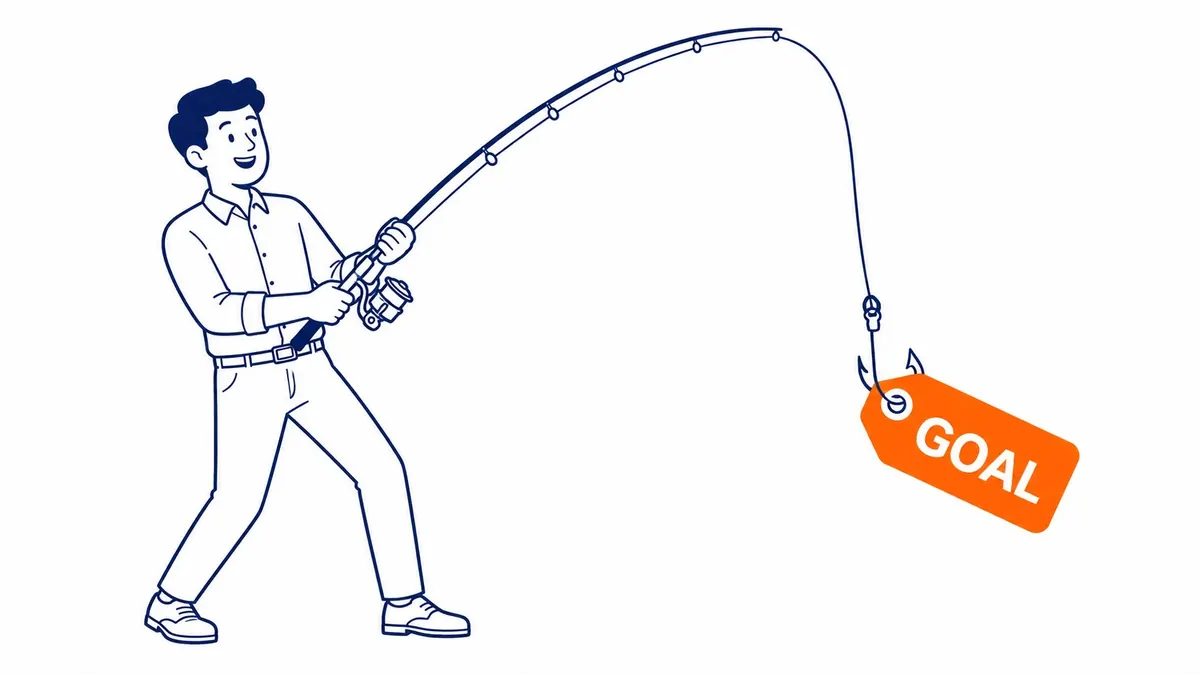
Two Things You Can Settle Before You Publish
Drop the word. Then ask what it was standing in for.
Two questions do most of that job. Neither waits on an outcome.
Did anybody ask this? That is keyword research, covered on its own page here. Look the demand up before commissioning an article.
Then, have you read what already answers it? Not skimmed. Read. The pages at the top of that search are the ones yours gets measured against. Every one of them is one search away. Free.
Read them and something obvious tends to surface. A question all of them dodge. Some step nobody explains. One figure everybody quotes without checking.
Write that. Not because it scores higher on some scale. Rather because it is the part nobody covered.

Try This on the Last Page You Wrote
Open it. Then answer one thing before you look at a single number. What does this page say that the pages above it do not?
Should the answer come quickly, you have your reason. Whatever the ranking does, you know why the page deserves one. You knew it before anybody graded anything.
Should nothing come back, that is worth more than a rewrite. Polishing adds no answer. Nor does another two hundred words.
No statistic about other people’s content settles which of those you are holding. Yours is on the screen.

Where the Content Quality Argument Stops
None of this says quality does not matter. It plainly does. A page answering badly loses to one answering well.
The argument here is narrower. It concerns the word as an instruction, never the thing itself.
A real gift is buried in the backwards grading as well. Advice that cannot go out of date is worth something. Write well and you are rarely on the wrong side of an update. Few recommendations in this field are that safe.
Get the editor, too. That read is useful, and it is the half of the judgment somebody can hand you.
Whether content on its own lifts a competitive ranking has a full answer elsewhere. Links and technical health come into that one. Whether word count matters is another one people ask in the same breath.

Content Quality Work for Calgary Businesses
SEO Company To-The-TOP! has been doing this work in Calgary since 2007. A page somebody wants rewritten turns up often enough. Often the writing was fine.
So the first useful SEO hour often goes on the search rather than the sentences. Looking up the demand settles whether anybody asked. Then the pages already ranking settle what is missing. Only afterwards does To-The-TOP! open the document. A website audit rules out the duller explanations first.
No guarantees. Search engine optimization moves over three to six months. The portfolio shows the keywords this work has reached, and a Google Ads campaign covers the gap while the slow half runs.
Businesses across Calgary bring the same worry to To-The-TOP!, worded the same way. Frequently the page did not need to be better. It needed to say something.
Common Questions About Content Quality and SEO
Does Google measure content quality directly?
Nobody outside Google can settle that. What it does is weigh pages against each other for a query. So whatever gets measured, gets measured against your competition rather than a standard.
Can better writing on its own lift a ranking?
Sometimes, on terms nobody strong is chasing. On harder ones, links and technical health come into it as well. That question has a fuller answer elsewhere on this site.
How long before better content shows up in performance?
Plan on three to six months. Rewriting a page resets nothing. No traffic arrives the week you publish.
Is a thin page a penalty?
No penalty arrives in the post for a short page. One saying little gets passed over for one saying more. A quieter outcome, and a slower one.
Should I rewrite old pages for content quality?
Only where you can name what the rewrite adds. A page already answering the question rarely needs tightening. One answering nothing needs an answer rather than an edit.
Contact Calgary SEO Company To-The-TOP!
Questions about anything in this article, or about your own rankings? Talk to a Calgary SEO specialist directly.
Phone: (403) 308-5949
Address: 1509 14 Ave SW, Calgary, AB T3C 0W4
Hours:
Monday to Friday: 10:00 am – 7:00 pm
Saturday: 12:00 pm – 4:00 pm
Sunday: closed