How to Calculate PPC ROI
Ad spend is easy to track. Every dollar shows up in the Google Ads dashboard by the hour. PPC ROI is the harder number. It asks what came back. Not what went out. Most accounts never get past cost per click. Here is the actual formula, and where it lies to you.
This is not a budgeting question. Setting a monthly number before a campaign launches is a separate exercise entirely. ROI gets calculated after spend, against real revenue, once the numbers exist to check.
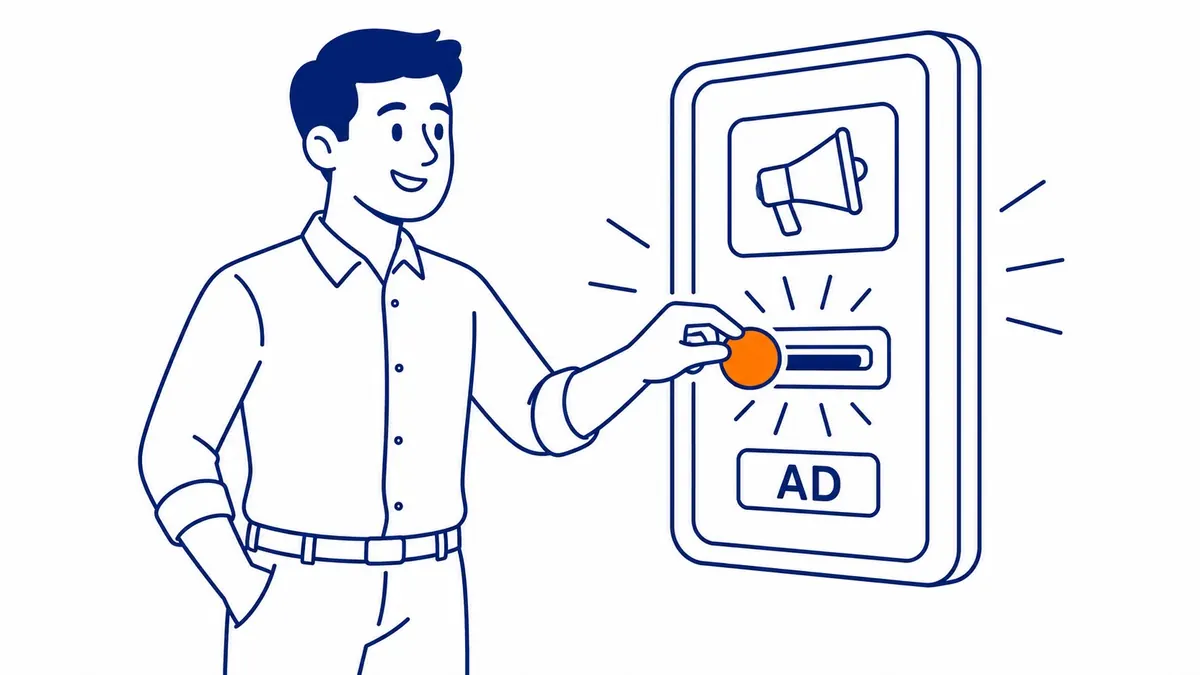
The PPC ROI Formula
Revenue minus ad spend, divided by ad spend, times one hundred. That is the whole formula. Three thousand dollars in ad spend against nine thousand in revenue works out to two hundred percent ROI.
Simple math. The part that trips people up is not the formula. It is what counts as revenue in the first place. Where does the PPC budget number come from before any of that gets measured?
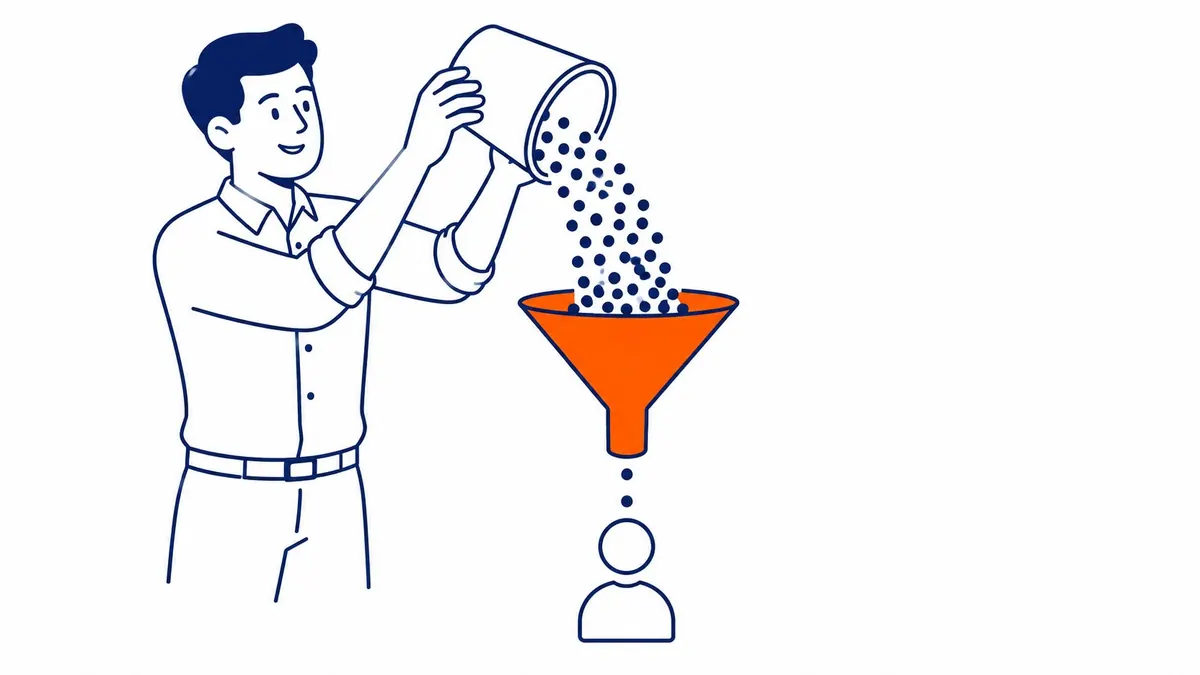
What Counts as Revenue in the Calculation
Ecommerce accounts have it easy. Conversion tracking pulls the actual conversion value straight from checkout. No estimating required, provided the tracking code fires correctly on every purchase.
Lead generation is messier. A form fill is not revenue. Leads times close rate times average deal value gets closer to a real number. Skip the close-rate step and the ROI figure balloons into fiction.
Phone calls complicate the picture further. A lead that calls instead of filling out a form still needs to land in the conversion count. Call tracking software solves most of that gap. Plenty of small accounts skip the setup anyway. A quick website audit usually catches the gap before it costs a full quarter of undercounted phone-based conversion value.
A roofing client once counted every quote request as full contract value. On paper, three hundred percent ROI. Real close rate ran under fifteen percent. Actual ROI landed closer to forty percent once the real math replaced the assumption.
PPC ROI vs ROAS: Different Numbers, Different Questions
ROAS answers a narrower question. Revenue divided by ad spend, nothing else factored in. A four-to-one ROAS sounds solid on a slide.
ROI asks a bigger question. Margin sits inside the calculation. Thin-margin products can post a healthy ROAS and a negative ROI at the same time. Both numbers are correct. They are just answering different things.
Report ROAS alone to a client selling low-margin products and the number oversells the campaign. Worth checking which metric actually matters before the meeting, not during it.

A Worked Example
Three thousand dollars in monthly Google Ads management spend. Forty leads that month. A twenty percent close rate. That close rate produces eight closed deals.
Average deal value sits at fifteen hundred dollars. Eight deals times fifteen hundred comes to twelve thousand in revenue. Subtract the three thousand spend. Nine thousand left over. Divide by the original three thousand, multiply by one hundred.
Three hundred percent PPC ROI. Real number, built from real close rates, not a guess pulled from a lead count.
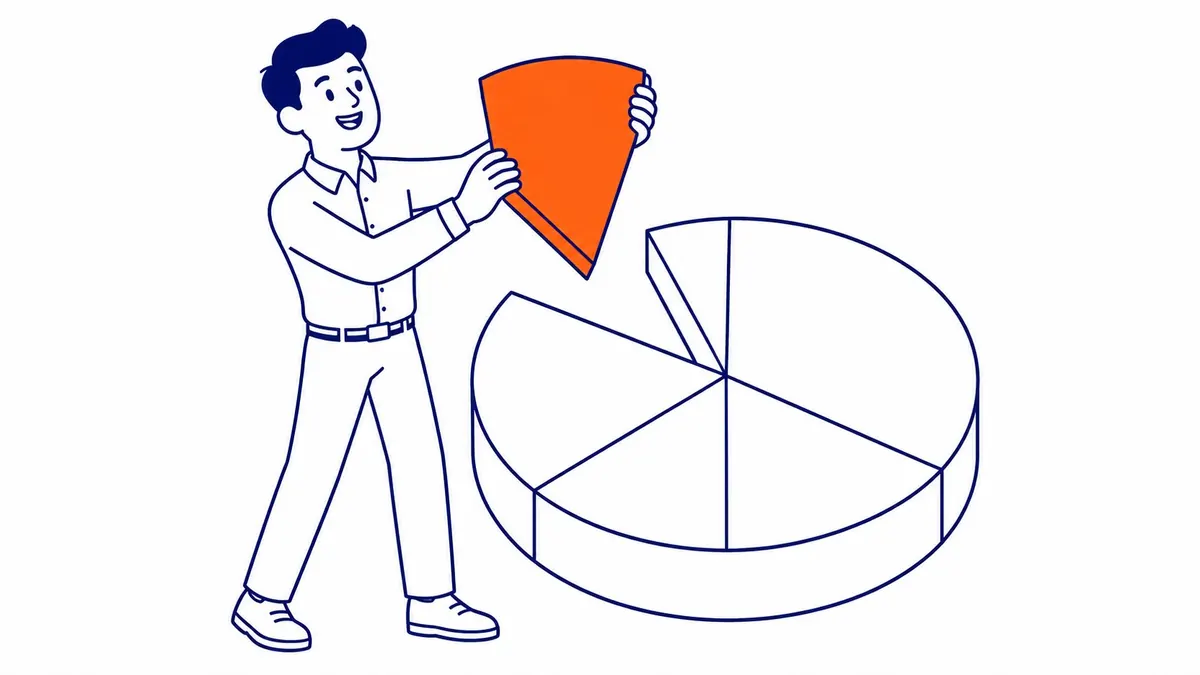
Where the Number Gets Misleading
Attribution windows shift the answer more than most people expect. Last-click attribution hands full credit to the final ad clicked. Data-driven attribution spreads that credit across the whole path. Same campaign, two different return figures, depending only on which model runs the report.
Assisted conversions get undercounted constantly. A customer sees the ad, researches for two weeks, then converts through a direct visit or an organic search. Last-click attribution gives the ad zero credit for a sale it genuinely influenced.
Branded search cannibalization is the quiet one. Bidding on a company’s own brand name captures clicks that would have converted through organic search anyway, free of charge. That inflates paid ROI while doing nothing for the bottom line. Checking overlap between paid and organic keyword research catches this fast.
Sales cycle length matters too, especially in B2B accounts. A click in January might not close until April. Run the ROI math on January’s ad spend against January’s closed deals alone and the campaign looks like a failure. The real return only shows up once the full cycle plays out, sometimes months after the click that started it.

How To-The-TOP! Reports ROI
SEO Company To-The-TOP! builds ROI reporting around real close-rate data, gathered directly from the client rather than assumed from lead volume. Monthly reports show the actual formula, not a headline percentage with no math behind it.
One person handles the account from setup through reporting. No junior handoff partway through, no rotating account manager learning the business from scratch every quarter.
Paid and organic get compared side by side where a client runs both. Both channels often draw from the same Calgary SEO keyword data. The ROI conversation stays incomplete without seeing both channels together. Anyone running both channels should know how to measure SEO ROI on its own terms first. Professional services see this most sharply, where SEO ROI at a small consulting firm hinges on two or three deals.
Frequently Asked Questions
What Is a Good PPC ROI?
Depends entirely on margin and industry. A rough benchmark helps. Anything above two hundred percent is considered healthy. A thin-margin ecommerce store might target far higher just to cover product costs. Context matters more than the number itself.
How Is ROAS Different From ROI?
ROAS divides revenue by ad spend with no other cost factored in. ROI subtracts spend from revenue first, then divides by spend, folding margin into the answer. A campaign can show strong ROAS and weak ROI at the same time.
Does PPC ROI Include Management Fees or Just Ad Spend?
Both belong in an accurate calculation. Counting only media spend and ignoring management fees inflates the final figure. A full-cost calculation adds the fee to the ad spend total before running the formula.
How Often Should PPC ROI Be Calculated?
Monthly, at minimum, once enough conversion data exists to trust the close-rate numbers. Weekly checks on young campaigns still make sense for spend monitoring. Full ROI math needs a bigger sample before it means anything.
Can PPC ROI Be Negative and Still Be Worth Running?
Sometimes, yes. A new campaign building brand awareness might run at a loss for months. Same for a business entering a competitive market. Conversion rates catch up eventually, or they do not. Worth watching the trend line across several months rather than one number in isolation.
Contact Calgary SEO Company To-The-TOP!
Questions about anything in this article, or about your own rankings? Talk to a Calgary SEO specialist directly.
Phone: (403) 308-5949
Address: 1509 14 Ave SW, Calgary, AB T3C 0W4
Hours:
Monday to Friday: 10:00 am – 7:00 pm
Saturday: 12:00 pm – 4:00 pm
Sunday: closed
