How to Improve PPC Performance
Most PPC accounts we audit share the same problem. Clicks are arriving. Conversions are not.
Budget depleted before noon, search terms full of irrelevant queries, Quality Scores sitting in the 3-4 range. Campaign structure looks fine inside the platform. The results say otherwise.
Running Google Ads management in Calgary since 2007 changes how you read a campaign. The patterns repeat. Fixes nearly always come from the same four or five places.
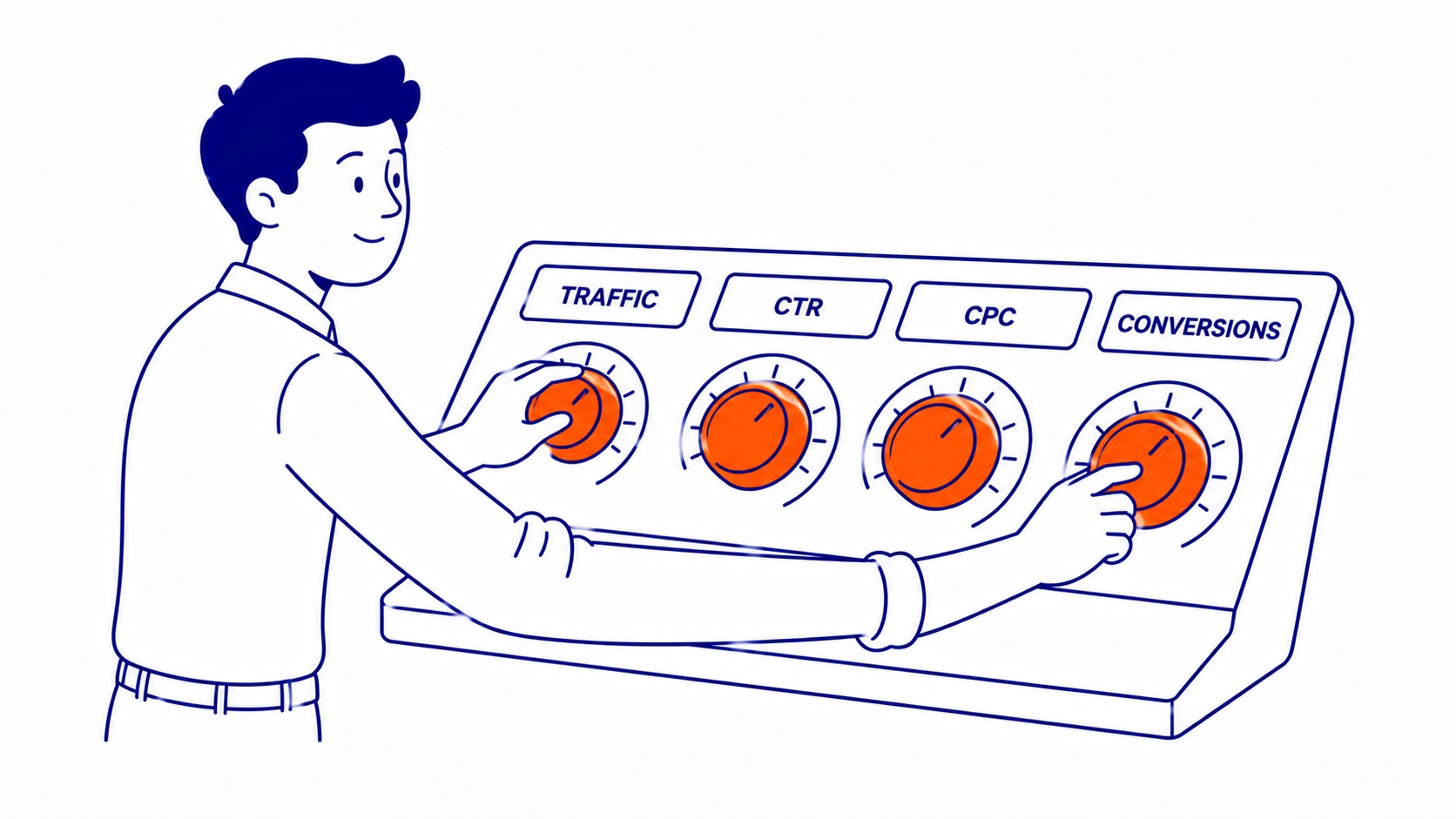
Keywords: the Layer Most Accounts Get Wrong
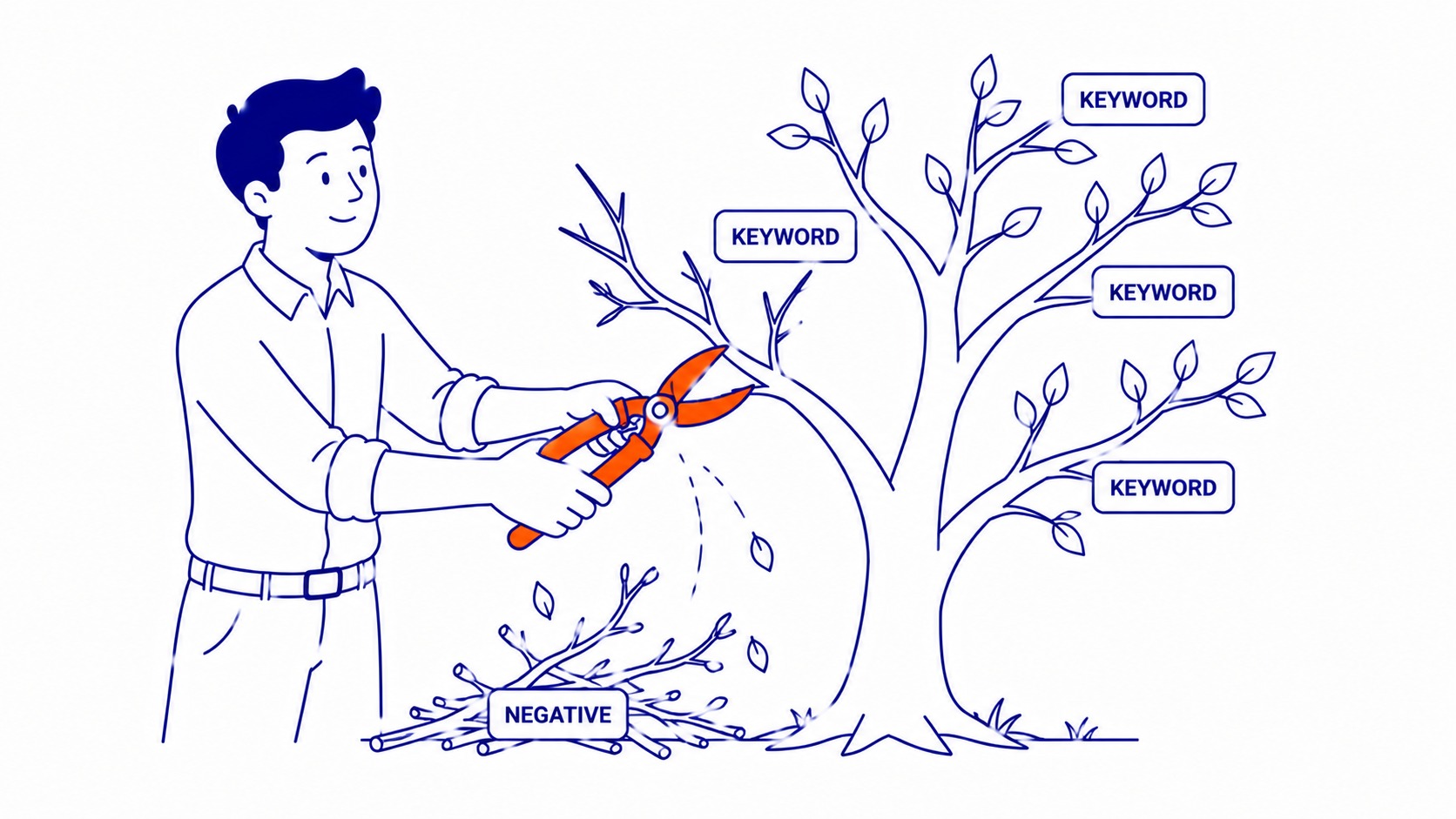
Broad match without a negative keyword list burns through ad spend faster than anything else in PPC. A roofing contractor running on “roofing” broad gets clicks from searches for roofing nails, software reviews, and DIY shingle videos. None of those convert.
Negative keywords need to exist before the campaign goes live. Pull the search terms report weekly through the first month. Anything without buyer intent goes on the list immediately.
Match types matter here too. Phrase match gives more control than broad while still capturing variations. Exact match narrows further, useful for high-value terms where each wasted click is expensive.
Long-tail keywords are still underused in most accounts. “Emergency roof repair Calgary” costs less per click than “roofing Calgary” and converts at a higher rate. The intent is clearer. Competition is lower. Surfacing these before budget gets committed to generic terms is exactly what good SEO keyword analysis is for. Long-tail discipline is a bigger part of being successful with Google Ads than most bid tweaks. Same logic runs through practical tips for optimizing Google Ads at the campaign level.
Ad Copy and Why CTR Matters More Than Most Advertisers Realize
An ad sitting at 1.2% click-through rate where competitors average 4% means the message is wrong. Not the bids.
The explainer on what is PPC covers the bidding mechanics and auction factors that underpin every performance improvement covered here.
Responsive search ads allow 15 headlines and 4 descriptions. Most advertisers fill them with generic service names. Nothing gets tested. Headline 1 should name the service and location. For the second slot, answer why a user should call you over the result above. Headline 3 addresses the main objection.
Quality Score (1 to 10) multiplies against the bid. Three factors: keyword-to-ad match, ad-to-landing-page match, historical CTR. With a strong Quality Score, you pay less per click and reach a better position. None of this is a cosmetic detail.
Ad extensions add more reasons to click without increasing the cost. Sitelinks, callouts, call extensions: accounts that run all three consistently see higher CTR than those that skip them.
Ad relevance feeds directly into costs. A plumbing company and an accounting firm need completely different ad copy. Matching the message to the keyword category in each ad group is where most PPC campaigns take shortcuts that cost them later. Rival brand terms are their own category, and the answer on competitor brand keywords surprises most advertisers.
Landing Pages: Where Clicks Go to Die
Most accounts point ads to the homepage. Someone searches “Calgary plumber emergency” and lands on a page about service history and general service categories. That person already decided they need a plumber. They need a phone number and a reason to call. Not a tour.
The guide on what are AdWords keywords covers keyword match types and intent signals that drive Quality Score and cost-per-click.
Landing pages built for PPC traffic have one job. Match the search intent. Remove friction from the conversion. One offer. A single call to action. Load time under 3 seconds. Those are the requirements, not suggestions.
Mobile layout matters more now. Over half of paid search clicks arrive on mobile in most service categories. A page that requires pinching or horizontal scrolling loses that traffic regardless of how clean the ad is.
Page speed also hits Quality Score. Render-blocking scripts and uncompressed images cost twice over. Lower Quality Score raises CPC. Slow load time raises bounce rate. Both problems compound fast on competitive keywords.
Budget Allocation and Bidding Strategies
Target CPA. Target ROAS. Both need at minimum 30 conversions in 30 days to function with any reliability. Running Target CPA on a new campaign with 3 conversions in history produces erratic spend.
Start on Maximise Clicks instead. Build the data. Shift bidding strategies once conversion volume is there to support it. That sequence matters more than most advertisers realise.
Day-parting is worth auditing on any account that has run 90 days or more. Pull the dayparts report. Check when conversions actually happen versus when the budget deploys. A B2B account spending heavily at 10pm Sunday is almost certainly wasting ad spend. The data makes it obvious once pulled.
Device bid adjustments are also worth reviewing. Desktop converters in a B2B context behave differently from mobile users clicking a local service ad. Adjustments should reflect actual conversion patterns, not assumptions about behaviour.
Audience Targeting and Wasted Spend
Demographic exclusions are underused across most PPC campaigns. A retirement community does not need to pay for clicks from 18-24 year olds. An industrial supplier does not need residential homeowners in the audience.
In-market audiences and remarketing lists let you shift bids toward users who are further into the buying process. Customer match lists add another layer, particularly useful for businesses with existing customer data. Someone who visited the pricing page two days ago converts at a different rate than a first-time visitor. The bid modifiers should reflect that gap.
Track Conversions Before You Scale Anything
Many campaigns run with broken conversion tracking or none at all. Without accurate tracking, the platform optimises toward clicks. Clicks are not revenue.
Phone call tracking should be verified before serious budget goes in. Form submissions and purchase confirmation pages too. Google Analytics linked to the account gives a second layer. Discrepancies between the platform’s reported conversions and GA numbers are normal. Understanding which to trust before spending $5,000 is not optional.
How To-The-TOP! Approaches PPC Management
Calgary is where SEO Company To-The-TOP! runs Google Ads management, from search placements through to Maps ads, along with Edmonton and Vancouver. The work is direct: keyword research mapped to actual buyer behaviour, ad copy structured per ad group rather than recycled across the account, landing pages checked before any budget increase.
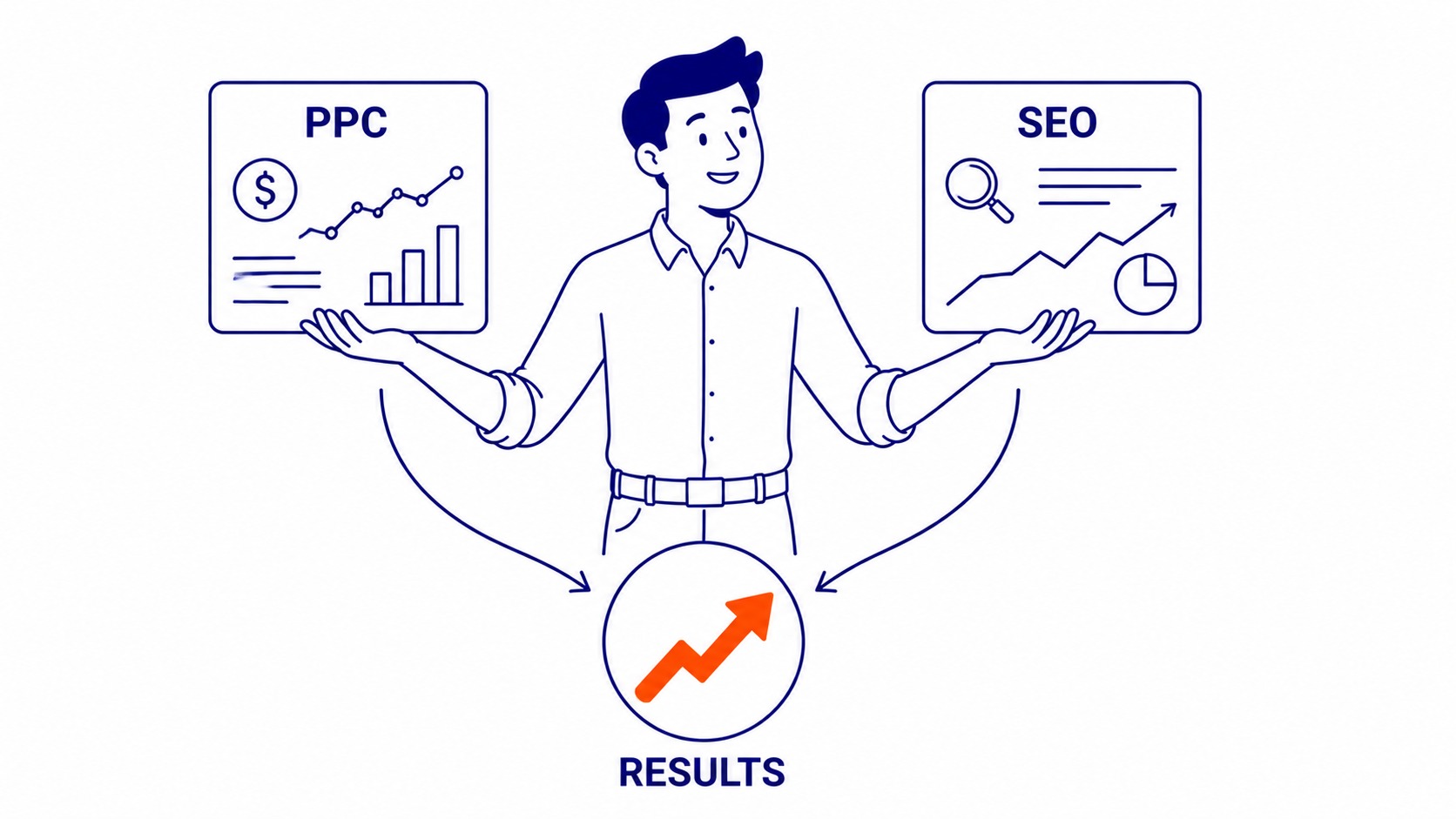
Businesses that also want organic traffic turn to an SEO services agency in Calgary to build the long-term foundation paid campaigns supplement. An SEO company in Calgary running organic and Google Ads together produces better returns than either channel alone. The keyword research that informs organic rankings also shapes which PPC terms to prioritise first. Hire a search engine optimization company Calgary businesses trust, and the traffic it builds keeps compounding after ad spend stops.
Worth understanding the full picture before committing budget to one channel in isolation.
PPC accounts in Kimberley SEO, Lac La Biche SEO, and Lacombe SEO benefit from the same Quality Score and bidding improvements covered here.
Frequently Asked Questions
How do you optimize PPC?
Keyword pruning first. Pull the search terms report, find queries without buyer intent, and add them to the negative keywords list. Then check Quality Score by ad group. Low scores point to a mismatch: keyword to ad copy, or the message to the landing page. Fix that layer.
Is $20 a day good for Google Ads?
In most Calgary service markets, tight but workable for a focused campaign. Ten to fifteen specific keywords, a defined service area, one ad group. Enough to gather performance data. Not enough to test everything simultaneously. Competitive categories like legal or financial services need more click volume to make meaningful optimization decisions with any confidence.
What is the 3-3-3 rule for marketing?
Different sources describe it differently. For PPC purposes, one version worth using: 3 seconds to earn the click, 3 reasons above the fold to stay on the landing page, 3 steps maximum to the conversion action. Not a universal rule. A useful lens for auditing where campaigns lose users before converting them.
What does improving your PPC performance actually take?
Time and enough data to make real decisions. Campaigns optimised too fast on thin conversion history produce results that do not hold. The accounts that perform at month six started month one with clean structure: tightly themed ad groups, negative keyword lists built out, conversion tracking confirmed, and landing pages checked before budget was scaled. That work is unglamorous. The ROI reflects it.
Contact Calgary SEO Company To-The-TOP!
Questions about anything in this article, or about your own rankings? Talk to a Calgary SEO specialist directly.
Phone: (403) 308-5949
Address: 1509 14 Ave SW, Calgary, AB T3C 0W4
Hours:
Monday to Friday: 10:00 am – 7:00 pm
Saturday: 12:00 pm – 4:00 pm
Sunday: closed
