
How to Handle SEO When Your Company Name Changes
Change the sign. Change the invoices. Somebody has to change the website.
That last part takes an afternoon. Most owners budget a week for it, then find the real work sitting somewhere else entirely. Not on the site. Out on the rest of the internet, where the old name is still written down in places nobody can edit.
The Website Is the Easy Half

Your own pages bend to you. Headers, footers, page titles, the copy itself. Run a find and replace, then read carefully to catch what the replace missed.
Rankings for your service pages barely notice. A page about furnace repair ranks for furnace repair. Swapping the company name in the footer does not change what that page is about. Owners brace for a collapse that never arrives. Then they relax.
Relaxing is the mistake. Service rankings were never the exposed part.
What a Redirect Cannot Carry
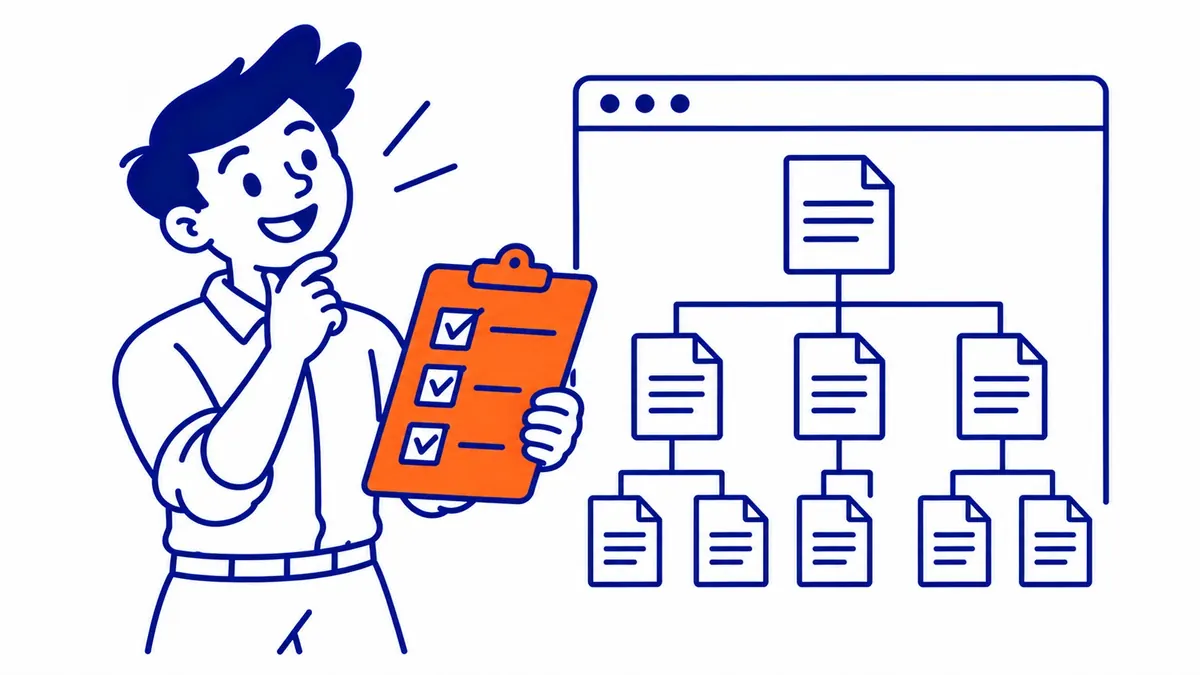
Here is what a name change does that a redesign does not.
People search for your old name. They have done it for years. That query carries volume, and volume is demand you already paid to create. Every referral. A truck somebody saw once. Business cards still sitting in drawers.
A redirect fixes an address. It does nothing for a query. Somebody types your old name into Google. The search engine returns whatever page best answers it. That page may not be yours anymore. It belongs to somebody else instead. A directory listing. An old news item. A competitor ranking for a similar phrase.
You cannot redirect a search.
Your Rebrand’s Best Work Is What Costs You

Now the obvious objection. Surely a thorough rebrand solves this? Scrub the old name everywhere, push the new one out, done.
Backwards. Thoroughness is the problem.
Google matches a query to a page containing the words in that query. Remove every instance of the old name from your site. Now you are the worst possible match for a phrase people are still typing. The cleaner the rebrand, the faster you vanish from your own name.
Marketing teams do this on purpose. It feels like finishing the job. To a search engine it reads as a business that closed.
There Is No Form for This

Move a domain and Google hands you a tool. Search Console carries a change of address setting built for that exact job. Fill it in, and you have told the search engine directly.
Change your company name and the search index has nothing to fill in. No field. Nothing to set. No queue to wait in.
That absence catches people out, because every other part of a rebrand has a form somewhere. The registry has one. So does the bank. Your insurer has one. SEO does not work that way. Google learns the new name the same way it learned the old one. It reads pages that mention it. Then it weighs which ones agree.
So the whole job is evidence rather than notification. You are not filing a change. Instead you publish enough consistent references that a machine reaches the right conclusion by itself. Slower than a form. Also the only mechanism on offer.
Keep the Old Name Somewhere Permanent
So build the page nobody builds.
One page, live forever, saying plainly that the old name is now the new name. Still one company. Same phone. The same people. Put both names in the title. Both in the first sentence too. Link it from your footer and leave it there.
That page has a strange job. It is not really for customers. The page exists so a search for the name you abandoned still lands on a property you own. Insurance against a query you cannot otherwise win. One page buys it.
Say the year, too. Somebody finding it in 2031 wants to know the change happened in 2026 rather than last week.
The Places That Now Disagree About You

Your name lives in more places than you think. Directories. Industry associations. Supplier pages. Review platforms. That chamber of commerce listing somebody set up in 2014.
All of them still say the old name. Not a broken link. Worse than that. It is a contradiction. Two names attached to one phone number. Local search leans hard on whether your own details agree with each other.
Do not try to fix all of them. You will not finish, and most carry nothing anyway. Fix the loud ones instead. Your Google Business Profile first, since that is the listing customers actually see. Then the four or five directories genuinely sending you traffic. A proper website audit tells you which ones those are rather than leaving you guessing.
The long tail of dead directories can stay wrong. Nobody reads them.
Anchor Text You Should Leave Alone
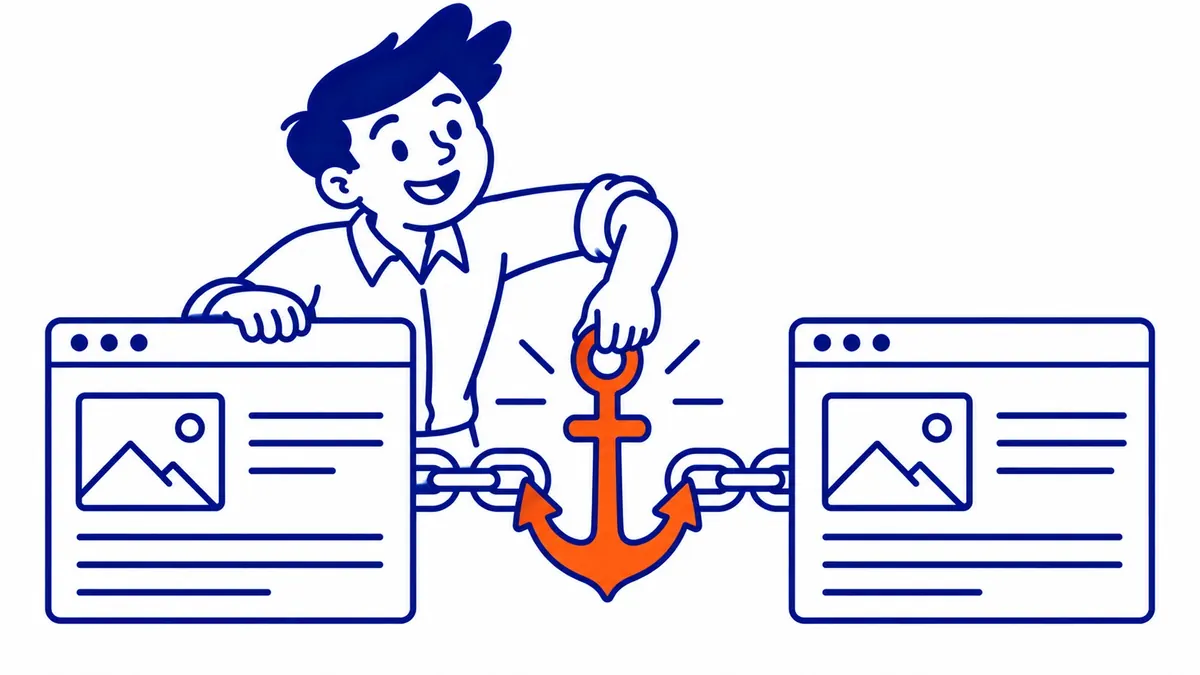
Every link you earned under the old name still says the old name in its anchor text.
Leave it. The instinct to email a hundred site owners asking them to reword a link is wasted effort with a worse outcome. Those links are the trail proving the old name and the new one describe one business. Erase the trail and your own continuity gets harder to establish.
An older article calling you by a name you dropped is not a stale link. It is a dated record. Records are supposed to be dated.
What to Watch, and for How Long

Open Search Console. Filter the query report to your old name. Count what still comes in.
Do it again in six months. The number falls slowly, and slowly is the word owners underestimate. Two years is not unusual for a locally known business. Longer where word of mouth carries a lot of the work.
Watch the new name too, which starts at nothing. It has to. Nobody has heard it yet, so nobody searches it. That zero is not a failure of your search engine optimization. It is simply where a three-week-old name starts.
When the Domain Changes Too

Plenty of name changes drag the domain along. Some do not.
Keeping the domain is the quieter path. The name on the sign changes. Your address stays. None of your link equity has to move at all. Worth asking whether a new domain is genuinely necessary before somebody buys one on a Friday afternoon.
Say it turns out to be necessary. That becomes a second project with its own rules. Redirect every old URL to its match. Keep the old domain registered indefinitely. Those mechanics get covered properly elsewhere, and they deserve the attention.
Two projects, then. Not one. Ship them apart where you can, because SEO problems are far easier to diagnose one cause at a time.
Paid Search Covers the Gap

One gap stays open no matter how good the organic work is.
For a while your old name outranks the new one. History versus none. Bridge that stretch with paid search. Set up Google Ads against the old name itself. Send the click to the page explaining the change. A few cents then buys back traffic you would otherwise hand to a competitor. Bids on your own name rarely draw much competition.
Run it for a year at least. Check the query report before switching it off, because the searches take longer to stop than the budget line suggests.
How This Usually Goes in Calgary
SEO Company To-The-TOP! has watched this since 2007, mostly from the wrong end. The call comes eight months after the rebrand, once somebody finally asks why enquiries thinned out.
Nothing dramatic happened. Service pages still rank. The site is fine. What happened is that a name with fifteen years of word of mouth behind it stopped pointing anywhere. Nobody noticed, because a dashboard only shows what arrives. It never shows what went to somebody else.
Ongoing SEO support catches that in month one instead of month eight. Solo practice here, so whoever reads your query report is whoever set it up. Businesses across Calgary and Vancouver get the same answer. Good Calgary SEO after a rebrand is mostly bookkeeping, done patiently, for longer than feels reasonable.
The name change itself was never the risk. Failing to say so out loud, in a place Google can read, is what it costs you.
Common Questions About Changing a Company Name
Will changing my company name hurt my rankings?
Not your service rankings, usually. A page about a service ranks for that service, and the company name in the footer is not what earns the position. What you lose is traffic from people searching the old name directly.
How long do people keep searching my old name?
Two years is common. Longer for a business with strong word of mouth or a long customer cycle. Filter Search Console to the old name every few months and watch the number fall.
Should I keep the old name on my website?
Yes, on one page, permanently. State that the old name is now the new name, with the year it changed. Otherwise a search for the old name returns somebody else’s page.
Do I need to change my domain when the company name changes?
No. Keeping the domain avoids a migration entirely and costs you nothing in search. Change it only where there is a business reason beyond matching the new name.
What about my Google Business Profile?
Update the name there early, since that is the listing customers see most. Expect the change to take a little time to settle. Make sure your website and your main directory listings agree with it.
Does a rebrand need an SEO audit first?
Worth one, yes. You want to know which pages carry your rankings, and which listings genuinely send traffic, before editing anything. Guessing spends the effort on directories nobody visits.
Contact Calgary SEO Company To-The-TOP!
Questions about anything in this article, or about your own rankings? Talk to a Calgary SEO specialist directly.
Phone: (403) 308-5949
Address: 1509 14 Ave SW, Calgary, AB T3C 0W4
Hours:
Monday to Friday: 10:00 am – 7:00 pm
Saturday: 12:00 pm – 4:00 pm
Sunday: closed