Is SEO a One-Time Thing?
The question comes up at least once a month. You read something about search engine optimization. Two or three companies gave you a quote. Now you want to know whether a single project is enough to get your website ranking.
Not usually. A one-time project is a starting point. It is not a strategy. Here is why that distinction matters for your business before you spend anything.

What the Initial Project Actually Covers
A cleaner site. Not a permanent ranking.
Real work happens at the start. Crawl errors. Indexation gaps. Page speed. A technical audit works through all of these. On-page optimization aligns your website’s metadata with the keywords your customers are actually searching. After this initial work, your site is in better shape than before.
Worth doing. These projects surface problems that have been quietly suppressing your site’s rankings for months or years.
But rankings are not a photograph you take once. They shift. Rival sites publish new pages. Search engines update their signals. A page on the first page today can slip in four months without anything actively wrong with your site. The competitive landscape moved around it.
That initial project fixes your site’s state on the day the work is done. It drifts the next morning. So does whether SEO services work really come down to maintenance?

Why Rankings Keep Moving
Not a bug in the system.
Rival sites are the first force. Any business in your market with an active search budget is publishing new pages every month. New links get built. Technical issues get cleaned up. Your position depends as much on what the competition does as on what you do.
Google is the second force. Major algorithm updates arrive several times per year. What ranked well before an update does not always rank well after. The standard for what satisfies Google in 2024 is not the same standard it holds in 2026.
Your own website is the third force. New pages get added and sometimes break internal linking. Older pages go stale. Technical issues reappear after plugin changes or CMS migrations. Individually, these are minor. Accumulated over a year without attention, they cost your site’s rankings.
Ongoing SEO is not about chasing positions constantly. It is about not ceding ground while rivals work. The businesses at the top of search results today did not get there with a single project in 2022. Consistent ongoing work is what got them there.

What Ongoing SEO Actually Involves
More than a monthly PDF.
A retainer fee plus a monthly summary. That is what some business owners expect. The actual work looks different. Keyword tracking against live competitors. New pages targeting queries your website is not yet ranking for. Technical issues resolved as they surface. Authority building through links over time.
Some months that means publishing two or three new pages. Other months it means a technical pass or a round of link outreach. The mix shifts based on where the biggest gap is at that point in the campaign.
Months One Through Three
Structural work first. Page speed. Internal linking. Crawl health. On-page optimization for the primary keyword targets. The goal in this phase is a clean technical baseline. Search engines need clear signals about what each page on your site covers.
Months Four Through Twelve
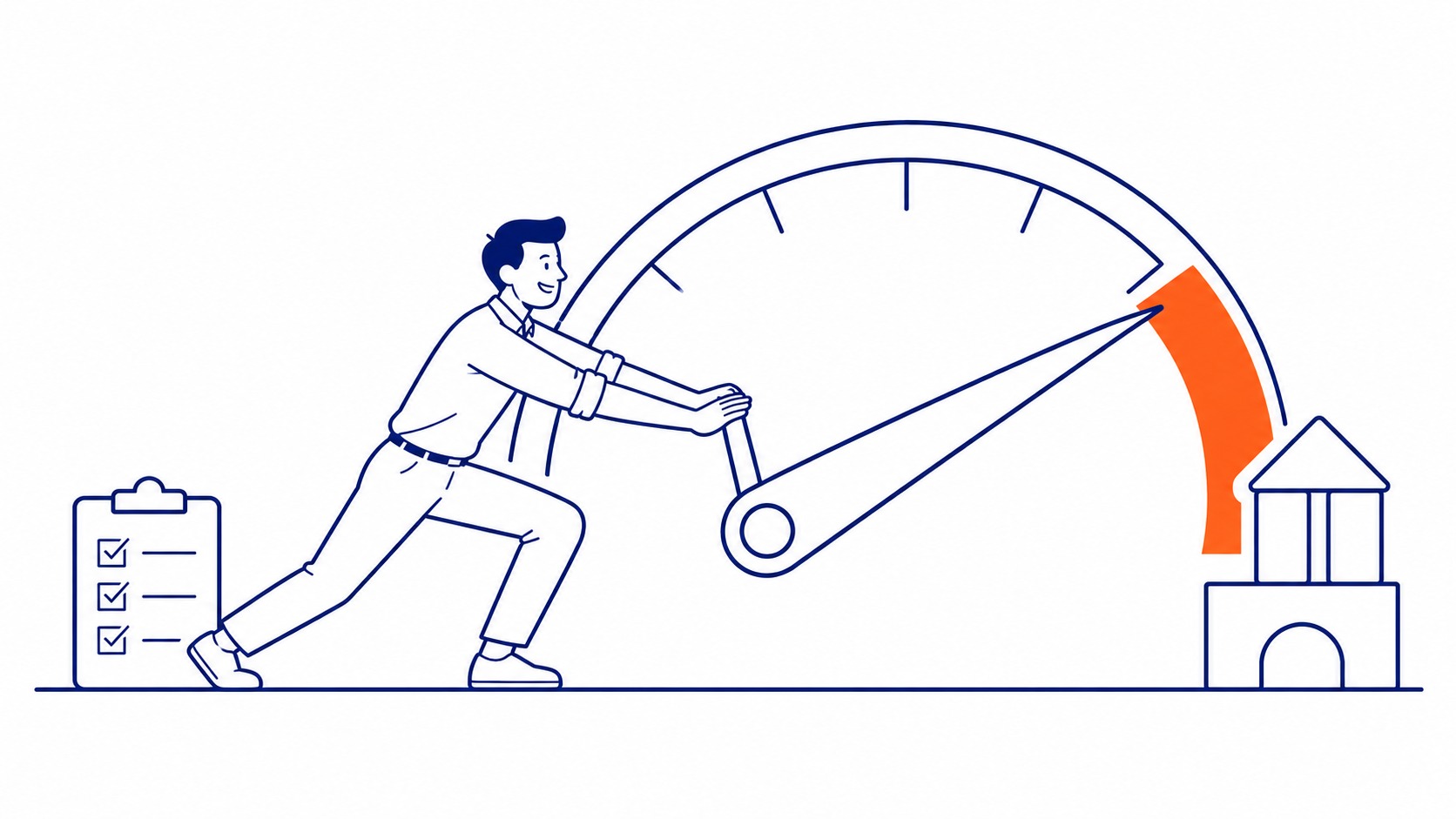
Content starts producing results. Pages optimised in month one begin earning positions. Traffic from search engines picks up on queries that were invisible six weeks before. Month seven and beyond is where compounding becomes visible. Each new page reinforces what is already ranking.
Three to six months before meaningful movement in most markets. That is the realistic timeline for your business. Some markets go faster. Most competitive service industries take the full range. That timeline is exactly why ongoing SEO gets sold as a retainer. That timeline is also the case for investing in SEO rather than buying it once.

How Often Does This Need to Happen?
Depends entirely on the market.
Competitive Markets
For service businesses in Calgary, monthly is the right cadence. Trade companies. Legal practices. Healthcare clinics. Financial services firms. Something shifts every month. A competitor publishes new content. An algorithm update rolls. A technical issue surfaces after a platform change. Monthly work keeps your website current and your rankings defended.
Lower-Competition Niches
A single-location business in a slow-moving niche can sometimes hold ground with quarterly maintenance. Not ideal, but viable if the initial work was thorough and few rivals are actively building their own sites.
Doing this once, then stopping for eighteen months, never works. Rankings that took six months to build erode at roughly the same pace without maintenance. Six months of compounding gains can disappear in two quiet quarters.
Fresh content and regular technical checks are the two non-negotiables in any market. Everything else scales with how hard the competition is working.

Is Organic Search Dead or Evolving in 2026?
Still earning. Things are changing.
AI-generated answers appear more frequently in search results now. That has reduced clicks for some informational queries. It has not changed the dynamic for local service searches. Someone in Calgary searching for an SEO company still clicks through to organic results. Trades follow the same pattern. Accountants do too. Most service businesses.
What has changed is Google’s standard. Content needs depth and authority it never required before. Page speed and mobile experience are harder requirements than they were in 2020. Backlinks from genuinely relevant sources matter more, not less.
Businesses that maintained consistent work through 2024 and 2025 are holding strong positions now. Those that stopped are competing against sites that did not. More demanding work. The payoff is still real.
What to Ask Before Committing
Worth knowing before any contract.
Any SEO company should answer two questions plainly. What is included each month? How will you measure whether your site is improving? Push on deliverables before signing. Monthly ranking reports tied to specific keyword positions and actual traffic trends are the minimum. Vague deliverables are a diagnostic signal on their own.
To-The-TOP! has been doing the local SEO Calgary businesses depend on since 2007. Nineteen years means having seen multiple algorithm shifts. Panda updates. The Penguin era. Core Web Vitals. Technically sound sites. Quality content. Relevant links. Those held up through all of it. Not shortcuts. Keyword positions. Visits from search. Leads from organic. The SEO services Calgary businesses get here are built around all three. One specialist handles every account. No handoffs. You can review actual results in the SEO portfolio before committing to anything.
For your business also considering paid search, you can have us manage your Google Ads alongside organic rankings. Ads drive traffic while your site earns positions. The two channels complement each other while your website builds authority in search.
Ask what the first three months looks like. That answer tells you a lot.
Frequently Asked Questions
Is this a one-time payment?
Sometimes, for the initial work. Our website audit covers technical and on-page issues and is a reasonable starting point. It does not defend your site’s position once the competition keeps working. Ongoing SEO is where your rankings stabilise and compound. Most businesses end up needing both.
How often does your business need this?
Monthly for competitive markets. Quarterly for slower niches. The right cadence depends on how actively rival sites are building. In Calgary, monthly is where results hold for most service businesses. Lower-competition markets can sometimes sustain quarterly, though monthly is always the safer choice for protecting your website’s rankings.
Is organic search dead or evolving in 2026?
Still evolving. AI search has changed how some informational pages perform in results. Local and service searches still run through organic rankings. Businesses showing up there have maintained consistent work. The quality bar has risen. That is not a sign of fading. Consistent ongoing work matters more than it did five years ago.
What is the 80/20 rule here?
our keyword planning and technical cleanup do most of the heavy lifting. Core page optimization is the third high-leverage area. Together those three account for roughly 20% of the effort and produce the majority of ranking gains. The remaining work maintains that foundation and builds on it over time. Prioritise the high-leverage work first. Protect it with ongoing SEO after that.

Contact Calgary SEO Company To-The-TOP!
Questions about anything in this article, or about your own rankings? Talk to a Calgary SEO specialist directly.
Phone: (403) 308-5949
Address: 1509 14 Ave SW, Calgary, AB T3C 0W4
Hours:
Monday to Friday: 10:00 am – 7:00 pm
Saturday: 12:00 pm – 4:00 pm
Sunday: closed
