
Is SEO Marketing Paid Media?
No, SEO marketing is not paid media. Paid media is space you buy from whoever owns it, and on a Google results page the only space for sale is the ads. Google states that because it sells only ad space, “no one can buy better placement in organic Search results.” SEO is work on your own website, which makes it owned media, and the rankings and links that work produces are earned, because Google and other sites decide whether to give them. You can pay someone to do SEO, but that money buys labour, not a position.
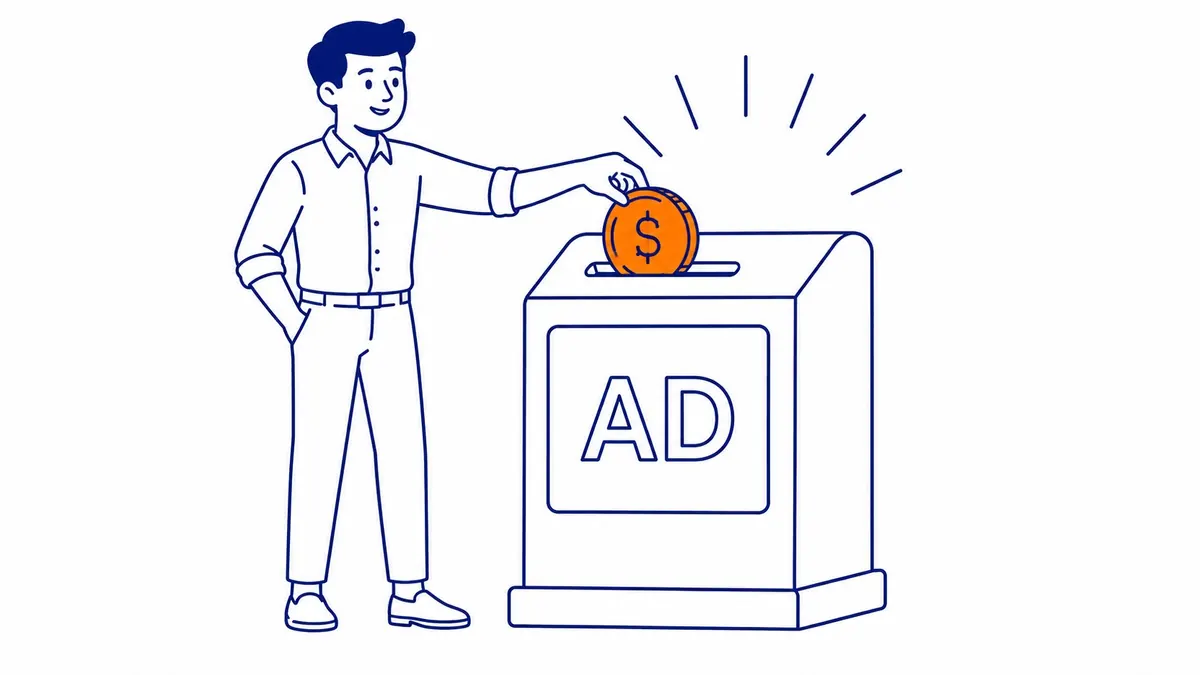
Where SEO sits among paid, owned, earned and shared media
Marketers sort channels by who controls the space a message appears in. Paid media is space you rent from a publisher or platform, owned media is space you control, and earned media is attention other people choose to give you. Gini Dietrich’s PESO model adds a fourth, shared media, for social platforms where your posts sit on someone else’s network. The categories describe the transaction behind the visibility rather than the channel itself, which is why one search results page can hold all of them at once.
| Media type | Who controls the space | Examples |
|---|---|---|
| Paid | A seller, who invoices you for it | Google Ads text ads, Shopping ads, Local Services Ads, sponsored articles bought on other sites |
| Owned | You | Your website, its pages, blog posts and images |
| Earned | Someone else, by their own choice | Organic rankings, map pack positions, links from other sites, reviews |
| Shared | A platform, with your posts on it | Social media posts and replies |
SEO touches two of these rows. In the PESO framework, the pages you optimize are owned media, and the positions they win are earned media. Nothing in SEO sits in the paid row, which is the cleanest way to see the answer to the question. The confusion often comes from the term search engine marketing, which some people use for SEO and paid search together and others use for paid search alone. If that distinction is what brought you here, the page on the difference between SEO and SEM covers it in more detail.

Why nobody can buy an organic position
The reason SEO is not paid media is simple: there is no seller. Google offers advertisers clearly labelled ad sections, and its How Search Works pages say that, because it only sells ad space, no one can buy better placement in the organic results. The same applies to the local map pack that matters so much to Calgary service businesses. Google’s Business Profile Help is blunt about it: “There’s no way to request or pay for a better local ranking on Google.” Local results, it says, are mainly based on relevance, distance and popularity.
This is not an accident of policy that a large enough budget could change. One way to see why is that ads on a results page are worth paying for largely because they sit next to results people believe were not bought. If the organic positions were for sale, every result would become an ad without a label, and the page would lose the trust that makes advertising on it valuable. Keeping the unpaid half unpaid arguably protects the value of the paid half.
There is a practical benefit in this for a small business. A competitor with a much larger budget can outbid you for the ad positions every day, but no budget buys the organic position directly. Money still matters, because it pays for more and better SEO work, yet the position itself has to be earned by the page. Google’s own advice on hiring an SEO makes the same point from the other side: “No one can guarantee a #1 ranking on Google.”
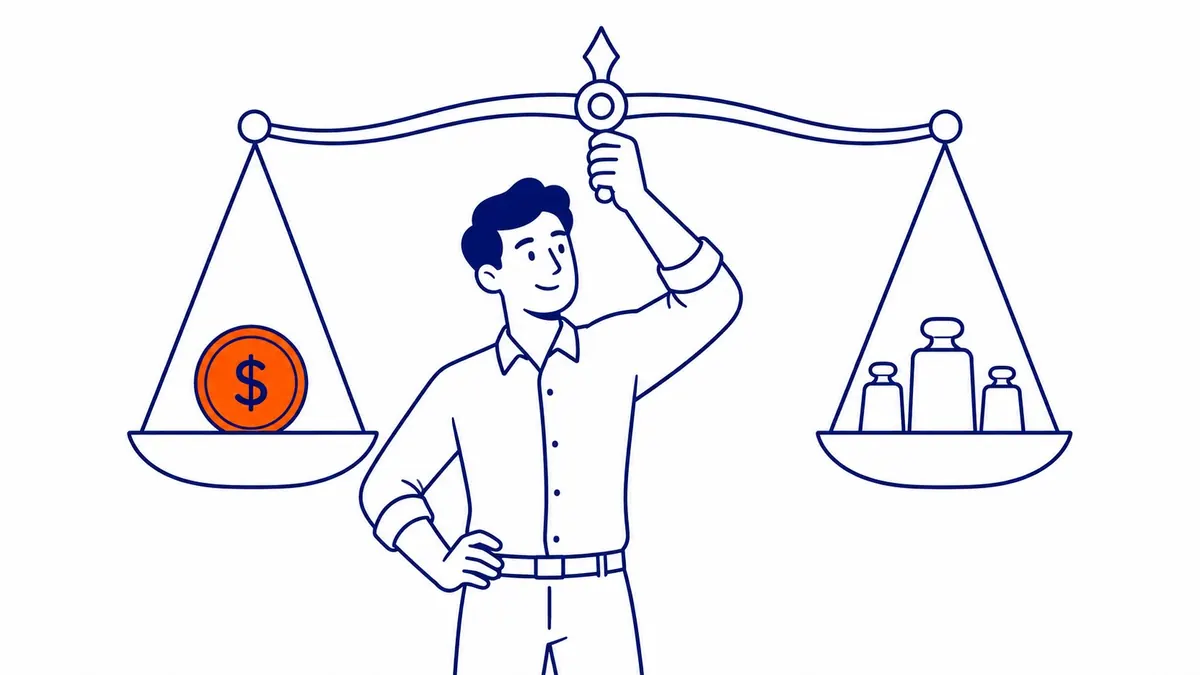
What your money buys when you pay for SEO
If SEO is not paid media, a fair follow-up is what the invoice from an SEO provider is for. It pays for work: researching the searches your customers make, fixing technical problems that stop Google from crawling or understanding the site, writing and improving pages, building your Google Business Profile, and earning links and mentions from other sites. The on-site part of that work stays on your website after the contract ends, and the profiles stay in your name if they were set up that way, although rankings, links and reviews remain decisions other people make. A media buy works the other way, since the ad space returns to the seller as soon as the campaign stops.
That difference changes how to judge the spend. An SEO fee is closer to paying a contractor to improve a building you own than to renting a billboard, because the value is in what gets built and how it performs over time. It also means SEO can be done without paying anyone, if you have the time and skill, while paid media always involves paying the platform. For a Calgary business weighing outside help, the useful questions are what work will be done each month and how progress will be reported, which is how search engine optimization should be scoped in any proposal.

Where money and SEO do meet
There are a few places where paying and organic search do overlap, and they are worth knowing because they are where SEO advice most often goes wrong. The first is paid links. A link you pay for, whether it is a sponsored article on a news site or a listing bought on a blog, is paid media rather than SEO. Google’s spam policies list “buying or selling links for ranking purposes” as link spam, and Google says paid links are acceptable only when they carry a rel=”sponsored” or rel=”nofollow” attribute, which tells Google the link is paid so that it is generally not counted as a ranking endorsement. A sponsored article can still be worth buying for the readers it reaches, but it should be judged as advertising.
The second is the set of free Google placements that people sometimes assume are paid. A Google Business Profile is free to create and manage, and it is what appears in the map pack. Retailers can also show products at no cost through Merchant Center free listings, which Google describes as generating organic traffic across Search, Shopping and Maps alongside any paid campaigns. Neither requires a Google Ads account, and both are closer to SEO work than to advertising.
The third is the phrase itself. Some agencies sell “paid SEO” packages, and some businesses use the term for Google Ads, which adds to the confusion. If you have seen it in a proposal, it helps to read what people usually mean by paid SEO before signing anything.

SEO and paid media side by side
The two channels often appear on the same page for the same search, so it helps to compare them on the points that affect a budget.
| SEO | Paid search media (Google Ads) | |
|---|---|---|
| Media type | Owned (your site) and earned (rankings, links) | Paid |
| Who you pay | Whoever does the work, or nobody if you do it yourself | Google for clicks or other ad interactions, plus a manager if you hire one |
| Can you buy the position? | No | You bid for ad positions in an auction |
| When visibility starts | After Google crawls, indexes and ranks the improved pages, which usually takes months | Once the ads are approved and eligible to serve, subject to budget, bids and targeting |
| When it stops | Rankings can slip over time but do not switch off with a payment | When the budget or the campaign stops |
| How it is labelled | As an ordinary result | As an ad |
Neither column is better in general. Paid media suits a business that needs enquiries soon, a seasonal offer, or a test of which services people actually search for. SEO suits a business that can wait for results and wants visibility that does not depend on a daily budget. For a fuller look at the trade-offs, including cost and timing, see whether Google Ads or SEO should come first.

How to budget for both
Because SEO and paid media are different kinds of spending, they are easier to manage as separate lines in a marketing budget. Put the ad spend under media, where it can be measured against the enquiries it brings in each month, and put SEO under services or development, where it is judged on what the work builds and how rankings and organic traffic move over a longer period. Mixing them in one line usually leads to SEO being judged on an advertising clock, which makes it look like a failure before it has had time to work.
Many local businesses run both. A common pattern is to use paid search to cover the months while SEO work is taking effect, then adjust the ad budget as organic visibility grows for the searches that matter most. With conversion tracking in place, the search terms report also shows many of the searches that led to enquiries, which in turn helps decide where SEO effort should go. If you want help with the paid side, a managed Google Ads campaign can be set up to report on the same leads your SEO is aiming at.

Getting the classification right
The short version is that SEO is owned and earned media, while Google Ads and other ad placements are paid media, and the line between them is whether someone sells the space. Keeping that straight helps with budgeting, with reading agency proposals, and with spotting offers that promise to sell something Google says cannot be bought.
SEO Company To-The-TOP! has worked on SEO and Google Ads for Calgary businesses since 2007, with one expert doing all client work and White Hat methods only. If you are deciding how to split a budget between the two, a conversation about your site and your market is a sensible place to start: call (403) 308-5949.

Contact Calgary SEO Company To-The-TOP!
Questions about anything in this article, or about your own rankings? Talk to a Calgary SEO specialist directly.
Phone: (403) 308-5949
Address: 1509 14 Ave SW, Calgary, AB T3C 0W4
Hours:
Monday to Friday: 10:00 am – 7:00 pm
Saturday: 12:00 pm – 4:00 pm
Sunday: closed