
What Are Sitelinks in Google Ads?
We have added sitelinks to accounts where the main ad was already converting, and watched the CTR climb. Not every campaign. But consistently enough that they go into every Search campaign we set up now.
Worth understanding regardless of whether you are new to paid search or already running campaigns.
Here is what they are, how they work, and how to use them.
What Sitelinks Look Like
Small links below your main ad.
These appear below your headline and description text in the search results. Short linked phrases, each pointing to a different page on your website. Users see them on both desktop and mobile. The layout also shifts by device.
On desktop, four to six often appear in a row. Mobile typically shows two. Ad Rank controls how many show and when. Top-of-page positioning is required for them to display at all. The text itself stays fixed, which rules out keyword insertion in sitelink text. Do callout extensions follow the same rules, or is that a different set entirely?
How They Work in Paid Search
Assets now. Not extensions.

Google renamed sitelink extensions to sitelink assets a few years back. Still, the mechanic stayed the same. You write short link text. Then point it at a specific URL. Attach to a campaign or ad group.
Each sitelink needs a final URL and link text. Descriptions are optional. Two description lines sit below the link. 35 characters each. Adding descriptions also tends to improve performance. 25 characters is the limit for link text in most languages.
Ad Rank determines when they appear. High Ad Rank is the entry point. Relevance to the specific search query drives which ones show on a given impression.
Manual vs Dynamic
Two types. One you control.
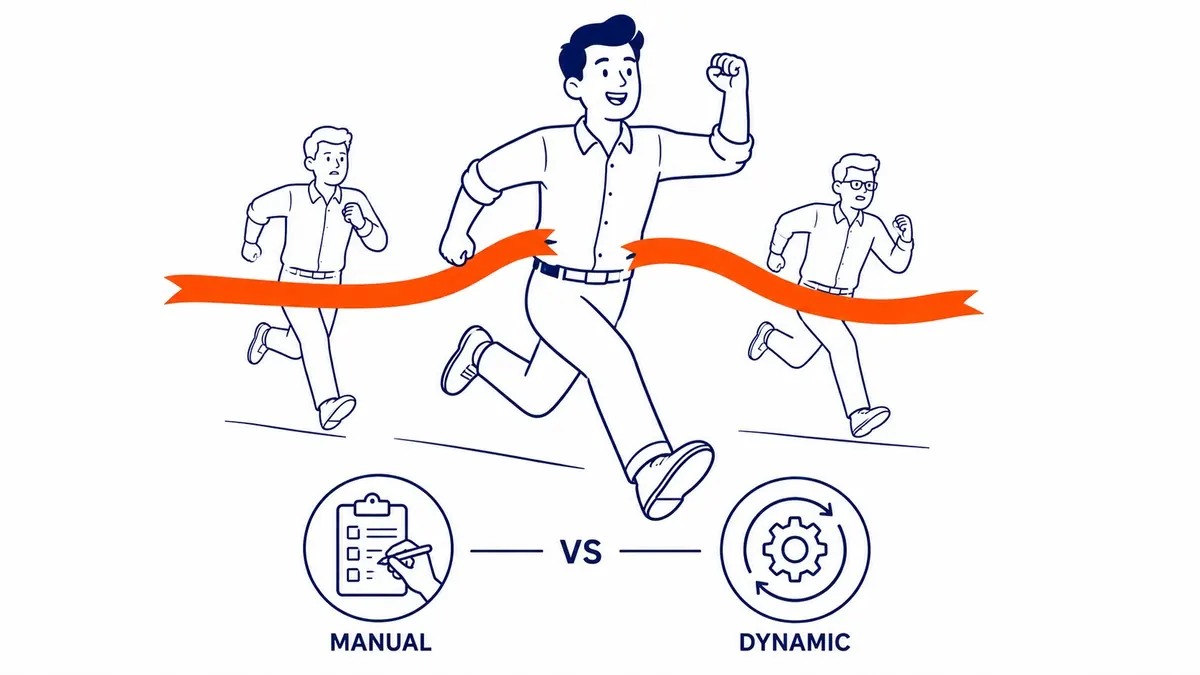
Manual ones come from you. Pick the link text. Choose the destination URL. Whether to add descriptions is optional. They display when your ad qualifies for top positions and the links are relevant to the query.
Google generates these automatically in the dynamic version. Content on your website is the source. They appear when your manual ones are not eligible, or when Google decides its version is more relevant.
Stick with the manual type, though. You know which pages on your website convert. The dynamic version pulls from wherever the platform decides. That is not always where you want users landing, however.
How Many Can You Add?
Up to 20 per campaign.

20 sitelink assets per campaign is the limit. At the ad group level, they apply only to that group. Account-level sitelinks apply everywhere unless overridden at a lower level.
4 to 6 additional links is also a practical minimum for most active accounts. Fewer already limits the platform’s ability to match well to a specific search query.
Between 2 and 8 show per impression. More assets means more options. Better matching to specific search intent follows. Sitelinks are one slot in the full extension lineup in Google Ads.
What They Do for Your CTR
More space on the page. More entry points.

Sitelinks expand your ad’s footprint on the search results page. That extra space pushes competing ads further down. Click-through rates tend to rise because users have more options to match specific intent.
Users with a clear need often skip the main headline. They click the link that matches their search directly. That click still costs the same as a click on the main ad. No premium. Your CPC stays the same. You get more entry points without paying more per click.
Writing Links That Get Clicked
Specificity is what performs.

Vague additional links do not pull clicks. Learn More is not a sitelink worth running. It tells users nothing.
Links that work point at specific pages. Service pages. Pricing pages. Contact form. Current promotions. Product categories. Match each one to a different buyer intent. The same way thorough SEO keyword research maps content to search intent, they should map pages to buyer stage.
Point every link at a different URL. Duplicate destinations waste space. They may also get rejected or simply not show.
Descriptions should each carry a standalone reason to click. Two tight lines. No filler.
Adding Sitelinks to Your Account
Inside Assets. Five minutes.

In your Google Ads account, navigate to Assets. Select Sitelinks. Write the link text. Enter the final URL. Optionally fill in the description lines. Save. Then attach at the account, campaign, or ad group level depending on where you want them to apply.
Account-level ones apply everywhere unless something more specific overrides them. That approach is the most common for advertisers running several at once.
Check performance every month. Note which ones generate impressions. Click data shows where the action is. Anything with a meaningful sample and zero CTR should be paused. Rotate in new options instead.
The kind of Google Ads management Calgary advertisers expect also includes sitelink review in every monthly reporting cycle. Not just at setup. To-The-TOP! has been running paid search campaigns for Calgary businesses since 2007. These are part of what we check every reporting cycle.
Paid and organic work better together when the destination pages are solid. Organic rankings built by an SEO agency Calgary firms trust compound with paid search that way. Thorough SEO auditing can also surface whether the pages your sitelinks point to are helping or hurting ad performance.
Sitelinks FAQ
Questions come up on these.
What is a sitelink in Google Ads examples?
These are simply the short additional links below your main Google Ads text. A plumbing company might show links for Emergency Service. Water Heater Repair. Drain Cleaning. Request a Quote. Each one points at a different page on the site. A different buyer type per link. The main ad catches the broad search. Specific links pull in users who already know what they want.

How many sitelinks can you have in Google Ads?
20 sitelink assets per campaign. Google shows 2 to 8 per impression depending on the device and Ad Rank. Mobile typically shows 2. Desktop at a top position usually shows 4 to 6. More sitelink assets give Google more flexibility to match the right ones to each specific search.
Do They Cost Extra?
No extra charge. A click costs the same as a click on the main headline. Adding them does not change your CPC or your budget. You pay on the click only. Impressions are free.
Can I Use Them on Any Campaign Type?
Sitelinks work on Search campaigns. Performance Max and video campaigns support them too. Search is where they get the most use. These apply wherever the campaign type supports them.
Contact Calgary SEO Company To-The-TOP!
Questions about anything in this article, or about your own rankings? Talk to a Calgary SEO specialist directly.
Phone: (403) 308-5949
Address: 1509 14 Ave SW, Calgary, AB T3C 0W4
Hours:
Monday to Friday: 10:00 am – 7:00 pm
Saturday: 12:00 pm – 4:00 pm
Sunday: closed