What Is Anchor Text in SEO?
Most people writing content think about what the page says. Not about what links TO the page say. That gap is where a lot of SEO value quietly gets wasted.
Clickable text in a hyperlink. It is anchor text. Search engines also read it when following a link and use it to understand what the destination covers. “Keyword research” pointing to a keyword research page tells Google something useful. “Click here” pointing to the same page tells it nothing, though both still pass authority.

Types of Anchor Text
Six types appear across most sites. Not all carry the same signal weight.
Exact match anchor text uses the exact keyword the page targets. “Calgary SEO” pointing to a Calgary SEO page. Strong topical signal. Still a risk when external sites use it too heavily.
Partial match anchor text includes the keyword alongside surrounding words. “A helpful guide to SEO for small businesses.” More natural. Also less likely to draw penalties from over-optimised external profiles.
Branded anchor text is the company name as the link label. “To-The-TOP!” pointing anywhere on the site. Safe. Also the most common type found in any healthy backlink profile.
Generic anchor text is “click here” or “read more.” Zero topical signal. Not worth building a profile on, though it appears in almost every natural backlink set.
Naked URL links are the web address itself as visible text. Low topical signal but still counts in a varied external link profile.
Image links work differently. No visible text exists. The image alt attribute becomes the anchor text instead. Worth auditing on image-heavy pages. Internal anchors fall under what counts as page SEO, so they are yours to control. Anchor text sits inside what counts as off page SEO once the links come from other sites.

Why It Matters for Rankings
Every link that points to a page carries two things. PageRank, the authority measure. And the link label, which tells search engines what that destination covers.
Search engines read those link labels and build a picture of what the destination covers. A page collecting links with the anchor “Calgary SEO” also collects a topical signal around that term. That signal feeds into rankings.
2012 changed how Google acted on manipulated anchor text profiles. The Penguin algorithm targeted sites where exact match anchor text made up an outsized share of inbound links. Sites with 80% exact match external anchors lost rankings. Some still have not recovered.
So today a natural anchor text mix matters more than stacking one keyword-focused signal. Branded anchors. Partial match phrases. Generic text. All present in the profile, none dominating. Anchor text is one input; the ranking value of backlinks depends on the source too.

Anchor Text and Internal Links
You have full control over internal links. Most sites still waste the link signal.
“Click here to see our services” sends no topical signal about what the services page covers. “SEO services Calgary” pointing to the same page sends a clear one. The ranking difference between the two anchor choices is real over time.
For Calgary SEO clients, To-The-TOP! runs a full internal anchor text audit as part of the link building work. The “Calgary SEO” label maps to the homepage. Anchors like “keyword research” link to the keyword research page. Intentional linking instead of default linking.
One thing worth watching. Do not stack every internal link with identical keyword anchors. Vary them. “SEO services” in one spot. “Search engine optimisation” in another. The variation also signals a broader topical range across the site.
External Links and Backlink Profiles
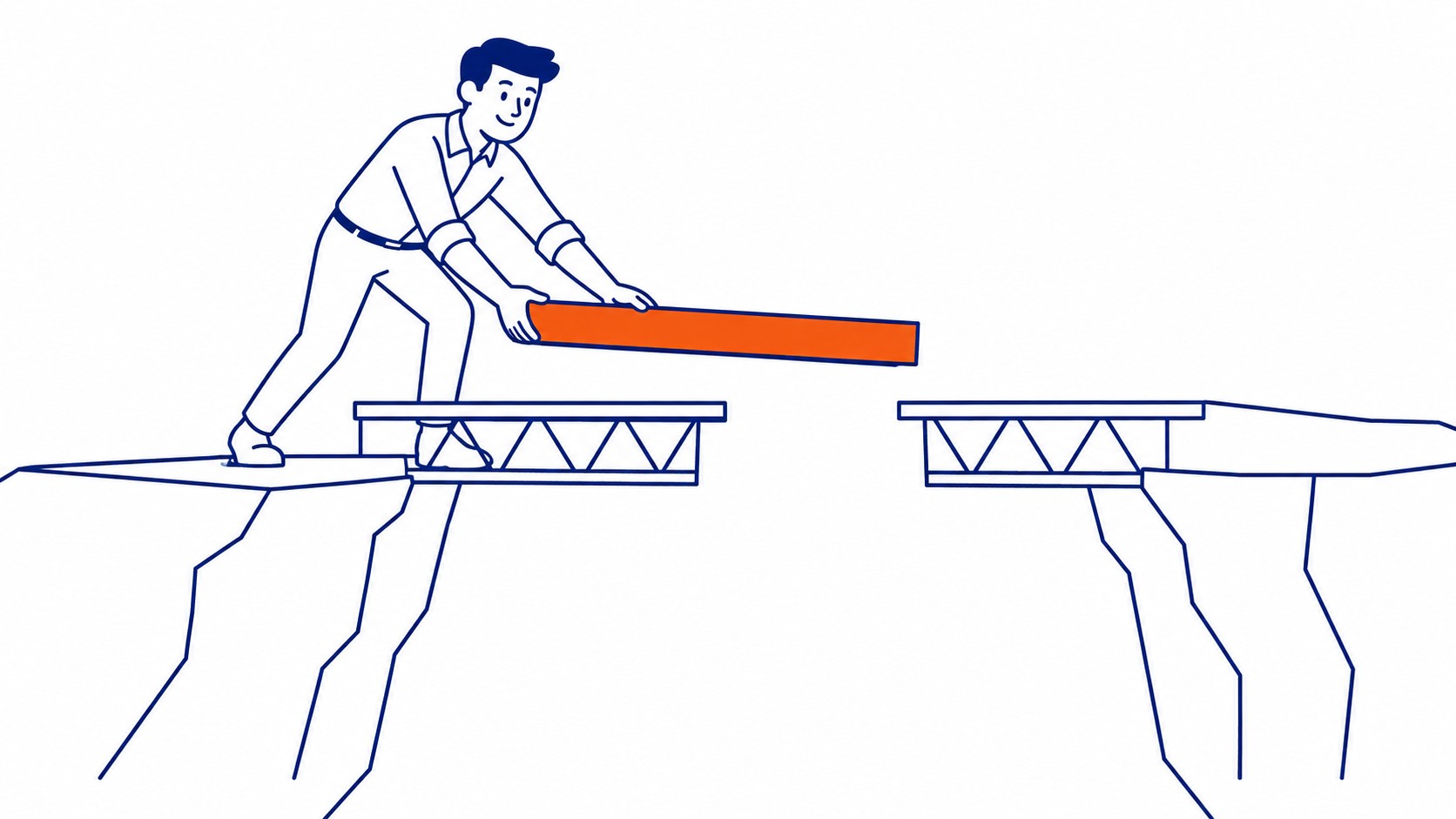
Third-party sites choose their own link labels. So you do not control the external link profile directly.
What you can influence is which pages earn links and how outreach is conducted. Guest post placements can sometimes negotiate the anchor. Directories assign their own labels. PR placements vary. The resulting profile is partly planned and mostly organic.
A healthy external anchor text mix is not one thing. Branded anchors form the bulk of it. Partial match phrases also appear regularly. Exact match anchor text exists but infrequently. Generic anchors and naked URLs round out the profile.
A profile where 60% of anchors are exact match raises flags. So does one that is 100% branded, though that is a less common issue. Natural link building produces variety. That variety is also what search engines expect to see.

Common Mistakes
The same anchor text patterns still show up on client sites.
Generic anchor text on every internal link. A site has a strong link building page. Every internal link to it just says ‘more information’. No topical context. The page ranks for nothing connected to what it covers.
No strategy at all. Links added whenever content is published. No record of what points where. Random instead of intentional.
Bought link placements, over-optimised and obvious. The short-term gain is not worth the Penguin exposure, though it still draws some site owners in.
Image alt text ignored on linked images. Each linked image without alt text is a link passing no anchor signal at all.
Frequently Asked Questions
What is anchor text in SEO?
Clickable text inside a hyperlink. Search engines also read it to understand what the linked page covers. Descriptive text that names the topic of the destination page carries a useful signal. Generic text like “click here” carries none.
Does anchor text still matter for SEO?
Still matters. It remains a ranking signal. The weight has shifted since Penguin. A single keyword-specific anchor from one site no longer drives rankings the way it once did. Natural and varied profiles still do.
What type of anchor text is best to use?
Descriptive text for internal links. Name what the page covers. External links need variety. Branded anchors most of the time. Partial match and generic anchors also present. Keyword anchors occasionally but not dominating.
How do I check my anchor text profile?
Ahrefs and Semrush both report on anchor text distribution across a domain. For internal links only, Google Search Console is the tool to check. Calgary SEO services reviews at To-The-TOP! include an anchor text audit as part of the link profile analysis. A Google Ads management account often runs in parallel while the organic anchor text profile is being built out.
Contact Calgary SEO Company To-The-TOP!
Questions about anything in this article, or about your own rankings? Talk to a Calgary SEO specialist directly.
Phone: (403) 308-5949
Address: 1509 14 Ave SW, Calgary, AB T3C 0W4
Hours:
Monday to Friday: 10:00 am – 7:00 pm
Saturday: 12:00 pm – 4:00 pm
Sunday: closed
