What Is Keyword Intent?
Type a query and the real reason behind it stays hidden in the box. Keyword intent, often called search intent, is that reason. Someone searching “what is keyword intent” wants an answer right now. Type “keyword intent tool pricing” instead and the goal flips straight to buying software. Same topic, opposite goals. Get that wrong on a page and traffic bounces within seconds. Calgary SEO clients see it happen often. The content just answered a question nobody asked.
Google reads intent from the query itself. Ranking a product page against an informational search, or a blog post against a buyer ready to check out, rarely works. A client came to SEO Company To-The-TOP! last year. A service page was ranking on page four for a term getting real volume. The page was well written. It just answered the wrong question. Swapping it for a comparison-style piece, matched to what the SERP was actually rewarding, moved it to page one in six weeks.
Why Keyword Intent Decides Whether a Page Ranks
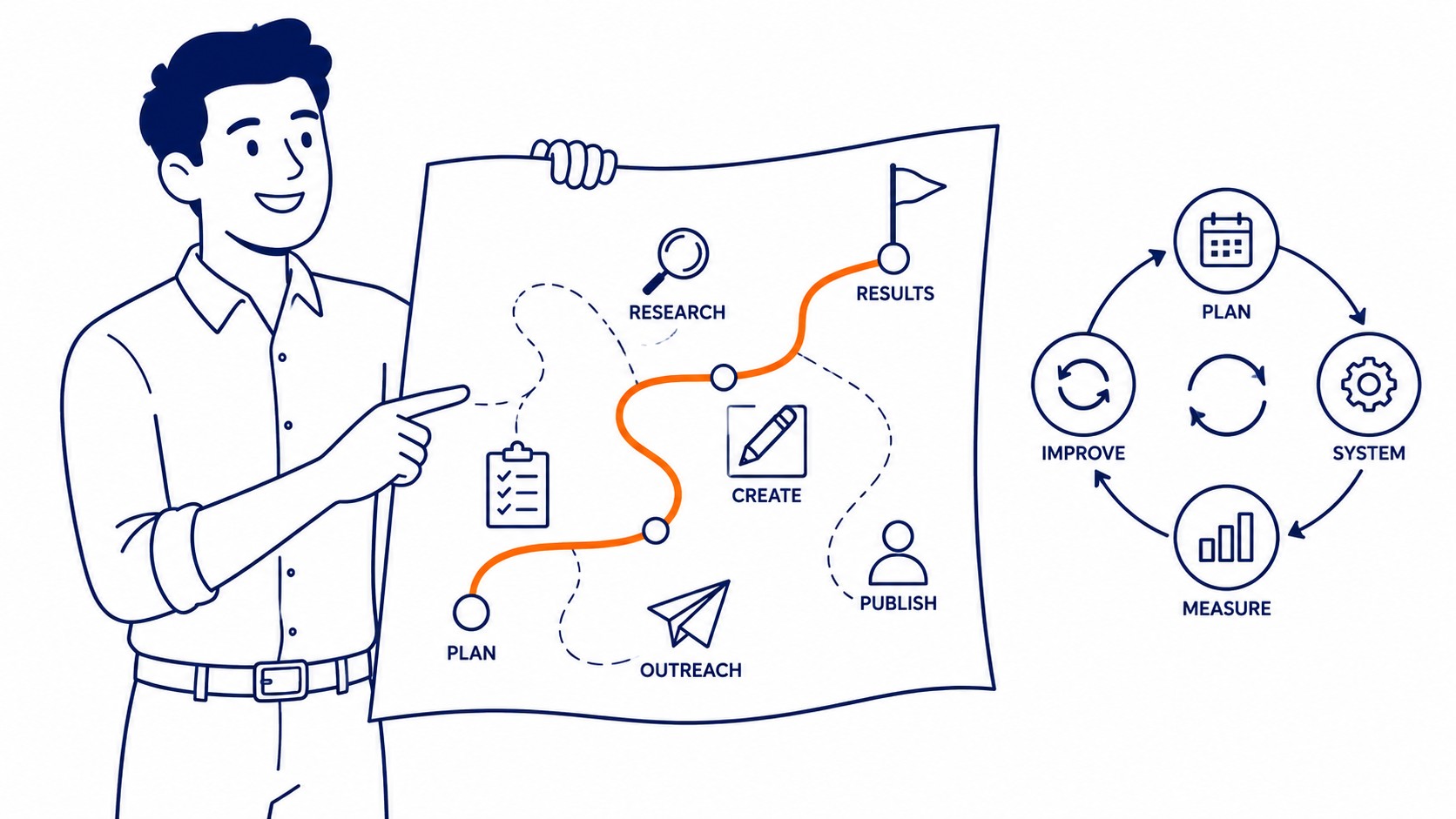
Google reads every search and guesses what the searcher actually wants. That guess is search intent. Look at the top ten for any term. Mostly blog posts and guides? That’s informational intent. Mostly product or service pages? Transactional. Mix of comparison articles and review roundups? Commercial. A single homepage or login page dominating the results? That’s navigational, plain and simple. The SERP tells the story before any tool does.
A page fighting its own SERP loses no matter how strong the writing is. Ranking well means matching format as much as topic. A “10 best” listicle competing against single-product pages is fighting the wrong battle. Restructure the page to match what’s already winning, and the climb gets a lot shorter. Intent is also how the SEO funnel gets built, one stage at a time. Intent belongs in your keyword targeting decisions long before the page gets written.

The Four Main Types of Keyword Intent
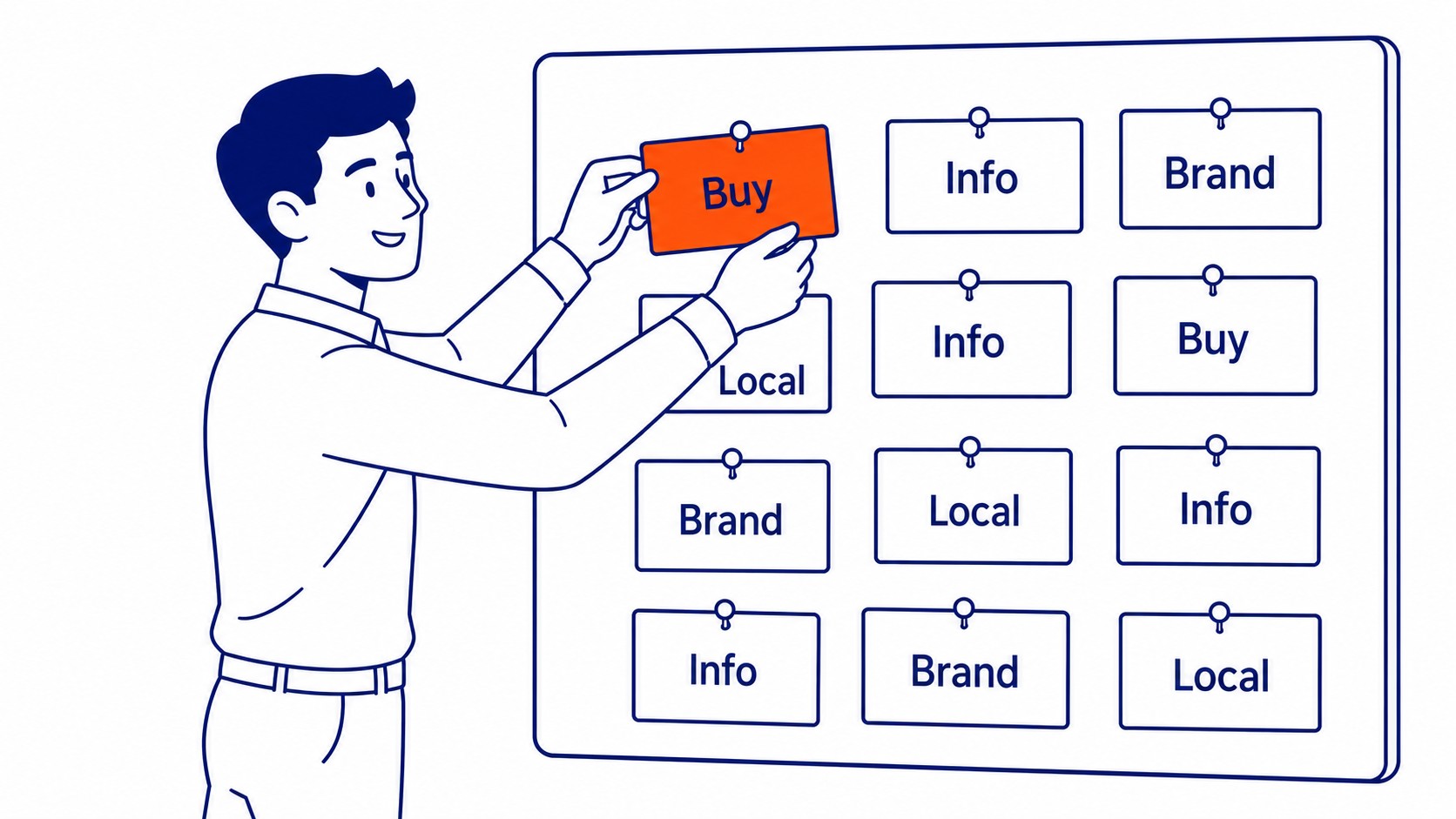
Four buckets cover almost everything a search box sees. Overlap happens. Most searches still sort cleanly.
Informational Intent
Someone wants to learn. “What is keyword intent” fits here. So does “how to fix a slow WordPress site.” Question words give it away. What, how, why, when. Answer directly. Skip the padding. A clear, well-organized guide earns trust that pays off later, even though nobody’s buying anything on this visit.
Roughly 80 percent of all searches fall into this bucket, by most industry estimates. That’s most of a company’s keyword research right there, sitting in the informational column, waiting to be answered properly.

Navigational Intent
The searcher already knows where they’re going. “Facebook login.” “To-The-TOP! Calgary.” Brand names dominate a navigational search. Low buyer intent on its own. Still worth owning, because losing a navigational search to a competitor’s ad is an easy, avoidable loss.

Commercial Intent
Comparison shopping lives here. “Best CRM for small business.” “Ahrefs vs Semrush.” The searcher hasn’t decided yet. They want a straight breakdown, not a sales pitch dressed up as a review. Comparison tables convert this traffic. Pros-and-cons lists do too, along with real usage notes. A glossy features page rarely pulls its weight here.

Transactional Intent
Ready to act. “Buy,” “sign up,” “get a quote,” “near me.” A landing page, a clear call to action, minimal friction between click and conversion. This is where a Google Ads campaign and organic content should point at the exact same page. A mismatched landing page burns budget on both channels at once. Intent sits one layer above what a keyword means, and both need to line up.

Mixed and Local Intent
Not every keyword sorts cleanly. “Project management software” pulls both informational and commercial searchers into the same SERP. Google often blends result types on queries like this, running buying guides next to product pages next to comparison articles. One page can serve both, if it opens with a real answer and closes with a genuine option to buy.
Local search runs on its own rules entirely. “Plumber near me” triggers the map pack before it triggers a single organic listing. A Google Business Profile carries more weight here than any blog post could. Ignoring that fact means leaving the easiest win on the table.

How to Check Keyword Intent Before Writing a Word
Search the term. Open an incognito window first, since personalization skews results. Read the top ten. Note the format. Blog posts, product pages, comparison articles, local packs. Whichever shows up most often is the format Google has already decided works.
Keyword research tools now label intent directly next to search volume. Useful for scanning a long list fast. Still worth a manual SERP check before committing real writing time to a page, because tools guess and the SERP doesn’t.
A website audit at To-The-TOP! usually turns up a handful of pages fighting the wrong intent entirely. Blog posts trying to rank against product pages. Service pages competing against how-to guides. Matching format to intent has moved rankings more than a full content rewrite, in more than one case. The writing quality never changed.
Frequently Asked Questions
Is keyword intent the same thing as search intent?
Yes, mostly. One term usually describes the research-stage filter, and the other describes what Google actually shows once a search runs. The practical meaning overlaps enough that people use them interchangeably almost everywhere.
Can one keyword have more than one intent?
It can. Broad, ambiguous terms often carry mixed signals. Check the SERP directly instead of guessing, since Google’s blend of result types is the clearest evidence available.
Does keyword intent affect Google Ads too?
It does. A transactional keyword sends ad traffic to a landing page built to convert. An informational keyword sent to that same landing page usually just wastes the click and the budget behind it.
How long does it take to fix intent mismatches on an existing site?
Weeks, typically, once the mismatched pages are identified. Rankings can shift within a month or two after restructuring, though competitive terms take longer. It is never an overnight fix.
What tools show keyword intent?
Most keyword research platforms label it automatically now. None of them replace an actual look at the live SERP, which is still the most reliable signal available.
Contact Calgary SEO Company To-The-TOP!
Questions about anything in this article, or about your own rankings? Talk to a Calgary SEO specialist directly.
Phone: (403) 308-5949
Address: 1509 14 Ave SW, Calgary, AB T3C 0W4
Hours:
Monday to Friday: 10:00 am – 7:00 pm
Saturday: 12:00 pm – 4:00 pm
Sunday: closed
