
What Is On-Page SEO and Off-Page SEO? The Difference Explained
On-page SEO is yours to control. Off-page is what other people do, on other sites, that affects yours. Different jobs. Separate tools. The order matters more than most SEO advice acknowledges.
That split also determines where your time goes. Miss the sequence and you end up building backlinks to a page Google will not reward.
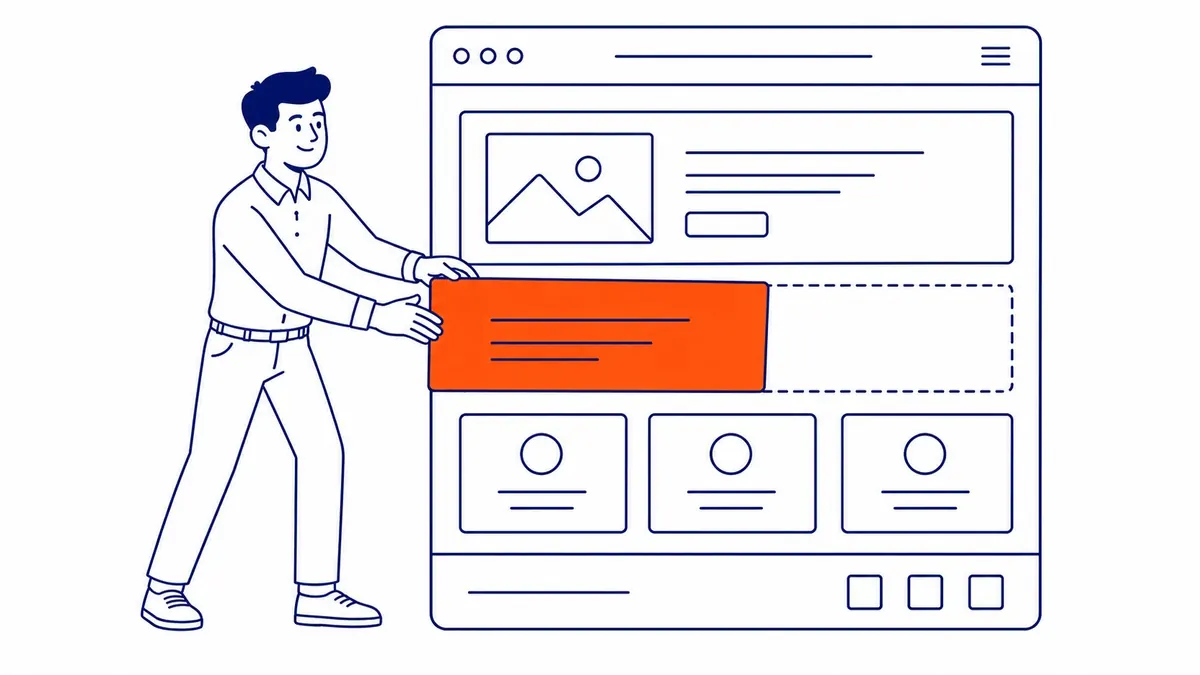
On-Page SEO: What It Covers
On-page tells Google what keyword phrases your page targets. But Google reads what you publish directly. Title tags carry those keyword signals. Headings map the structure. Opening paragraphs set the topic context. This is the half of SEO that requires no cooperation from anyone else.
The title tag is highest priority. Under 60 characters. Primary phrase goes first. That title appears in the search result. Click-through rate lives or dies on it before anyone ever reaches your page.
Just below the title sits the meta description. Around 105 characters. Not a direct ranking signal. But a weak one costs you clicks on positions you already earned.
Subheadings are not decoration. They carry structural signals about section coverage. One H1. Supporting H2s and H3s that reflect how readers scan. Google uses these to understand structure, not only to find phrases.
Internal links are often the most underused on-page lever. Every page should link outward to related content and receive links from at least a few other pages. Orphan pages do not rank. On a Calgary SEO engagement, one of the first checks is always how well-connected the site is internally.
Page speed and Core Web Vitals fall under on-page because you control them on your own server. Slow pages rank below equivalent fast ones. Not a soft guideline. Consistently documented. Speed is server work; the SEO title is a writing job, and both sit on the same page. On-page is one layer inside how to do SEO across a whole site. On-page is one slice of the 4 types of SEO, and the slice you fully control.
Off-Page SEO: What It Covers
What off-page decides is how high you rank for what you have on-page. Google checks outside your site to see if others vouch for you. Competitors doing equally good on-page work need an external tiebreaker. Off-page is that tiebreaker.
Backlinks are the primary signal. A link from an authoritative site passes domain authority to yours. Quality over volume. Ten relevant high-authority backlinks outperform a hundred directory links. Consistently. That holds across every competitive niche.
Google Business Profile is off-page for local rankings. Optimise your listing and maintain consistent NAP across all platforms. Those are external actions that directly affect map pack and local organic results. NAP stands for name, address, phone. Inconsistency between platforms suppresses local rankings by creating conflicting signals about the business.
Also, brand mentions matter even without a hyperlink. Google tracks references to your business name across the web. Earned coverage in media or industry publications contributes to the authority score Google assigns your domain. Worth pursuing. Still an off-page signal. Both sides show up in an SEO analysis walkthrough, weighed against each other.
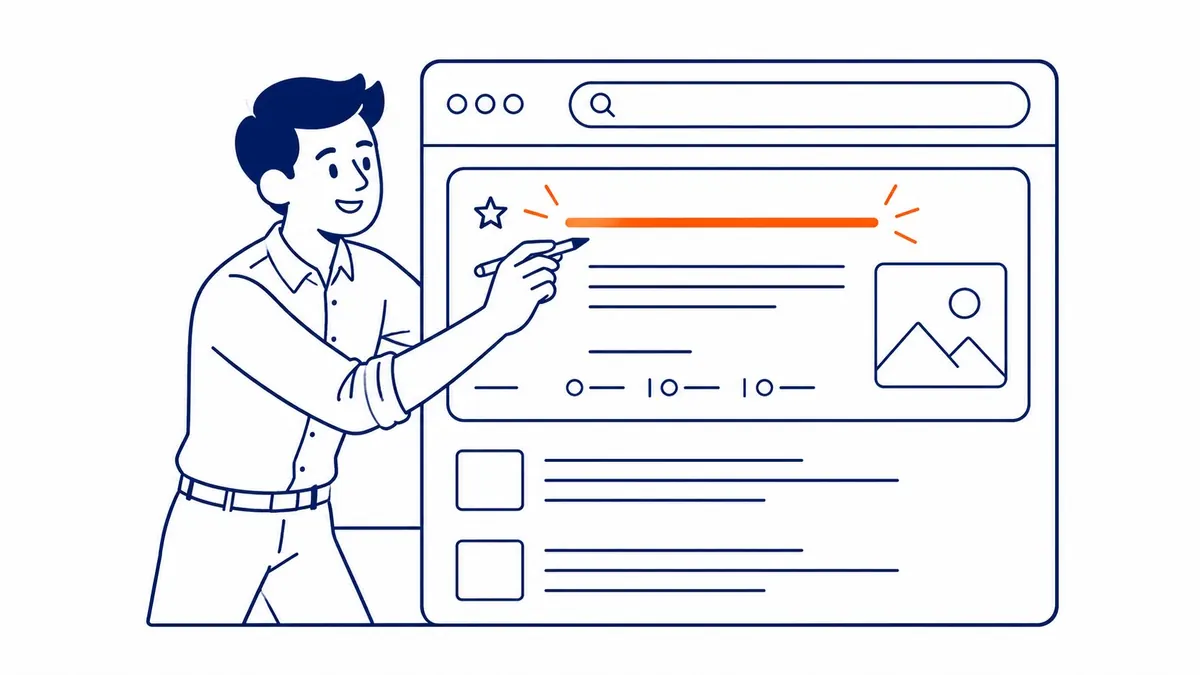
The Critical Difference: What You Control
Still, on-page is entirely under your control. Update a title tag today. Off-page requires earning cooperation from other websites and publishers. That takes time and sustained outreach. Neither, however, can fully substitute for the other. Complementary. Not interchangeable.
Google gets its signal for what you rank for from on-page. Off-page sets how high. So fix on-page first. Build off-page on top of a solid foundation. That is the correct sequencing.
Excellent backlinks on a weak page still land on page two for most competitive phrases. Strong on-page with no external authority shows Google you are relevant but not trusted. Both layers are required to clear competitive first-page results.
Technical SEO: Where Does It Fit?
Not a third category. Instead, technical SEO lives inside on-page. Crawlability is on-page. So is SSL and structured data. Mobile performance too. However, technical issues deserve separate attention because they can block ranking progress even when content optimisation is strong. A page Google cannot crawl will not rank regardless of quality.
Most small business sites do not have significant technical problems. However, larger sites with faceted navigation or duplicate content often see ranking lift from technical fixes alone.
Which to Prioritise First?
On-page first. Furthermore, off-page multiplies what is already there. Backlinks to a weak page return less than the same links pointing to a well-built one.
At To-The-TOP!, the search engine optimisation process starts on-page. Phrase mapping and title tag structure first. Internal link architecture follows. Off-page only begins once on-page is done. Not a preference. The results justify it.
For a deeper look at what SEO involves month by month, the SEO blog covers each layer in detail.
Frequently Asked Questions
What is the difference between on-page and off-page SEO?
On-page SEO covers what you control directly on your website. Title tags and headings are the core. Internal links complete the on-page structure. Off-page covers external signals like backlinks and brand mentions. On-page sets what you rank for. Off-page determines how high you rank against competitors with comparable on-page work. See Google Ads management if you want paid search running while organic authority builds.
Is technical SEO the same as on-page SEO?
Technical SEO is a subset of on-page. Both require changes made on your own infrastructure. Crawlability and indexing speed are the technical focus. On-page also includes content quality and phrase targeting. They overlap significantly, but technical issues often require developer involvement where content optimisation does not.
Can I rank without backlinks?
For low-competition queries, yes. Local informational phrases and long-tail terms with low-authority competitors can rank on strong on-page work alone. However, competitive phrases in established industries require off-page authority. Backlinks are the primary mechanism Google uses to separate equally well-optimised pages. Phrase competition determines how much off-page weight gets applied.
How long does off-page SEO take to show results?
Backlinks take three to six months to show ranking movement on average. New links need to be crawled and factored into Google’s calculations. High-authority links from established domains show impact faster. New domain directory links often move nothing at all. See keyword research for how phrase selection affects how long ranking takes for your specific targets.
Contact Calgary SEO Company To-The-TOP!
Questions about anything in this article, or about your own rankings? Talk to a Calgary SEO specialist directly.
Phone: (403) 308-5949
Address: 1509 14 Ave SW, Calgary, AB T3C 0W4
Hours:
Monday to Friday: 10:00 am – 7:00 pm
Saturday: 12:00 pm – 4:00 pm
Sunday: closed