What Is SEM and PPC? Breaking Down the Difference
A client asked last spring why his agency quote itemized SEM services separately from PPC management. As if they were two unrelated products. They aren’t. SEM and PPC get treated as competing acronyms constantly, and the confusion costs businesses money on the wrong line item. One is the umbrella. The other lives underneath it.
Search engine marketing covers every paid and organic tactic aimed at search visibility. Pay-per-click is one piece of that, the paid-ads slice specifically. Wrong assumptions get baked into the budget whenever the two get mixed up.
SEM and PPC Are Not the Same Thing
Spelled out, SEM means search engine marketing. Broad term. Covers both sides of the visibility coin. Organic rankings and paid ads together, under one label. Pay only when someone clicks. That’s the entire PPC model, pay-per-click spelled out. That model sits inside SEM. Never treated as an equal, separate category, regardless of how the quote gets itemized.
What SEM Actually Covers
Two engines drive SEM. Search engine optimization earns rankings without paying per click. Paid search buys placement instead, on Google, on Bing, wherever the target audience actually searches. A full SEM strategy runs both engines at once, not one or the other by default.
We build search engine optimization campaigns for Calgary clients who assumed SEM meant only paid ads. It doesn’t. Organic content. Technical fixes. Link-building. All of it counts as SEM work, even without a daily ad spend attached. That misunderstanding is common enough to want SEO SEM marketing explained side by side.
What PPC Actually Covers
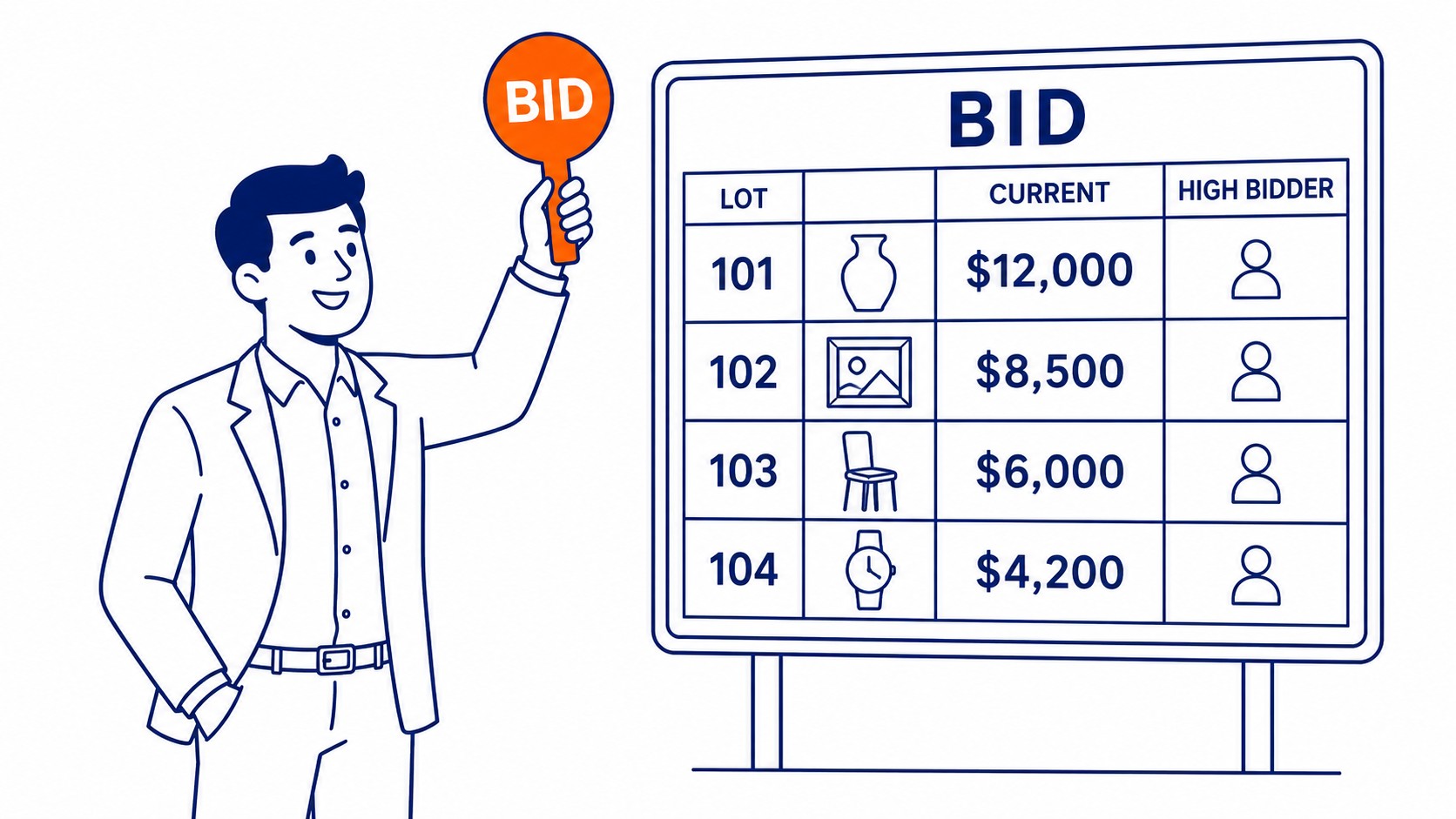
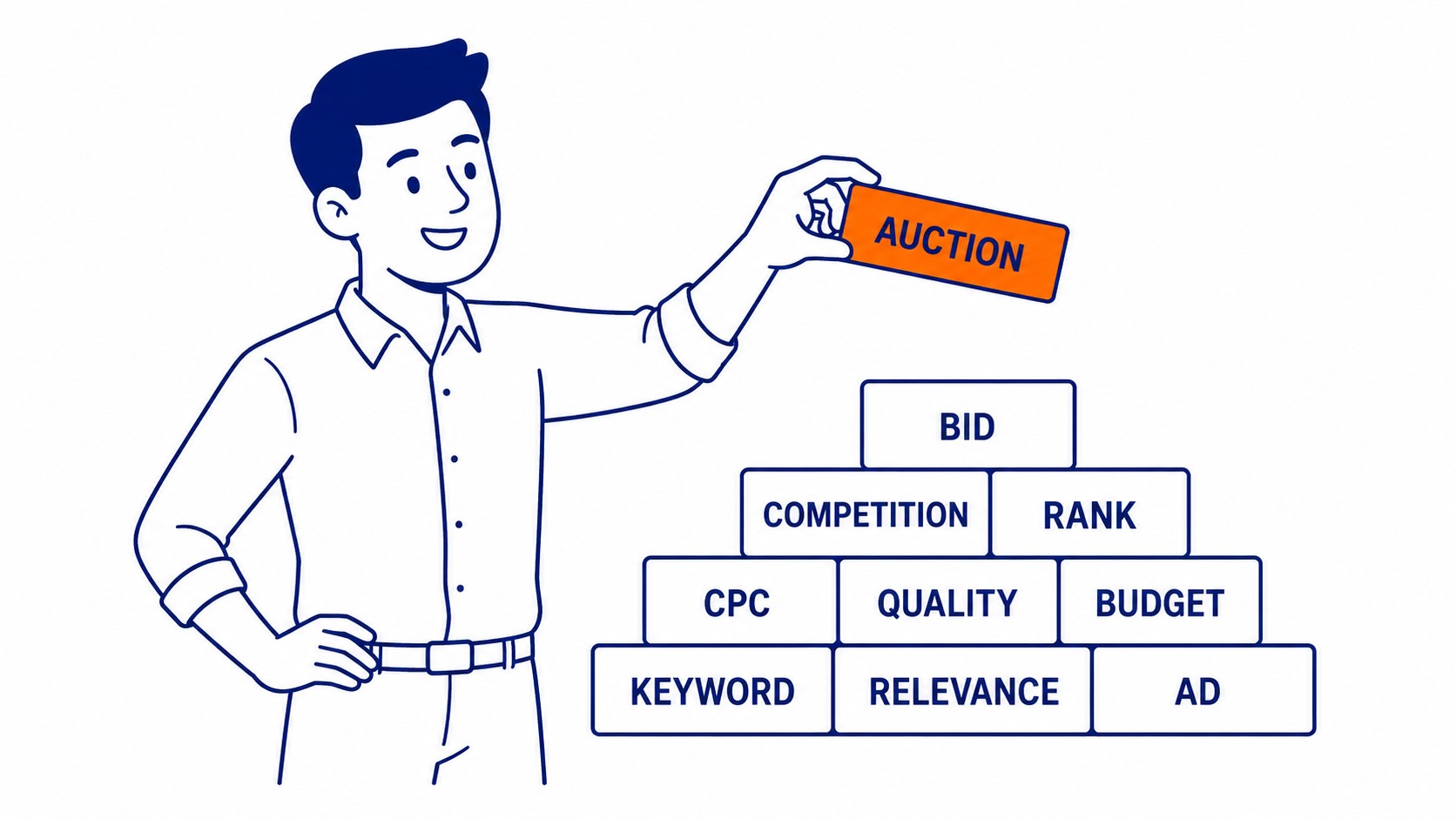
Pay-per-click runs on an auction. Advertisers bid on keywords. Google ranks the ads by bid amount and quality score together. The winning ad shows at the top of the results page. Click it, and the advertiser pays. Skip it, and nothing gets charged.
Say PPC in Calgary, and most businesses mean one platform specifically. Google Ads. Search ads. Display ads. Shopping ads. YouTube ads. One account runs all four. Our Google Ads management clients usually start with search campaigns first. Expansion follows once conversion data comes back clean. New advertisers usually want a definition of PPC before picking a campaign type. Sellers on marketplaces mean something else entirely, which is what Amazon PPC means in practice.
Where PPC Sits Inside SEM
Picture SEM as a two-lane road. Organic search sits in one lane, paid ads in the other. PPC is the paid lane, nothing more. A campaign running only Google Ads is still SEM. It’s just SEM missing half its available reach.
One Calgary retail client ran PPC exclusively for two years before adding organic work. Paid traffic converted well. It also stopped the moment the daily budget hit zero, every single evening. Adding SEO didn’t replace the PPC lane. It opened the second one running alongside it.
SEM vs PPC vs SEO: Where Each One Sits
SEO is the organic half of SEM. PPC is the paid half. SEM is the label covering both halves together, and that’s the entire hierarchy, no more layers hiding underneath it.
Confusing SEO with SEM causes the most damage. A business that hires an “SEM agency” expecting only organic rankings sometimes ends up paying for ad clicks they never asked for. Reading the contract line by line before signing solves this. Calgary SEO work and PPC management get billed differently almost everywhere. Knowing which one a proposal covers matters before any money moves.

Choosing PPC, SEO, or Both
Fast results favor PPC. A campaign can launch this week and generate clicks by Friday. SEO takes longer. Usually three to six months before rankings shift meaningfully. The traffic it earns keeps arriving after that, without a daily bill attached.
Most businesses we work with end up running both, staggered rather than simultaneous. PPC covers the gap while keyword research and content work build toward organic rankings. Ad spend usually gets trimmed rather than cut entirely, once organic traffic climbs. Few businesses walk away from PPC completely, even after SEO starts carrying real weight.
Cost and Timeline: Where the Two Diverge
PPC costs scale directly with clicks. More traffic, more spend, in a straight line that stops the second the budget runs dry. SEO costs scale differently. Mostly labor and time, rather than per-click fees. Traffic it generates keeps showing up after the invoice gets paid.
A website audit usually reveals which lane needs attention first. Some sites have technical gaps holding organic rankings back entirely, gaps no amount of PPC spend can fix. Others rank fine already and just need paid ads to capture demand faster than organic alone would. SEO Company To-The-TOP! runs that audit before recommending a split between the two.
Growth compounds differently depending on the lane. PPC growth stops on command. Organic growth keeps compounding quietly, monthly, long after the last blog post gets published.
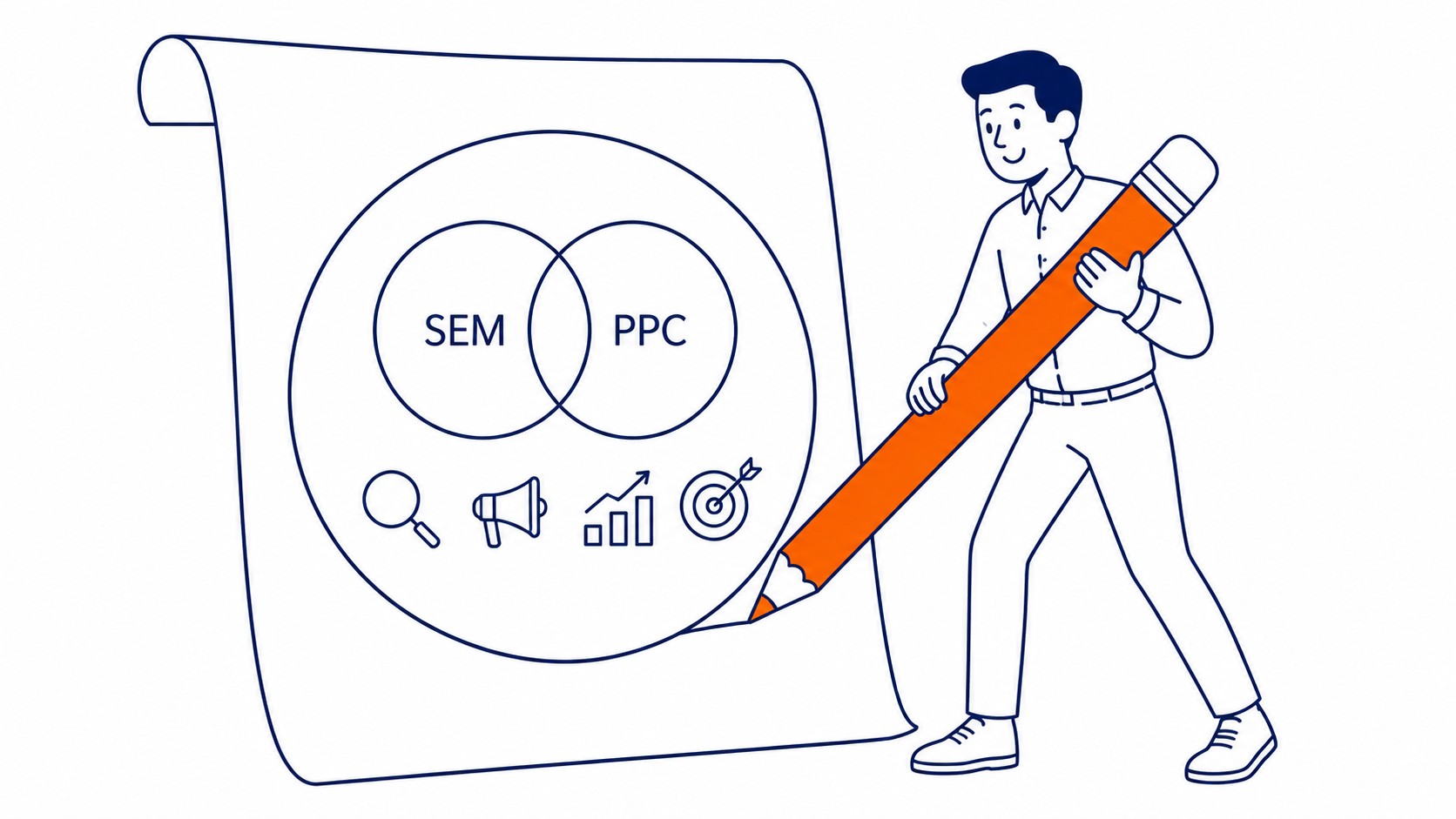
SEM and PPC Inside the Wider Digital Marketing Picture
Digital marketing is the bigger container holding both. Email campaigns. Social media. Content marketing. SEM. All separate channels under the same digital marketing roof, each pulling from its own share of the marketing budget. SEM handles the search side specifically, the piece tied to what someone types into Google.
Confusing “advertising” with “PPC” trips up a lot of business owners too. Advertising is the general category, billboards, radio spots, digital display ads, all of it. PPC is one advertising format, narrow and specific to search and display placements bought per click. Businesses running Facebook ads and Google Ads at once are running paid advertising broadly. PPC is only the search-and-display slice of that wider marketing plan.
Website performance ties both lanes together in ways owners rarely expect. A slow website tanks Quality Score on the PPC side, driving up cost per click. The same slow website suppresses organic rankings on the SEM side. Fixing site speed once improves both results at the same time, rather than requiring two separate projects.
Results measurement looks different depending on which lane gets checked. PPC results show up inside the ad platform itself, clicks, cost, conversions, all visible within days. SEM results as a whole take longer to read clearly. Organic movement blends into the same analytics dashboard the paid campaigns already use. One channel stops stealing credit for the other’s results, once reporting pulls the two apart.
Frequently Asked Questions
Is PPC part of SEM or a separate strategy?
Part of SEM. Paid-search half of the broader SEM umbrella, that’s the short version. It sits alongside SEO, never replacing it.
Does SEM always cost money?
Not always. SEM includes free organic tactics through SEO, plus paid PPC campaigns. A business can run SEM without spending a cent on ads, though most blend both eventually.
Can a small business run PPC without doing SEO?
Yes, technically. Traffic stops the moment the budget does, though, with nothing organic left standing behind it. Most small businesses pair the two once cash flow allows it.
SEM vs PPC, which one stops the moment the budget runs out?
PPC does. Ad traffic disappears within minutes of a paused campaign. SEM as a whole survives that pause, because the organic side keeps ranking regardless of ad spend.
Contact Calgary SEO Company To-The-TOP!
Questions about anything in this article, or about your own rankings? Talk to a Calgary SEO specialist directly.
Phone: (403) 308-5949
Address: 1509 14 Ave SW, Calgary, AB T3C 0W4
Hours:
Monday to Friday: 10:00 am – 7:00 pm
Saturday: 12:00 pm – 4:00 pm
Sunday: closed
