
What Is SEO and SMM?
SEO and SMM are two ways of bringing customers to a business online. SEO (search engine optimization) is the work of making a website easy for search engines to understand and easy for people to find when they search, which Google’s SEO Starter Guide describes as “helping search engines understand your content, and helping users find your site”. SMM (social media marketing) is promoting a business on social platforms such as Facebook, Instagram, LinkedIn, TikTok and YouTube, through regular posts, community activity and paid social ads. The simplest way to hold the difference is this: SEO meets people who are already looking for what you sell, while SMM puts your business in front of people who were not searching at all.
That one difference explains most of what follows, from how fast each one works to how you should measure it. This page covers both definitions, how they compare, whether social activity helps rankings, the acronyms that get mixed up with them, and how to tell which one deserves your attention first. If you are already past the definitions and only need help deciding which one to fund first, that question has its own guide.

What SEO covers
SEO is the set of improvements that help a site earn unpaid visits from search results. In practice it covers four kinds of work: technical fixes that let search engines crawl and index the pages, content that answers the questions people type, links and mentions from other sites, and, for a business that serves customers in person, a Google Business Profile that shows up in the map results. A Calgary roofer who wants to appear for “roof repair Calgary” is doing SEO when they write a clear page about roof repair, fix the slow mobile version of their site and keep their Business Profile accurate.
Nobody can buy an organic position, and Google is plain that there are “no secrets here that’ll automatically rank your site first in Google”. It is just as direct about patience: the Starter Guide says some changes “might take effect in a few hours, others could take several months”, and suggests waiting a few weeks before judging whether a change helped. That is why SEO is usually treated as a long-term channel. The work compounds, because a page that ranks keeps bringing visitors long after it was written, but nothing about it is instant.

What SMM covers
SMM is everything a business does to reach and persuade people on social platforms. That includes organic posts to its own followers, replies and community activity, paid social ads targeted by interest, age or location, and partnerships with creators or influencers. A Calgary bakery that posts its weekend specials on Instagram, answers comments and runs a small Facebook ad for a new location is doing SMM.
The part many owners miss is that your followers are not a mailing list. Instagram’s own explanation of how its ranking works says each part of the app has its own algorithm, and that Feed shows a mix of posts from accounts you follow, recommended posts from accounts you do not follow, and ads. So a post you send to 400 followers is shown to however many of them the platform decides to show it to, which can be far fewer than 400. Paid social exists partly to buy reach the organic feed will not give you.
Paid social in Canada carries one rule worth knowing. The Competition Bureau’s guidance on influencer marketing says anyone promoting a business should disclose any material connection with it, and that tagging a brand or posting a discount code “is unlikely to be enough”. If you pay or gift a creator to post about you, the disclosure has to be clear to their audience.
SEO vs SMM side by side
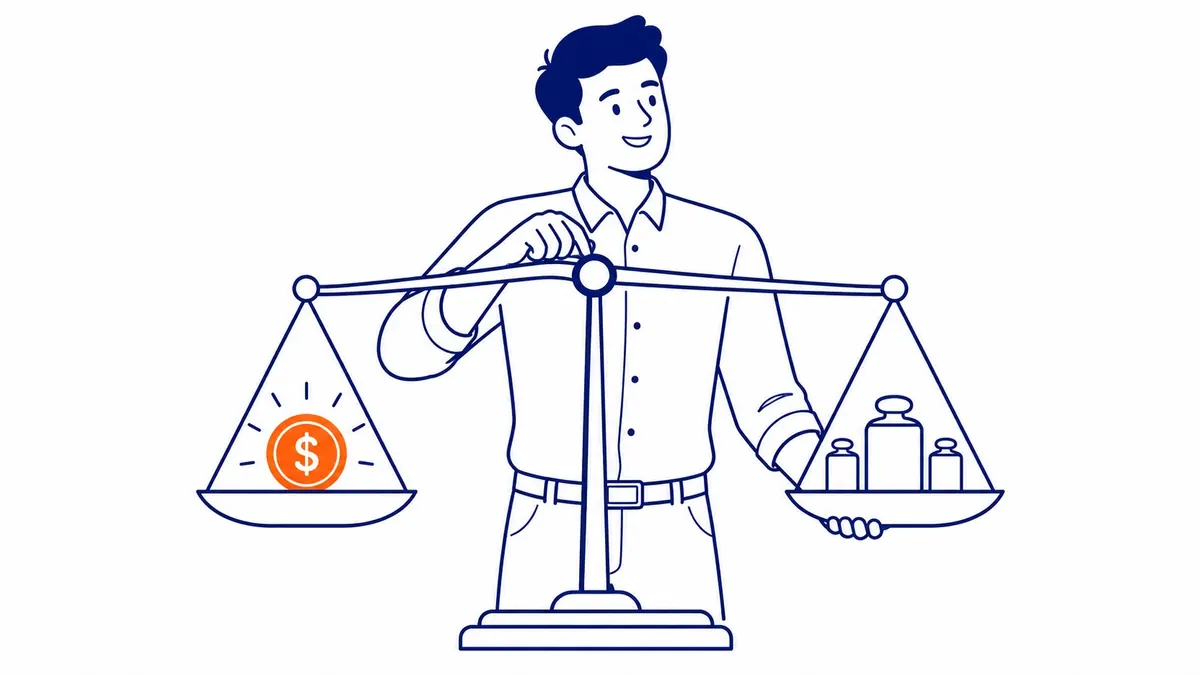
The two channels are often sold together, but they behave differently on almost every point a business owner cares about. The table sums up the practical differences.
| SEO | SMM | |
|---|---|---|
| Who you reach | People already searching for a product, service or answer | People scrolling a feed, who may not be looking for anything |
| Where the work lives | Your own website and Google Business Profile | Accounts on platforms you do not control |
| Speed | Slow to start; Google says changes can take from hours to several months to show | Fast to start; a post or ad can reach people the same day |
| How long results last | A ranking page keeps earning visits while it holds its position | A post’s reach fades within days; results stop when posting or ad spend stops |
| What you pay for | Time and expertise for content, fixes and links; clicks are free | Time to create content, plus ad spend for paid reach |
| Best at | Capturing existing demand (“furnace repair Calgary”) | Creating awareness and demand for something people do not yet search for |
| Main risk | Waiting months on a page that targets the wrong search | Mistaking a platform’s reach decision for a verdict on your content |
Neither column is better in general. A business with steady search demand and a website that does not rank is leaving the cheapest customers on the table, and a business selling something nobody searches for yet will wait a long time for SEO to bring anyone.

Does SMM help SEO?
Not directly, as far as Google documents. The Starter Guide lists “social media promotion” among the ways to promote new content, and says effective promotion leads to “faster discovery by those who are interested in the same subject, and also by search engines”. It does not describe likes, shares or follower counts as something that improves a page’s ranking. Links posted on social platforms are also user-generated content, the kind of link Google’s guidance on qualifying outbound links asks the hosting site to mark with the ugc value, and Google says links marked that way will generally not be followed.
The indirect effects are real, though. A post can put an article in front of a journalist or blogger who later links to it from their own site, and a person who saw your name on Instagram may search for it next week, which shows up as a branded search. In practice those are the routes by which social activity feeds SEO: people, not a ranking signal.
There is also a newer connection running the other way. Social posts themselves appear in Google results, and Search Console now offers platform properties for TikTok, Instagram, X and YouTube accounts. Google’s guide to social and video platform performance, updated in July 2026, says you can verify each account and see clicks, top posts and the search terms people use to find your profile or videos. For a business that posts a lot of video, that is a way to see whether its social content is already working as search content. There is a longer explanation of how social media affects SEO for anyone who wants the detail.

SMM, SMO, SEM and the other SMM
Several look-alike acronyms travel with these two, and agencies do not always use them the same way. SMO (social media optimization) usually means the narrower job of tidying profiles and tuning what gets published so it is easier to find and share, while SMM covers the whole marketing effort on those platforms, paid ads included. If you are weighing how to split a budget between SEO and SMO, a separate guide works through that choice.
SEM (search engine marketing) is the one most often confused with SEO. It usually means paid search ads, such as Google Ads, although some people use it for paid and organic search together. Google Analytics 4 keeps the two apart as Paid Search and Organic Search, which is the clearest working definition. The difference between SEO and SEM is covered in more depth elsewhere.
Searchers who type “SMM” on its own also run into SMM panels, which are services selling followers, likes and views in bulk. A bought follower count does not buy customers, and in practice it does lasting damage to your own data: once a large share of your followers are not real people, the gap between followers and reach stops telling you anything, and you lose the most useful check a small business has on its social work.

Which should a small business start with?
Start with the question of whether people already search for what you sell. If they do, and a quick look at Google for your main service plus “Calgary” shows competitors’ websites and a map pack, SEO usually comes first, because those searchers are the customers closest to buying. Furnace repair, dentists, lawyers, roofers and most trades fall into this group. If people do not yet search for it, because the product is new, visual or bought on impulse, SMM usually comes first, because there is little demand for SEO to capture.
Then look at what you can keep up. SEO asks for patience and for a website you control, and the effort is front-loaded. SMM asks for a steady supply of posts or a steady ad budget, and it stops working when either one stops. As an illustrative example, a new Calgary maker of hand-poured candles has almost no one searching for its brand and products that photograph well, so social is the natural start, while an established Calgary plumbing company has people searching for its services every day and a website that may not show up for them, so SEO is the better first spend. Many businesses end up running both, with search capturing demand and social building it, once the first channel is working.

How to measure each without fooling yourself
The cleanest way to compare the two is in Google Analytics 4, which sorts visits into default channel groups. According to Google’s channel group definitions, Organic Search is traffic from non-ad links in search results, including AI Overviews and AI Mode, Organic Social is traffic from non-ad links on social sites, and Paid Search and Paid Social cover ads on each. Links you post on social platforms count as Organic Social when GA4 recognizes the site or when the link is tagged with a social medium such as utm_medium=social, so tag your bio links and campaign links consistently, or the comparison will blur.
For SEO, track the searches your pages appear for in Search Console and the positions of a short list of important searches over months, not days. For SMM, the number to read before you rewrite a post is reach compared with followers. Open your last ten posts and write down, for each one, how many people follow the account and how many the platform says the post reached. If reach is close to your follower count, your audience saw the posts and their response is a fair verdict on the content. If reach is a small fraction of your followers, the platform did not show the posts to most of them, and rewriting the words will not fix a distribution problem. Reading ten posts together tells you far more than reading one.

SEO and SMM at To-The-TOP! in Calgary
SEO Company To-The-TOP! works on the search side of this pair: SEO for organic results and Google Ads for paid search. It is a solo practice based in Calgary since 2007, so the person who reviews your site is the person who does the work, and it uses White Hat methods only. Clients get monthly position reporting, and the keywords already ranked for clients are listed in a public portfolio.
If you are deciding whether search deserves your next dollar ahead of social, or you would like a second opinion on your site, call (403) 308-5949.

Contact Calgary SEO Company To-The-TOP!
Questions about anything in this article, or about your own rankings? Talk to a Calgary SEO specialist directly.
Phone: (403) 308-5949
Address: 1509 14 Ave SW, Calgary, AB T3C 0W4
Hours:
Monday to Friday: 10:00 am – 7:00 pm
Saturday: 12:00 pm – 4:00 pm
Sunday: closed